REVIEW · SPLIT
Split highlights – Evening walking tour
Book on Viator →Operated by TEMPER TRAVEL · Bookable on Viator
Split at night clicks into focus fast. This evening tour is a smart way to connect the story of Diocletian’s Palace with the real-life heart of modern Split, from the Golden Gate down to the Riva promenade and a panoramic terrace on Marjan. I love how the stops are timed for the evening mood and how the tour includes major landmarks with free admission at most points, so you’re paying mainly for the guide. One heads-up: the Palace area can feel busy after 7 pm, so if you hate crowds, plan to move a bit slower and accept some shoulder-to-shoulder moments.
Because it’s small (maximum 8 people) and starts at 7:00 pm, it’s also a great first-night plan. You’ll get an English-speaking licensed local guide, and you’ll leave with practical wayfinding help plus restaurant and neighborhood tips from whoever’s leading your group (Bosko Papic, Pavle, and Luka are names that have come up in past tours).
In This Review
- Key highlights worth targeting
- Golden Gate entry at 7 pm: the easiest way to start understanding the Palace
- Peristyle and the sphinx: where the Palace feels like a center, not a ruin
- Cathedral of Saint Domnius: a must-see, even if entry isn’t included
- Vestibulum of Diocletian’s Palace: hearing the living city inside ancient walls
- Pjaca and Prokurative: where locals actually live between landmarks
- The Riva promenade: Split’s living room by the harbor
- Prva Vidilica Na Marjanu: end with the view that makes Split click
- Price and value: what $39.74 buys you (and what it doesn’t)
- Who this evening walking tour fits best
- Guides can change the experience: how to use that to your advantage
- Should you book this evening walk?
- FAQ
- What is the duration of the Split evening walking tour?
- How much does it cost per person?
- Where does the tour start and where does it end?
- What time does the tour begin?
- Is the tour offered in English?
- Is there a mobile ticket?
- Are any admissions included?
- What group size should I expect?
- Is the tour dependent on weather?
Key highlights worth targeting
- Golden Gate to the Palace core: start at Dioklecijanova 7 and work your way through the main palace sights
- Peristyle square + a 3,500-year-old sphinx: a standout moment that changes how you picture the complex
- Saint Domnius Cathedral placement: understand why this site matters, even if you skip entry
- Vestibulum and klapa singing: a cool sensory link between ancient space and local sound
- Pjaca, Prokurative, and the Riva: city squares that explain how Split socializes
- Prva Vidilica Na Marjanu viewpoint: finish with a wide view and better orientation of the whole town
Golden Gate entry at 7 pm: the easiest way to start understanding the Palace
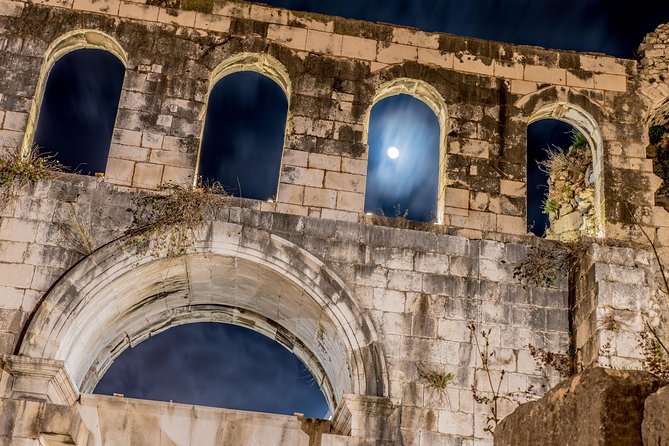
The tour begins right where it should: at the Golden Gate area (Golden Gate, Dioklecijanova 7, Split). From this first moment, the guide frames Diocletian’s decision to build a palace here and then retire, which makes the architecture feel like a story instead of random stone blocks. There’s also that charming detail by the gates—an outdoor statue of Croatian bishop Grgur, described as offering good luck to passengers—so you’re not just looking up, you’re picking up the local legends that make Split feel lived-in.
Starting at 7:00 pm matters more than it sounds. In the evening, you often get slightly more breathing room than midday, and the light changes how the stone reads. Even better, you’re walking with a guide rather than trying to decode the palace map yourself.
What I like most for practical travelers: this start gives you a mental route. After the tour, you’ll understand where the big spaces are relative to the waterfront, so later you can wander without second-guessing.
You can also read our reviews of more tours and experiences in Split.


Peristyle and the sphinx: where the Palace feels like a center, not a ruin
Next comes the Peristyle of Diocletian’s Palace, treated as the geographical and spiritual center of the complex. This square is surrounded by some of the city’s major highlights, so it works like a visual hub. The tone here is also perfect for evening—when you look around, you can sense how people would have moved through this space, not just how it looks in photos.
One of the most specific, memorable details is the mention of a 3500-year-old sphinx guarding the area. It’s the kind of fact that makes you slow down. When you know a landmark is that old, you naturally pay attention to where it sits and why it’s been kept in the story of the palace.
The only real drawback at this stage is crowd density. Reviews and descriptions point to busier palace evenings, and the Peristyle is one of those nodes where everyone wants to stop. If you tend to get frustrated by crowds, keep your expectations simple: focus on the guide’s explanations, take quick photos, and let the rest of the group move at their pace.
Cathedral of Saint Domnius: a must-see, even if entry isn’t included
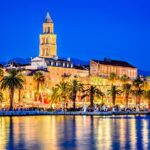
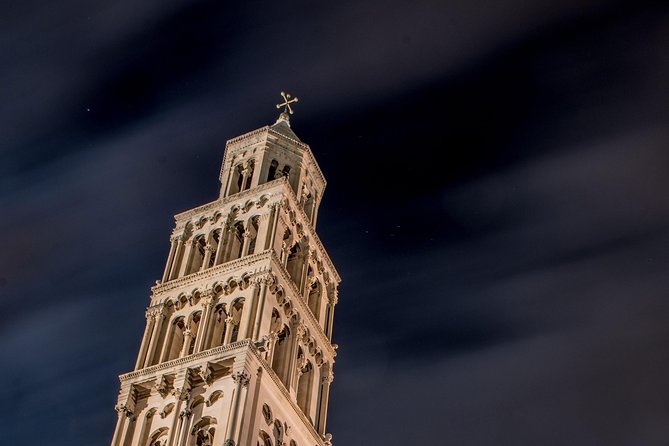
The tour then heads to the Cathedral of Saint Domnius, which was once Diocletian’s mausoleum. This is one of those places where understanding the timeline gives you a better view. The site is described as the oldest building in the world in which a cathedral is situated, which instantly raises the significance beyond a standard church stop.
In front of it stands the Romanesque bell tower, another detail the guide is likely to connect to how the site evolved. The key practical note: admission is not included for this stop. That doesn’t make it a bad stop; it just means you should decide on the spot if you want to pay to go inside. From a planning standpoint, it’s good to know you’re not automatically locked into a full ticketed museum-style visit.
If you love architecture, even viewing from outside can help, because the guide’s framing usually gives you something to look for. If you’re less into interiors, you still get the value of context.
Vestibulum of Diocletian’s Palace: hearing the living city inside ancient walls
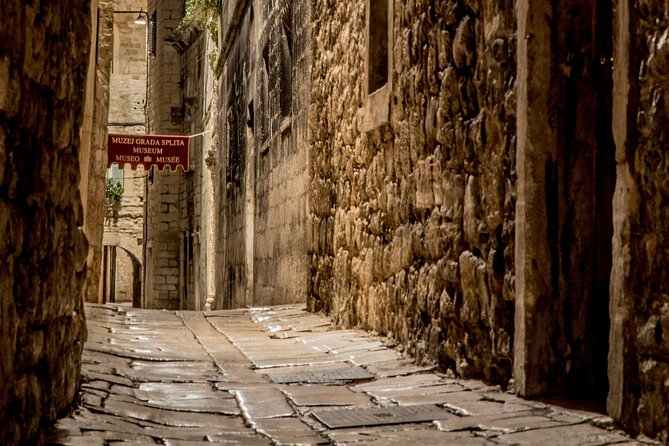
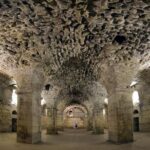
The Vestibulum of Diocletian’s Palace is a smaller moment, but it’s one of the most interesting ones for anyone who likes atmosphere. The description highlights the round hallway as a place where you can hear local klapa singing.
That’s a big deal because it connects two worlds without turning it into a performance. You’re inside a stone setting built for a different era, and then you hear something very current and very local. Even if you don’t catch singing at every step (sound can depend on the moment), the concept alone helps you understand why Split’s old spaces still feel connected to everyday life.
This stop also tends to be memorable for people who want more than facts. It’s not just dates and names—it’s sensory storytelling.
Pjaca and Prokurative: where locals actually live between landmarks
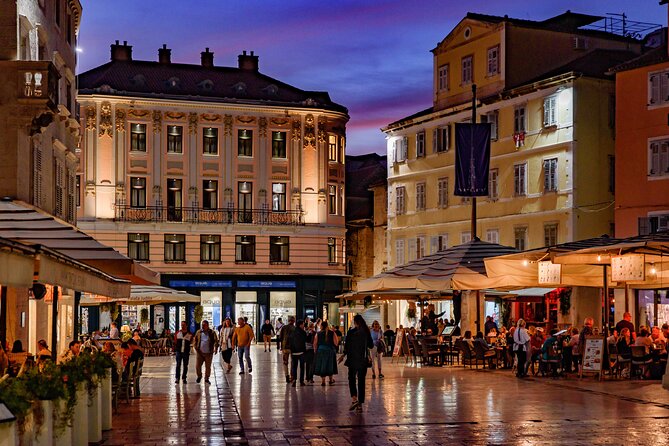
After the palace, the tour shifts into city life with Pjaca, Split’s central stage where people rest, meet, and socialize. The itinerary even points out that it’s the place for big debates—specifically about football. That detail might seem light, but it’s exactly how you learn a city: you get the social glue, not just the monuments.
Then you move to Prokurative, also called Republic Square. The comparison to Venice’s St. Mark’s Square is useful because it gives you a mental picture of the scale and the open feel. The description notes that the south side is open, offering a beautiful view toward the harbor and the Riva. This is where the tour starts to feel like it’s orienting you for the rest of your stay.
You’ll likely notice something practical here: these squares are “orientation-friendly.” Even if you forget a specific fact, you’ll remember how the streets connect, where the views break open, and where people gather.




The Riva promenade: Split’s living room by the harbor
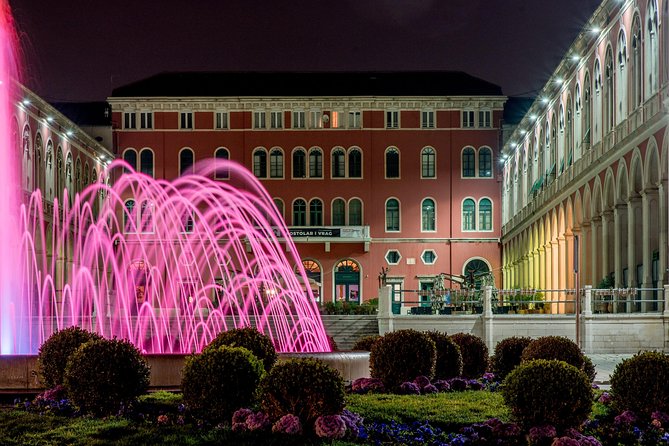
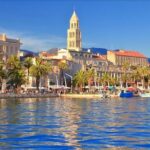
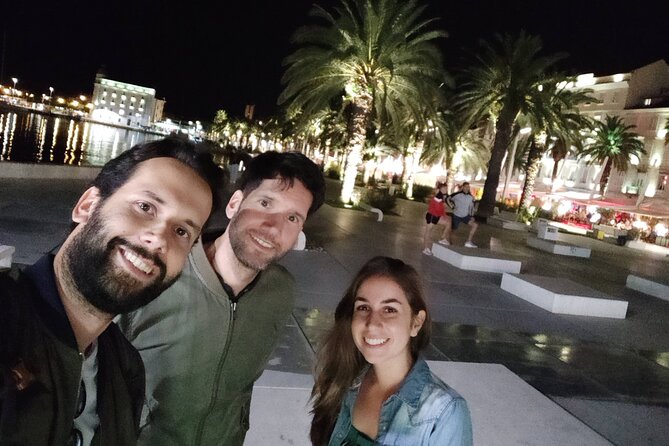
No evening walk in Split feels complete without the Riva Harbor area. The itinerary describes the Riva promenade as the city’s living room—its most popular public place and the main stage for everyday theater.
That wording matters because it shifts your mindset. You’re not just passing through. You’re watching how a waterfront becomes a daily ritual: people strolling, stopping, chatting, and using the harbor line as a reference point for where they are in town.
As part of this tour, the Riva also acts like a visual reset after the tight palace streets. It’s a good moment to slow down, check where you are relative to the old town, and then mentally prepare for the final viewpoint walk.
Prva Vidilica Na Marjanu: end with the view that makes Split click
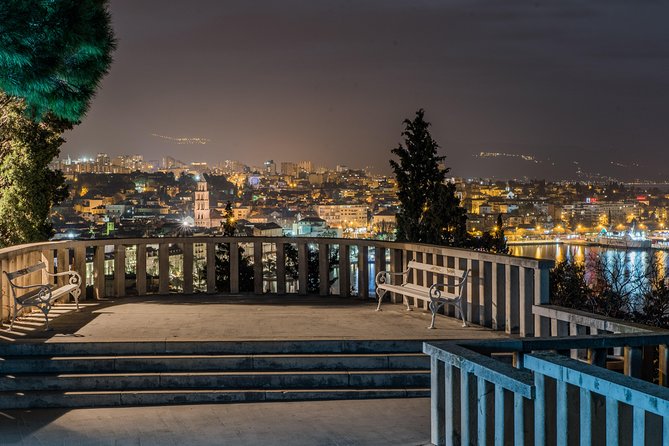
The tour finishes with the Prva Vidilica Na Marjanu terrace viewpoint. The description is straightforward: it’s about 15 minutes on foot from the old town, and from there you can see the whole of Split “at your palm.”
This ending is smart for three reasons. First, it gives you payoff after a lot of stone and squares. Second, the viewpoint helps you store the city in your memory spatially—where the palace sits, how the waterfront bends, and where neighborhoods start. Third, it turns the evening into a full loop: old power center, daily city life, then a final wide-frame perspective.
The only consideration here is simple: you’re still walking at the end. The terrain isn’t described in detail, so I’d treat it as moderate walking through town streets. If you’re short on energy, you might keep expectations flexible and take breaks as needed.
Price and value: what $39.74 buys you (and what it doesn’t)
At $39.74 per person, this tour is priced in the range that usually makes or breaks a decision: is it worth paying for a guide, or should you DIY?
Here’s where it earns its keep.
You’re paying for an English-speaking licensed local guide, plus a route that strings together key landmarks without you needing to map it all out. You also get admission marked as free for several major stops, which helps value. The one clear exception is the Cathedral of Saint Domnius, where admission isn’t included, so you may spend extra if you choose to go inside.
The small group size (maximum 8 travelers) is another value signal. It usually means less waiting and more chance to ask questions. In the past, guides like Bosko Papic, Pavle, and Luka have been singled out for knowledge plus charm, and those are exactly the traits that make a night walk feel like a personal introduction rather than a lecture.
So the bottom line: you’re buying convenience, interpretation, and practical city context—not just access to buildings.
Who this evening walking tour fits best
This is a strong match if:
- You want a first-night plan to reduce confusion and speed up wayfinding
- You prefer old-town storytelling at a comfortable evening pace
- You like small-group attention and a guided route through major landmarks
- You want city-life context, not only palace details
It may be less ideal if:
- You hate crowds and know you’ll feel irritated in the palace area during busy hours
- You dislike walking segments late in the evening, especially the final walk to the viewpoint
- You only want paid entries and don’t like that one key interior stop (Saint Domnius) isn’t included
In other words, it’s best for travelers who enjoy “how a city works,” not just “what the main sights are.”
Guides can change the experience: how to use that to your advantage
Because the tour is guided, the personality and local perspective matter. Past tours have highlighted guides including Bosko Papic, Pavle, and Luka—all praised for making the story of Split feel personal and for adding practical tips.
If your guide brings extra local context, you’ll likely get more than the standard itinerary explanation. That can include restaurant recommendations and everyday-life insight, which is exactly what makes a tour feel useful after you leave the route.
Should you book this evening walk?
I’d book it if you’re arriving in Split and want a fast, efficient way to understand where the old palace ends and where real city life begins. The combination of Diocletian’s Palace at night, the squares (Pjaca and Prokurative), the Riva promenade, and the Marjan viewpoint ending is a smart arc. You’ll get both atmosphere and structure.
I’d think twice if you’re very crowd-sensitive or if your ideal vacation is mostly quiet, off-the-beaten-path sightseeing. This route goes through major highlights, and evenings can be lively.
If you’re flexible and want a guided orientation with a strong payoff view, this is the kind of tour that turns the rest of your stay into easier, more confident wandering.
FAQ
What is the duration of the Split evening walking tour?
The tour lasts about 1 hour 30 minutes to 2 hours.
How much does it cost per person?
The price is $39.74 per person.
Where does the tour start and where does it end?
It starts at the Golden Gate area (Dioklecijanova 7, 21000 Split) and ends at Vodoskok (Trg Franje Tuđmana, 21000 Split) near the fountain at the beginning of the Riva promenade.
What time does the tour begin?
The start time is 7:00 pm.
Is the tour offered in English?
Yes, it’s offered in English.
Is there a mobile ticket?
Yes, the tour uses a mobile ticket.
Are any admissions included?
Many stops list free admission, but the Cathedral of Saint Domnius is marked as admission not included.
What group size should I expect?
The maximum group size is 8 travelers.
Is the tour dependent on weather?
Yes, it requires good weather, and if it’s canceled due to poor weather, you’ll be offered a different date or a full refund.