REVIEW · TROGIR
Split: Private tour to Salona, Vitturi castle and Trogir
Book on GetYourGuide →Operated by Route Dalmatia · Bookable on GetYourGuide
Roman ruins in Croatia can feel like a museum wall, but this tour turns them into a real story you can walk through, starting at Salona and ending in UNESCO-listed Trogir. The day is built around three distinct time periods, so you’re not just seeing sights—you’re watching the region change from Roman power to medieval life.
I especially like the pace and the “ask anything” style with the guide, Mario. He’s praised for being professional, passionate, and happy to answer questions, and that makes the history stick instead of sliding past.
One thing to plan for: this isn’t a sit-everywhere-and-snack tour. You’ll do more than 3 hours of walking, including paths with steps and stones, and it’s not suitable for wheelchair users or people with mobility impairments.
In This Review
- Quick hits before you go
- What kind of day is this, really?
- Getting picked up in Split or Solin (and why the SUV matters)
- Salona Archaeological Park: where Roman Dalmatia still feels close
- A practical tip for Salona
- Why the guide’s role matters here
- Kaštela towns en route: the stop that connects the eras
- What to expect from Kaštela
- Vitturi Castle in Kaštel Lukšić: fortress life, Renaissance calm, and Ottoman pressure
- Timing and pacing at the castle
- Why Vitturi Castle is a smart middle chapter
- Trogir UNESCO old town: Romanesque-Gothic monuments plus real free time
- Optional entrances: cathedral and Kamerlengo fortress
- What to do with your free time
- Pacing, walking time, and fitness reality check
- What helps you enjoy it anyway
- Price and value: $117 per person, and what you actually get
- Who this tour suits best (and who should skip it)
- Small details that make a big difference
- Should you book this Split tour to Salona, Vitturi Castle, and Trogir?
- FAQ
- What is included in the tour price?
- Are entrance fees to Salona and Trogir included?
- How much walking is involved?
- What language is the live guide speaking?
- Where does pickup and drop-off happen?
- Is this tour suitable for children?
- Can I cancel for a full refund?
Quick hits before you go
- Roman Salona (Dalmatia’s capital): amphitheater, cemeteries, basilicas, gates, and city walls in one guided sweep
- Vitturi Castle in Kaštel Lukšić: a real mix of Renaissance retreat and fortress protection during Ottoman-era conflict
- UNESCO Trogir old town: Romanesque-Gothic monuments plus time to wander the narrow streets
- Private SUV comfort with real downtime: air conditioning, Wi‑Fi, and frequent short transfers rather than long bus rides
- Small group by design: space for up to four people, which keeps questions and pace personal
- History lovers get the whole timeline: Roman to medieval, packed into about half a day
What kind of day is this, really?
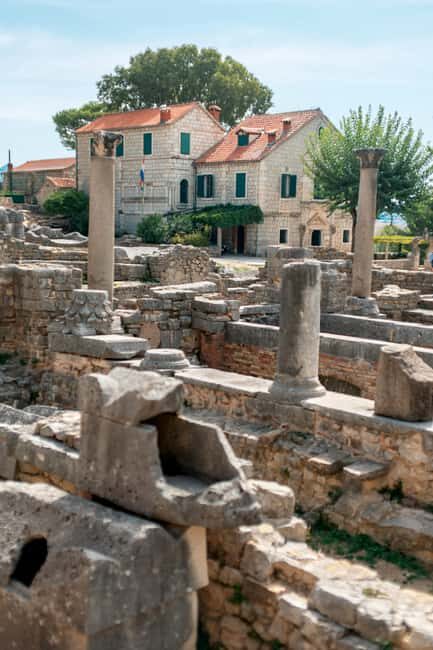
This is a private, half-day historical loop that connects three places most people only visit separately. Salona gives you the Roman province capital feel—big, organized, and built to last—while Vitturi Castle shows how fortresses and daily life worked when borders and threats were changing. Then Trogir brings you into the medieval art-and-architecture era, with a town layout that’s still easy to enjoy on foot.
I like tours like this because they don’t treat history as a list of dates. Instead, you get a sequence: architecture, daily life, power, and protection, all tied together as you move through the region.
You can also read our reviews of more private tours in Trogir
Getting picked up in Split or Solin (and why the SUV matters)
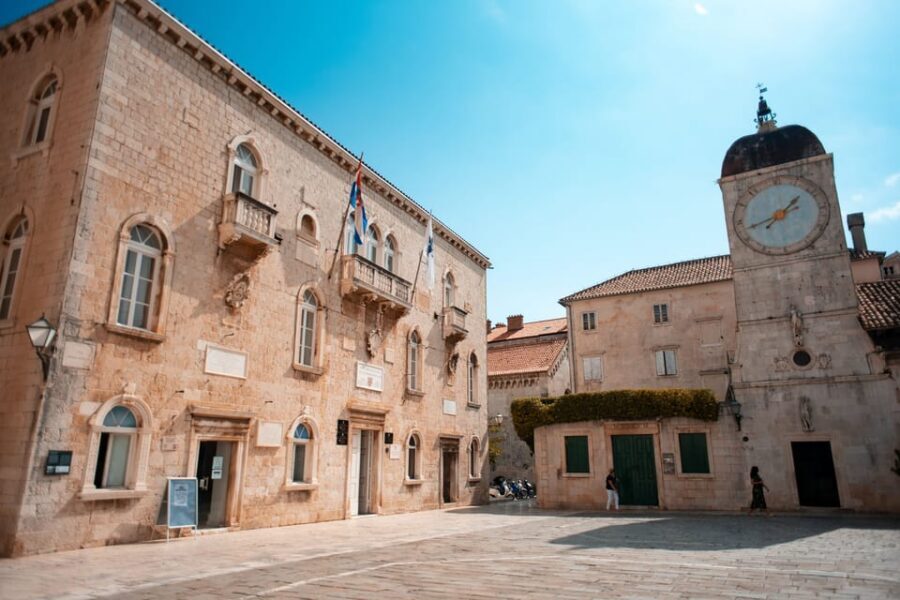
You can start from Split or Solin, with pickup and drop-off built into the experience. The ride is by Jeep/SUV (modern, with air conditioning and Wi‑Fi), and you’ll be able to recognize the vehicle as a grey SUV about 10 minutes before the start time.
Why I think this matters: the day is only 6 hours total. When travel between stops is handled smoothly in a comfortable vehicle, you spend more of the clock actually looking at things instead of waiting, crowding, and juggling. It’s especially helpful if you’re traveling as a couple or family and you want a calmer rhythm.
Salona Archaeological Park: where Roman Dalmatia still feels close
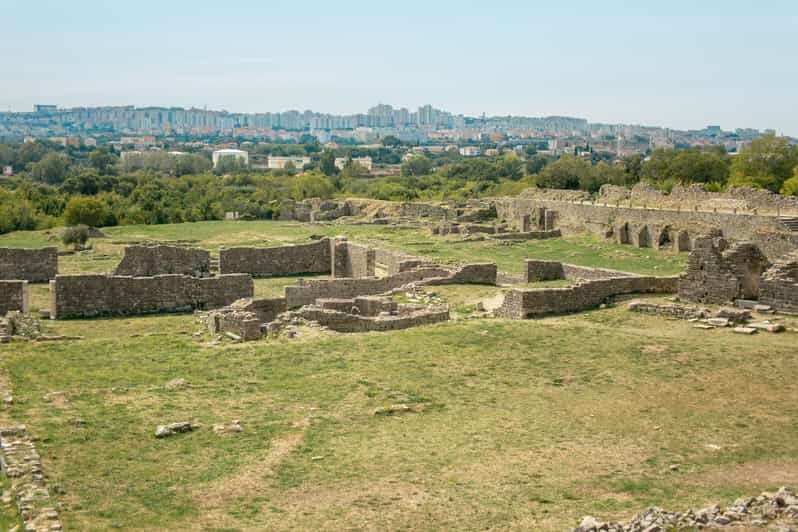
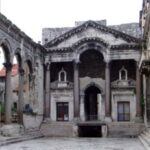
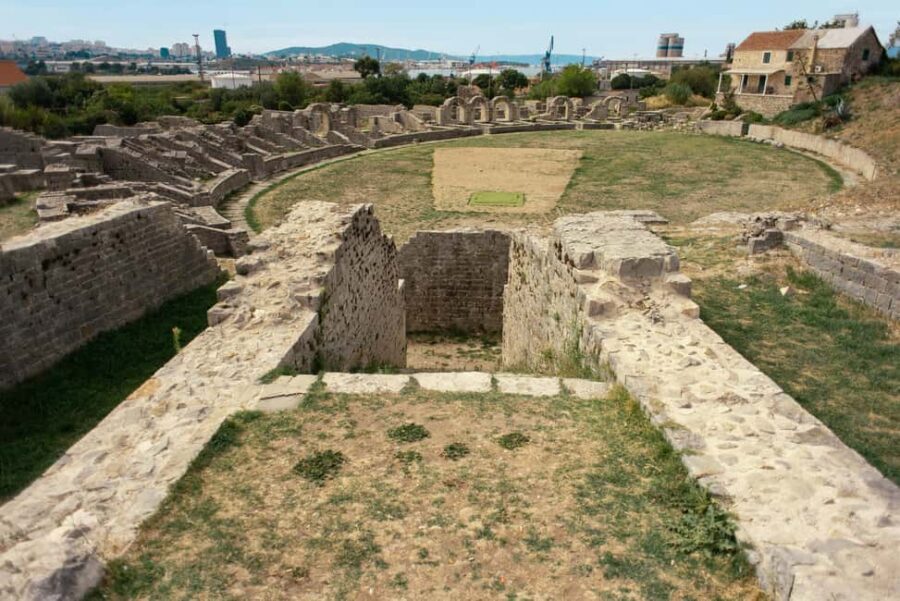
Your day starts at the archaeological site of Salona, once the thriving capital of the Roman province of Dalmatia. Under the Roman Empire, it grew into one of the largest cities on the eastern Adriatic coast, with a population reported as over 60,000.
What you’ll see is the kind of Roman leftovers that don’t need imagination. The guided tour covers major remains such as the grand amphitheater, cemeteries, basilicas, gates, and city walls. That combination is the real payoff: you’re not only looking at entertainment space (the amphitheater), you’re also seeing the city’s spiritual and civic layout.
A practical tip for Salona
Wear comfortable shoes and expect uneven ground. Even when the main paths are manageable, Salona is an archaeological park, so you’ll be better off if your feet are happy. If you’re the type who likes taking photos, a camera is worth it—these structures photograph well because you can frame them like “parts of a city,” not just isolated ruins.
Why the guide’s role matters here
Roman sites can turn into a blur if you’re not told what you’re looking at. With Mario, the structure seems to click: what the amphitheater suggests about public life, how the walls show defense and boundaries, and why the basilicas and gates mattered in daily routines. The reviews repeatedly highlight how he answers questions, and that’s exactly what makes a Roman ruin feel human.
Kaštela towns en route: the stop that connects the eras
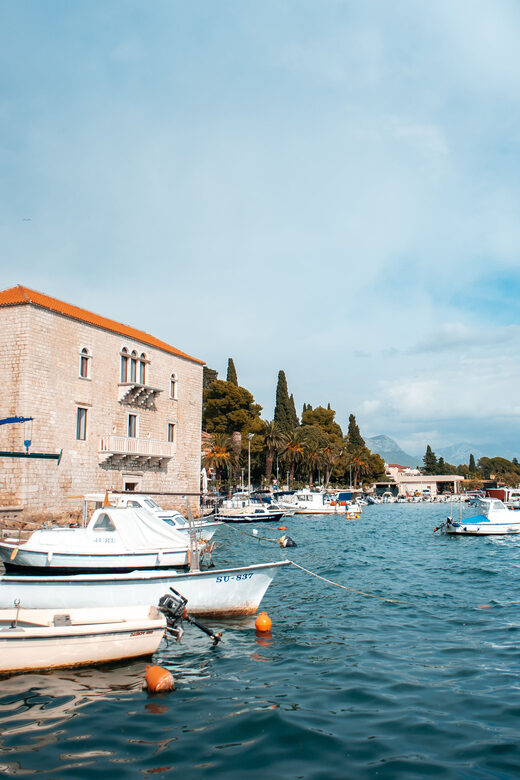
Between Salona and Trogir, you pass through Kaštela, a cluster of seven picturesque towns strung along the coast. These towns grew around medieval fortresses built in the 15th and 16th centuries—so you get a change in architecture and mindset as you move along.
This segment also includes a break with soft drinks, which is a small thing that pays off. After the walking at Salona, you’ll appreciate a reset before another guided block.
What to expect from Kaštela
Kaštela is not the kind of “one landmark” place. The value is in the setting: you’re seeing how towns developed around fortifications and how that shaped where people lived. Even with only a portion of the area explored, it gives you context for why the next stop—Vitturi Castle—matters.
Vitturi Castle in Kaštel Lukšić: fortress life, Renaissance calm, and Ottoman pressure
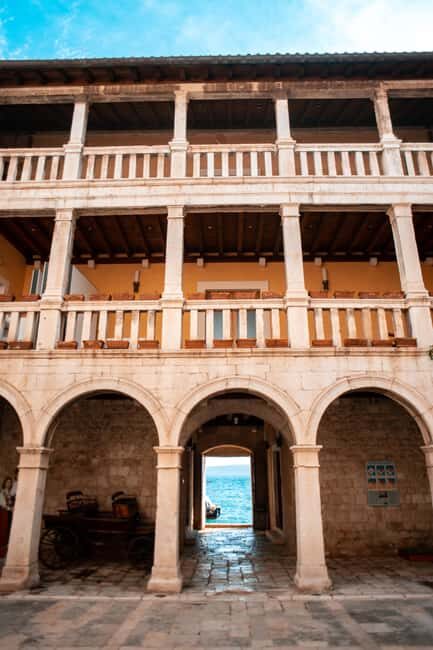
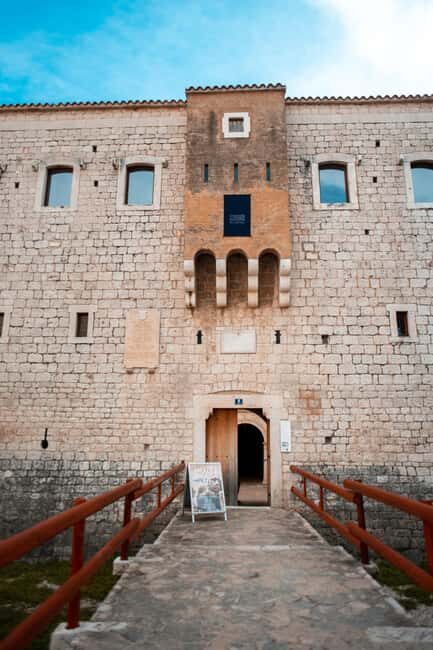
Next comes the star fortress stop: Vitturi Castle, located in the town of Kaštel Lukšić. This is a less-famous choice than the big city highlights, which is part of the charm. It gives your day variety without leaving you with another long “just wandering around” period.
Here’s the story you’ll hear while touring: Vitturi Castle served Renaissance aristocrats looking for tranquility, while at other times it also offered protection for local peasants during wars with the Ottomans. That dual purpose is the key. The castle isn’t only about rulers hiding behind walls—it’s about real people needing safety, and powerful families balancing leisure with risk.
Timing and pacing at the castle
You get about 1.5 hours at Vitturi Castle, including sightseeing and a guided tour. The itinerary also notes a coffee stop here, so plan to take a moment—coffee breaks are underrated in history tours because they slow your thinking down in a good way.
Why Vitturi Castle is a smart middle chapter
If Salona is about Roman power and Trogir is about medieval town identity, Vitturi is the bridge. It shows what happens when frontiers feel unstable: fortification becomes part of everyday life, and architecture starts doing double duty as both home and defense.
Trogir UNESCO old town: Romanesque-Gothic monuments plus real free time
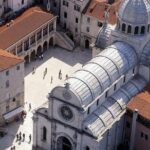
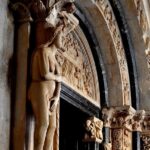
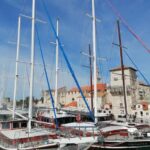
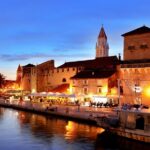
Your final major stop is Trogir, a UNESCO World Heritage site and one of Central Europe’s best-preserved towns of Romanesque-Gothic character. The time spent here combines a guided tour with free time, which I think is the best setup for an old town.
The guided part focuses on the big hits: the imposing cathedral, the main square, palaces, walls, and towers. These aren’t abstract “famous buildings”—you’ll be moving through a town layout where streets, viewpoints, and monuments all connect. And the free time means you can step away from the script and just absorb the atmosphere at your speed.
Optional entrances: cathedral and Kamerlengo fortress
Not all Trogir experiences are included by default. You can add entrance fees if you want to go inside places like the St. Lawrence cathedral (listed as optional) and Kamerlengo fortress (also optional). The tour covers the guided sightseeing, but you decide if you want to pay for extra interior access.
What to do with your free time
Use it to walk the narrow streets slowly, find good photo angles from the town edges, and sit for a few minutes if you need to recover your legs. This is also a great moment to ask Mario a few last questions—by now you’ll have enough context that his answers will land differently.
Pacing, walking time, and fitness reality check
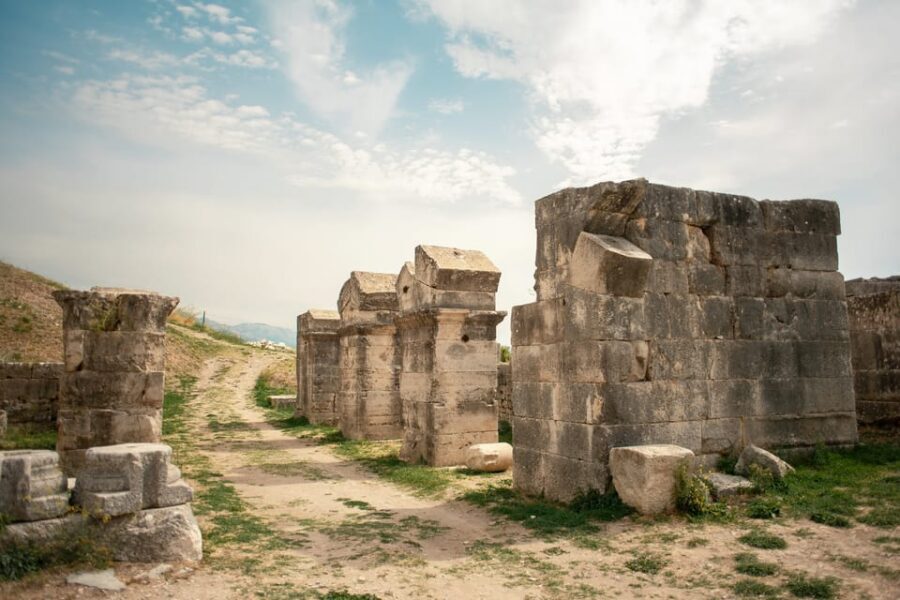
This tour lasts 6 hours, and the notes are clear that it requires a medium fitness level. You’ll spend more than 3 hours walking on paths with steps and stones.
That doesn’t mean it’s brutal. It does mean you should be honest with yourself. If you’re traveling with older relatives, or you don’t walk much at home, this is where the day can get uncomfortable. Also, it’s specifically not suitable for wheelchair users or people with mobility impairments, and it’s not designed for people with low fitness or pre-existing medical conditions.
What helps you enjoy it anyway
Bring what the tour asks for: water, sunscreen, a hat, sunglasses, and comfortable clothes. The footwear rule is strict—sandals and flip flops aren’t allowed—so pack shoes that can handle uneven stone. If you’re prone to getting hungry, also bring food since meals aren’t included.
Price and value: $117 per person, and what you actually get
At $117 per person, you’re paying for a few things that matter: private SUV transfers, a licensed local tour guide and driver, and guided tours of all three key stops. You’re also not stuck paying for a big group’s pace, because the group is private and designed for up to four people.
Now the extra costs to keep in mind: Salona entrance fee is not included (listed as 8 EUR for adults, 4 EUR for children). There may also be optional entrance fees in Trogir for places like the St. Lawrence cathedral and Kamerlengo fortress. Food is also not included, so you’ll likely want to budget for a snack or plan what you’ll bring.
When the math works out, I think this is good value if you care about guidance and structure. If you’d rather self-guide with a bus schedule and no dedicated Q&A, you might find cheaper ways to hit the same areas. But if you want the story told clearly, and the day run with minimal stress, the private format is where the money goes.
Who this tour suits best (and who should skip it)
This tour is a strong fit for:
- History lovers who want Roman-to-medieval in one coherent day
- Couples and families who prefer private pacing over group crowds
- People who enjoy asking questions and getting direct answers (Mario’s style is repeatedly praised)
- Travelers comfortable with 3+ hours of walking on uneven paths
It’s a poor fit for:
- Wheelchair users and people with mobility impairments
- Anyone needing low-impact routes with minimal steps and stones
- People with low fitness or certain medical limitations
Small details that make a big difference
A few “don’t ignore this” points can save your day:
- Bring water and sunscreen; you’re outside for long stretches.
- Expect steps and stones even when the walking is not constant.
- Don’t plan on a full meal: food isn’t included.
- Keep a credit card and some cash handy for optional entrances and snacks.
- Smoking in the vehicle isn’t allowed, and alcohol/drugs are not permitted.
These details sound basic, but they shape how relaxed you feel when you’re tired from walking.
Should you book this Split tour to Salona, Vitturi Castle, and Trogir?
If you want one practical half-day that connects three major time periods, I’d book it. The strongest reason is the combination: Salona’s Roman remains, Vitturi Castle’s fortress story, and Trogir’s UNESCO medieval architecture—done with a private guide who can explain what you’re seeing and answer your questions.
Skip it only if you know walking time will be a problem. The day is built around more-than-a-light stroll, and it’s not set up for mobility needs. If you’re in that sweet spot—curious, comfortable walking, and happy to learn—you’ll leave with a much clearer picture of how Dalmatia grew from Roman city life into medieval survival and identity.
FAQ
What is included in the tour price?
The tour includes hotel or apartment pickup and drop-off, private transfer by SUV with air conditioning and Wi‑Fi, a professional licensed local tour guide and driver, guided tours of Salona, Vitturi Castle, and Trogir, soft drinks in Kaštela, and insurance.
Are entrance fees to Salona and Trogir included?
No. Entrance fees for Salona are not included (8 EUR adults / 4 EUR children). Entrance fees for optional sights in Trogir, such as St. Lawrence cathedral and Kamerlengo fortress, are also not included.
How much walking is involved?
The tour includes more than 3 hours of walking, and it involves paths with steps and stones.
What language is the live guide speaking?
The tour is offered with a live guide in English.
Where does pickup and drop-off happen?
Pickup and drop-off options include Split and Solin. You’ll also be able to recognize the vehicle as a grey SUV about 10 minutes before the tour starts.
Is this tour suitable for children?
Children under 8 are free, and there are discounts for youth up to 18. The tour also includes a note that it requires a medium fit condition, so you’ll want children to be comfortable with walking.
Can I cancel for a full refund?
Yes. Free cancellation is available up to 24 hours in advance for a full refund.