REVIEW · SPLIT
Walking tour of Split with an Art Historian
Book on Viator →Operated by Aspalathos Guided Tours · Bookable on Viator
Split can feel like a maze, but this walk turns it into a story. You’ll follow the Roman lines of Diocletian’s Palace and watch the centuries stack up—right in front of you—with art historian Josipa leading the way.
Two things I really liked: the small group size (max 10) that keeps the pace sane and questions actually get answered, and the way Josipa connects the palace’s architecture to how Split lives today. My other favorite part is the mix of big-sight monuments with quick, clever stops that most people miss on their own.
One drawback to plan for: the route includes several unavoidable steps and a few uneven spots, and the tour doesn’t include entry into paid sites (so you’ll see parts like Saint Domnius from the outside/area without going in).
In This Review
- Key highlights you’ll actually feel on the walk
- Meeting Josipa at Đardin: Split’s water story starts in the park
- Tower 2 to the Golden Gate: learning Diocletian’s palace like a map
- Cardo Maximus, hidden garden pauses, and the “platinum gate” Iron Gate
- Peristyle and the gates of the palace world: why the main square matters
- Saint Domnius without the entry: what you get and what you skip
- Let Me Pass (Pusti me da prodjem) and Vestibulum: small spaces, big meaning
- Substructures shortcut to Riva Harbor: the palace goes under your feet
- Value for $30.23: why this feels like a smart first day in Split
- Who should book (and who should think twice)
- Should you book this Split art-historian walking tour?
- FAQ
- How long is the walking tour in Split?
- What language is the tour offered in?
- Does the tour include entry to paid sites like Saint Domnius or the palace substructures?
- Is the tour suitable if I have mobility concerns?
- Is the tour pet-friendly and are service animals allowed?
- Can I cancel and get a full refund?
Key highlights you’ll actually feel on the walk
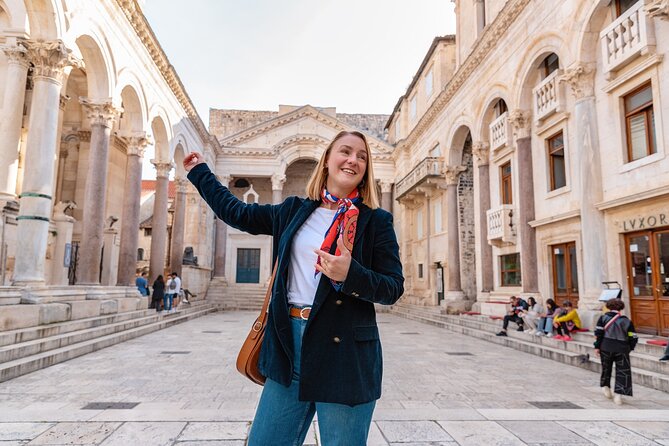
- Josipa’s art-history lens makes the palace feel logical, not just impressive
- Golden Gate to Peristyle gives you the Roman street grid in under 2 hours
- Let Me Pass (Pusti me da prodjem) puts Split’s sense of humor and scale in context
- No paid-site pressure: you’ll get the major sight lines without museum-style queues
- Photo-friendly stops in real places, including the Vestibulum area
- Ends where you’ll want to be: Riva waterfront, with tips for what’s next
Meeting Josipa at Đardin: Split’s water story starts in the park
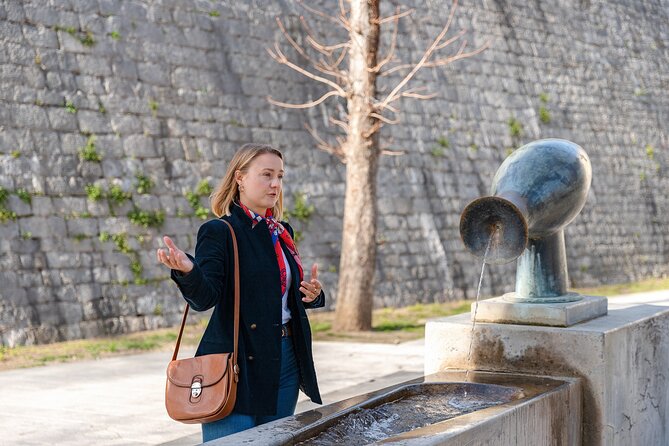
You start at the Strossmayer Fountain, on Ul. kralja Tomislava, where locals call the area Đardin. The tour begins with water—how it brought life to Diocletian’s Palace for more than 17 centuries. It’s a smart opening, because it teaches you to look at the palace as a system, not just stone.
This first stop is also a quick “orientation moment.” Josipa points your eyes toward what matters next, so when the walking starts, you’re not just moving—you’re learning the logic of the place. Even if you’re not a hardcore history person, the water angle is relatable: it’s why people built here, kept living here, and kept rebuilding.
Tip: wear sun protection. The walk runs rain or shine, and you’ll be outdoors for most of it.
You can also read our reviews of more tours and experiences in Split.


Tower 2 to the Golden Gate: learning Diocletian’s palace like a map
From Đardin, you head to Tower 2 of Diocletian’s palace. It’s not glamorous, and that’s the point. This stop teaches you what makes Split unique worldwide: the palace isn’t an abandoned ruin—it’s a living neighborhood wrapped in Roman structure.
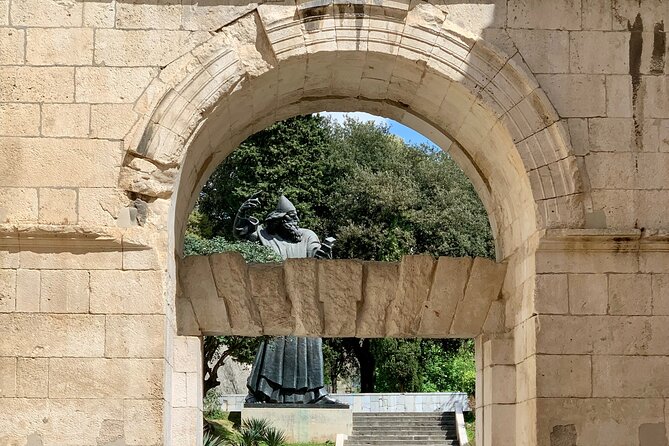
Then comes Gregory of Nin’s famous bronze statue, a quick stop that does two jobs at once. First, it’s the recognizable landmark most people know from photos. Second, Josipa uses it to explain how cultural symbols get absorbed into daily life—plus the toe-rubbing tradition gives you an easy local ritual to remember.
Next you reach the Golden Gate, the northern entrance to Diocletian’s palace. Josipa gives the history and then immediately turns it into orientation: you start walking along Cardo, the main Roman street stretching north-south. Once you get this mental map, everything else clicks faster—especially the way medieval and modern Split work around the Roman skeleton.
What I like here: the stops are short but purposeful. You’re not waiting around for long lectures, and you’re not sprinting either.
Cardo Maximus, hidden garden pauses, and the “platinum gate” Iron Gate
After you enter, you traverse Cardo Maximus, the major north-south artery inside the palace. This is one of those moments where you realize you’re walking on an ancient planning concept that people still rely on. You’ll keep noticing entrances, alignments, and sight lines that would be invisible without a guide.
Then there’s a brief walk through a hidden garden inside the palace. It’s not billed as a full garden tour, and that’s fine. Even a short pause here shows you the contrast: Roman planning plus later layers of private, everyday space.
Next up: the Iron Gate, where Josipa explains why it earned the city’s “platinum” nickname through history. The name is playful, but the explanation ties into how access, defense, and movement mattered. You start seeing gates as more than entrances—they’re stories about power and routes.
This is also where the pacing matters. The walk lasts about 1 hour 40 minutes to 2 hours, so each stop has to earn its place, and this one does.
Peristyle and the gates of the palace world: why the main square matters
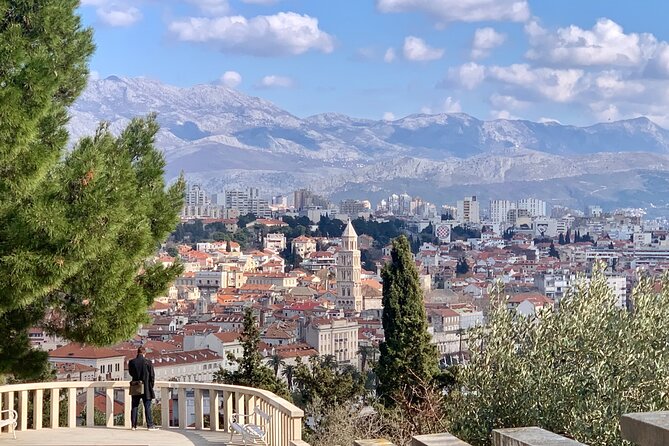
The tour builds toward the Peristyle of Diocletian’s Palace, which is where the scale finally hits you. As you approach from the Decumanus direction, Josipa connects origin and evolution—how the space was meant to work and how it shaped what came later. It’s not only “look at this big courtyard.” It’s why this layout mattered.
You’ll also hear about a site that Scottish architect Robert Adam praised as one of the most beautiful European monuments in the 18th century. Hearing that in the actual setting changes it from trivia into perspective: you’re not the only one who sees the beauty; older architects noticed it too.
Before you head toward the next area, you make a short detour to the Eastern (Silver) Gate. This little turn is worth it because it shows how even brief changes in direction can lead you to meaningful parts of the palace story.
Saint Domnius without the entry: what you get and what you skip
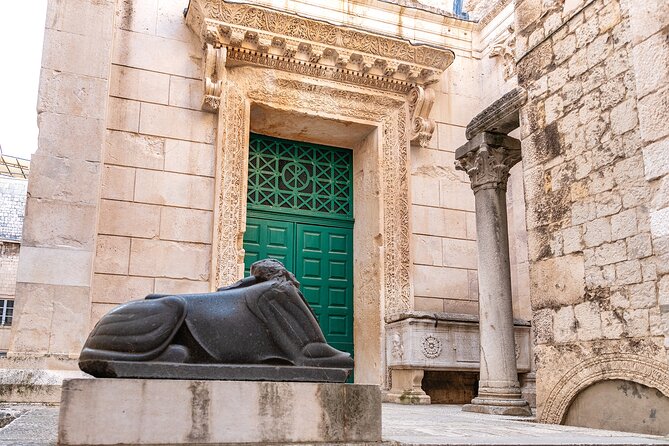
At the Peristyle, you reach the Cathedral of Saint Domnius area. Josipa explains the key idea: it started as a mausoleum for the Roman emperor and later became a Christian cathedral. You’ll understand the transformation without spending extra time in ticket lines.
One important detail: the tour does not enter the cathedral, and it also does not include museums or paid sites. Same story later with the substructures—you’ll see how the palace extends underground, but you won’t do the full paid exploration as part of this tour.
If you love religious architecture, you may want to add a separate ticketed visit later. But for getting the structure and context fast, this approach keeps the day efficient.




Let Me Pass (Pusti me da prodjem) and Vestibulum: small spaces, big meaning
Now the tour takes you into smaller, more human-scale wonders.
First is Let Me Pass (Pusti me da prodjem) Street—less than 10 meters long and about 57 centimeters wide. That’s so narrow it’s almost hard to process until you’re standing there. Josipa doesn’t just point and laugh (though you might). She also connects it to Split’s memory and local culture, including the fact that there’s a public monument honoring it elsewhere in the city.
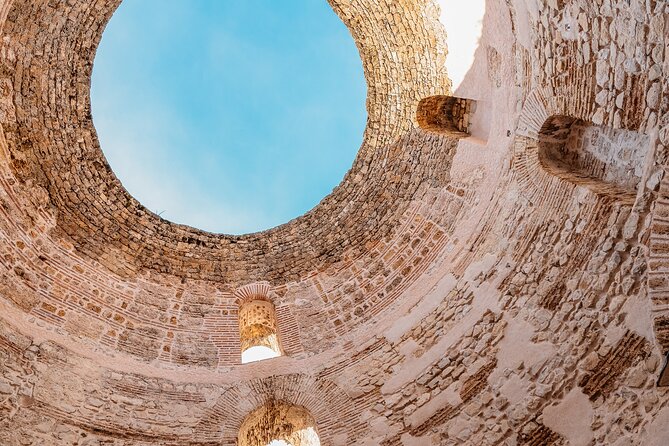
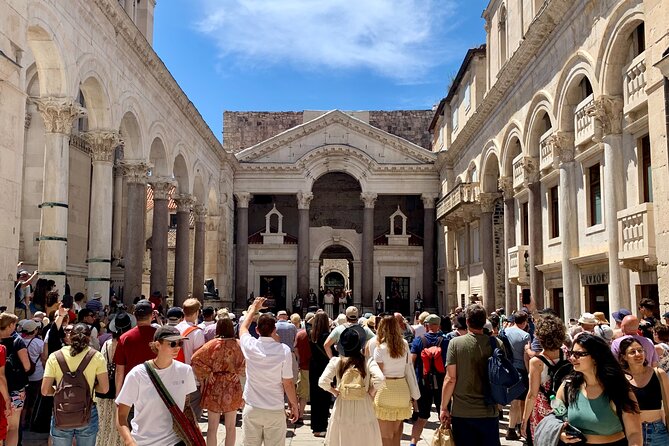
Then you reach the Vestibulum of Diocletian’s Palace, a very popular open-air photo stop. Josipa helps you use the space well, not just snap a picture. She also mentions the possibility of klapa singing sometimes happening nearby, helped by the area’s acoustics. Even if you don’t catch a song, it’s a great spot to pause and look around like a local—because this is where everyday Split energy meets Roman engineering.
What to watch for: some spots can be uneven and you’ll want stable footwear. The walk is mostly flat and easy overall, but a few sections can trip you up if you’re in slick sandals.
Substructures shortcut to Riva Harbor: the palace goes under your feet
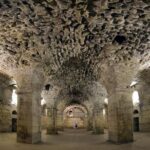
After the photo areas, you take a “shortcut” through the Diocletian Palace substructures route—but not the full thing. Josipa explains what’s there and how the atmosphere changes: from brighter, busier palace space to quieter, darker underground corridors before you pop back out toward the Riva waterfront.
This is the part where the tour’s no-paid-site approach shows its logic. If you want the complete substructures experience, you’ll need a separate visit with additional admission. But as a guided introduction, this makes the underground world understandable without turning the day into a ticket marathon.
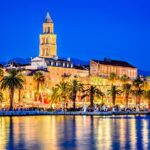
Finally, you reach Riva Harbor and stroll a portion of it to head toward the area near Fruit Square. Riva isn’t just scenery—it’s a meeting place, street, promenade, and square in one. Ending here makes sense because you’re done with the “where am I?” palace confusion, and you can immediately switch into “what do I do next?” mode.
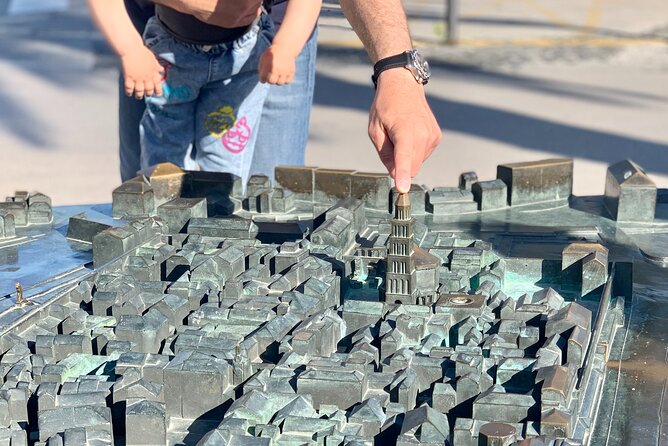
You finish at the bronze model of Split Old Town (the end point). That model is more than a souvenir moment. It helps you mentally reassemble the city you just walked through.
Value for $30.23: why this feels like a smart first day in Split
At $30.23 per person, this tour is priced like a “do the essentials fast” option—and that’s what it delivers. You’re getting a guided circuit through major palace landmarks, plus the small stops that make the story stick: water at Đardin, a gate-by-gate orientation, the toe-rubbing tradition, the narrow Let Me Pass street, and the Riva finish.
A few factors make it good value for your time:
- Duration is tight (around 1h40–2h), so it doesn’t steal a full chunk of your day.
- Group size max 10 keeps it conversational. Several people highlighted that Josipa adjusts the pace and pays attention to everyone.
- Most stops have free admission tickets, and the guide avoids paid sites, so you don’t get stuck paying again mid-tour.
Also, this is a tour that tends to be booked in advance (about 25 days on average). If you have a specific day in mind—especially in peak season—booking sooner is the safest move.
Who should book (and who should think twice)
This tour is ideal if:
- You want a first-day orientation to Diocletian’s Palace and old Split.
- You like history explained through real spaces and architectural logic, not just plaques.
- You’re comfortable walking a short route with occasional steps and uneven ground.
Consider thinking twice if:
- You have difficulty with unavoidable steps on the route.
- You strongly prefer tours that include every interior ticketed site. This one keeps the paid entries out, including not entering Saint Domnius and not fully exploring the substructures.
Good news: multiple reviews describe the walk as easy overall with only some uneven spots, and the group stays small enough that the guide can manage pacing well.
Should you book this Split art-historian walking tour?
If you’re planning a short trip to Split and you want Diocletian’s Palace to make sense quickly, I’d book it. Josipa’s approach turns a complicated old town into a readable map, and you end at Riva where the rest of your day becomes simple.
I’d especially recommend it as your first old town experience, because once you’ve seen the palace layout from the inside-out, you’ll navigate on your own with confidence.
If you’re the kind of traveler who loves interiors and ticketed attractions, you can still book this—but plan a separate paid visit afterward for the parts this tour intentionally doesn’t enter.
FAQ
How long is the walking tour in Split?
The tour runs about 1 hour 40 minutes to 2 hours.
What language is the tour offered in?
The tour is offered in English.
Does the tour include entry to paid sites like Saint Domnius or the palace substructures?
No. The tour does not enter museums or paid sites. You’ll see Saint Domnius without entering it, and you won’t explore the substructures in their entirety since additional admission is required.
Is the tour suitable if I have mobility concerns?
The route includes several unavoidable steps. If walking is difficult for you, consider your comfort and safety before booking.
Is the tour pet-friendly and are service animals allowed?
Service animals are allowed. Pets are allowed too, but you should contact the provider before booking so the guide can ensure everyone is comfortable.
Can I cancel and get a full refund?
Yes. You can cancel up to 24 hours in advance for a full refund. If you cancel less than 24 hours before, the paid amount is not refunded.