REVIEW · ROVINJ
WW2&UNDERGROUND discovering the unknown EXTENDED TOUR
Book on Viator →Operated by Adventurer · Bookable on Viator
Underground war tunnels feel real fast. This extended tour in Rijeka blends surface fort stops with a 1,000 m walk through Katarina B and a memorable finish with wine and a restoration film. I like the mix of practical gear (helmets and headlamps) plus clear storytelling. One possible drawback: it’s cold in the underground rooms (about 14°C) and it gets dark, so claustrophobia is a serious consideration.
What makes this work well is the pace and the size. You’ll start and end in the city centre, ride between stops, and move through the terrain with an easy hiking trail plus viewpoints. The group is capped at 8, which helps the guide keep things relaxed instead of rushed.
If you’re the type who likes your history grounded in real places, you’ll enjoy this. The tour isn’t for everyone, though: it isn’t recommended if you have epileptic seizures or strong claustrophobia, and you’ll need decent footwear.
In This Review
- Key things I’d zero in on
- Where the tour starts in Rijeka—and how you get ready
- The drive-by history: Louisiana and Petroleum roads, plus Banska vrata
- The viewpoint moment: getting your bearings above Rijeka
- Katarina B: the 1,000 m underground fortress walk (and why it matters)
- Above-ground fortresses and the Rječina river canyon walk
- San Giovanni finish: wine, social time, and the restoration film
- Price and value: what you get for about $72.25
- Timing and what to wear for underground comfort
- Who should book the extended tour (and who should choose differently)
- Should you book the WWII Underground Extended Tour?
- FAQ
- How long is the extended WWII underground tour?
- How much does the tour cost?
- What’s included in the ticket?
- Where do I meet and where does it end?
- What should I wear or bring?
- Is the tour suitable if I have claustrophobia?
- Is this tour good if I don’t want to do lots of walking?
- What happens at the end of the tour?
Key things I’d zero in on
- 1,000 m Katarina B underground walk focused on the Battle of Rijeka story
- Small group size (max 8) with a guide staying in control of the pace
- Helmets and headlamps provided, plus audio-video special effects inside
- Surface fort stops like Banska vrata and Pašac bridge, with city views
- Ending at San Giovanni with social time, wine, and a short restoration film
- Easy-to-moderate walking that’s doable for most people, with the caveat of darkness and cold
Where the tour starts in Rijeka—and how you get ready
The meeting point is in the city centre at Ulica Rade Šupića, and the tour ends back there. That’s helpful because you don’t have to plan extra transport after you’re done underground and slightly out of breath.
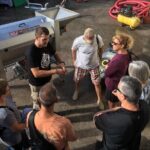
Before you head into the fortifications, you’ll get the protective gear: helmets and headlamps. The tour also includes insurance and professional certified guides, which matters more than it sounds when you’re moving through uneven, underground spaces.
You’ll want to take the temperature note seriously. The underground facilities run around 14°C, so bring something warmer than you’d wear on the street. And wear shoes that you trust on stone and ramps, because “adequate footwear” is the difference between smooth walking and careful shuffling.
You can also read our reviews of more tours and experiences in Rovinj.


The drive-by history: Louisiana and Petroleum roads, plus Banska vrata
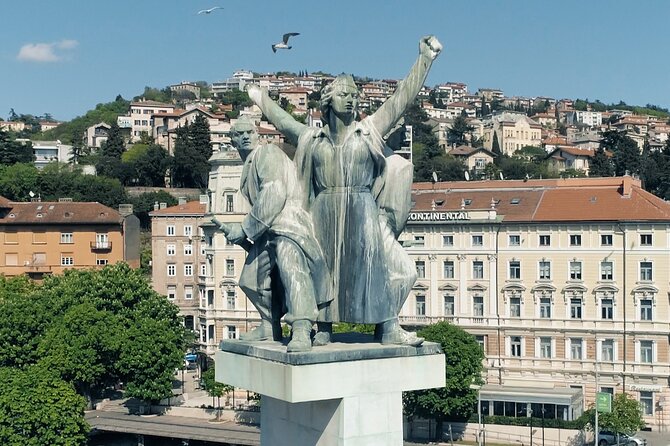
After meeting in the centre, the group drives along Louisiana and Petroleum roads. Those stops aren’t just scenic bus routes; the guide uses the travel time to set context, then you get out at historically important locations.
One of the key surface stops is Banska vrata. Even if you don’t know the term ahead of time, the guide’s job is to connect the location to what happened around it, so it clicks rather than feeling like random sightseeing.
You’ll also stop at bridge Pašac. Bridges and chokepoints matter in wartime geography, and this is one of those places where the physical layout helps you understand why people fought for specific routes instead of just “the city in general.”
The viewpoint moment: getting your bearings above Rijeka
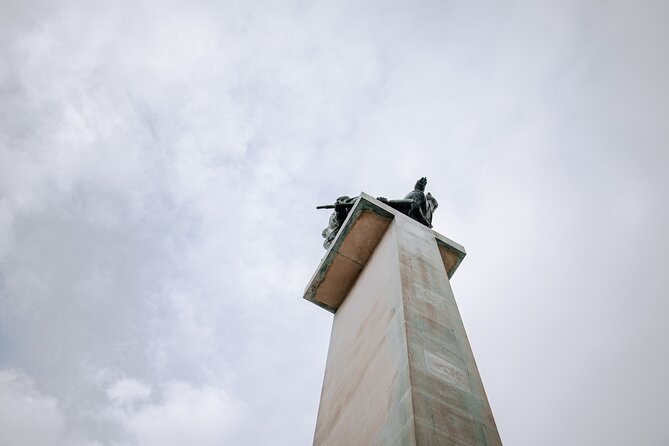
You’ll get a bird’s-eye view of Rijeka as part of the tour. I like this because it helps you mentally map what you’re about to do underground. When you can see the city’s shape and river canyon areas, the fortifications stop feeling abstract.
The tour’s later walk connects to that same idea. You’ll be seeing the Rječina river canyon from the trail route and learning how water, terrain, and movement guided military planning. A viewpoint early on makes the underground story easier to follow.
Katarina B: the 1,000 m underground fortress walk (and why it matters)
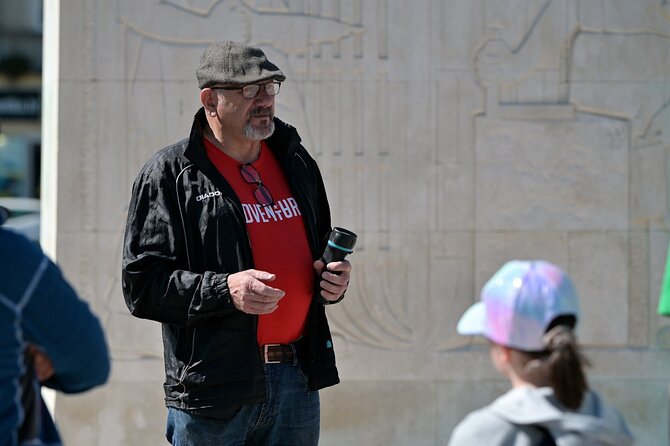
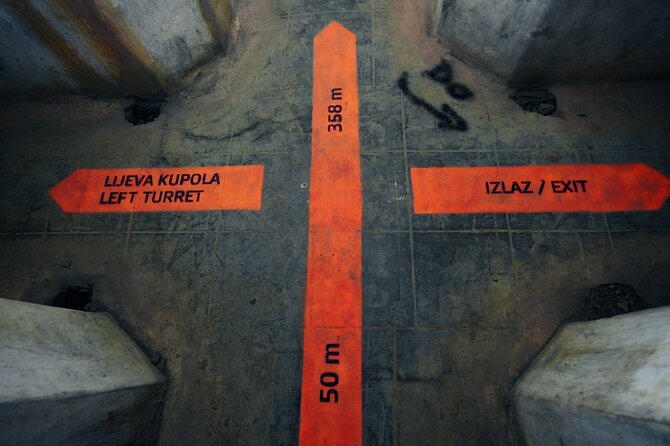
The star of the extended tour is the walk through the underground fortress Katarina B, about 1,000 meters long. This is where the tour earns its name: you’re not just standing in front of a bunker door; you’re moving through the system and hearing the story tied to the Battle of Rijeka, the fight for liberation in World War II.
Inside, you’ll experience audio-video special effects, including projection. That’s important because underground spaces can blur details fast. The effects help you visualize functions and movement—where things were positioned and why—without the tour turning into a lecture.
There’s also an easy hiking-trail element to the overall day, but Katarina B itself is where comfort planning matters most. Darkness is part of it, even with headlamps, and you’ll be under constant conditions that feel different from daylight city streets. If the idea of tight, dim spaces stresses you out, this is the moment to think hard before booking.
The payoff is that you come out with a much clearer sense of what underground defense actually meant: not a movie set, but a working space built for survival and coordinated action.
Above-ground fortresses and the Rječina river canyon walk
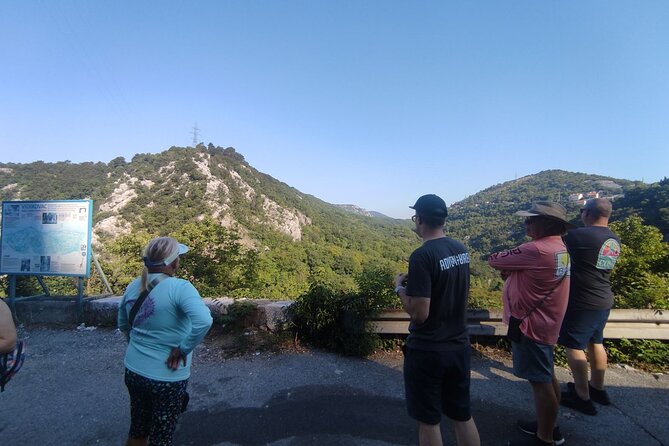
After the main underground section, the tour keeps moving with above-ground parts of several other fortresses. This is a smart choice because it prevents the experience from becoming one long, dark tunnel-only story.
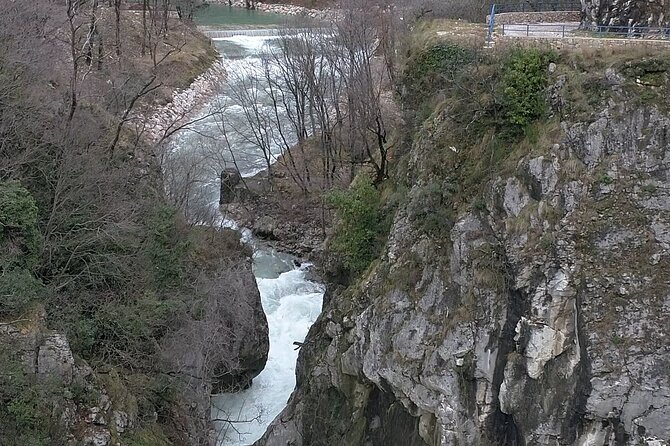
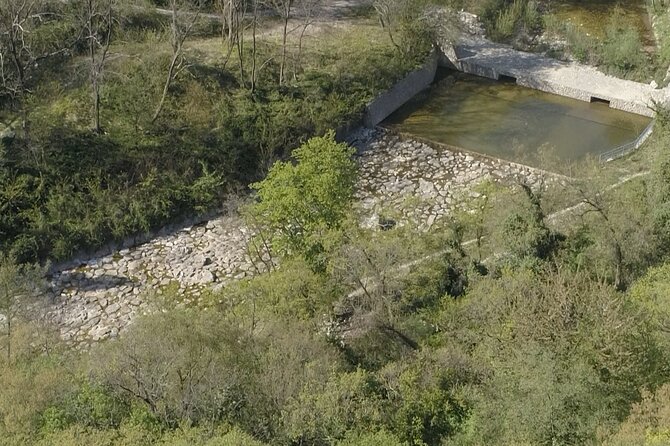
You’ll also get better views of the Rječina river canyon from the trail route. That matters because the canyon and surrounding slopes influence line-of-sight, movement, and how defenders could manage threats. When you’ve seen both the surface terrain and the underground positions, you understand why certain parts of Rijeka were so contested.
This portion also helps you pace yourself. Underground can be mentally and physically draining, even if it’s not extreme hiking. The surface walking acts like a reset, letting you breathe and take in the geography you just learned about.




San Giovanni finish: wine, social time, and the restoration film
The tour ends at the entrance hall of San Giovanni, an unfinished underground fortress. That “unfinished” detail is part of the emotional effect: you’re not only hearing about war; you’re also seeing the story of rebuilding and restoration after World War II.
You’ll socialize at the end, enjoy a glass of wine, and watch a short film about the restoration of Rijeka. I like this closing structure because it gives you a final thread that ties the past to the present, instead of leaving you with only the weight of conflict.
There’s also a practical benefit here. Ending indoors lets your group warm up and recover a little after the underground route. And if you want to ask questions, this is usually the easiest time to do it while people aren’t actively moving.
Price and value: what you get for about $72.25
At $72.25 per person for roughly 3 hours, this is priced for a guided, gear-based, entrance-included experience—not a quick walking tour. The value comes from the combination of things you’d otherwise pay for separately:
- Helmets and headlamps
- Transport between stops
- Entrance into underground fortresses
- A guide, plus audio-video effects inside
- Insurance
- Wine tasting at the end sequence
That mix is what turns this into more than “history on a street corner.” You’re paying for access and interpretation. For me, the strongest value is the Katarina B portion: the 1,000 m underground walk is the kind of access you can’t easily recreate on your own.
Timing and what to wear for underground comfort
The tour runs within set daily hours (9:30 AM to 5:30 PM during the listed season window). Because the experience depends on good weather, try to schedule it on a day you’re confident you’ll still be outside and moving comfortably between stops.
Clothing is not optional. Since underground areas are about 14°C, bring layers even if it’s warm on the surface. Closed-toe shoes with traction are a must, and avoid anything you can’t wear safely for uneven ground.
One more small tip: if you’re sensitive to darkness, bring a calm mindset. The headlamps help, but it’s still a cave environment. The tour isn’t recommended if you’re prone to claustrophobia or have epileptic seizures.
Who should book the extended tour (and who should choose differently)
This is best for you if you want Rijeka’s WWII story from multiple angles: surface fortifications, bridges and gates, canyon viewpoints, and then that long underground walk through Katarina B. I also think it’s a good pick for couples or families who like a clear narrative with a physical component.
It’s less suitable if:
- You have claustrophobia, especially with dark tunnels and underground corridors
- You have epileptic seizures
- You’re unwilling to wear warm layers and adequate footwear
The tour is limited to a maximum of 8 people, so it tends to feel structured rather than chaotic. You’ll likely get more room to ask questions and stay with the group.
Should you book the WWII Underground Extended Tour?
Yes, if you’re drawn to real WWII locations and you want more than a stop-and-pose history tour. The combination of the Katarina B 1,000 m walk, the surface stops like Banska vrata and bridge Pašac, and the thoughtful finish at San Giovanni makes this a complete storyline: war, survival spaces, and what came after.
Before you book, double-check two things: you can handle cold underground temperatures and you’re comfortable in dark enclosed spaces. If those conditions fit you, this is a strong value way to experience Rijeka from the ground up, with gear provided and a guide who keeps it moving at a human pace.
FAQ
How long is the extended WWII underground tour?
It lasts about 3 hours (approx.).
How much does the tour cost?
The price is $72.25 per person.
What’s included in the ticket?
You get helmets and headlamps, a guided tour with transport from the start point and entrance into underground forts, audio-video special effects/projection, insurance, wine tasting, and professional certified guides. Private tours and other dates/times are available on request.
Where do I meet and where does it end?
You meet at Ulica Rade Šupića (51000 Rijeka, Croatia) and the tour ends back at the same meeting point.
What should I wear or bring?
Bring warmer clothes because underground areas are around 14°C, and wear adequate footwear.
Is the tour suitable if I have claustrophobia?
It isn’t recommended for people suffering from claustrophobia.
Is this tour good if I don’t want to do lots of walking?
The tour includes an easy hiking trail and most travelers can participate, but you will be moving through underground spaces and walking along the route.
What happens at the end of the tour?
You finish at the entrance hall of the unfinished underground fortress San Giovanni, where you’ll have social time, a glass of wine, and a short film about restoring Rijeka after World War II.