REVIEW · DUBROVNIK
Dubrovnik: Private History Walk Through the Old Town
Book on GetYourGuide →Operated by True Tale Tours · Bookable on GetYourGuide
Dubrovnik’s Old Town clicks when a guide explains it. This private history walk spends 90 minutes inside the UNESCO world, but the focus isn’t just perfect photos—it’s how Dubrovnik functioned as a clever republic. You’ll hear why diplomacy beat constant war, how strict rules shaped everyday behavior, and how the city’s idea of freedom mattered.
What I really like is the personal pace—you can ask questions and slow down when something grabs you. I also love that the guide works in the “why,” not just the “what,” connecting landmarks to daily life such as water, justice, health, religion, and who had power. And with Edi running the show, the tone stays warm, funny, and sharp.
One thing to consider: it’s a short walking tour, so you’ll want to have at least a small wishlist—walls and viewpoints are great, but this is aimed at politics and daily life inside the Old Town, not a full-day sightseeing marathon.
In This Review
- Key highlights worth your time
- Entering the Old Town with a Republic Mindset
- Where the walk starts near Pile (and why it matters)
- West Harbour: your first taste of Dubrovnik’s money story
- Stradun and Onofrio’s Fountain: water, trade, and the city’s spine
- Franciscan Monastery: faith and daily structure
- House of Marin Držić: culture inside the civic story
- Rector’s Palace: where power got specific
- Church of Saint Blaise and Orlando’s Column: identity and justice
- Sponza Palace: where commerce meets government
- The short in-between walk: where hidden rules show up
- Revelin and Cathedral: fortification views and the public center of faith
- Old Harbour finale: why the wealth mattered
- Price and value: what $47 buys you in Dubrovnik
- Who should book this (and who might not need it)
- The guide makes the difference: Edi’s style
- Should you book Dubrovnik’s Private History Walk?
- FAQ
- How long is the Dubrovnik Private History Walk Through the Old Town?
- Is this a private tour?
- Where is the meeting point?
- Are entrance tickets included?
- What languages is the live guide available in?
- Is water included?
Key highlights worth your time
- Private, interest-led pacing so the route feels made for you, not a checklist
- Landmarks explained with context, from water needs to justice and religion
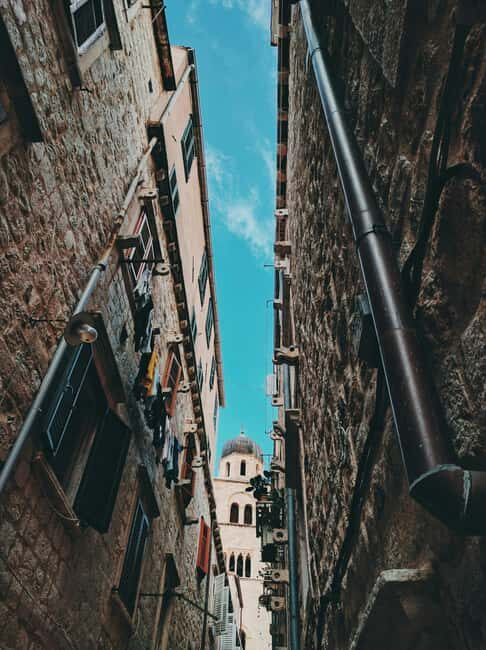
- Side streets and stone details that reveal the rules behind daily life
- A guide like Edi who connects big moments to real governance (and keeps it fun)
- Photo stops plus short breaks so you can breathe without losing momentum
- Local tips at the end, including restaurant ideas
Entering the Old Town with a Republic Mindset
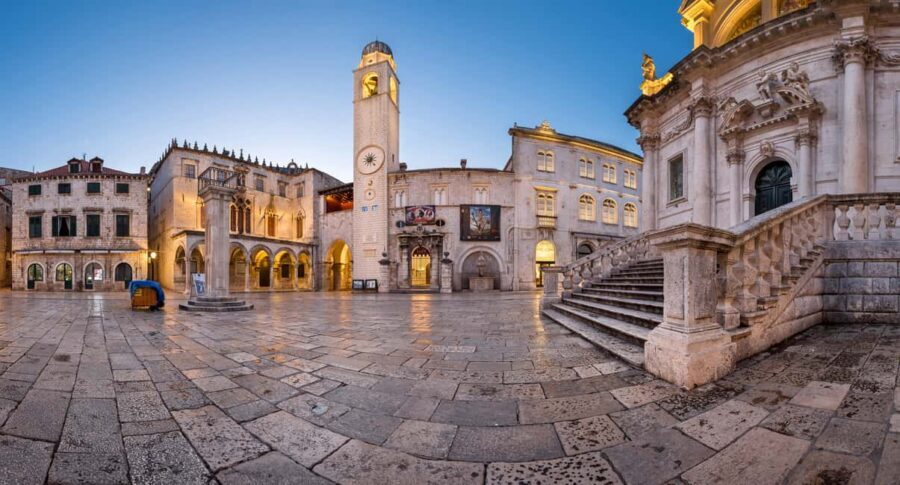
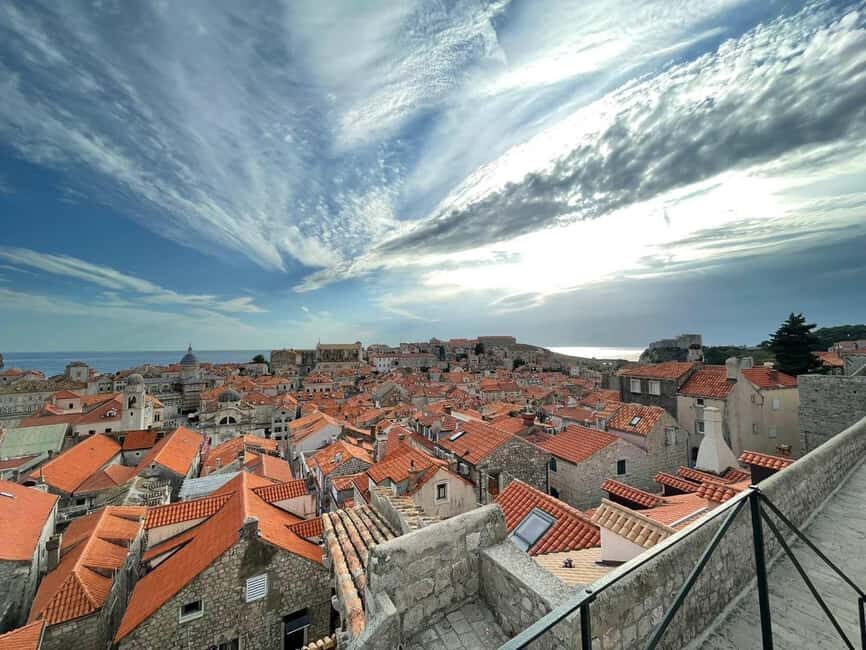
Dubrovnik looks like a postcard, but it once ran like a system. That’s the big difference in this tour. Instead of treating the streets like a backdrop, you’ll learn how Dubrovnik worked: trade, politics, religion, and everyday survival all collided right on Stradun, the Old Town’s main spine.
The tour’s central idea is simple: Dubrovnik wasn’t just surviving because it was lucky. It survived because it was organized, cautious, and strategic. You’ll hear how it leaned on diplomacy among bigger empires, and how strict laws shaped daily routines—so when you see a landmark, it’s not just scenery. You start to understand why the city was built and arranged the way it was.
You can also read our reviews of more walking tours in Dubrovnik
Where the walk starts near Pile (and why it matters)
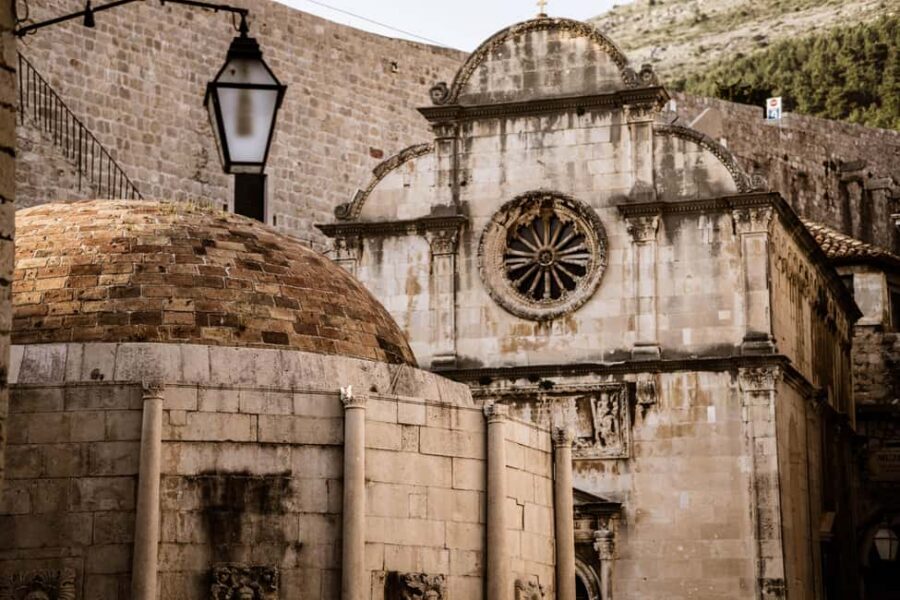
You meet at Brsalje ul. 10, right between the Hilton Hotel and Restaurant Silk—under the Hilton and above the street, near Pile square. It’s close enough to the Old Town that you don’t waste time figuring out where to begin, but it still sets you up to walk in smoothly.
Because the tour is private, you’ll get a clear start and easy momentum from the first minutes. That matters in Dubrovnik, where the center can feel crowded and confusing fast. A good start point helps you get your bearings fast and makes the rest of the walk feel less like you’re rushing to catch up.
West Harbour: your first taste of Dubrovnik’s money story
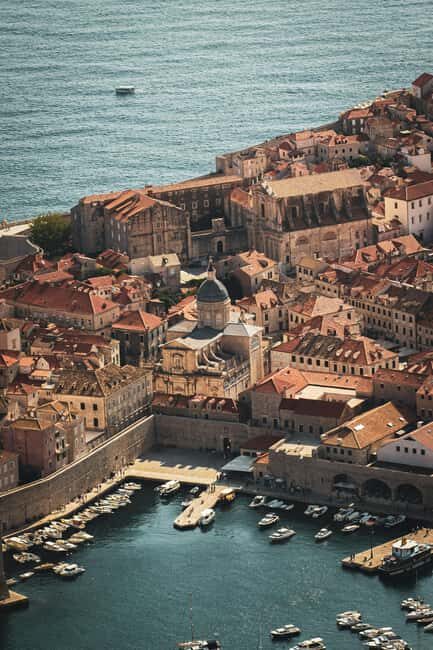
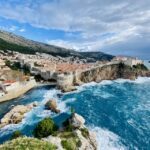
The tour kicks off with a stop by the Dubrovnik West Harbour. Expect a quick photo moment and guided context. The point here isn’t the view alone—it’s the city’s relationship to the sea.
Dubrovnik’s prosperity didn’t come from one lucky trade. It came from reliable systems and practical choices—how wealth moved, how people worked, and how the republic guarded its advantage. Starting at the harbour gives you that economic frame early, so later landmarks feel connected instead of random.
Stradun and Onofrio’s Fountain: water, trade, and the city’s spine
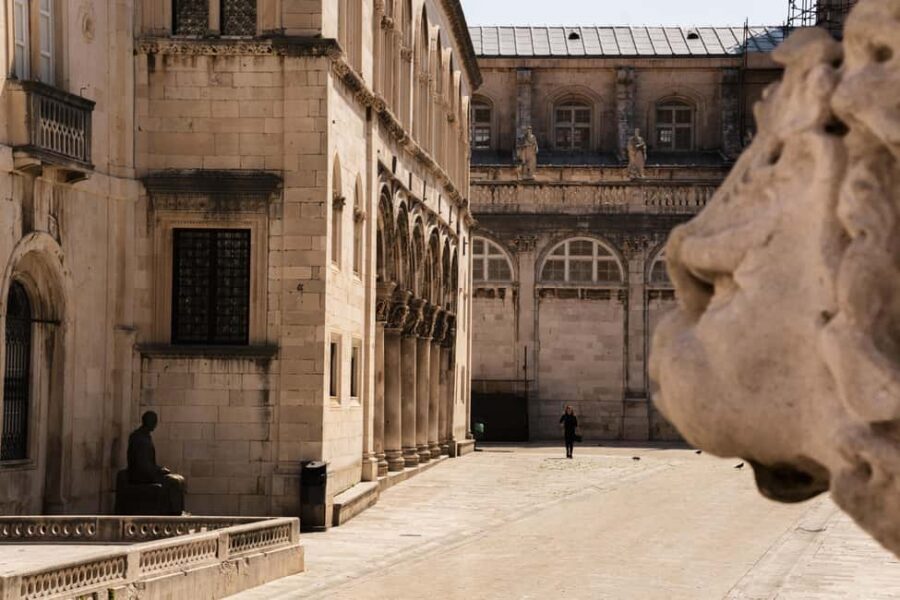
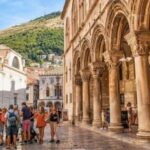
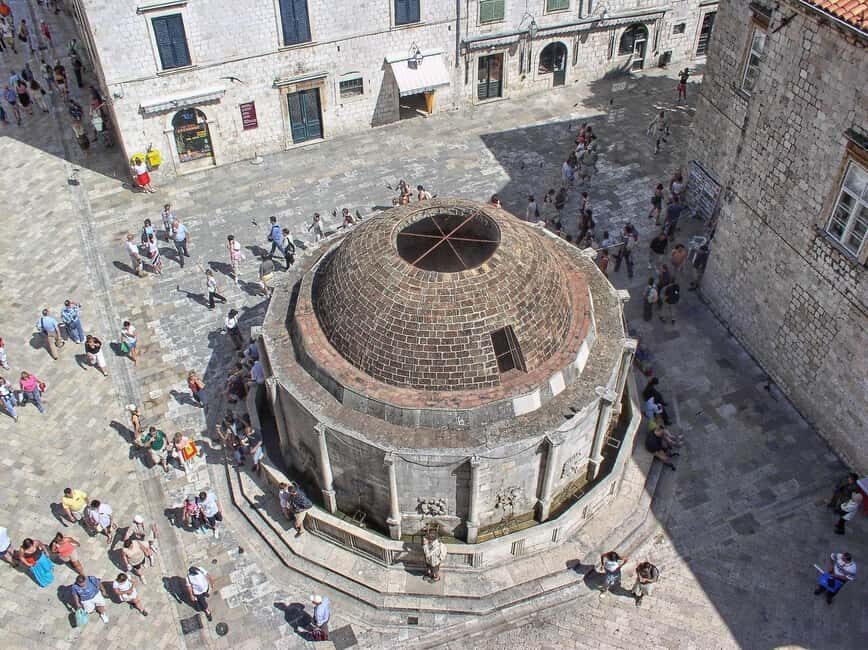
Next up is Stradun, the famous main street where most of the action used to run. You’ll hear how this “spine” brought together everyday life and formal power: trade, politics, religion, and the stuff people needed just to get through the day.
Right there, you’ll also meet Onofrio’s Fountain. The guide uses it as a perfect jumping-off point: fresh water wasn’t a small convenience. It was survival. When you understand that, the fountain stops being just an attractive stop and becomes part of the city’s real engineering and priorities.
If you’re the kind of traveler who likes to connect places to human needs, this is one of the smartest early moments. You start seeing how infrastructure and law overlap in a place that looks purely decorative from the outside.
Franciscan Monastery: faith and daily structure
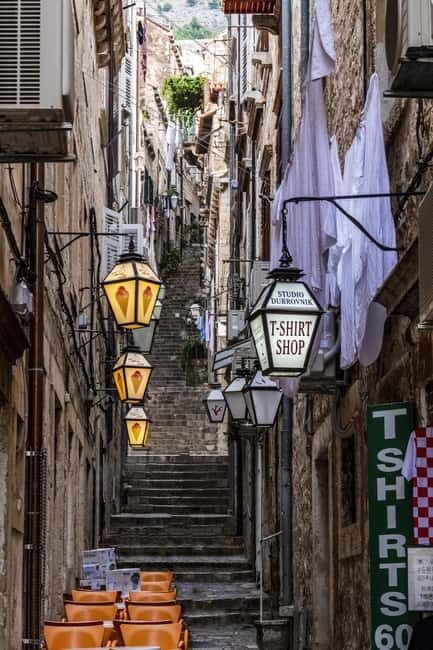
Then the route shifts to the Franciscan church and monastery area. The tour approach here is to show how religion wasn’t tucked away in the background. It shaped the rhythm of public life and helped organize how people understood health, order, and behavior.
Even if you don’t consider yourself a “church person,” you’ll get the practical angle: how institutions worked, how communities organized themselves, and why sacred spaces sat inside the city’s working logic—not off in some separate world.
This is a good stop for slow-down moments too. The guide often points out small cues you’d otherwise miss, especially when explaining what the city expected from people and why.
You can also read our reviews of more private tours in Dubrovnik



House of Marin Držić: culture inside the civic story
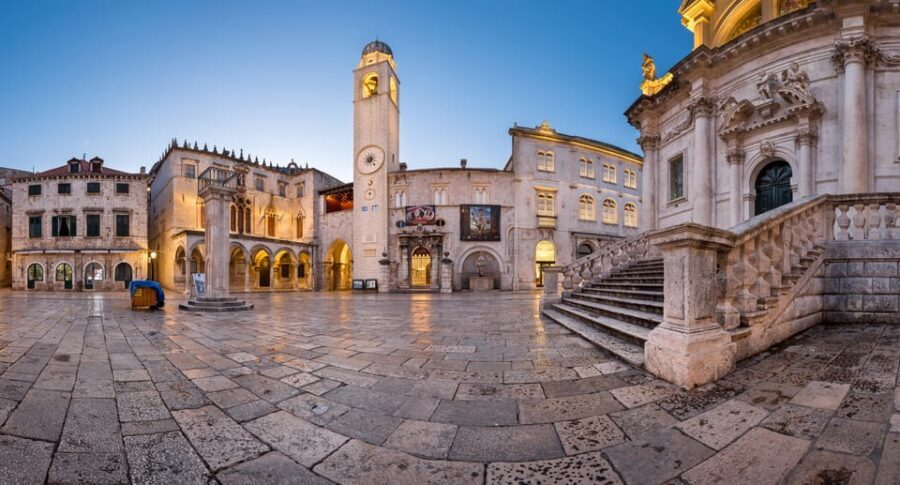
You’ll pass by the House of Marin Držić for a photo stop and a guided explanation. This kind of stop is valuable because it broadens the tour away from government buildings only.
Dubrovnik wasn’t only laws and councils. It had people, ideas, and cultural life tied to the republic. Seeing a personal house landmark in the middle of a political narrative helps you remember the city was made of ordinary spaces, not just grand institutions.
The guide’s style is to make these points feel natural, so it doesn’t turn into a lecture. You get context, then the walking continues.
Rector’s Palace: where power got specific
The Rector’s Palace is one of the tour’s core anchors. Here, the focus is governance—how the city ran day to day, and how strict rules weren’t abstract. They were part of how the city protected itself.
You’ll also hear why diplomacy mattered. Dubrovnik didn’t just negotiate because it sounded polite. It negotiated because it had to survive among forces far stronger than itself. In other words, the leadership role wasn’t just ceremonial—it was a job built on strategy.
If you’ve ever wondered why a place can look formal yet still feel lived-in, this is the stop that answers it. The city’s layout and institutions reflect how the republic tried to stay stable.
Church of Saint Blaise and Orlando’s Column: identity and justice
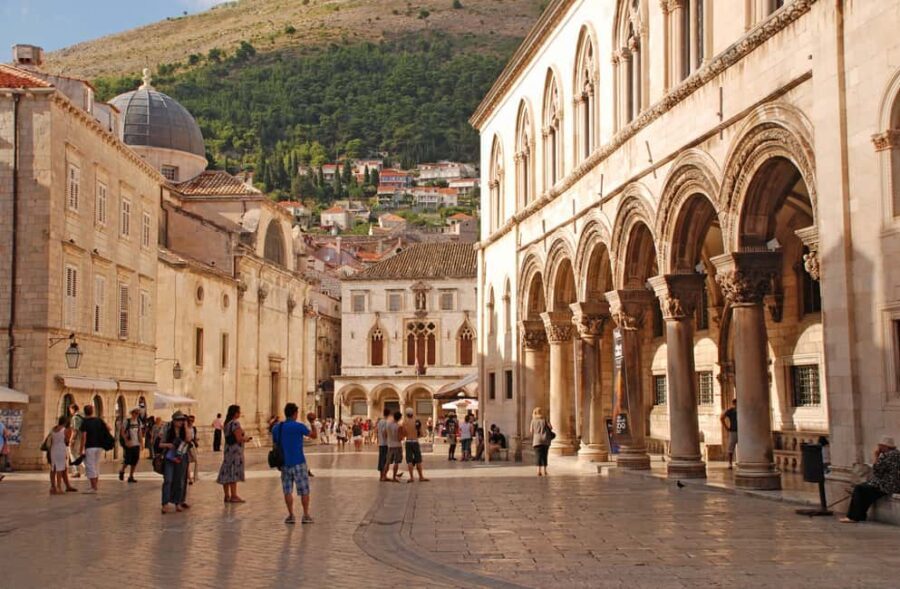
Next come two stops that deepen the theme: Church of Saint Blaise and Orlando’s Column.
Saint Blaise is part of the story because faith and public identity were braided into the city’s worldview. The guide uses it to help you see the relationship between civic life and religion—how people made sense of authority and community.
Then you reach Orlando’s Column, which is also where the tour includes a short break. Orlando’s Column is treated as a symbol of civic power and justice. What I like here is the way the guide explains the city as a set of expectations—rules governing behavior, trade, and the limits of what people could do without consequences.
The break is useful. Dubrovnik can tire you out quickly with stone steps, uneven surfaces, and heat. Getting a moment to reset means you’ll still be paying attention later, especially at the harbour finale.
Sponza Palace: where commerce meets government
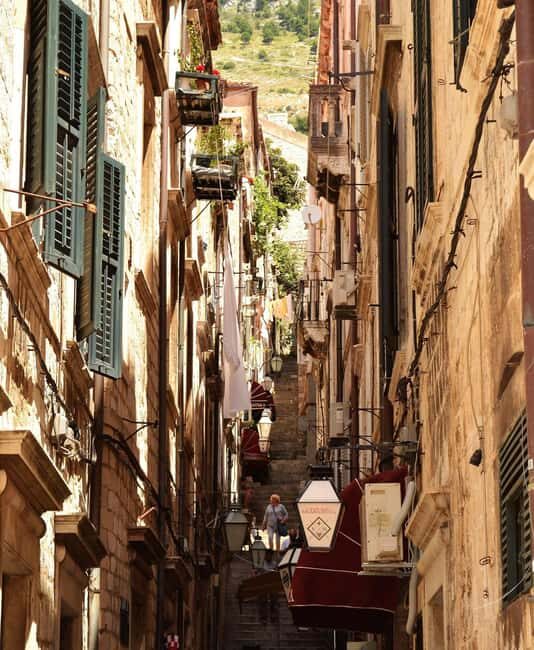
Sponza Palace is the next major stop, with guided sightseeing and a focus on the city’s functional side. This is where you start connecting the dots between commerce and administration.
The tour’s promise—understanding the city beyond its looks—really shows at a place like Sponza. You’ll learn how trade mattered so much that the city organized it through visible, central spaces. It’s not just “old building beautiful.” It’s “this is how the republic handled business and public life.”
If you like city planning and how power expresses itself in architecture, this stop will feel satisfying.
The short in-between walk: where hidden rules show up
There’s a short segment in the middle of the walk where you move along and keep sight connections going (the tour includes a walk, sightseeing, and guided commentary). This is where you’ll likely notice the real art of the experience.
You’ll step into narrow side streets most people rush past. The guide uses those streets to point out small details—things carved into stone, and the idea that Dubrovnik had rules about silence, trade, and power. You start realizing the city’s order wasn’t only written in official buildings. It was also built into everyday movement.
It’s also a nice reminder that “Old Town” is not just a single perfect street. It’s a network.
Revelin and Cathedral: fortification views and the public center of faith
Then the tour turns toward Revelin. Expect photo opportunities and a scenic viewpoints moment on the way. The angle from here helps you see how the city protected itself and how the defensive mindset mixed with daily life.
Revelin is a great stop for the “survive among bigger empires” theme. You’ll learn how Dubrovnik’s cleverness wasn’t only in diplomacy. It was also in how it prepared to protect what it had.
After that, you’ll reach Dubrovnik Cathedral for guided sightseeing. The tour uses the cathedral to reinforce the religious layer of city life—how faith sat at the heart of identity and community. It’s not just about what the building looks like; it’s about what roles it played for people inside the republic.
Old Harbour finale: why the wealth mattered
The walk ends near the Old Harbour, with another photo moment and final guided explanation. This is where the tour’s main storyline comes together.
By this point, you’ve heard how laws shaped daily behavior, why water and organization mattered, and how religion and public identity were connected. Now you see the location where wealth moved out into the Mediterranean.
That’s a powerful ending because it gives the city a cause-and-effect feel. You’re not just collecting landmarks—you’re understanding the republic’s engine.
Price and value: what $47 buys you in Dubrovnik
At $47 per person for 90 minutes, this is priced like a private-focused walking tour. The best value isn’t the price alone. It’s what you get for it: a private experience with pacing controlled by you.
Compared with bargain group tours, you’re paying for time with a guide who can adjust. That matters in Dubrovnik because the difference between “seeing” and “understanding” depends heavily on context and the ability to ask follow-up questions.
Also, this tour includes no entrance tickets or additional costs. So you’re not likely to get surprised by extra fees midway through. One small note: water isn’t included, so if it’s hot (and it usually is at least some part of the season), you’ll want to bring your own.
If you’re traveling with kids, or you want something that feels manageable (not exhausting), private pacing helps a lot. And with Edi’s track record for keeping adults and children engaged, this is a practical choice rather than a purely academic one.
Who should book this (and who might not need it)
This tour is a strong match if you:
- want the UNESCO Old Town story but don’t want it to be only a photo sweep
- like political history told through real places and daily life
- enjoy a guide who can make the city fun, not dry
- want local advice afterward (restaurant ideas came up in guide feedback)
It might be less ideal if you want a long wall-walking session, beach time, or a full-day museum schedule. This is a focused “how the city worked” walk. You’ll get a lot of insight fast, but you’ll still be choosing what you don’t cover.
The guide makes the difference: Edi’s style
The consistent theme around the experience is the guide’s ability to hold attention and connect details into a clear story. Edi is described as warm and professional, with a sense of humor that makes the historical facts easier to absorb.
I especially like how Edi’s explanations connect modern pop culture—like Game of Thrones—with the real political and survival challenges of the republic. That kind of bridge helps you enjoy the story even if you came for Dubrovnik’s movie fame first.
And because it’s private, the guide can tailor where you spend time. If you’re more into law, or more into everyday life, the pace can shift.
Should you book Dubrovnik’s Private History Walk?
I think you should book it if you want Dubrovnik to feel like more than stone streets. This tour gives you structure: diplomacy, rules, survival, and the way the republic’s mindset shaped what you see.
Skip it if your ideal day is mostly independent wandering and big-site checklists. You can still enjoy the Old Town without a guide, but you’ll be missing the “why” that turns landmarks into meaning.
Best decision tip: if you have limited time—only a day or two in Dubrovnik—this is a smart first activity. It helps the rest of your wandering make sense.
FAQ
How long is the Dubrovnik Private History Walk Through the Old Town?
It lasts 90 minutes.
Is this a private tour?
Yes. It’s a private group experience.
Where is the meeting point?
You meet at Brsalje ul. 10, 20 000 Dubrovnik, located between the Hilton Hotel and Restaurant Silk, directly under the Hilton and above the street near Pile square.
Are entrance tickets included?
No entrance tickets are included, and there are no additional costs associated with the tour.
What languages is the live guide available in?
The tour is offered in English and Croatian.
Is water included?
No. Water or a refreshing drink is not included, so you may want to bring your own.