REVIEW · DUBROVNIK
Early Bird Dubrovnik History Tour – 7:30 Start
Book on Viator →Operated by Experience Dubrovnik · Bookable on Viator
Dubrovnik looks different before the cruise boats wake up. This early-morning history walk is built for fewer crowds and better photos, with a local guide helping you understand the city’s layout as you go.
I especially like two things: you get a guided sense of where everything sits early (so your later self-guided wandering makes sense), and you spend real time on classic viewpoints like Pile Gate and Stradun before the promenade fills in. One thing to consider: it is a walking tour, so you’ll want comfy shoes and some patience with a relaxed pace if your group has lots of questions.
In This Review
- Quick Highlights
- Why the 7:30 Start Changes Everything in Old Town
- Meeting at Brsalje ul. 2 and Getting Oriented Fast
- Amerling Fontana Stop: Your Mental Map Starts Here
- Lovrjenac Fortress Area Near Pile Gate: Walls, Bay Views, and Maritime Clues
- Prijeko Street: Lesser-Known Alleys, Quiet Squares, and Insider Tips
- Pile Gate Finish Point: A Smart Landing Spot for More Exploring
- Stradun: The Main Promenade at the Right Time
- Guides Make or Break It: From Orientation to 1990s History
- Timing, Pace, and Group Size: What Your Day Feels Like
- Price and Value: Why $24.20 Can Make Your Day Easier
- Who This Tour Fits Best (and Who Might Skip It)
- FAQ
- What time does the Early Bird Dubrovnik History Tour start?
- How long is the tour?
- Where does the tour start and end?
- Is the tour offered in English?
- How big is the group?
- Are there any admission tickets included for the stops?
- What happens if the weather is poor?
- Final Call: Should You Book This Early Bird Tour?
Quick Highlights
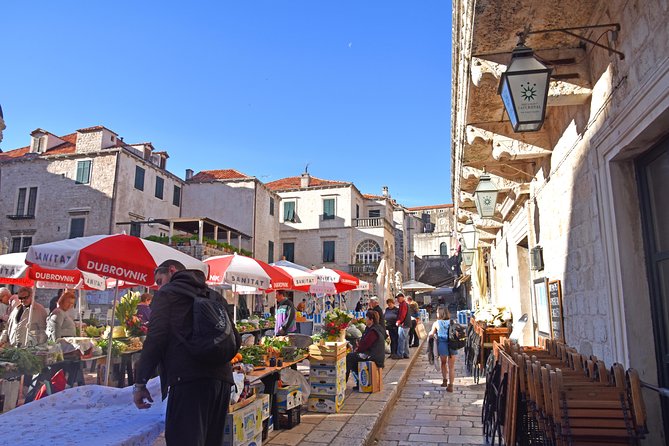
- 7:30 start for cooler temps and calmer streets, plus easier photo angles
- Small-group feel (up to 30), with enough space to actually hear your guide
- Orientation through Old Town streets, including lesser-known alleys around Prijeko
- Fortification-focused views near Pile Gate, with context for Dubrovnik’s walls and maritime story
- Stradun promenade at first light, so you see the main streets before the rush
- Multiple local guide perspectives, including sensitive coverage of the 1990s war history
Why the 7:30 Start Changes Everything in Old Town
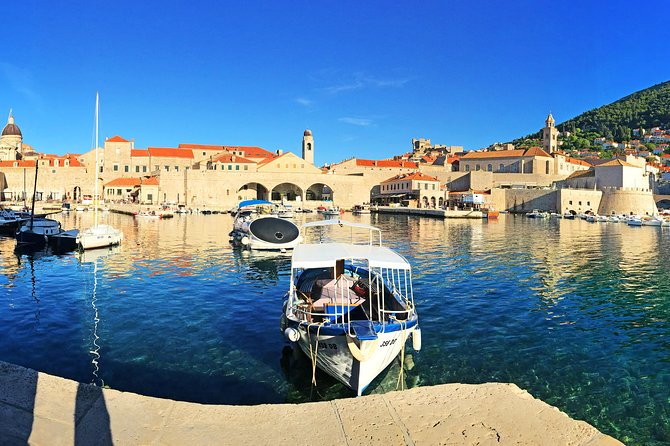
If you only see Dubrovnik at midday, Old Town can feel like a loud checklist. Start earlier, and the whole place breathes. The Early Bird Dubrovnik History Tour is timed for the moment when the city is still waking up, which means you get better light for photos and more breathing room on the streets.
That early timing also matters for your confidence. Dubrovnik’s Old Town can be confusing on day one because streets curve, stairways appear suddenly, and the walls shape where you can walk. This tour gives you a mental map quickly, so when you’re later exploring on your own, you’re not guessing every turn.
One more smart detail: the tour is described as meeting near public transportation. That helps a lot if your lodging is outside Old Town’s walls, because you can get there without a complicated plan.
You can also read our reviews of more tours and experiences in Dubrovnik.



Meeting at Brsalje ul. 2 and Getting Oriented Fast
The tour starts at Brsalje ul. 2, 20000 Dubrovnik, with the walk ending inside the Old Town near Pile Gate. That end point is practical: it drops you close to the heart of the pedestrian zone, so you can keep going right after the tour.
The opening moments set the tone. You meet your guide at the first stop, Amerling Fontana, where you get a brief intro to Dubrovnik’s history and layout. Think of this as the framework. Once you understand how the city’s parts connect, later streets stop feeling random and start feeling intentional.
You’ll also notice the group size ceiling—maximum 30. In practice, some departures can feel small, which improves the experience immediately. When a group is compact, it’s easier to ask questions, hear stories clearly, and keep moving without long bottlenecks.
Amerling Fontana Stop: Your Mental Map Starts Here
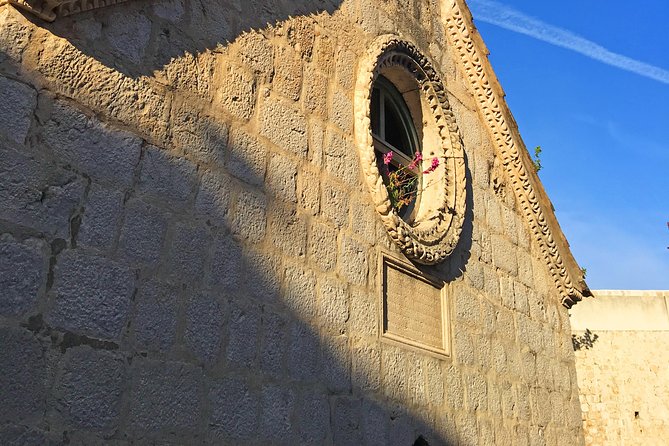
Amerling Fontana is short and sweet—about 10 minutes. But that’s exactly what you want at the start. You don’t need a long lecture outdoors. You need the basics: how Dubrovnik’s geography and fortifications influence daily movement and where key areas fit together.
This first stop is also your opportunity to spot what you’ll be looking for later. When you return to similar buildings and streets later that day, you’ll recognize details you would otherwise miss. Guides also tend to set expectations at this point, including how to read the Old Town’s street patterns and why certain views matter.
If your first priority is history with context instead of trivia, this opener is a good match. It keeps you grounded while the walk gradually turns into a tour of specific neighborhoods and viewpoints.
Lovrjenac Fortress Area Near Pile Gate: Walls, Bay Views, and Maritime Clues
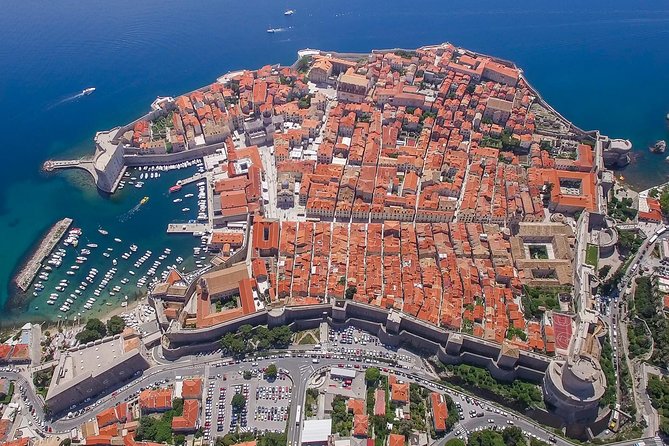
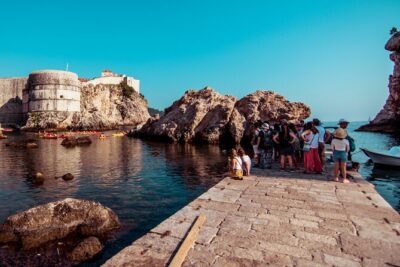
Next up is the area around Pile Gate and the bay, including Lovrjenac Fortress. This stop runs about 20 minutes, and it’s where Dubrovnik’s defensive design becomes real rather than theoretical.
You’ll explore the space around Pile Gate and look out over the nearby water and harbor area. That matters because Dubrovnik’s story isn’t only about kings and merchants—it’s also about protection. Fortress views help you understand why the walls were engineered the way they were, and why daily life inside the city worked the way it did.
A practical upside of doing this early: you’re more likely to get clear sightlines for photos before the flow of visitors thickens. One of the most common regrets in Old Town is realizing you saw the view, but you didn’t get a good photo because you waited too long.
The tour framing here also helps you connect future attractions. If you’re planning to visit the city walls afterward, this stop gives you orientation for what you’ll be climbing and looking at.
Prijeko Street: Lesser-Known Alleys, Quiet Squares, and Insider Tips
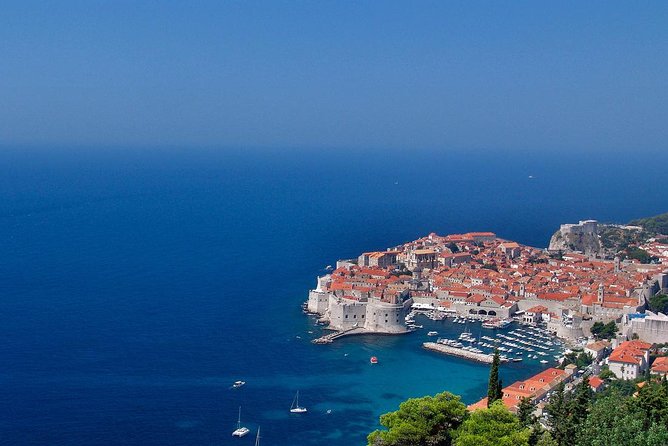
After the big-picture fortifications, the walk turns more intimate. Prijeko street is about 20 minutes and focuses on smaller details—lesser-known alleys, quiet squares, and secret-leaning viewpoints.
This is where the tour stops being only sightseeing and starts becoming a guide to how to move through Dubrovnik. You’ll hear tips about where locals go and what to watch out for during your own free time. That kind of advice is gold because Dubrovnik can be surprisingly repetitive if you only stick to the obvious lanes.
The value here is simple: Prijeko helps you experience the Old Town’s variety. You get to shift from broad defensive perspectives to human-scale streets where you can actually feel the city’s everyday texture.
Also, this is a good zone for first-day photos because side streets can remain calmer even when the main promenade gets crowded. You’re getting variety without needing to detour far from the route.






Pile Gate Finish Point: A Smart Landing Spot for More Exploring
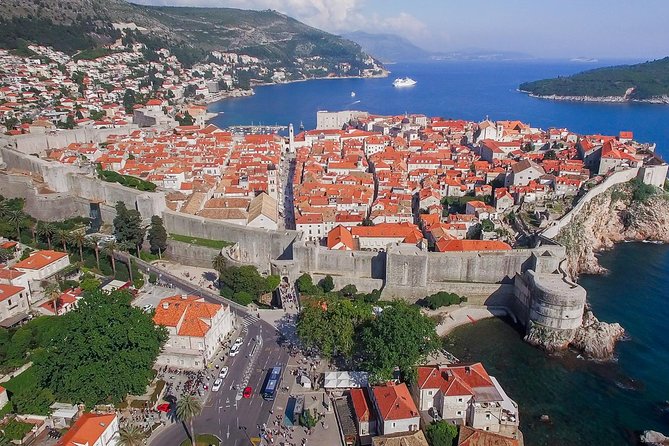
The tour concludes back at Pile Gate, around 5 minutes for the wrap-up. Ending near Pile Gate is not just convenient—it’s strategic. From there, you’re in the middle of the Old Town system, ready to choose your next move.
Some people like to pair this tour with the city walls visit. If you’ve already planned wall time, finishing near Pile Gate makes it easier to keep that momentum. One guest even noted that a Dubrovnik Pass helped with both wall access and bus rides, which can be useful when you’re moving between Old Town and places beyond the walls.
If you don’t plan the walls that day, you can still use the stop-to-stop orientation you gained. You’ll know which streets run where and which direction leads to Stradun quickly.
Stradun: The Main Promenade at the Right Time
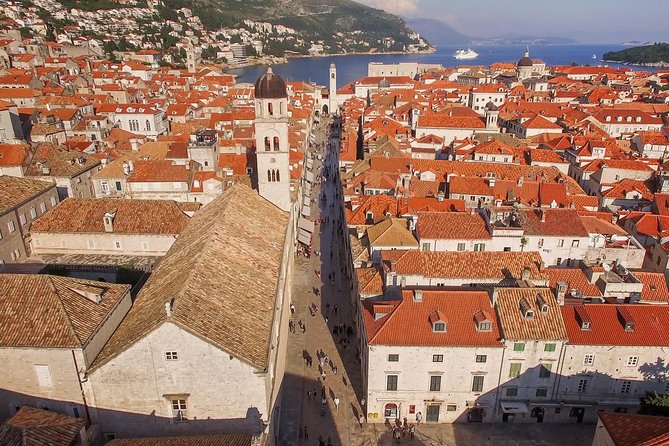
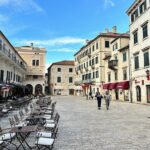
Now you get the centerpiece: Stradun, the main promenade. This section is the longest—about 40 minutes—and it’s where Dubrovnik’s iconic look becomes unavoidable in the best way.
Stradun is where you’ll walk through the main promenade and squares, plus nearby side streets. Guides typically point out architectural highlights and notable landmarks while sharing local anecdotes. This is a practical kind of storytelling, not just names and dates. It helps you connect buildings to the city’s broader life—medieval power, maritime influence, and the modern recovery that shapes what you see today.
The early start pays off here again. Even though Stradun is famous, walking it early means you can see the street pattern without constantly weaving around slow-moving crowds. You also get better photo conditions: morning light tends to make stone details pop, and shadows look more interesting than they do under midday glare.
If you want the classic Dubrovnik experience but you also want to feel in control of your day, this timing does the trick.
Guides Make or Break It: From Orientation to 1990s History
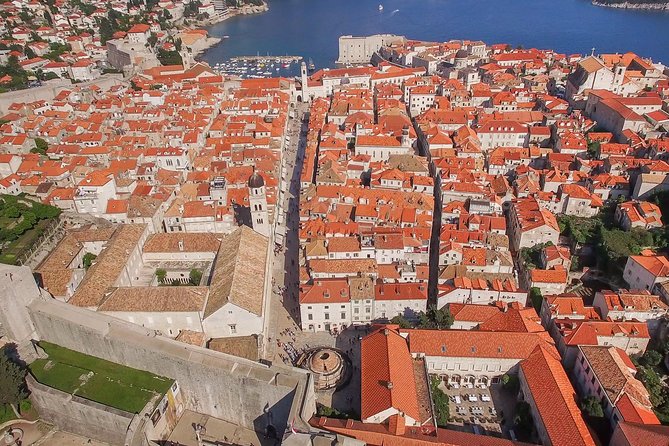
In Dubrovnik, guides aren’t just explaining buildings. They’re explaining people, survival, and rebuilding. In the reviews, multiple guides were singled out for how they handled the 1990s war history—with sensitivity and compassion, not shock-value.
You may meet guides like Daniella, who was praised for excellent, clear coverage of the 1990s war explanation. Other guides named in feedback include Mihaela, Petra, Roko, and Ivana, each described as engaging and professional in a way that keeps the stories understandable.
That matters because Dubrovnik’s modern identity is tied to that history. If your guide explains it well, you don’t just see a pretty Old Town. You understand why the city looks the way it does today and what the recovery means.
Reviews also mention personal touches—like local recommendations for coffee. I love that kind of practical bonus because it turns a history walk into a day-starter.
Timing, Pace, and Group Size: What Your Day Feels Like
The tour runs about 1 hour 40 minutes. That duration is a sweet spot for an early morning: long enough to learn the city’s layout, short enough that you still get a full day to explore afterward.
Pace matters. Several reviews praised a pace that felt relaxed and not too rushed. A couple of comments also flagged that the beginning can take longer outside the city than expected, which is worth noting if you are laser-focused on getting into the thick of Old Town quickly.
Here’s the real takeaway for you: if you want Old Town time immediately, arrive a bit early so you’re not watching the clock. Then settle into the flow—this route is structured so that orientation early makes the later walking easier.
Group size is capped at 30. That keeps it from becoming a stampede. In one account, the group was as small as five, which shows the tour can sometimes feel close to private even though it’s officially a group experience.
Price and Value: Why $24.20 Can Make Your Day Easier
At $24.20 per person, this tour sits in the budget-friendly category for guided Old Town experiences. The real value isn’t only the sightseeing. It’s what you avoid: confusion, wrong turns, and spending your first hours staring at maps instead of soaking in the city.
You also get that value even if you don’t plan big-ticket add-ons right away. By the end, you’re oriented around key spots like Pile Gate and Stradun. That alone can save time later, because you’ll know where to go for the next attraction.
Another factor is that the tour is set up for maximum practical movement. Stops are mostly free of admission fees, and you’re walking through areas where the environment itself is the attraction—streets, views, and city structure.
If you are the type who likes to know what you’re looking at, $24.20 can feel like a bargain. If you only want passive sightseeing with no context, you might prefer a self-guided audio walk. Still, even then, early timing and photo access tend to justify the cost.
Who This Tour Fits Best (and Who Might Skip It)
This experience is a strong fit if:
- You’re on a first visit and want a clear Old Town layout fast
- You care about photos and want calmer streets early
- You want a guided story that includes both medieval details and modern context
- You prefer a small-to-midsize group with room for questions
It may not be ideal if:
- You hate walking in the morning and want a no-effort schedule
- You expect every minute to be inside the Old Town core without any pre-Old-Town framing
- You have no interest in history context and just want pure wandering
For families, the tour may work well because reviews mention engagement even with teens. Just keep an eye on shoes and pacing, since it is still a walking tour.
FAQ
What time does the Early Bird Dubrovnik History Tour start?
The tour starts at 7:30.
How long is the tour?
It runs about 1 hour 40 minutes (approximately).
Where does the tour start and end?
It starts at Brsalje ul. 2, 20000 Dubrovnik and ends inside Old Town near Pile Gate.
Is the tour offered in English?
Yes, it is offered in English.
How big is the group?
The tour has a maximum of 30 travelers.
Are there any admission tickets included for the stops?
The listed stops show free admission tickets.
What happens if the weather is poor?
The tour requires good weather. If it’s canceled due to poor weather, you’ll be offered a different date or a full refund.
Final Call: Should You Book This Early Bird Tour?
Yes—book it if you want to see Dubrovnik with your brain turned on. The early start is the main advantage, and the route makes sense: fortification views near Pile Gate, quieter streets around Prijeko, then Stradun when it still feels manageable.
If you’re chasing value, the price is easier to justify than many Old Town add-ons because this tour sets you up for the rest of your day. You’ll leave knowing how to move, what to notice, and where the city’s story connects.
If you hate mornings or want a purely self-guided day, you might skip it. But for most first-time visits, this is one of those rare experiences where paying for a guide also buys you time, clarity, and better photos.