REVIEW · TROGIR
Experience Trogir with a Local Guide
Book on Viator →Operated by Emaus Tourist Guide Trogir · Bookable on Viator
Trogir reads like a living postcard. A private, English-led walk with licensed local guide turns the old stones into a place with daily rhythms, from the medieval North Gate to modern café breaks. I especially liked how the stories connect big events to small details you’d otherwise miss.
I love the stop-and-go rhythm. You’ll spend just enough time at each spot to get the meaning—then move on—so the old town stays fun instead of turning into a lecture. My favorite parts were the UNESCO football field connection and the way the walk lands in spots where locals actually pause.
One heads-up: the main indoor highlight is optional. Saint Lawrence’s Cathedral entrance is paid (6€/person), so if you want everything included, budget a little extra.
In This Review
- Key highlights you’ll care about
- Entering Trogir Through the North Gate Walls
- Narrow Streets, Patron-Saint Stories, and Why Bells Were a Big Deal
- Petar Berislavić and the Power of One Building
- A Museum That Used to Be a Noble Palace
- Kula Karmelengo: Fort of Chains, Rector Shelter, and Concert Atmosphere
- The UNESCO Football Field and Nearby St Mark Details
- Trogir Promenade: Where Locals Actually Spend Time
- Through the South Gate Photo Frame to St Nicholas Stories
- Central Square: Venice, Venetian Lions, Trials, and Old Power
- Saint Lawrence’s Cathedral: Radovan’s Portal and What You Might Pay For
- How I’d Judge the Value of This Tour Price
- Timing, Meeting Point, and a Simple Walk Plan
- Who This Tour Fits Best (and Who Might Want Something Different)
- Should You Book the Trogir Experience With a Local Guide?
- FAQ
- How long is the Trogir experience?
- What’s the price per person?
- Is this tour private or shared?
- What language is the tour offered in?
- Where do I meet the guide?
- Is the cathedral entrance included?
- Are there any other optional entrances?
- Is the tour ticket mobile?
- Is the tour accessible?
- What’s the cancellation policy?
Key highlights you’ll care about

- North Gate start: See how the medieval walls controlled access and direction.
- Patron saint and bells: Learn why these mattered to everyday life in Trogir.
- Petar Berislavić birthplace stop: A key Croatian noble figure tied directly to the town.
- Kula Karmelengo, fort of chains: Hear the Ottoman-era story; entrance is optional.
- UNESCO-protected football field: A rare use of space, plus nearby St Mark details.
- Saint Lawrence’s Cathedral options: Radovan’s portal outside; interiors and belltower cost extra.
Entering Trogir Through the North Gate Walls
Most towns in Croatia start with a church or a main square. Trogir starts with control—stone and rules. Your walk begins at the North Gate, the key entrance from medieval times, when people couldn’t just enter wherever they wanted.
As you stand near the gate, you’ll get the basic idea fast: the town was fortified with walls, and the gates mattered. That context helps you understand why Trogir feels like a carefully designed maze of streets instead of random lanes.
This is also where I like a guided walk most. Instead of staring at architecture and guessing, you’re given the function first. You’ll see the town’s logic right away, which makes the rest of the old quarter click.
You can also read our reviews of more tours and experiences in Trogir.


Narrow Streets, Patron-Saint Stories, and Why Bells Were a Big Deal
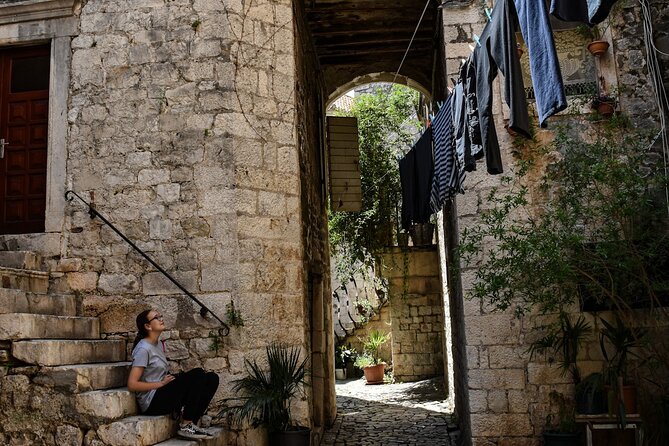
Once you move away from the gate, the town’s personality takes over. You’ll wander through narrow streets that connect back to the 3rd century BC, and the guide brings it to life with stories about who settled here first and how the town evolved.
One of the most memorable threads is the patron saint. You’ll hear why he has always been important to people in Trogir, and how religious life shaped local routines. Then comes the detail I found oddly charming: you’ll learn that bells played a significant role in daily life in the past.
That kind of detail matters because it’s not just trivia. It changes how you look at the soundscape and the building positions. Even if you don’t know a stone’s date, you’ll understand what it would have meant to stand there centuries ago.
Petar Berislavić and the Power of One Building
Your route includes a stop at the birth house of Petar Berislavić, an important Croatian nobleman tied to the story of Trogir. This is one of those moments where the guide gives you a human anchor—history as a person, not just a timeline.
The value here is simple: you stop seeing Trogir as only a postcard town. You start seeing it as a place where real influential figures were born and shaped wider events in Croatia.
If you like history with names you can remember later, this is a strong reason to book a local guide instead of doing it solo.
A Museum That Used to Be a Noble Palace
From medieval streets to a building with social power, you’ll stop at a site where the guide explains how the museum used to be a noble palace. Even if you don’t spend a long time inside, the idea is worth it: you’ll learn why that space mattered socially, and how that role fits into modern life.
This stop works well for you if you’re the type who likes to understand why a building looks the way it does. A noble palace isn’t just fancy walls—it’s politics, status, and community meetings. Hearing that background makes the old town feel more grounded and less like scenery.
It also gives your walk a natural pause. You move from street-level stories into a more focused “this mattered to people” moment.
Kula Karmelengo: Fort of Chains, Rector Shelter, and Concert Atmosphere
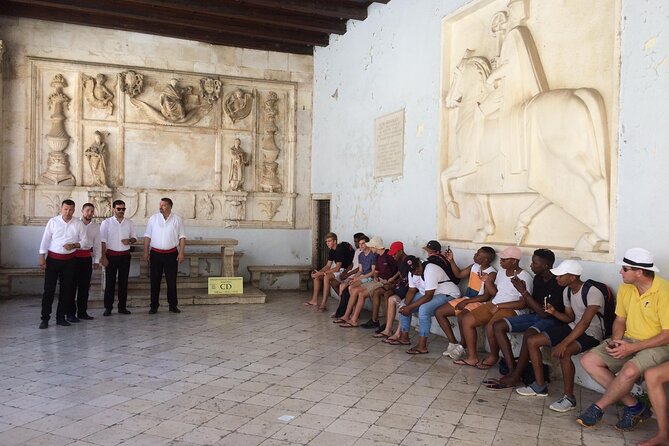
Next you’ll head to Kula Karmelengo, a fortress tied to the Ottoman invasions. The guide explains that the fortress was meant as a shelter for the town’s rector during that tense period.
You’ll also hear an older name: it was once called the fort of chains. The point isn’t just the nickname—it’s the idea that this place was built for specific pressure points in history.
Today, Kula Karmelengo serves another role. It’s a setting for summer concerts, and the fortress’s shape makes it feel like a built-in stage. Your stop includes the outside view, and entrance is optional, so you can keep the tour moving or add a little extra time if you want it.






The UNESCO Football Field and Nearby St Mark Details
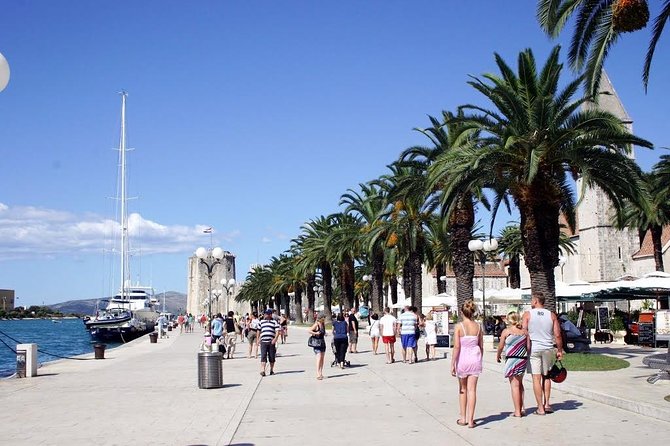
One of Trogir’s surprises is that a football field in the area is protected by UNESCO. You’ll see the place connected to the game and hear why it’s globally significant.
That’s a great tour moment for you if you’ve gotten tired of only “church and cathedral” explanations. It shows Trogir wasn’t frozen in medieval time. It kept using space, adapting it, and turning it into something the world recognizes.
From this area, you’ll also see references tied to French rule, including a gloriette dedicated to that period, plus the tower of St Mark. Even from viewpoints and exterior angles, those details help you understand which cultural layers stacked here over time.
Trogir Promenade: Where Locals Actually Spend Time
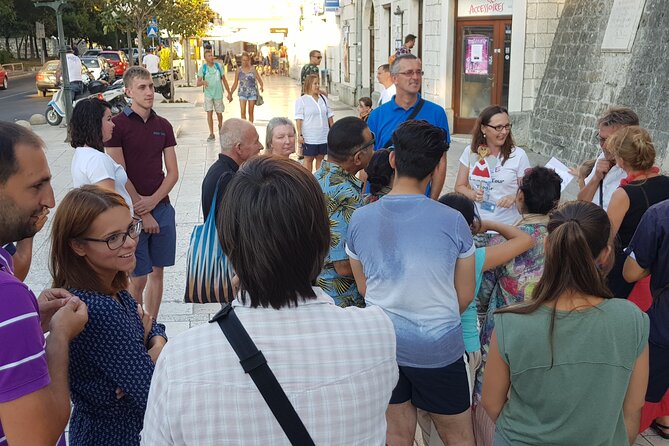
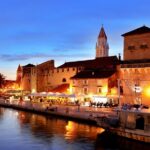
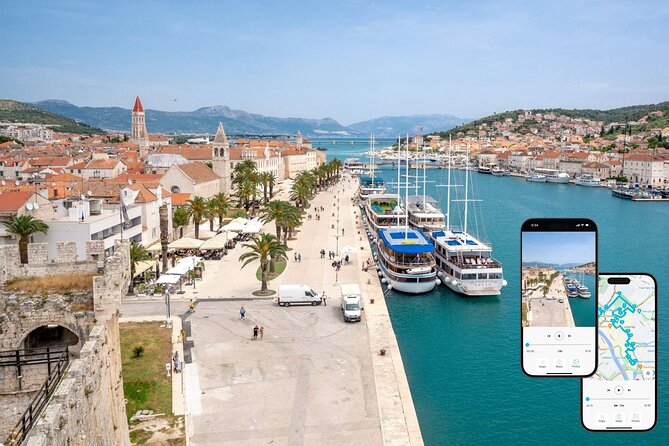
After the history-heavy stops, the walk shifts to everyday life at the Trogir Promenade. This is the center of daily routines, where both tourists and locals spend time—coffee, conversation, and a slower pace.
I like this section because it’s the “breathing room” part of the tour. After learning about gates, saints, and fortifications, you get to see the town as it functions right now.
Practical tip: use this pause to get oriented. If you plan to come back later (and you probably will), the promenade gives you a mental map for the rest of the old town.
Through the South Gate Photo Frame to St Nicholas Stories
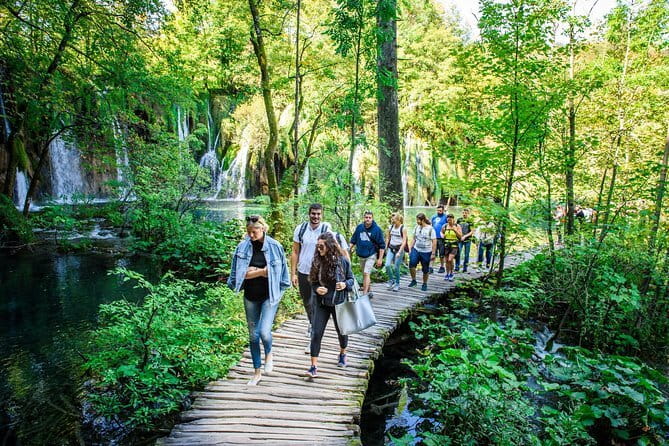
The tour then goes to the South Gate, where the original doors still exist. The gate was meant to close in the evening, so the guide’s explanations help you picture the town’s day/night boundaries.
You’ll also notice a small lodge beside the gate, used for shelter during the night. The guide points out why this area is so photogenic—the gate can act like a frame, and the colors can change depending on the time of day.
Behind the gate, the story continues with the church and the Benedictine Monastery of St Nicholas. You’ll hear about Trogir as the town of the happy moment, which adds a softer emotional layer to all the fortification talk.
This stop is short, but it’s memorable because it’s visual. You can stand in one spot and understand how daily life, defense, and religion all connect.
Central Square: Venice, Venetian Lions, Trials, and Old Power
At Central Square, the guide connects the dots between major buildings: the court, the Rector’s Palace, noble palaces, and the cathedral area all come into one view.
This is where you learn about Venetian lions, trials, and the theatre that once lived in the heart of Trogir. Rich people from the past also get mentioned here, which helps you understand why the square matters. It wasn’t only for ceremony. It was where authority showed up.
If you like walking tours that help you build a mental “center” for the town, this square does the job. After this, you’ll understand why your earlier gate stops weren’t random—they fed into the same civic and power core.
Saint Lawrence’s Cathedral: Radovan’s Portal and What You Might Pay For
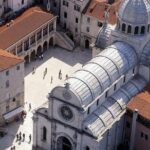
No Trogir guide walk feels complete without the cathedral. The focus lands on Saint Lawrence’s Cathedral, the most important building from the past and still important today.
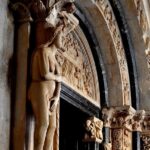
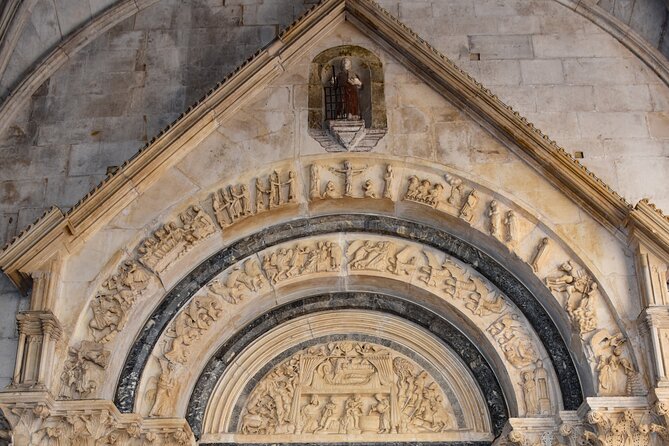
You’ll see Radovan’s portal and the magnificent belltower from outside. The guide also shares about a drawing on the cathedral wall that still amazes people, which is the kind of detail you’d miss without help.
Here’s the practical part: entrance is optional, and that costs 6€/person. If you go inside, you can see the chapel of St John and the Baptistery, and you may have the chance to climb the belltower for a view over the town.
If you’re on a tight schedule or prefer to keep costs predictable, you can still enjoy this stop. You’ll stand in front and get the key story beats without buying a ticket. If you love interiors and views, it’s worth considering the extra cost.
How I’d Judge the Value of This Tour Price
The price is $82.80 per person, and the tour runs about 1 hour 20 minutes to 2 hours. For that time, you’re not just seeing a “great hits” list—you’re getting a licensed guide with enough time to connect locations into a story.
Most stops have tickets marked as free in the tour experience, and the walk includes outside viewing for places where you may not need paid entry to get the meaning. Then you choose your level for the optional parts, like the cathedral.
You also get group discounts and a mobile ticket. And importantly, it’s private: it’s only your group. That means you can ask follow-up questions without waiting for a big group to catch up.
So if you want good value, aim to use the tour as your orientation tool. Once you understand the gates, the squares, and the cathedral’s role, you’ll be able to explore on your own with confidence.
Timing, Meeting Point, and a Simple Walk Plan
The tour starts and ends near the meeting point at Ul. Gradska vrata 6, 21220, Trogir. It finishes back at that same spot, which is convenient if you’re planning a meal or onward travel.
The experience runs during a set daily window: Monday through Saturday, 9:00 AM to 7:00 PM (within the broader seasonal dates listed). If you can, pick a time that matches what you care about most: early for easier walking and calmer streets, later if you’re specifically hoping for gate-color changes and photo-friendly light.
Because the tour is private and designed to be manageable in under two hours, it fits well even if you’re also doing beach time or an evening plan.
Who This Tour Fits Best (and Who Might Want Something Different)
This works especially well for you if you:
- want a local perspective rather than a generic guidebook route
- like history told through real places, not just dates
- enjoy short stops with clear stories you can remember later
It may be less ideal if:
- you hate paying extra for interiors (the cathedral entrance is an optional cost)
- you only want one or two big monuments and nothing else
That said, the cathedral is optional, and the fortress entrance is also optional. You can steer the cost while still getting the main story.
Should You Book the Trogir Experience With a Local Guide?
I’d book it if you want Trogir to feel like a place you understand, not just a place you pass through. This format is built for context: gates explain the town’s structure, squares explain power, and the cathedral explains why people cared.
The biggest “yes” signal is how the guide experience is described: Sandra’s approach is balanced, personal, and focused on how the city works—history and today together. You also get the bonus of seeing recognizable landmarks like the cathedral and the fortified gates, with real local details layered in.
If you’re visiting Trogir for the first time and want a smart start, this is one of the easiest ways to make your next walk through the old town feel effortless.
FAQ
How long is the Trogir experience?
It lasts about 1 hour 20 minutes to 2 hours.
What’s the price per person?
The price is $82.80 per person.
Is this tour private or shared?
It’s private. Only your group participates.
What language is the tour offered in?
It’s offered in English.
Where do I meet the guide?
The meeting point is Ul. Gradska vrata 6, 21220, Trogir, Croatia. The tour ends back at the same meeting point.
Is the cathedral entrance included?
No. Entrance to Saint Lawrence’s Cathedral is paid by the client if you choose to go in (6€/person). The entrance is optional.
Are there any other optional entrances?
Yes. The entrance to Kula Karmelengo is optional.
Is the tour ticket mobile?
Yes, a mobile ticket is included.
Is the tour accessible?
It’s pushchair accessible, and most travelers can participate. Service animals are allowed.
What’s the cancellation policy?
You can cancel for free. You must cancel at least 24 hours in advance of the experience’s start time for a full refund.