REVIEW · SPLIT
Half-Day Cetina River Rafting
Book on GetYourGuide →Operated by Adventure Dalmatia · Bookable on GetYourGuide
Rafting the Cetina feels like work and play. You get the Cetina River in a protected canyon, with grade 2 rapids and occasional grade 3 moments, plus stops where you can swim in cool, clear water. It’s the kind of half-day adrenaline that’s still built around comfort and good guidance.
What I like most is the setup and the control. First, the safety talk isn’t hand-wavy; the guides are hands-on and geared up to keep you moving safely through each rapid sequence. Second, you’re not wrestling logistics: you get organized transfer options and the trip provides the core gear, so you can focus on the river. The main drawback to consider is that food and drinks aren’t included, and while the day may include a river-bank break (and sometimes a BBQ finish), you’ll want to plan for what you’ll eat.
In This Review
- Key things that make Cetina rafting work
- Why the Cetina River canyon is the star of Dalmatia
- Price and value: what $47 really buys you
- The day’s flow: from meeting point to gearing up
- On the water: quiet stretches, then grade 2 rapids
- Swimming stops and the cold-water question (14°C to 17°C)
- The break and food reality: what to plan for at around 1 p.m.
- Who this trip fits best (and who should skip it)
- Transfer comfort: how the organized ride changes the day
- Gear checklist you’ll actually use
- The bottom line: should you book Cetina rafting with Adventure Dalmatia?
Key things that make Cetina rafting work
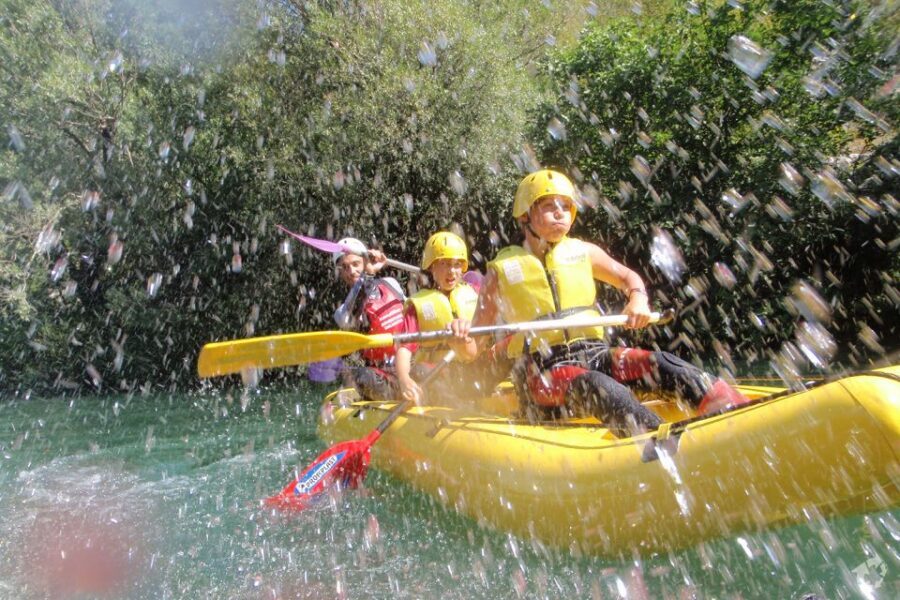
- EU-certified equipment and strict safety rules: PFDs and helmets are worn the whole time on the river.
- Grade 2 fun with grade 3 flashes: exciting, but not the white-knuckle version of rafting.
- Cold-water reality (14°C to 17°C): neoprene helps, but you’ll still feel the chill.
- Stops that break up the paddling: calmer cruising, photo moments, and swim/jump opportunities.
- Guides who manage the rapids step-by-step: they stop before tricky sections and coach you fast.
- Zadvarje area food is nearby: two small shops and restaurants with local coffee and meals if you need options.
Why the Cetina River canyon is the star of Dalmatia
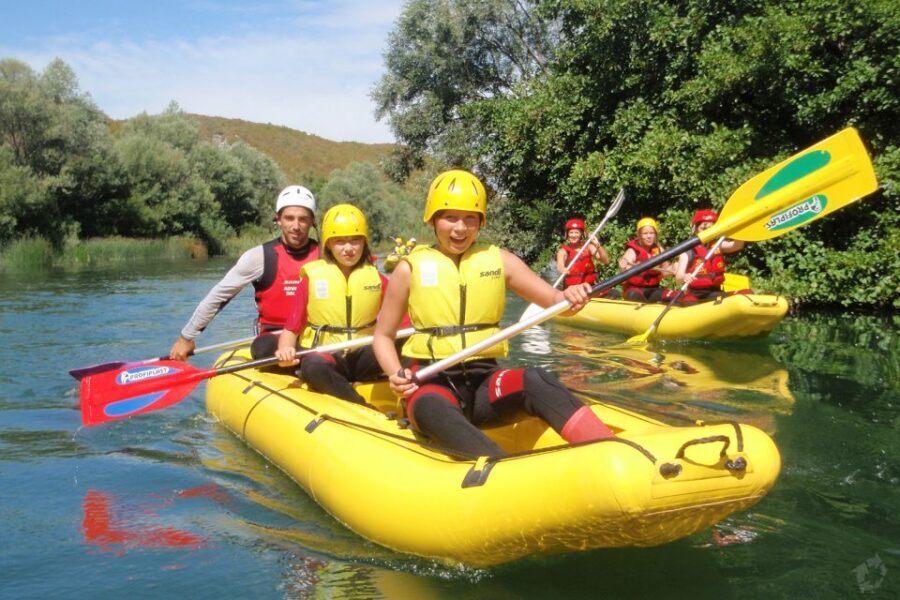
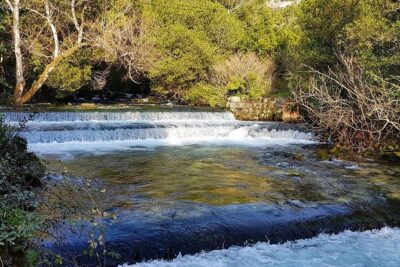
The Cetina River rafting trip is popular for a reason. The canyon sections make every turn feel scenic, even when you’re just floating. You’re on a river that’s active enough to feel like an adventure, but run in a way that keeps the day relaxed and readable.
This isn’t a rafting day that starts with you figuring things out on the fly. The trip style is about getting you kitted, briefed, and ready for the rapids on schedule, then letting the river canyon do the heavy lifting on the “wow” factor. If you’re visiting Split and want one outdoor day that feels distinctly Croatian (not just another bus-and-a-ticket tour), this hits the mark.
Another quiet win: the route isn’t all nonstop hitting. You get longer stretches of calmer water between rapid elements, so the experience works whether you’re looking for movement, photos, or a little adrenaline that doesn’t last all day.
A few more Split tours and experiences worth a look
Price and value: what $47 really buys you
At around $47 per person for a 3 to 6 hour outing, you’re paying for more than “rent-a-raft.” Your money supports a full safety-and-guidance setup.
Here’s the value breakdown that matters in real life:
- Professional instructors are included, and the guidance includes coaching on paddling and rapid approach.
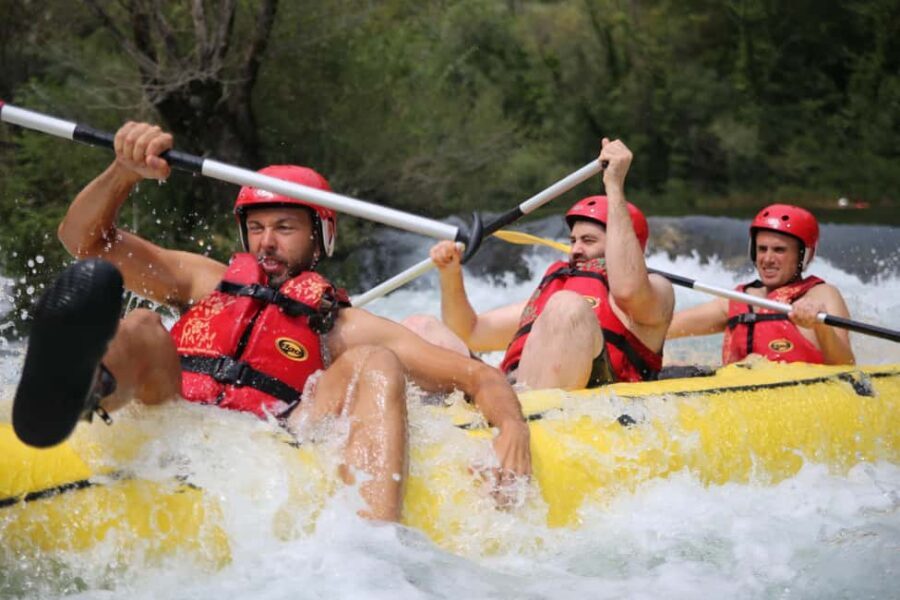
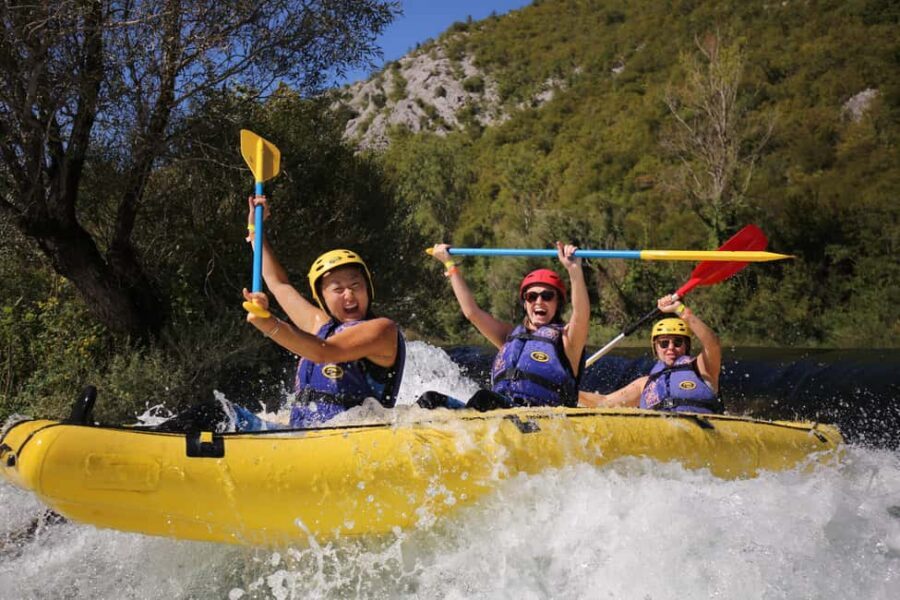
- You get full rafting essentials: inflatable boats, neoprene pants and boots, a life jacket, a helmet, and a paddle.
- Your guides are trained to professional standards. The staff is registered with the Croatian mountain rescue service, and tour leaders are IRF (International Rafting Federation) certified. Even if you never care about certifications at home, they matter here because rafting is a sport with consequences when things are sloppy.
- Transport quality gets high marks, with 86% of reviewers scoring it perfectly. If you’re in Split without a car, that matters a lot.
Food and drinks are the only obvious gap in the included value. The trip may end with a BBQ on the banks, but your booking doesn’t list meals as included, so you should treat eating as your responsibility.
The day’s flow: from meeting point to gearing up
Your meeting point may vary depending on what option you book, and that’s normal for this area. In practice, what you want to know is simple: you’ll be taken from wherever you’re meeting to the river start, then you’ll be kitted and briefed before you go.
A common detail you should plan around: you’ll get wet. One practical tip that keeps showing up in real-world experience is that there often isn’t a big, comfortable changing setup at the start. Come ready in your swimwear, and use a change of clothes and a towel only for the “after” part of your day.
Once you arrive, you’ll typically do three things in order:
- Safety talk and rapid instructions (how to handle the paddle, what to do when the raft hits choppy water, and how the guides signal you).
- Gear check: life jacket and helmet placement, then neoprene pants and boots to keep you warmer in the 14°C to 17°C water.
- A quick warm-up on calmer water so everyone gets a feel for pacing and commands.
You might meet guides with names like Joe, Marin, Damjan, Ivan, Jo, Marco, Viktor, Toni, Josip, and Damien. Regardless of the name, the pattern is the same: the staff keeps you organized and focused on safety first, then fun.
On the water: quiet stretches, then grade 2 rapids
The Cetina rafting route covers about 11,000 meters (11 km) with a total altitude change of just 45 meters. That tells you the day is about river time and experience, not climbing hikes. The overall river time is usually around three hours, with the rest of your half-day coming from getting there, gearing up, and finishing.
The rapid difficulty is the key:
- White water grade: Grade 2
- With elements of grade 3
- On a scale from 1 to 6
So what does that mean for you? Grade 2 is typically wavy, playful moving water with manageable surprises. Elements of grade 3 add short bursts of more force and intensity, but they’re not sustained all day. Guides also tend to manage risk by stopping you before the key rapid sections, then giving crisp instructions so your team knows what to do.
One big reason this trip works for first-timers: the guides don’t just point and go. They coach. You’ll see them take a moment right before rapids to get everyone aligned on technique and posture.
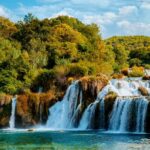
You’ll also spend meaningful time on calmer parts of the river. That’s not filler. It’s when you take in the canyon walls, point your phone at waterfalls, and breathe between the sharper sections.
Swimming stops and the cold-water question (14°C to 17°C)
This is the part people love, and it’s also where you’ll feel the most “wait, it’s Croatia in summer” surprise. The river temperature can range from 14°C to 17°C, depending on season. Even with neoprene pants and boots, you’re dealing with cold water.
The good news: you usually get a few stops where you can swim, and there are spots where the water is calm enough for quick jumps and photos. Some departures include a diving platform at a stop, so if you like jumping off something into cold water, ask your guide what’s available on your stretch.
How to stay comfortable:
- Bring a towel and keep it accessible for when you’re done.
- Pack a waterproof layer for your phone if you’re serious about photos.
- Wear proper swim footwear (not flip-flops), since you’ll be moving on rocky edges and around wet boarding points.
If you get chilly, don’t treat it as a personal failure. That’s normal with this water temperature. Your job is simply to follow the guide’s pacing and get re-warmed when you’re done swimming.


The break and food reality: what to plan for at around 1 p.m.
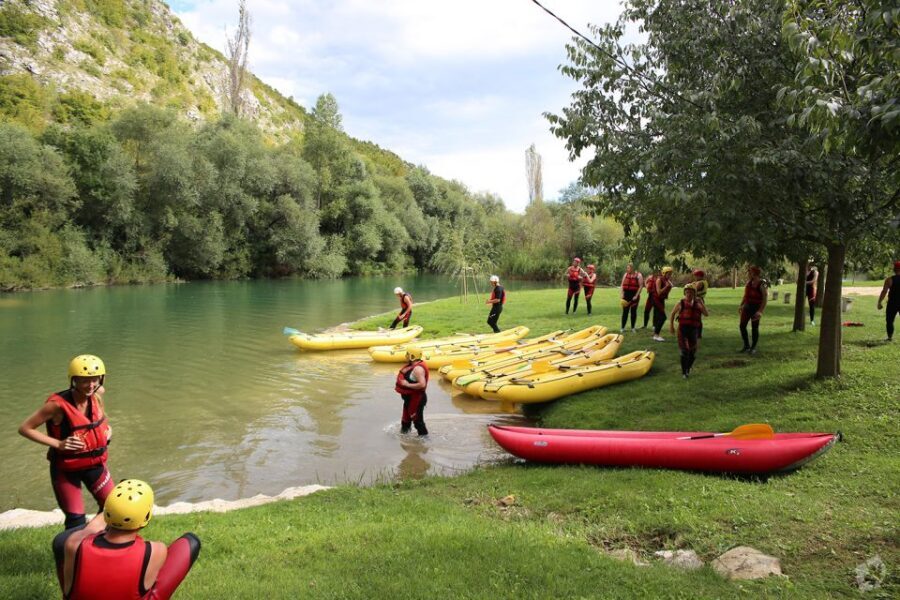
Most days include some kind of river-bank break. You may have time around early afternoon (around 1 p.m.) for swimming and a pause in the action.
Here’s the important food reality: food and drinks are not included. Even if the trip ends with a barbecue lunch on the banks, you should not assume your ticket covers everything to eat and drink during the break.
What you can do:
- Eat well before you leave Split if your option doesn’t include meals.
- Bring water with you. Water is listed under what you should bring, and it’s smart—especially if you’ll be swimming.
- If you want more than water, plan to buy something after rafting at the river area. In Zadvarje, there are two small shops and two restaurants serving local food and coffee.
One practical tip: if you’re hoping for a snack at the break, don’t bet on it. Your best move is to carry a plan for your own calories so you don’t end up “hangry in a wetsuit.”
Who this trip fits best (and who should skip it)
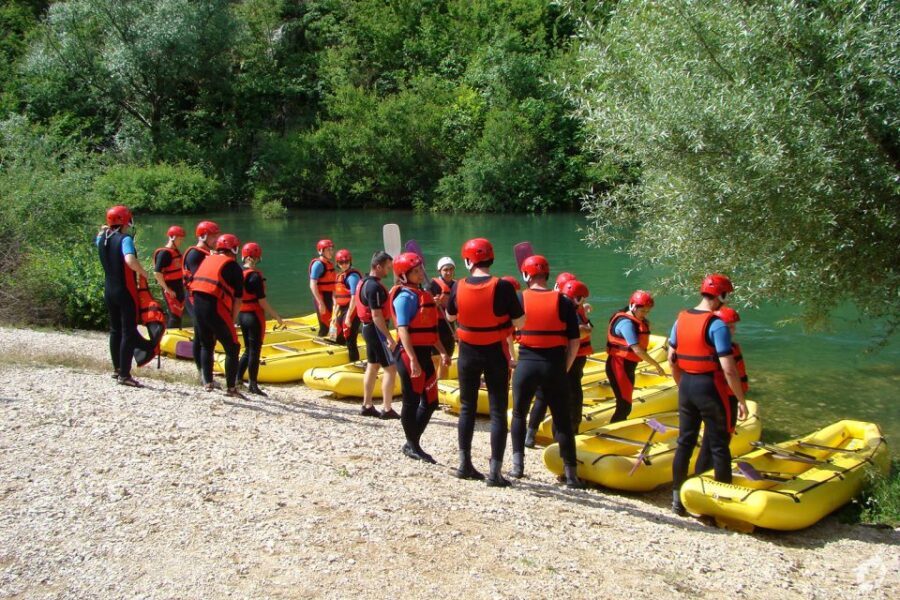
This trip is built for people who want active fun without needing serious athletic training.
It requires a minimum fitness level, and you do get calmer stretches. Still, there are clear limits:
- Not suitable for children under 8
- Not suitable for pregnant women
- Not suitable for people with back problems
- Not suitable for people with mobility impairments
So who should book it?
- First-timers who want a controlled entry into rafting
- People who like being outside for several hours and don’t mind getting wet
- Anyone who wants an easy day to pair with Split sightseeing before or after
If you’re nervous about rapids, it helps that the guides coach you before rapid sections. If you’re worried about cold, it helps that you’re provided neoprene pants and boots. You’re not being asked to tough it out with nothing.
Transfer comfort: how the organized ride changes the day
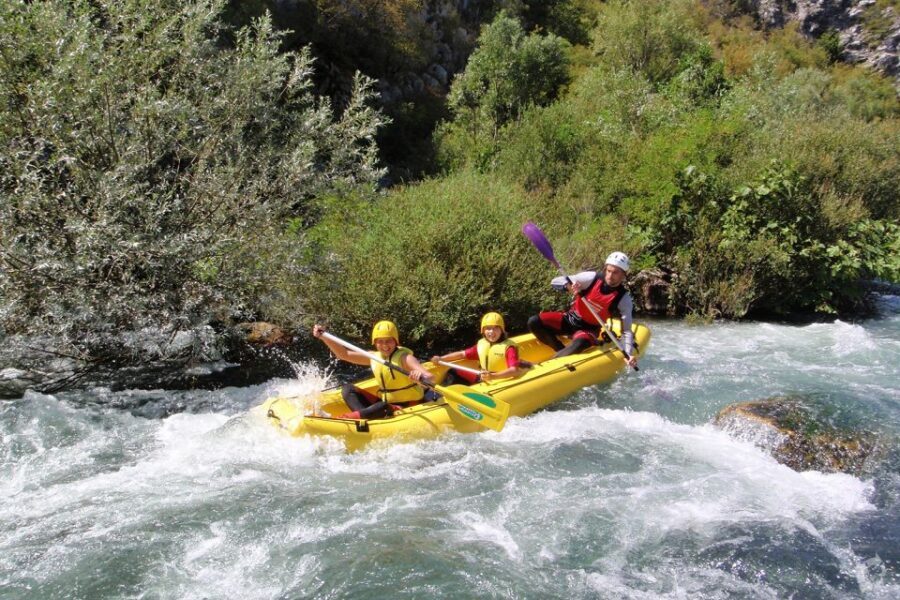
One of the quiet reasons people recommend this trip is the organized transfer. Meeting points vary, but the setup often means you don’t have to figure out rural roads, parking, or how to get back after rafting.
In real planning terms, that’s huge. Rafting days are already tiring. When transportation is handled, you save energy and time. It also makes the day safer because you’re not trying to rush from one place to another in a location you might not know.
Even if your option doesn’t include pickup from your exact door, the transport approach is part of the value. The “whole day” experience is smoother when the logistics are handled.
Gear checklist you’ll actually use
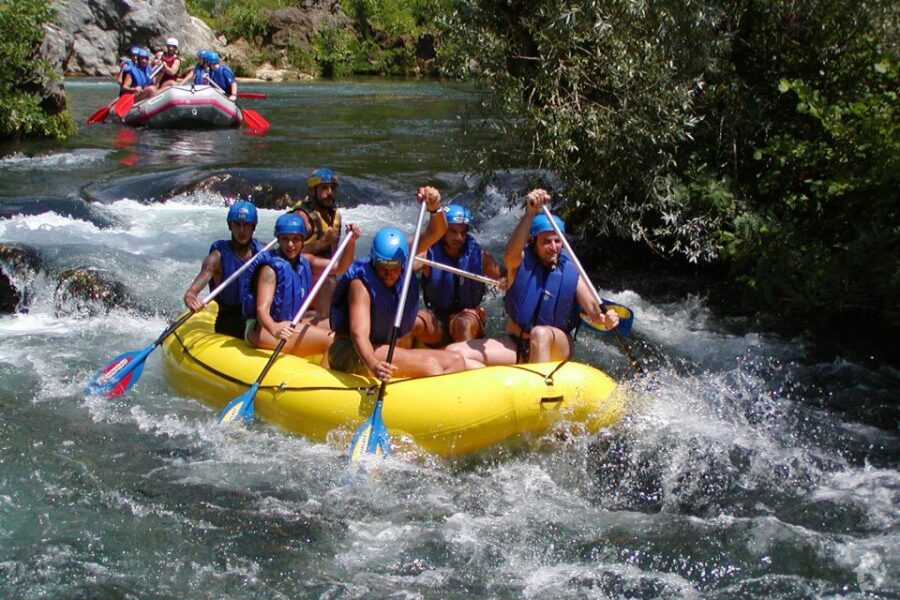
This trip lists a clear what-to-bring plan. Follow it and you’ll feel happier, faster.
Bring:
- Swimwear
- Change of clothes
- Towel
- Water
- (Footwear matters): good swim shoes or water-friendly footwear, since you’ll be moving around wet areas
Not allowed:
- Pets
- Food
That last part is worth noting if you’re the type who likes to carry snacks “just in case.” You’ll need to plan around what’s permitted and what’s available to buy when you finish.
The bottom line: should you book Cetina rafting with Adventure Dalmatia?
If you want a half-day adventure that’s fun, scenic, and run with professional safety standards, this is an easy yes. The core strengths are clear: certified guidance, EU-certified gear, and a canyon setting where grade 2 rapids plus grade 3 moments give you excitement without turning the day into a survival test.
Before you hit book, do two things:
1) Plan your food and drinks. Your ticket doesn’t include them, and that can affect your comfort during the break.
2) Be honest about cold and limits. The water is 14°C–17°C, and the trip isn’t suitable for certain conditions (especially mobility limits and pregnancy).
If that fits you, you’ll come away with one of those Dalmatia days that feels like Croatia’s outdoors, not just another stop on a checklist.