REVIEW · ROVINJ
Istria private day tour from Rovinj
Book on Viator →Operated by ExHistria · Bookable on Viator
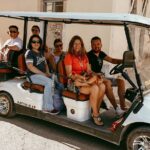
Istria looks better on your schedule. This private day tour from Rovinj is designed around your pace, with a guide who can steer the day to the places you care about most. You’re not stuck in a rigid bus loop; you get a personal car (air-conditioned minivan) plus photo stops and mini city tours along the way.
Two things I really like: first, the “choose your locations” approach. If you’d rather linger in one town or skip a climb, you can usually work it out. Second, the quality of the guiding you’ll get from people like Ziga, Denis, and Dalibor—all names that show up for delivering clear history, smart answers, and a calm, accommodating day.
One consideration: food and drinks are not included. That’s fine if you plan ahead, but it means the day can cost more than the tour price once you add lunch, tastings, and drinks.
In This Review
- Key points worth knowing before you go
- Private pace from Rovinj: how the day really works
- Poreč’s Euphrasian Basilica Complex: early Christianity in sharp detail
- Croatian spirits tasting: Biska, Teranino, and the liqueur lineup
- Grožnjan: art shops, artist history, and a view worth the detour
- Motovun photo stops: views without committing to the climb
- Pula Arena: Roman scale that still holds a crowd
- Price and value: $781.47 per group, up to 8 people
- The guide makes it: Ziga, Denis, and Dalibor in action
- What to budget for: food, drinks, and a realistic time horizon
- Who this private Istria day is best for
- Should you book this Rovinj to Istria private day tour?
- FAQ
- How long is the Istria private day tour from Rovinj?
- Is this tour private or shared with other people?
- What does the price include, and what’s not included?
- Do you pick up from my hotel in Rovinj?
- What language is the guide?
- Is free cancellation available?
- Do cruise ship passengers need to provide extra details?
Key points worth knowing before you go

- Private minivan + pickup: hotel pickup (or the closest possible stop) and drop-off back at your address.
- A truly flexible route: the day is described as 100% tailor made, so you set the pace.
- Poreč’s Euphrasian Basilica Complex: UNESCO site with unusually well-preserved early Christian structures.
- Croatian spirits tasting options: expect local favorites like Biska and Teranino, plus citrus-and-fruit liqueurs.
- Hill towns with viewpoint time: Grožnjan for art and Motovun area for dramatic photos without forcing every step.
- Pula Arena: Roman amphitheater built between 27 BC and 68 AD, still used for concerts.
Private pace from Rovinj: how the day really works
This is a private tour, so it’s just your group in the vehicle. That matters more than you’d think. You can pause for a photo without making it everyone’s problem, or you can say you’re tired and slow things down.
Pickup runs right from your hotel (or the closest possible option), and the tour starts at 9:00 am. In practice, that gives you the best chance to hit the most important stops before the crowds build and before midday heat gets annoying.
You also get a professional English-speaking guide. One detail I like here is that the day includes photo stops and “private city tours along the way.” That’s not just driving from A to B. The guide can explain what you’re seeing as you pass, and then expand when you park.
If you’re trying to travel light, bring that mindset. You’ll likely be moving between a few towns and viewpoints in one day, and it’s easier if you’ve got a small bag you can carry comfortably.
You can also read our reviews of more tours and experiences in Rovinj.
Poreč’s Euphrasian Basilica Complex: early Christianity in sharp detail
A major anchor stop is Poreč, home to the Euphrasian Basilica Complex, a UNESCO World Heritage site. What makes this place special is not only its age, but how much of the original structure is described as staying integrally preserved: the church, memorial chapel, atrium, and baptister.
You’re seeing a religious site tied to the 4th and 5th centuries, and the descriptions also point to artifacts that go even earlier, including material dating back to the 1st century. That long timeline can feel abstract until someone gives you the “what you’re looking at” map, and that’s where the guide quality really shows.
Because this tour is private and pace-driven, you can choose how much time you want in the basilica complex. If you like to read quietly and take your time, you can. If you prefer a faster walkthrough, you can move on.
A small practical note: these sites are worth wearing comfortable shoes. Even if you’re not climbing, you’ll be standing and walking around the complex area.
Croatian spirits tasting: Biska, Teranino, and the liqueur lineup
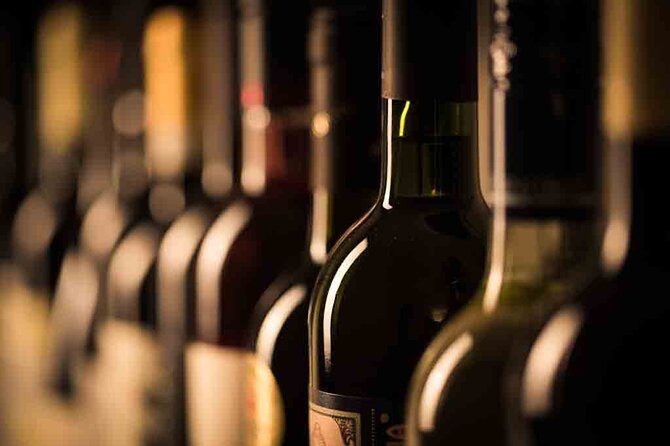
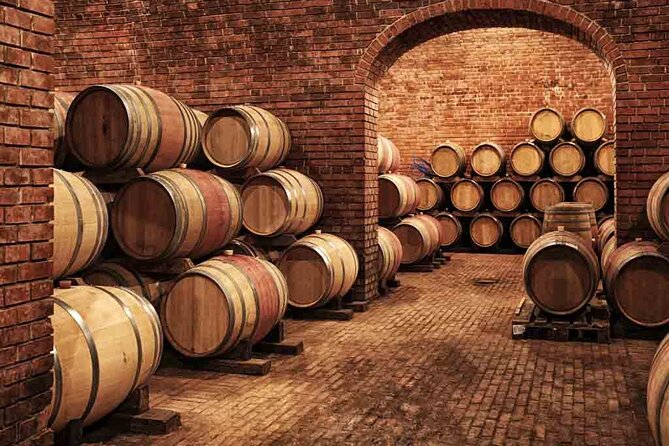
One of the most memorable parts is the Croatian spirits tasting. Instead of treating tasting like a side quest, it’s given real time and context, which makes it more than just samples on a stop list.
You may get to try classics such as:
- Biska (mistletoe brandy)
- Teranino (pomace brandy blended with local Teran red wine plus cinnamon and cloves)
- Limoncello, Mangocello, and Watermeloncello (fruit-and-citrus liqueurs linked to the region’s Italian and Venetian connections)
You might also catch a fun timing detail: during one day of the tour, the basilica bells rang at noon during the tasting. It’s the kind of moment you only notice because the day has built-in breathing room rather than a strict “next stop now” rhythm.
If you’re not a spirits person, you can still treat this as a food-and-culture break. Ask questions about what you’re tasting and why these flavors connect to Istria’s identity. A good guide will translate the local story into something you can actually taste.
Also, because the tour doesn’t include food and drinks, this part can affect your budget depending on how you handle additional beverages.
Grožnjan: art shops, artist history, and a view worth the detour
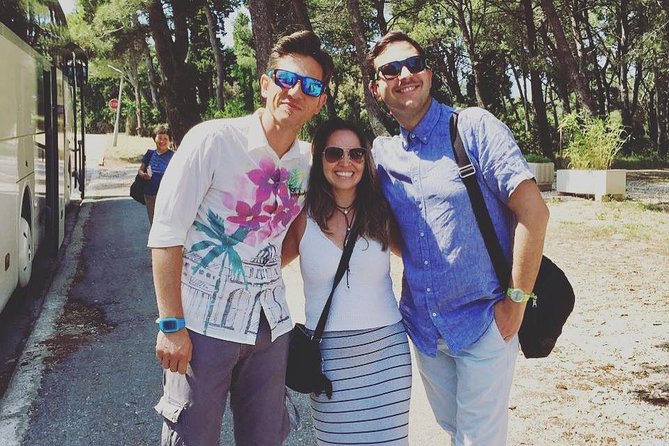
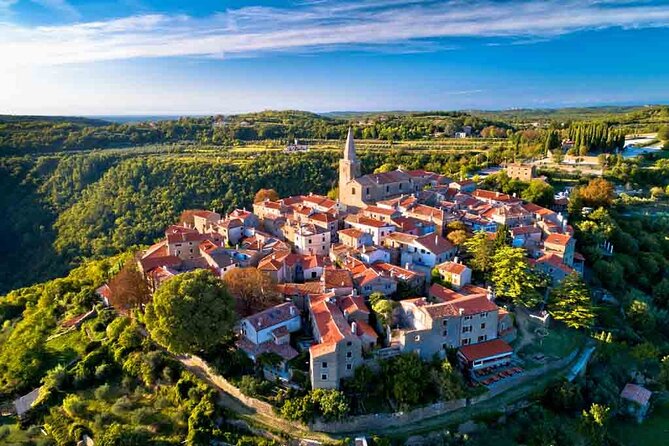
Next up is often Grožnjan, a mountaintop village known for artists and galleries. The key idea I like: after WWII, people brought new life through creativity, and the village became a kind of home base for art and music. When you walk through, it feels like a working cultural spot rather than a theme park.
In one version of the day, lunch is described as coming with one of the most spectacular views of the trip. That’s a huge win, because you’re not just getting a meal; you’re getting the “why this place exists” view that makes it feel like you drove somewhere on purpose.
Grožnjan is ideal if you like small places where you can browse at your own pace. The guide can point you toward what’s worth seeing (and which shops have better displays), but you don’t feel rushed.
If you’re prone to motion sickness, the minivan ride plus short stops usually won’t be a problem, but it’s still smart to plan a water break. It’s a long day.
Motovun photo stops: views without committing to the climb
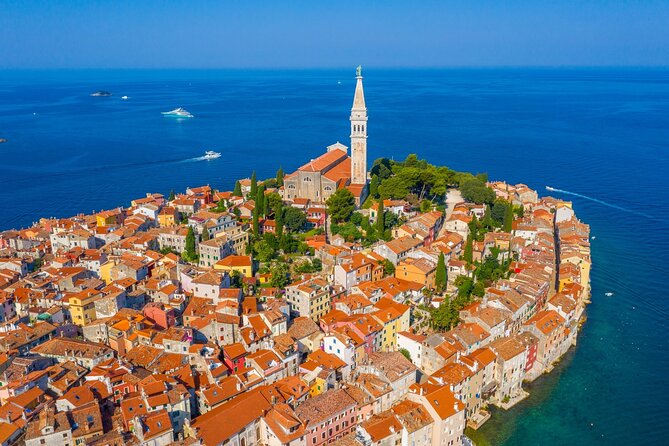
If Motovun comes into play, you might only do a photo stop rather than pushing into the town. That’s actually a smart way to handle it if you’re not in “let’s walk uphill” mode.
In one day, the group specifically didn’t want to climb up to the town, and the guide worked around that preference. That’s exactly why I think this tour style works for people who travel with real constraints, like limited mobility, knee issues, or just plain stubborn fatigue.
Motovun’s value is in the way it sits above the countryside. Even a quick stop can deliver those dramatic perspective photos. And if you do want food, the day can align with a restaurant recommendation, including one named Fazin in Motovun that was highlighted for a great meal and viewpoint.


Pula Arena: Roman scale that still holds a crowd
The final big-ticket sight is often Pula’s Arena, a Roman amphitheater built between 27 BC and 68 AD. What stands out in the descriptions is how many Roman amphitheaters are still around today: only six remain worldwide, and this one is noted as the only one with all four side towers perfectly preserved.
That kind of detail matters because it changes how you look at the building. It’s not just “a cool old structure.” It’s a specific surviving engineering project with features that are rare to see intact.
Even better, it’s still used today. The descriptions mention it hosts concerts, which means you’re seeing a place that hasn’t gone quiet. That living use gives a different energy than a ruin you only look at from the outside.
If you care about photo angles, arrive ready. You’ll want a few shots from different sides because the structure’s shape reads differently depending on where you stand.
Price and value: $781.47 per group, up to 8 people
Here’s the straightforward math: the tour is priced at $781.47 per group for up to 8 people. That can look expensive on paper until you break it down.
- If you fill the minivan close to 8 people, you’re around $98 per person.
- If it’s just 2 people, you’re around $391 per person.
- If it’s 4 people, it lands around $195 per person.
So the value comes from matching the cost to the privacy you want. If you’re a couple who wants a stress-free day with zero navigation work and a guide handling the “what do we do next” question, it can still feel fair because you’re paying for a tailored plan, pickup, and an English-speaking guide.
For solo travelers, it usually only makes strong sense if you’re comfortable paying for flexibility. The good news is that private doesn’t automatically mean “slow and boring.” A solid guide can keep the day moving with smart stop selection and pacing.
Also, this tour has a track record of being booked far in advance (an average booking time of 123 days). That usually means people plan around specific dates, and it can be a sign the best time slots go early.
The guide makes it: Ziga, Denis, and Dalibor in action

This tour’s success often comes down to the guide’s tone. Names like Ziga, Denis, and Dalibor show up in the experience details, and the common thread is how they handle information and flexibility.
Ziga is described as giving strong historical context, especially around Poreč’s basilica, and also guiding the spirits tasting with confidence. Denis is repeatedly linked to a calm, accommodating approach: answering questions, suggesting good food stops, and letting you do things on your own if you want. Dalibor is described as tailoring the route smoothly and delivering lots of practical insight into Istria’s people and history.
Even if you don’t know which guide you’ll get, you should expect the same pattern: English explanations that connect what you see to the wider story, plus the ability to adjust based on what your group likes.
That’s the real value of a private tour: you can ask a question that matters to you, and you’ll get an answer on the spot instead of hearing a one-size-fits-all script.
What to budget for: food, drinks, and a realistic time horizon
The tour includes transport, guide, pickup/drop-off, and the core sight stops. Food and drinks are not included, so you’ll need to plan for lunch and any extras during the day.
That doesn’t mean you have to spend a fortune. It does mean you should decide in advance what kind of meal you want, since the day can include lunch and a spirits tasting that may involve purchases depending on the exact setup.
Duration is listed as 7 to 8 hours. That’s a full day. It’s not a quick hit. The upside is you can cover several top Istria highlights in one trip without the hassle of driving and figuring things out.
Bring a small water bottle if you like, and wear a layer. Inland viewpoints can shift in temperature, and being comfortable keeps the day enjoyable.
Who this private Istria day is best for
I think this tour fits best if you fall into one of these groups:
- Couples or small groups who want maximum flexibility and don’t want to play transportation planner.
- People who care about a few specific Istria highlights (Poreč basilica, Pula Arena, and hill towns) and want a guide to connect the dots.
- Anyone who dislikes long bus days and prefers a quiet, controlled pace.
It can work for solo travelers too, especially if you want a guided day without juggling tickets, directions, and timing. The price is the trade-off.
Should you book this Rovinj to Istria private day tour?
Book it if you want a high-touch day: private pickup, an English guide, and a route that can adapt to your tastes, from basilica time to viewpoint stops to Roman amphitheater scale. This is a great choice when you only have one day in the region and you want it to feel organized without feeling forced.
Think twice if you’re on a tight budget or you hate spending time in a schedule that can still be full. Because food and drinks aren’t included, your total day cost depends on how you eat and how much you add at stops.
If you’re the type who likes to ask questions, adjust pace, and get your bearings quickly, this private format is a strong fit.
FAQ
How long is the Istria private day tour from Rovinj?
The duration is up to 8 hours, typically described as about 7 to 8 hours.
Is this tour private or shared with other people?
It’s private. Only your group participates.
What does the price include, and what’s not included?
Pickup and drop-off at your address, a professional English-speaking guide, photo stops, private city tours along the way, and transport by air-conditioned minivan are included. Food and drinks are not included.
Do you pick up from my hotel in Rovinj?
Yes. Pickup is offered at your hotel (or the closest possible option). Drop-off is back at your address.
What language is the guide?
The tour is offered in English. Multi-lingual guides are available on request.
Is free cancellation available?
Yes. You can cancel up to 24 hours in advance of the experience for a full refund.
Do cruise ship passengers need to provide extra details?
Yes. Cruise ship passengers must provide the ship name, docking time, disembarkation time, and re-boarding time at the time of booking.