REVIEW · PULA
Pula Roman Heritage Walking Tour
Book on Viator →Operated by Divine Croatia · Bookable on Viator
Roman Pula fits into two hours. If you want a fast, guided path through the city’s Roman highlights, this walk hits the right stops without turning into a long slog. I like that the Pula Arena is built into the plan (not just something you pass by), and I also like that you get a real Roman-history story from your guide as you move between sites.
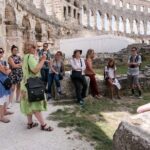
Two things I’d call out right away. First, the tour includes admission to the Arena, so you skip the ticket hassle and start learning immediately. Second, it stays small, with a maximum of 15 people, and you get a simple coffee or tea break to reset your brain before the next ruin.
One consideration: there’s no hotel pickup. You’ll meet at the Arena and walk between spots, so plan comfortable shoes and a little patience for the short walk-and-talk pace.
In This Review
- Key highlights worth planning around
- Why This 2-Hour Roman Walk Works in Pula
- Meeting at Pula Arena: Your Starting Point and First Big View
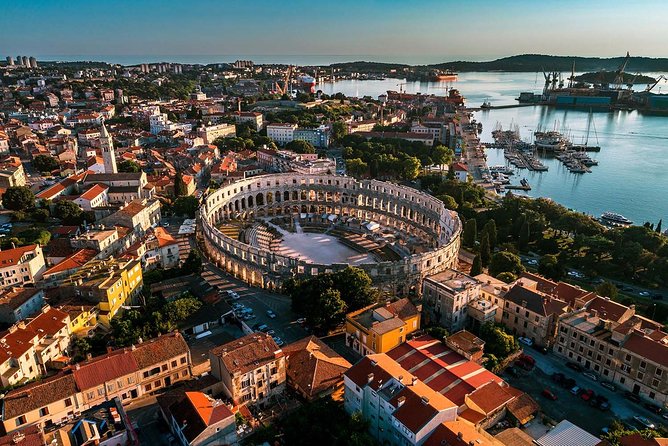
- Stop 1: Pula Arena and What Gladiator-Era Architecture Still Teaches
- Stop 2: Tempio di Augusto, Roma, and Augustus in Stone
- Stop 3: The Small Roman Theatre on the Hillside of Zaro
- The Coffee or Tea Break: Small Inclusion, Big Comfort
- How the Guide Turns Roman Ruins into a Story
- Price and What You Really Get for $107.06
- Choosing a Morning or Afternoon Tour Time
- What This Tour Is Best For (and What It Isn’t)
- Should You Book the Pula Roman Heritage Walking Tour?
- FAQ
- How long is the Pula Roman Heritage Walking Tour?
- What does the price include?
- Do I need to pay for tickets at the other stops?
- Where do I meet for the tour?
- What group size should I expect?
- Is the tour offered in English?
Key highlights worth planning around
- Arena admission included so you can focus on stories, not ticket math
- Small group size (max 15) for easier questions and a less hurried feel
- Three Roman stops in one route: Arena, Augustus, and Zaro’s hillside theatre remains
- Coffee or tea included to make the tour feel less like a checklist
- English guide with smart, on-the-ground historical context
- Mobile ticket for a smoother start at the meeting point
Why This 2-Hour Roman Walk Works in Pula
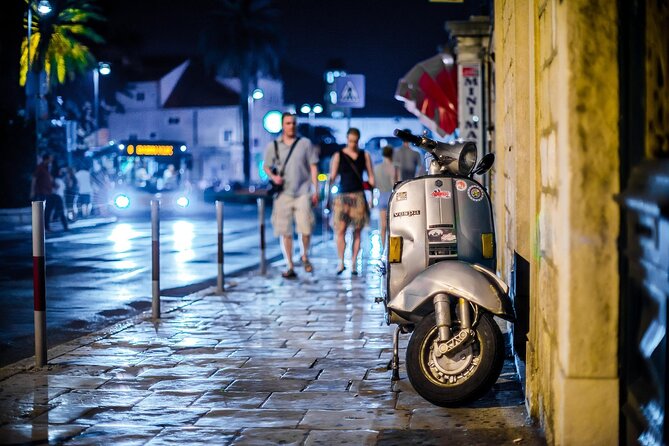
Pula can feel like it has Roman bones everywhere, but you can still waste time wandering. This tour is designed to solve that problem fast. In about two hours you get a clean route through the most important sites tied to the Roman era, with a guide who connects the dots.
I like the format because it respects your time. You’re not expected to become an archaeology student. You get the big ideas—what you’re looking at and why it mattered—then you can keep exploring the city on your own.
If you’re visiting for the first time, this is a smart way to get your bearings fast. If you already know a bit about Roman history, the guided context helps you spot details you’d miss on a solo walk.
You can also read our reviews of more tours and experiences in Pula.



Meeting at Pula Arena: Your Starting Point and First Big View
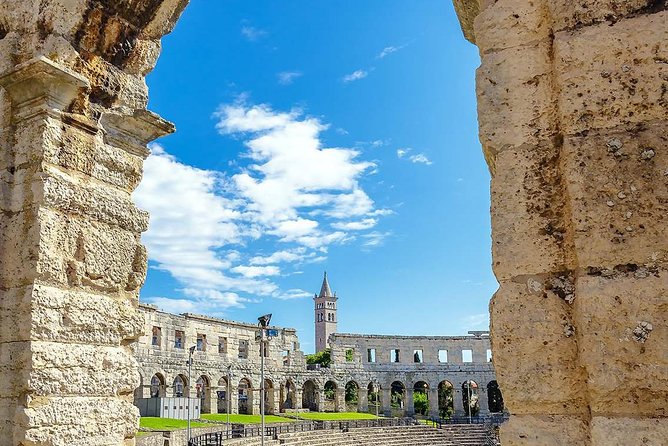
You meet at the Pula Arena area on Flavijevska ul., and the tour ends back at the same meeting point. That looping start-and-finish matters. It keeps the route simple and means you don’t have to plan a separate trip across town just to catch the end.
This spot is also where the Roman story becomes real. The Arena isn’t a distant landmark; it’s your first stop, so your guide can set the stage and then you immediately step into the evidence.
One more practical note: there’s a dress code of smart casual. It’s not formal, but you should aim for clothes you can comfortably walk in. And do bring your best walking shoes—the route is a walking tour for a reason.
Stop 1: Pula Arena and What Gladiator-Era Architecture Still Teaches
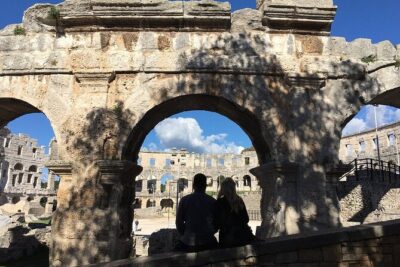
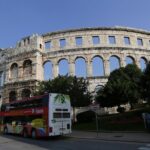
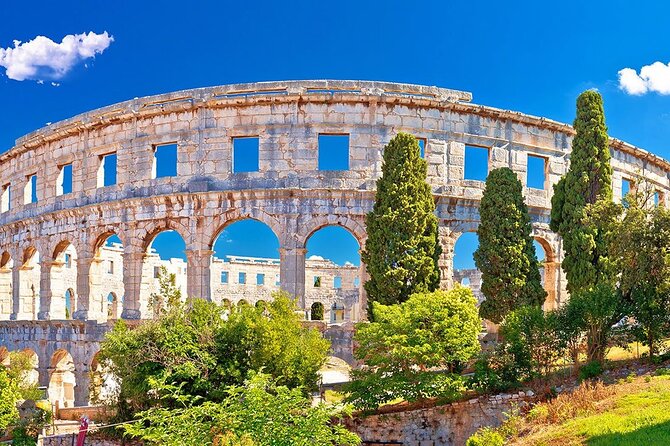
The first stop is the Amphitheatre de Pula (Pula Arena), where Roman gladiators fought. Admission is included, and the visit is brief—about 15 minutes—so the guide likely helps you prioritize what to look for instead of letting you get lost scanning every stone.
Here’s what I like about starting at the Arena. Even if you’ve seen photos, the Arena is one of those places where scale surprises you. It’s hard to fully grasp what public entertainment looked like until you’re standing in the right viewpoint range.
A useful detail from the guides’ approach: they tend to connect the Arena to the wider Roman city pattern—how entertainment fit into politics, social life, and civic pride. One of the most helpful things you can do at a place like this is learn the right questions to ask. Your guide’s job is to hand you those questions so you leave with better recall than you’d get from selfies alone.
Stop 2: Tempio di Augusto, Roma, and Augustus in Stone
Next you head to the Tempio di Augusto, the Temple of Augustus. It’s a short stop of about 10 minutes, and there’s no admission ticket required for this part.
What makes this stop interesting is what it represents. This temple is dedicated to the goddess Roma and to its namesake emperor, so you’re looking at more than just a building. You’re looking at a message Roman authorities wanted to make visible: Rome’s identity and Augustus’s power tied together in public stone.
Even in a short visit, you can usually spot how the design and placement are meant to signal importance. Your guide helps you interpret what you’re seeing, which is especially valuable if you don’t want to spend hours with your phone reading every panel.
If you like your history with clear cause-and-effect, this is one of the best stops on the tour. It helps explain the Roman habit of using religion, architecture, and titles to make authority feel permanent.
Stop 3: The Small Roman Theatre on the Hillside of Zaro

The final historical stop is the Small Roman Theatre, located outside the city walls on the hillside of Zaro. Like the Augustus temple, it’s about 10 minutes, and the ticket is free.
This is the stop I’d call the “different angle” moment. The Arena is big, public, and iconic. The theatre remains here feel like they belong to a Roman city that extended beyond a single showpiece. It helps you understand that Roman entertainment was not one-size-fits-all.
Because you’re seeing remnants rather than a fully restored monument, the guide’s interpretive role is even more important. You’ll get help translating the outlines you see into how a theatre would have functioned for performances and gatherings.
One small tip: if you’re the kind of person who always wants one more photo, this hillside area can reward it. The views and viewpoints can be a bonus, but the point of the stop is to connect the city’s layout to its Roman-era entertainment zones.






The Coffee or Tea Break: Small Inclusion, Big Comfort
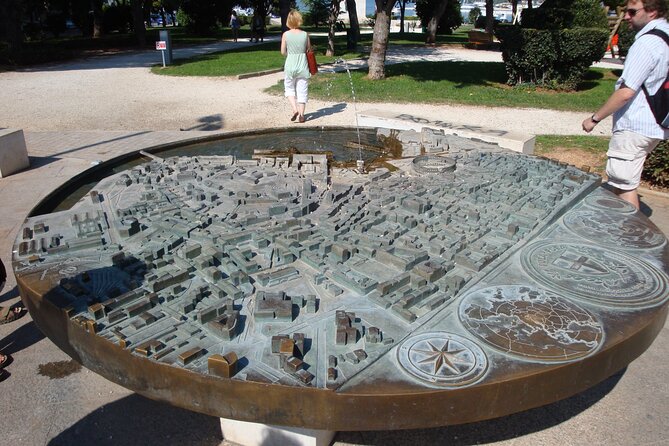
The tour includes coffee or tea during the walk. This sounds minor, but it changes the feel of the experience. Walking tours can go long even when the schedule says they shouldn’t, and a planned pause keeps energy from crashing right at the moment your guide starts layering in the best explanations.
I also like this because it gives you a natural chance to reset your focus. After you’ve stood in front of the Arena, your brain needs a moment to switch from “wow” to “okay, here’s how it all fits.”
You’re not stuck at a long restaurant table. It’s more like a practical buffer so you can stay sharp for the last two stops.
How the Guide Turns Roman Ruins into a Story
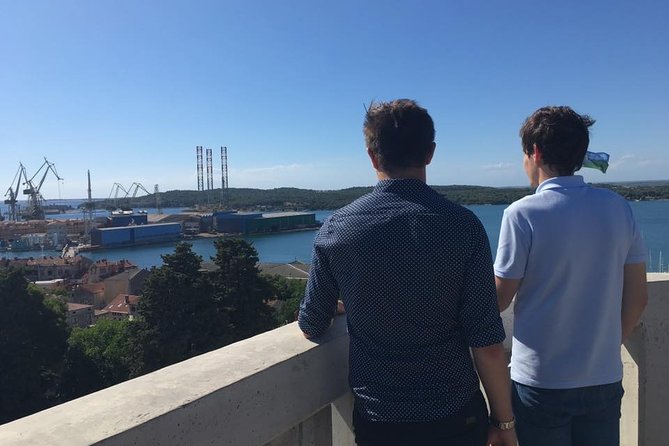
The guide is the heart of this experience. You’re not just collecting locations; you’re learning how Roman Pula worked and why it developed the way it did.
The strongest praise in the way guides run this tour points to two things: the explanations come with historical context, and the pacing feels respectful. Guides such as Dina and Jadranka have been highlighted for being professional, friendly, and attentive to what people want to focus on. Maslinka also came up as someone who delivered an excellent mix of facts and clear context.
Even if your interests are different from the person next to you, the small-group format helps the guide respond. With a maximum of 15 travelers, it’s easier to ask questions without feeling like you’re interrupting a machine.
If you want to understand Roman sites like this, remember the real goal isn’t memorizing dates. It’s understanding patterns: public power, civic identity, and entertainment as a social engine.
Price and What You Really Get for $107.06
At about $107.06 per person for roughly two hours, this isn’t the cheapest thing you can do in Pula. But it’s priced for a guided, ticketed mini-route—not a free-for-all city stroll.
Here’s the value breakdown that matters:
- Local guide included
- Admission to the Arena included
- Coffee or tea included
- Other listed stops (Augustus temple and Zaro remains) don’t require paid admission
So you’re paying mainly for the expertise and coordination. For anyone who’d otherwise spend time figuring out ticket logistics or trying to piece together context from random signage, the guide becomes the “multiplier” for your time.
I also like the booking pattern: it’s often booked about a month ahead. That usually means people are using it as a first-pass Roman orientation. If you’re traveling in a busier season, it’s wise to lock in your preferred time slot early.
Choosing a Morning or Afternoon Tour Time
You can choose either a morning or afternoon time. That flexibility is useful in Croatia, where plans can shift due to weather, heat, or the way your day unfolds.
In the morning, you often get a calmer start, and you’re more likely to keep your energy for the full two-hour flow. In the afternoon, you might enjoy softer light for photos and easier sightseeing rhythms if you already did other parts of your day.
Either way, smart casual dress is a must, and comfortable shoes are your real priority. You’ll want to stay ready for short walks between stops, not just for standing still.
What This Tour Is Best For (and What It Isn’t)
This is best for you if:
- You want top Roman highlights in a short amount of time
- You like learning with a guide rather than reading alone
- You’d rather not spend energy sorting tickets for multiple sites
- You enjoy a small group vibe with time for questions
This may be less ideal if:
- You plan to spend long hours at ruins and prefer self-paced wandering
- You want only one huge deep-dive stop (because this tour is deliberately compact)
- You don’t like walking between points, since there’s no pickup and it’s a walking format
The tour also caps at 15 people, which helps keep it moving but not chaotic. It’s a good middle ground between solo exploration and large-group bus tours.
Should You Book the Pula Roman Heritage Walking Tour?
If you’re in Pula for a short visit or you want a Roman orientation that actually helps you explore the city afterward, I think you should book it. The combination of Arena admission, guided explanations, and a coffee or tea reset makes the $107.06 feel more like a planned experience than an expensive ticket line.
Skip it only if you know you want to linger at each site for much longer than two hours, or if you strongly prefer unguided exploring. If that’s you, you can still see these places on your own—but you’ll work harder to connect them.
For most people, this tour hits the sweet spot: concentrated, well-paced, and built around the Roman story you came to find.
FAQ
How long is the Pula Roman Heritage Walking Tour?
It runs for about 2 hours.
What does the price include?
The tour includes a local guide, coffee or tea, and admission to the Pula Arena. Mobile tickets are used, and the tour is offered in English.
Do I need to pay for tickets at the other stops?
No for those two stops. The Temple of Augustus and the Small Roman Theatre are listed as free admission. Admission is included for the Pula Arena.
Where do I meet for the tour?
You start at Pula Arena, Flavijevska ul., 52100, Pula, Croatia.
What group size should I expect?
The tour has a maximum of 15 travelers.
Is the tour offered in English?
Yes, it’s offered in English.