REVIEW · SPLIT
SPLIT-PRIVATE Walking Tour of Diocletian’s Palace & Old Town
Book on Viator →Operated by Walking Tour of SPLIT · Bookable on Viator
Roman walls meet local life in Split. I love the private licensed guide and how the stories make Diocletian’s Palace feel clear, not like a museum lecture. You also walk the key Old Town stops that shape how people actually move through Split today. One thing to consider: part of the tour involves the palace’s lower areas, and the standout substructures/cellars stop has an extra admission fee.
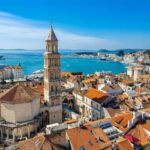
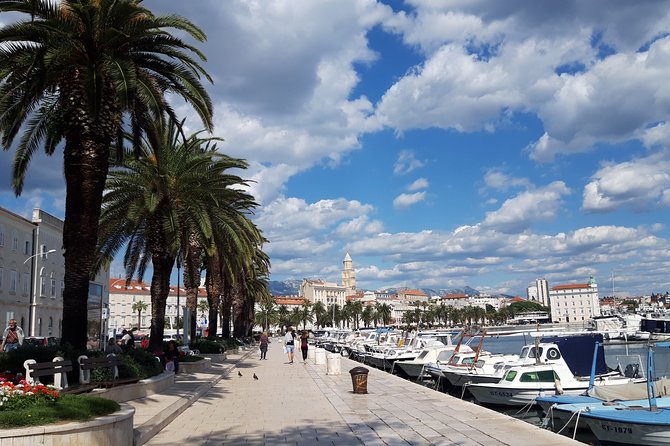
The tour is built around a tight loop in the historic center, starting and ending on the Riva Promenade, so you’re never far from shade, coffee, and a view. You’ll pass the Golden Gate, circle through the Peristyle area, and get quick orientation in places like Fruit’s Square and Narodni Trg. Expect short stops that add up—about 2 hours—with options to step inside the Cathedral of Saint Domnius or the Temple of Jupiter if you want.
In This Review
- Key Highlights You’ll Notice Fast
- Price and Value: Paying for a Private Guide in Split
- Starting on the Riva Promenade: A Tour That Doesn’t Feel Trapped
- Diocletian’s Palace: From the Palazzo to the Golden Gate
- Palazzo of Diocletian (UNESCO World Heritage Site)
- Golden Gate and Vestibulum: Getting the “main entrance” logic
- Peristyle and the Palace Core: Emperor’s Square Without the Fog
- The Roman-to-Old Town Chain: Jupiter Temple, City Clock, and More
- Temple of Jupiter: Optional interior, easy exterior context
- City Clock: A 24-hour clock that survived a lot
- Old Split Squares: Where Modern Life Sits on Roman Foundations
- Grgur Ninski Statue: A person you can place
- Fruit’s Square (Trg Brace Radic): Marul and the green-market past
- Narodni Trg: The biggest, liveliest Old Town plaza
- Cathedral of Saint Domnius: See It First, Pay If You Want More
- Diocletian Palace Substructures: Where the Extra €10 Makes Sense
- Guide Style: Why Josko, Jocko, and Others Keep This Tour Moving
- Timing and Pace: Short Stops That Add Up to a Real Orientation
- Weather, Comfort, and What to Bring
- Should You Book This Split Private Walk?
- FAQ
- How long is the private walking tour of Diocletian’s Palace and Old Town?
- Is this a private tour, and how many people can be in a group?
- What language is the tour offered in?
- What’s included in the price?
- What costs are not included?
- Where does the tour start and end?
- What happens if the weather is poor?
Key Highlights You’ll Notice Fast
- A true private format: your group only, sized up to 12 people.
- Diocletian’s Palace as your roadmap: from grand gates and squares to the preserved substructures.
- Old Town orientation built in: Fruit’s Square (Trg Brace Radic), Narodni Trg, and the 500-year-old City Clock.
- Optional paid interiors: Cathedral of Saint Domnius and Temple of Jupiter are extra if you choose to go in.
- Roman-to-modern contrasts: the palace doesn’t feel ruined—it feels repurposed.
Price and Value: Paying for a Private Guide in Split
At $240 per group (up to 12), this tour isn’t priced like a solo “big city” guided sightseeing bus. It’s structured like a small private walk: you pay for a guide time block plus organization, and you get to control the pace for your group size.
The best value shows up if you’re traveling with family or friends who want context, not just photos. With up to 12 people, you can spread the cost enough that it starts to compete with the price of two separate “group” tours—while still keeping the experience intimate.
That said, you should budget for the optional extras. The tour includes most key palace and Old Town viewpoints, but the substructures/cellars stop requires a separate admission fee of €10 per person. There are also optional interior entries at €3.5 (Cathedral of Saint Domnius) and €1.5 (Temple of Jupiter). If you skip those interiors, the tour stays leaner.
You can also read our reviews of more tours and experiences in Split.


Starting on the Riva Promenade: A Tour That Doesn’t Feel Trapped
The walk starts at Obala Hrvatskog narodnog preporoda 22 and ends back at the same place on the main Riva Promenade. That matters more than it sounds.
First, Riva is the easy reference point in Split—so you can mentally map what you’re seeing as you go. Second, after the tour, you’re dropped right where most people want to be anyway: a place to grab a snack, walk a little more, or take a break without hunting for your bearings.
The time on each stop is short, so the tour has a “moving with purpose” feel. This is the kind of route you want if you’re on a tight schedule and you’d like to understand Split’s layout quickly.
Diocletian’s Palace: From the Palazzo to the Golden Gate
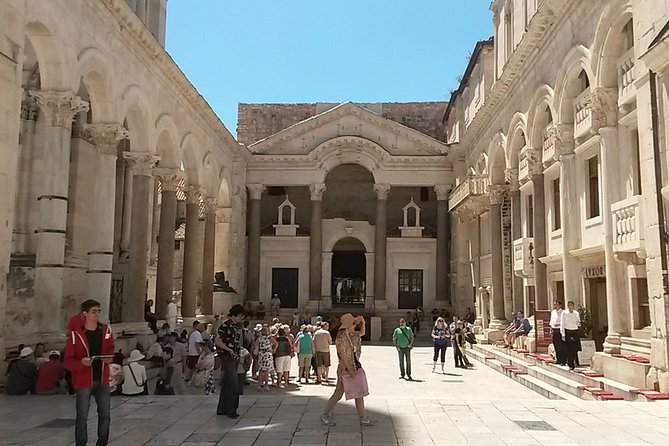
Diocletian’s Palace isn’t only impressive—it’s also confusing until someone gives it a sequence. This tour gives you that sequence fast.
Palazzo of Diocletian (UNESCO World Heritage Site)
You begin with a guided visit tied to Diocletian’s Palace, built in AD 305. You’ll hear it as a living plan rather than a pile of stones. The best part here is that the guide connects what you see—gateways, corridors, and square spaces—to why the site matters historically.
If you’ve ever visited ruins where everyone points and says “Roman” without explaining what that meant day-to-day, you’ll appreciate this approach. It’s the difference between knowing the era and actually understanding how the palace worked.
Golden Gate and Vestibulum: Getting the “main entrance” logic
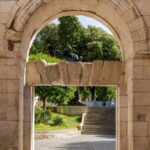
As you continue, you’ll reach the Golden Gate, described as the main, most beautiful entrance into the palace. Right after that, you’ll also see the Vestibulum of Diocletian’s Palace, which served as the main entrance to the emperor’s private residence.
These two stops help you understand the palace like a building, not like a postcard. You start noticing how movement through the palace would have felt—what was public versus private, what led you toward the most important civic spaces, and what acted like a boundary.




Peristyle and the Palace Core: Emperor’s Square Without the Fog
Then you hit one of the tour’s “center-of-gravity” moments: the Peristyle, paired with the idea of Emperor’s Square as the heart of Split.
This is where visitors often realize the palace isn’t sealed off from the city. It’s stitched into it. The Peristyle area is the kind of place you can stand in and instantly feel why locals treat certain corners of the Old Town as meeting points—because historically, those same spaces were designed for gathering.
The stop is short, but it gives you a reference point you’ll likely recognize later as you wander on your own.
The Roman-to-Old Town Chain: Jupiter Temple, City Clock, and More
After the palace core, the tour keeps tightening the connections between Roman structures and the Old Town streets you’ll keep seeing for the rest of your trip.
Temple of Jupiter: Optional interior, easy exterior context
You’ll see the Temple of Jupiter from outside first. If you want to step inside, there’s an optional entrance fee of €1.5 per person, which the tour does not include.
Even just seeing it from outside can be useful. It’s a good stop for understanding that these sites weren’t built as isolated monuments; they sat inside a functioning city.
City Clock: A 24-hour clock that survived a lot
Next comes the City Clock, described as 500 years old and a 24-hour clock. It’s the kind of detail that makes your walking route feel real, not scripted.
This is also a stop that helps you notice time and daily rhythm in the Old Town. A clock like this is basically a reminder that people have been living around these stones for centuries, not just posing for them.
Old Split Squares: Where Modern Life Sits on Roman Foundations
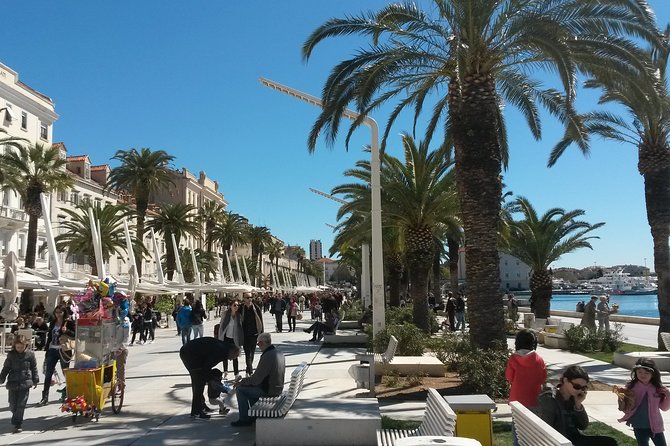
The tour isn’t only gates and temples. It gives you the squares that shape how people experience Split now.
Grgur Ninski Statue: A person you can place
You stop at the Grgur Ninski (Grgur Ninski) statue and learn about one of the most important historical figures in Croatia. This is where the tour gently shifts from Roman architecture to Croatian identity.
If your brain likes names and causes, this will click. It turns the Old Town from “Roman site checklist” into “local story.”
Fruit’s Square (Trg Brace Radic): Marul and the green-market past
At Fruit’s Square (Trg Brace Radic), you’ll see the setting of a former green market and a statue of Marul, known as the father of Croatian literature.
This stop is practical for photos, but it’s also a nice way to understand the Old Town’s layering. A square like this once had a daily rhythm for buying food, and then history added more meaning over time.
Narodni Trg: The biggest, liveliest Old Town plaza
Then you explore Narodni Trg (People’s Square), described as the biggest and liveliest piazza in Old Town. Even if you keep the stop brief, it gives you a feel for where the crowd gathers and where the city energy shows up.
This helps later when you’re choosing where to rest or where to meet people.
Cathedral of Saint Domnius: See It First, Pay If You Want More
The tour includes a sighting of the Cathedral of Saint Domnius from the outside, with an option to visit inside.
The inside visit has an extra admission fee of €3.5 per person and isn’t included. That’s a fair setup because some travelers want the exterior context and then move on, while others want to spend extra time where the details are inside.
If you’re short on time, you can treat this as a “see it from the right spot” moment. If you’re a cathedral fan, this is one of the few pay-to-enter options in the route.
Diocletian Palace Substructures: Where the Extra €10 Makes Sense
One stop is the reason some people describe this tour as more than “walk and look.” You’ll visit Diocletian Palace Substructures, described as the best preserved part of the palace, for about 20 minutes.
This is where the tour transitions from surface sightseeing into the part that feels more like stepping into the palace’s deeper logic. The admission fee for the Museum of Diocletian’s Cellars is €10 per person and is not included.
Plan for that cost if you want the strongest palace experience. This is also the stop where you’ll feel the payoff of having a guide: you’re not just looking at stone—you’re listening to why this section was preserved and what it tells you about the palace’s use over time.
Guide Style: Why Josko, Jocko, and Others Keep This Tour Moving
A major theme in the feedback is the guide’s delivery. Names that show up include Josko / Joško, Jocko, Joseph, Joko, and Mr. Zovik.
What matters for you isn’t the spelling; it’s the style. The guide approach is often described as a mix of storytelling, humor, and a sense of pacing that works even for teens. You’ll usually get time for questions without feeling rushed.
There’s also practical flexibility noted in feedback: one group described rescheduling when it rained, and another mentioned the guide helped keep things comfortable in the shade. If you care about comfort—sun, pace, breaks—this is the kind of tour where your group can ask and get an adjustment.
Timing and Pace: Short Stops That Add Up to a Real Orientation
The tour runs about 2 hours and covers 13 stops, many of them around 5 minutes. That might sound quick, but it’s built for orientation.
You’ll move through the palace and Old Town like you’re following a map: gates first, then core squares, then the Roman-to-local connections in between. If you slow down for questions, the guide can still keep the plan intact. If you want to cut an interior option, you can do that too, since the paid entries are optional.
The route also works well as a “first day in Split” activity. After this, you’ll recognize major landmarks even when you wander without a guide.
Weather, Comfort, and What to Bring
This walking tour requires good weather. If poor weather cancels it, you’ll be offered a different date or a full refund.
Because part of the experience involves palace substructures and possibly time below ground, wear shoes you trust. Bring water, and consider sun protection for the open portions of the walk. If you’re planning interior entries (Cathedral or Temple of Jupiter), keep a little cash or card flexibility for extra fees.
Finally, think about your group. This is private and sized for up to 12, so it’s ideal if you don’t want to blend into a large crowd and hope your questions get answered.
Should You Book This Split Private Walk?
Book it if you want:
- A fast orientation to Split’s Old Town and Diocletian’s Palace.
- A guide who turns Roman architecture into something you can picture in your head.
- A private setup where your group can ask questions and keep a comfortable pace.
Skip it or adjust expectations if:
- You only want surface-level sights and don’t care about the palace’s lower, preserved substructures (where the €10 museum fee comes in).
- Your schedule is so tight that optional paid interiors would be annoying. You can still enjoy most stops without going inside.
If you’re visiting Split for the first time and you want your walking day to feel meaningful—not just scenic—this is a smart value. For $240 per group up to 12, you’re paying for the guide to do the heavy lifting: connecting the palace plan to the squares, statues, and clocks that shape daily life in Split.
FAQ
How long is the private walking tour of Diocletian’s Palace and Old Town?
It lasts about 2 hours.
Is this a private tour, and how many people can be in a group?
Yes, it’s private, and the group can be up to 12 people.
What language is the tour offered in?
The tour is offered in English.
What’s included in the price?
Included are the service of a private licensed resident guide and custom-designed tour organization.
What costs are not included?
Gratuities are not included. Also not included are optional paid entries like the Museum of Diocletian’s Cellars (€10 per person), Cathedral of Saint Domnius (€3.5 per person), and the Temple of Jupiter (€1.5 per person).
Where does the tour start and end?
It starts and ends at Obala Hrvatskog narodnog preporoda 22, Split (on the main Riva Promenade).
What happens if the weather is poor?
The tour requires good weather. If it’s canceled due to poor weather, you’ll be offered a different date or a full refund.