REVIEW · SPLIT
Split – Walking in Khaleesi Footsteps in the City of Dragons
Book on GetYourGuide →Operated by Katarina Tours · Bookable on GetYourGuide
Big-toe history starts right at Gregory of Nin. This walk turns Diocletian’s Palace into a living Game of Thrones roadmap, with the real dragon dungeon stop that ties Roman Split to the show. You’ll spend about 210 minutes weaving through the old city and palace spaces that feel made for storytelling, not just photos.
I love the personal approach and the way the guide keeps the energy friendly and human. Names you may hear along the way include Katarina, Too-Tall-Tim, and Ted, and the common thread is the same: clear explanations with video and picture moments so the filming locations click fast. I also like that the guide is happy to stay a bit extra for questions.
One thing to consider: food and drinks aren’t included, so you’ll want to plan a snack or look at the optional coffee after the tour to keep the momentum going.
In This Review
- Key highlights to know before you go
- Gregory of Nin to the old-city start line
- Inside Diocletian’s Palace: the walls that explain everything
- The dragon dungeon ticket: GoT filming below the city
- Kill the Masters street and the Mereen thread
- How the guide blends local Split habits with show lore
- The optional coffee stop: where questions turn into stories
- Price and what $58 covers (and why it can be a fair deal)
- What to watch for: who this tour suits best
- My quick decision guide: should you book?
- FAQ
- Where is the meeting point for the Split walking tour?
- How long is the tour?
- How much does the tour cost?
- What language is the tour guide?
- Is entry to the dragon dungeon included?
- Do I need to bring my own tickets?
- Are food and drinks included?
- Is the tour focused on Game of Thrones, history, or both?
- Is free cancellation available?
- Can I reserve now and pay later?
- Who runs the tour?
Key highlights to know before you go

- Meet at the Gregory of Nin statue so you start on the right street, every time
- Dragon dungeon entry is included, so you don’t have to hunt tickets
- Diocletian’s Palace gets the spotlight, including its best-preserved areas
- Game of Thrones scenes are tied to real locations, with photo/video support
- The tour stays question-friendly, and the guide can extend time for extra chats
- You can add a coffee stop after, for more local history and filming secrets
Gregory of Nin to the old-city start line

Your tour begins where most people in Split do their first sightseeing check: the Gregory of Nin statue. Yes, the one with the big toe. It’s hard to miss, and that matters because you lose less time trying to regroup and more time actually walking.
From the start, you’re not just moving through streets. You’re getting a story about how Split grew into itself. The guide frames the city as something layered: Roman power, later city life, and then the show that borrowed these walls for dragon-scale drama. It’s a smart setup. You don’t need a Game of Thrones encyclopedia to follow along, but if you are a fan, the payoff starts early.
This also helps if you’re new to Split. You get your bearings fast, and you learn which parts of the old town are tied to Diocletian and which parts feel like later chapters.
You can also read our reviews of more walking tours in Split
Inside Diocletian’s Palace: the walls that explain everything
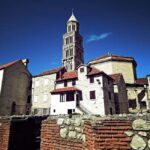
About two and a half hours sounds like a lot for a walking tour, but it’s a good fit for Split’s old layout. The core experience centers on Diocletian’s Palace, and you’ll see the important parts rather than skimming the highlights from the sidewalk.
Diocletian matters because he wasn’t just a ruler who built something impressive. The palace started life as a retirement home for the Roman emperor Diocletian. That detail changes how you see the place. Instead of thinking only of ruins, you start picturing a designed home: courtyards, protected spaces, and rooms meant for living—then later repurposed as the city grew around them.
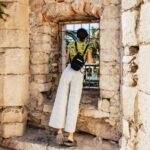
You’ll also spend time in areas that feel especially well preserved. The tour focuses on the best-kept sections of the palace, which is where the scale stops being abstract. Even if you’ve seen Roman sites before, this one has a lived-in feel. People still move through the same kind of architecture that shaped daily life centuries ago.
A practical note: palace interiors and basements can mean cooler air and stone steps. Wear shoes you trust for uneven footing, and don’t count on the experience being fully flat.
The dragon dungeon ticket: GoT filming below the city
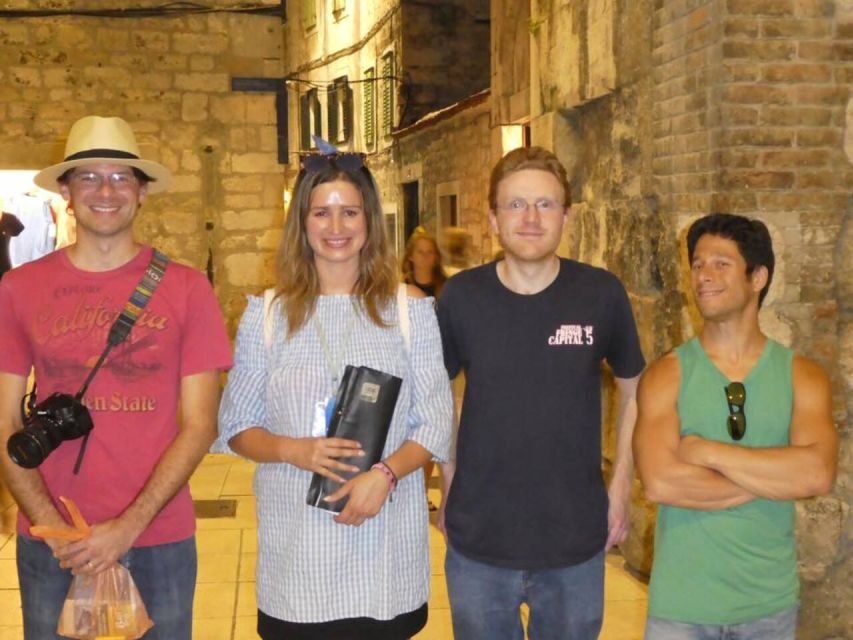
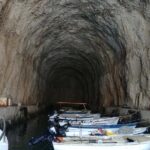
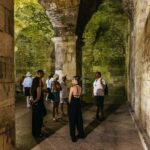
Now for the stop that’s worth putting your day around: the dragon dungeon, in the basement area of Diocletian’s Palace. Here’s the key value point for your money—entry tickets to the dragon’s dungeon are included—so you won’t spend tour time on extra ticketing errands.
This is where the show and the city finally lock hands. During Game of Thrones filming, dragons were kept there. Even if you’re not chasing every filming detail, this stop gives you something more interesting than a reenactment. You’re looking at real under-palace spaces that can still do what set designers needed them to do: create mood, shadow, and scale.
What makes the stop work best is how the guide explains it. In the feedback, guides used video and picture examples to show what you’re seeing and how it connects to specific scenes. That kind of visual glue matters. Without it, you can end up standing in a cool place wondering what the connection is. With it, the dungeon becomes a timeline you can understand.
If you’re a GoT fan, you’ll likely enjoy how the guide bridges the distance between fiction and architecture. If you’re not, the dungeon still works as a history moment: a look at the less-visible parts of the palace and how power and daily life shared space underground.
Kill the Masters street and the Mereen thread
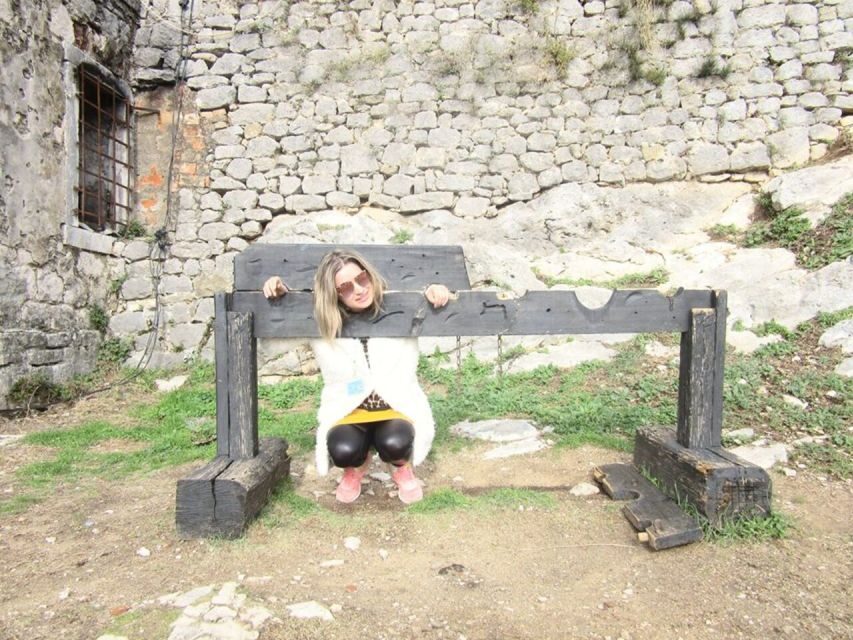
Next comes a street stop tied to a specific storyline: Kill the Masters. The tour uses this location to connect you to the world of Mereen—particularly the idea of slave masters being ambushed by slaves in that show context.
This isn’t just name-dropping. The point is to show how the show borrowed ideas that fit the real world. You walk in a city where power struggles happened for real, just with different names and different stakes. The guide’s storytelling turns a street into a concept you can place in your mind.
Even if you don’t remember every plot beat from the series, you can follow the theme. The tour helps you see how conflict, control, and resistance show up in both history and popular culture. That’s why this part feels more purposeful than a random detour.
How the guide blends local Split habits with show lore
One reason this tour consistently earns strong marks is the way the guide teaches. It’s not a dry lecture. It’s story-driven, and the best guides use humor and pacing to keep the group engaged without turning the history into a joke.
You’ll likely notice a few recurring techniques:
- Pictures and clips to connect what you’re standing in front of with what you’ve seen on screen
- Clear explanations of how Split started and grew, including Diocletian’s retirement-home origin
- A friendly tone and room for questions, with some guides willing to stay extra time if people want more detail
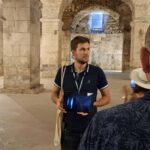
Some names that have come up in recent guide feedback include Katarina and Too-Tall-Tim, and an especially teaching-focused approach was mentioned with Ted. The common result is a tour that feels approachable even if you’re not a hardcore history person or a hardcore GoT person.
You’ll also get a sense of local traditions and habits. The tour frames these as part of how Split residents live with the city’s layers rather than treating history like a museum display behind glass. That’s the part that tends to linger after you leave: you stop seeing Split as only scenery and start seeing it as a working city with deep roots.
You can also read our reviews of more city tours in Split




The optional coffee stop: where questions turn into stories
After the main walk, there’s an optional coffee opportunity. The idea is simple: you keep talking while the city is still fresh in your head. The guide can share more local history and reveal additional secrets connected to filming locations.
This is one of those choices that can make the tour feel like two experiences instead of one. If you like asking questions, this after-stop is a good match. If you’re tired, you can skip it and still feel satisfied because the main tour already hits the biggest anchors.
If you do go, treat it like part of the tour rather than downtime. Ask about what to see next in Split, and you’ll get more tailored suggestions than you would from a generic guidebook.
Price and what $58 covers (and why it can be a fair deal)
At $58 per person for about 210 minutes, the price lands in the “you’re paying for value, not just walking” category. Here’s why the cost makes sense based on what’s included:
- Dragon dungeon entry tickets are included, which is a real cost you’d otherwise pay separately
- You get an English speaking live guide and an English audio guide, which supports the story at a steady pace
- The tour time is long enough to cover more than a quick highlights loop—especially inside Diocletian’s palace areas
Is it the cheapest option? Probably not. But you’re not just paying for basic access. You’re paying for interpretation—someone turning stone corridors into context and tying the show to actual architecture.
One bonus theme that pops up in guide feedback: some guides add extras like a free iron throne photo opportunity and possible discounts in a shop or at a Game of Thrones museum. Those are the kind of small perks that can push the experience toward better value, especially if you’re planning to spend time in GoT-related places anyway.
What to watch for: who this tour suits best
This tour fits best if you like one (or both) of these things:
- Game of Thrones locations and want help placing them so you’re not lost in the fandom fog
- Diocletian’s Palace and the Roman roots of Split, especially the less obvious basement areas
If you’re only here for quick coastal views and you don’t care about the show, you might find parts of the tour feel geared toward GoT references. The history is the backbone, but the storytelling clearly uses Game of Thrones as a hook.
Also keep your day plan realistic. Two and a half hours is a serious block. If you’re squeezing Split into a rushed stop, you’ll want to put this earlier so you can use what you learn to guide the rest of your sightseeing.
My quick decision guide: should you book?
Book it if you want Split with context. The biggest “yes” is the combination of Diocletian’s Palace + dragon dungeon access + show-linked storytelling in one smooth, longer walk.
Don’t book it if your priority is purely scenic wandering or you want food included. This experience is about guided interpretation, not a meal-based tour.
If you’re choosing between similar tours, consider this: you’re getting a longer session than many short city walks, and the dungeon entry is already handled. That means less hassle and more time with the guide where it matters.
FAQ
Where is the meeting point for the Split walking tour?
You meet near the Gregory of Nin statue, the large statue with a big toe.
How long is the tour?
The tour is 210 minutes (about 2.5 hours).
How much does the tour cost?
The price is $58 per person.
What language is the tour guide?
The tour is in English, and the tour includes an English audio guide as well.
Is entry to the dragon dungeon included?
Yes. Entry tickets to the dragon’s dungeon are included.
Do I need to bring my own tickets?
No for the dragon’s dungeon, since entry tickets are included.
Are food and drinks included?
No. Food and drinks are not included.
Is the tour focused on Game of Thrones, history, or both?
It’s a mix. You’ll hear about Split’s history and also visit filming-related locations and story connections.
Is free cancellation available?
Yes. You can cancel up to 24 hours in advance for a full refund.
Can I reserve now and pay later?
Yes. You can reserve now and pay later.
Who runs the tour?
Katarina Tours runs the experience.