REVIEW · ZADAR
Zadar: Food Tasting & Old Town Walking Tour
Book on GetYourGuide →Operated by Šušur - Tours of Zadar · Bookable on GetYourGuide
Food in Zadar tells its story fast. This is a Dalmatian tasting walk where the city landmarks meet real local plates: fish paired with crisp white wine from an award-winning MasterChef, then prosciutto and cheese matched with red wine in a former church. I also love how the guide turns food into culture, tying what you eat to influences like Turkish culinary legacy and the Morlaccs from the hinterlands. The main drawback is simple: it’s alcohol-included and includes fish/meat and dairy, so it won’t work for everyone.
You’ll start and finish at Novi caffe near the Roman column, and you’ll hit four tasting venues over about two hours with a live English guide (you might meet guides like Dina, Ivana, Ante, or Tamara). It runs rain or shine, and the pace is built around tasting portions, not a grand feast.
In This Review
- Key highlights that make this tour worth your time
- Entering Zadar Old Town With Food as the Map
- Price and Two Hours of Value: What $58 Buys You
- Novi caffe Start: The Fast Way to Get Oriented
- Church of St. Simon and People’s Square: Quick Sights, Real Context
- Market Zadar: Seeing Where Ingredients Come From
- Roman Forum and Church of St. Donatus: Landmarks Between Bites
- Four Tastings That Don’t Feel Repetitive
- Local restaurant tastings (three distinct moments)
- A local café tasting to finish the story
- The Prosciutto and Cheese Church Stop: Why the Setting Matters
- Ćevapi, Craft Beer, and Digestivo: The Ending’s Flavor Logic
- Guides, Group Energy, and How to Make It Yours
- Who This Tour Suits Best (And Who Should Skip)
- Should You Book Šušur’s Zadar Food Tasting & Old Town Walk?
- FAQ
- How long is the Zadar food tasting and Old Town walking tour?
- Where does the tour start and end?
- How many tastings are included?
- Is the tour guided, and what language is it in?
- Does the tour include alcohol?
- Is it suitable for vegetarians or vegans?
- Is it wheelchair accessible?
- Will the tour run in bad weather?
- Who should not take it due to dietary limits?
Key highlights that make this tour worth your time
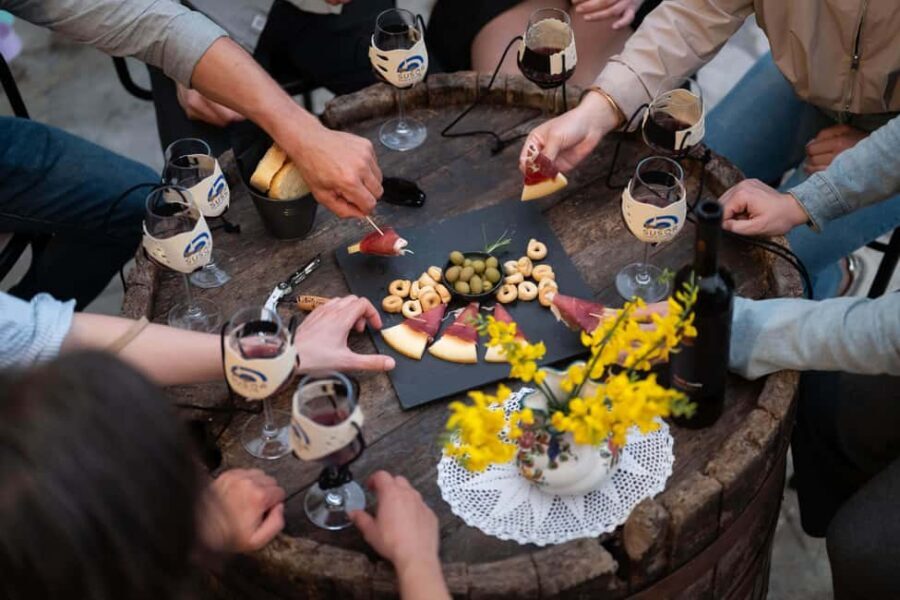
- Four tasting stops across handpicked restaurants and bars so you sample more than one style of Zadar cooking
- Fish by an award-winning MasterChef, paired with crisp white wine for a classic Dalmatian match
- Prosciutto and cheese served in a once-abandoned church setting, paired with red wine
- Ćevapi followed by craft beer brewed by women, a fun contrast of flavors in one walk
- Digestivo made from local herbs to close things out the Dalmatian way
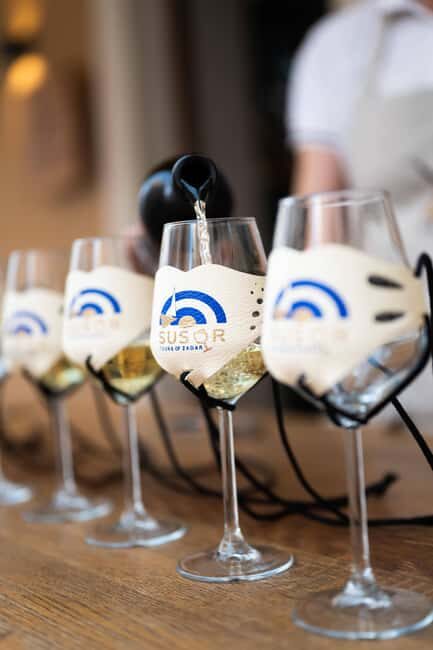
- A wine glass holder gift for every participant, small but genuinely useful
Entering Zadar Old Town With Food as the Map
Zadar is one of those cities where history isn’t locked in a museum. It’s in the streets, the squares, and even the way people talk about what they eat. This tour uses that idea in a smart way: you walk the historic core, then each stop gives you a taste that connects back to the stories the guide shares.
I like that it’s not just sightseeing with snacks. You’re learning why Dalmatian cuisine has layers—Mediterranean habits from the sea, hinterland influences from inland communities, and the Ottoman/Turkish mark that still shows up in Balkan kitchens. If you’re the type who likes to remember a place through flavor, you’ll get more out of Zadar this way.
You can also read our reviews of more walking tours in Zadar

Price and Two Hours of Value: What $58 Buys You
For around $58 per person, you’re paying for a guided walk plus multiple tastings—four distinct food-and-drink stops, with alcohol served and matched to what you’re eating. That matters, because buying these items separately usually turns into a lot of menu decisions, slower time, and less structure.
Here’s what you’re realistically covering: a fish course with wine pairing, prosciutto/cheese with red wine, ćevapi with craft beer (including the women-brewed angle), plus a digestivo from local herbs. On top of that, you get a wine glass holder as an original gift. If you’re already planning to drink wine or beer at least a couple times during your trip, this can feel like a shortcut to a well-planned night out.
The catch is the “tasting tour” concept. You won’t leave stuffed like you did after a long dinner. You leave informed and satisfied—then you can decide whether you want to continue eating on your own afterward.
Novi caffe Start: The Fast Way to Get Oriented
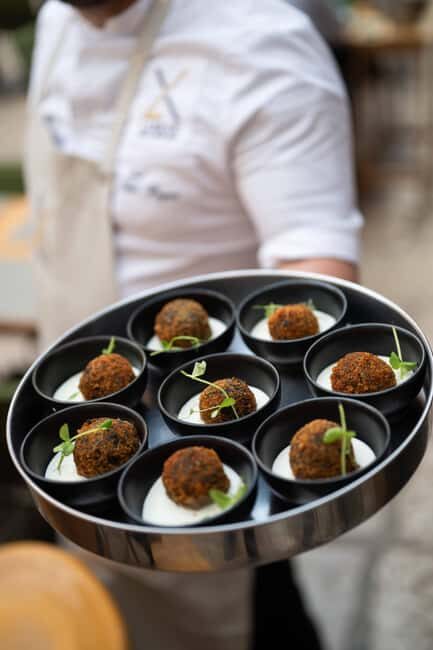
The tour begins at Novi caffe, near the Roman column, which is a good setup for first-time orientation. You’re not trekking across the whole city in the dark; you’re working your way through the Old Town area where the landmarks and food choices are close together.
This start point also helps you feel the rhythm of Zadar. You’re arriving when the streets feel active, but you’re still in a walkable zone where you can focus on conversation and pairings. The guide will set expectations early: this is a paced tasting walk, not a slow restaurant crawl and not a buffet.
Church of St. Simon and People’s Square: Quick Sights, Real Context
After meeting, you get a short stop at the Church of St. Simon for a taste of the area’s architectural tone. It’s brief—think photo stop and a few story beats—so you don’t lose momentum before the food.
Then you move toward People’s Square, another short sightseeing moment that’s more useful than it sounds. Squares like this are where a city’s daily life shows up. Even if you only spend a few minutes there, the guide’s framing makes it easier to understand why certain local flavors became popular in the first place.
One thing I appreciate: the tour keeps connecting sights to food themes. You’ll hear how the sea, inland culture, and different historical influences fed into what ended up on plates in modern Zadar.
Market Zadar: Seeing Where Ingredients Come From
You get a short look at Market Zadar as you transition from major landmarks into the next tasting stop. This isn’t a long shopping spree, but it gives you context. When you’ve seen a market environment—even briefly—you tend to read menus differently later.
Instead of thinking of dishes as isolated items, you start noticing patterns: fish-driven meals, cheese-and-cured-meat traditions, and the way wine and digestivos fit into the meal culture. If you like food photography, this is also the moment when your camera usually works overtime, because the setting feels local and practical.




Roman Forum and Church of St. Donatus: Landmarks Between Bites
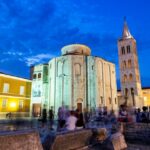
The walking portion includes quick stops at the Roman Forum and the Church of St. Donatus. You don’t need to be a hardcore archaeology fan to appreciate these stops. They function like anchors, helping you build a mental map of where you are in the city’s layered past.
The guide’s approach matters here. The history isn’t delivered as a lecture. It’s used as a way to explain why certain flavors survived—especially the Ottoman/Turkish influence that still shows up in Balkan cooking, including the kinds of grilled and spiced dishes that appear on this tour.
These are also good stops for regrouping. After each tasting venue, a few minutes of walking and landmark context helps it feel like one cohesive evening rather than four separate restaurant visits.
Four Tastings That Don’t Feel Repetitive
A major reason this tour earns a near-perfect rating is variety. You’re not eating the same thing four times. You get a sequence that feels like a flavor timeline—fish, cured and aged tastes, then grilled Balkan comfort food, and finally beer and herbal digestivo.
Local restaurant tastings (three distinct moments)
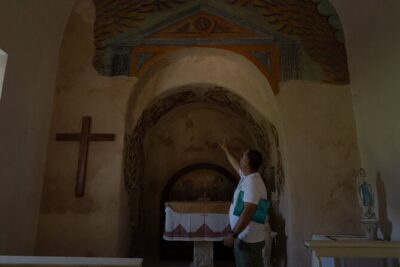
You’ll have multiple food tasting stops at local restaurants, each one chosen to represent a piece of Dalmatia. One stop centers on fish prepared by an award-winning MasterChef and paired with crisp white wine. Another focuses on prosciutto and cheese, matched with red wine in a once-abandoned church setting—an atmospheric change of pace that makes the food feel special without turning it into a performance.
There’s also a meat and grill moment where ćevapi shows up. In a region shaped by Turkish influence, it makes sense that these flavors remain part of the local identity. It’s one of those dishes that tastes familiar if you’ve tried Balkan food before, and surprising if you haven’t.
A local café tasting to finish the story
The last tasting stop includes a local café experience—another pivot that helps the evening stay varied. One of the nicest parts of a tasting tour is that your palate doesn’t get bored. The mix of wine, beer, and digestivo helps keep you moving from one flavor mood to the next.
The Prosciutto and Cheese Church Stop: Why the Setting Matters
The tour includes a memorable pairing in a once-abandoned church setting. That detail matters because cured meats and cheeses don’t taste the same in every environment. In a place with atmosphere and quiet history, the flavors feel more intentional—especially when paired with a thoughtful red wine.
Prosciutto and cheese is a classic Dalmatian duo. On paper it sounds simple. In practice, the pairing shows you how local families produce food the way they always have—focused on craft, not on flash. If you love tasting traditions instead of trend-chasing, this stop is often the one people remember.
Ćevapi, Craft Beer, and Digestivo: The Ending’s Flavor Logic
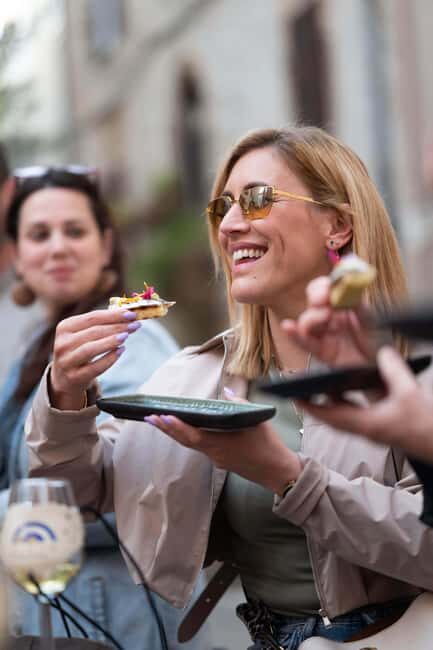
One of the tour’s clever moves is the contrast it builds. You taste ćevapi, then you sip craft beer brewed by women. It’s a modern twist that still feels connected to local life. The order matters because grilled Balkan food and crisp beer can reset your palate in a way wine alone doesn’t always do.
To close, you get a digestivo made from local herbs. That’s not just a sweet finish. It’s part of how people in the region signal the end of eating and the start of relaxing—something you’ll feel even if you’re not a heavy drinker.
Also, alcohol serving is part of the experience. If you don’t drink, or if you prefer to keep nights alcohol-free, this tour may not be the right fit. The pacing and pairings are built around those tastings.
Guides, Group Energy, and How to Make It Yours
The guide experience is consistently strong. Names that come up include Ivana, Dina, Ante, Tamara, and Diva. The common theme is a relaxed, chat-friendly tone—people ask questions, and the guide uses those moments to deepen the food-and-history connections.
Group size can vary, but one run was described as about 14 people. When groups are in that range, it tends to stay conversational without turning into a classroom. If you’re traveling solo, you may find the mix of nationalities helps you bond fast; you can also encourage the vibe by introducing yourself right at the start.
A small practical tip: wear shoes you don’t mind breaking in. The tour is only about two hours, but you’ll be walking the Old Town between tastings, and it’s rain or shine.
Who This Tour Suits Best (And Who Should Skip)
This works best for you if:
- You want a structured way to taste Zadar without guessing where to go
- You enjoy wine and beer pairings, including white wine with fish and red wine with cured/aged flavors
- You like your history tied to everyday life, not just plaques and dates
- You’re okay with tasting portions and then deciding if you want a bigger meal later
It may not work if you:
- Don’t drink alcohol, since alcoholic beverages are served
- Need vegetarian or vegan food, since dishes include fish and meat
- Have fish allergies, or lactose/gluten intolerance, because dairy and gluten may appear
- Have other food allergies, since the tour doesn’t claim a special accommodation pathway in the details provided
- Are pregnant or are traveling with children under 18, since it’s listed as not suitable
Also, it’s rain or shine. If you hate getting caught in drizzle, bring a light rain layer and stickier-soled shoes.
Should You Book Šušur’s Zadar Food Tasting & Old Town Walk?
I’d book this tour if you want an easy evening with clear value: four tasting stops, real pairings (including fish with crisp white wine), and guided Old Town context that makes Zadar feel understandable fast. The format also helps if you’re short on time; two hours gets you enough flavor variety to steer the rest of your trip.
Skip it if alcohol, meat/fish, or dairy/gluten are deal-breakers. Also skip if you’re expecting a big meal—this is designed for tastings, not full portions.
If you’re comfortable with those boundaries, this is a smart way to see Zadar at night: you walk the landmarks, you taste the influences, and you leave with enough flavor memory to find the good stuff on your own the next day.
FAQ
How long is the Zadar food tasting and Old Town walking tour?
It lasts 2 hours.
Where does the tour start and end?
It starts and ends at Novi caffe, with the meeting point described as near the Roman column.
How many tastings are included?
You get 4 unique tasting stops at handpicked restaurants and bars.
Is the tour guided, and what language is it in?
Yes, it’s a live guided tour in English.
Does the tour include alcohol?
Yes. The tour includes serving alcoholic beverages as part of the tastings.
Is it suitable for vegetarians or vegans?
No. It’s not suitable for vegetarians or vegans, and it includes fish and meat.
Is it wheelchair accessible?
Yes, it’s listed as wheelchair accessible.
Will the tour run in bad weather?
Yes. It takes place rain or shine.
Who should not take it due to dietary limits?
It may not be suitable for people with food allergies, gluten intolerance, lactose intolerance, or fish allergies, and it may not work for people who need to avoid the ingredients used in the dishes served.