REVIEW · ZADAR
Private Zadar Walking Tour: German
Book on GetYourGuide →Operated by Luca, obrt za turizam · Bookable on GetYourGuide
Zadar tells stories in every stone. This private 90-minute walk with a German-speaking local guide turns the old town into a 2,000-year story you can actually follow, from Roman remains to modern waterfront sound and light. It’s also the kind of tour where you can ask questions and shape the pace to what interests you.
One thing to plan for: entry to St. Donatus Church and the Cathedral of St. Anastasia isn’t included, so if you want to go inside, you’ll pay tickets separately.
In This Review
- Key things you’ll notice on this Zadar walking tour
- Zadar in 90 minutes: why this walk works
- Private and German-speaking: what guidance really adds
- City walls and St. Anastasia Cathedral: the story’s opening scene
- People’s Square and Kalelarga: where history meets everyday Zadar
- Roman Forum and St. Donatus: turning stones into meaning
- Squares and side churches: the calm before the sea
- Sea Organ and Greeting to the Sun: Zadar’s modern voice
- UNESCO fortifications and gates: closing the loop on defense
- Price and logistics: is $117 per group good value?
- Who this tour suits best
- Should you book this Zadar walking tour?
- FAQ
- FAQ
- What language is the private guide?
- How long is the walking tour?
- How much does the tour cost?
- Is this a private tour or a group tour?
- Where does the tour start?
- Is the tour wheelchair accessible?
- What is included in the price?
- Are church or cathedral entry tickets included?
Key things you’ll notice on this Zadar walking tour
- German-language guiding with room for your questions, not a one-way lecture
- A tight 90-minute route that still hits major landmarks and lesser-known corners
- Public art by the sea: Sea Organ and Greeting to the Sun, explained in context
- UNESCO-listed fortifications and old-town gates that show how Zadar defended itself
- Churches and squares that connect everyday life to centuries of change
- Helpful local tips, including restaurant and activity suggestions from the guide
Zadar in 90 minutes: why this walk works
Zadar is one of those cities where the map can mislead you. On paper it’s just a compact old town, but on foot you notice layers: Roman geometry, medieval churches, Renaissance-era walls, and today’s public art right where people stroll and meet.
This tour is designed for flow. You start near the old gate area, move through the core sights, and end up at the waterfront where Zadar’s modern identity becomes impossible to ignore. At 90 minutes, you won’t see everything in Zadar, but you will get a clean storyline that makes the rest of the city easier to understand.
If you’re the kind of traveler who likes to get bearings fast, you’ll appreciate the structure. It also helps that the group stays private (up to 10 people), so the guide can keep the pace realistic rather than racing a crowd.
You can also read our reviews of more walking tours in Zadar



Private and German-speaking: what guidance really adds
A private tour is only worth it when the guide can tailor the experience. Here, German is the working language, which matters in a city where locals often switch into fast, everyday English when they see visitors struggling. With a German-speaking guide, you can ask follow-ups without slowing the conversation.
In the guides I’ve seen for this kind of tour, Martina has a strong reputation for explaining with charm and precision. One group even noted how she balanced historical facts with lived-in details, and how she handled questions across ages, from kids to adults. That mix is practical: it keeps the walk interesting while still giving you names, timelines, and meaning.
This is also where customization shows up. The route can be adjusted to your interests, so if you care more about architecture than art (or the other way around), you can steer the conversation.
City walls and St. Anastasia Cathedral: the story’s opening scene
You begin around Ulica Nova vrata, the starting point that quickly places you in the old-town boundary zone. From there, the walk moves to the Zadar City Walls, a good warm-up because you start seeing defense and control patterns before you see religious buildings.
When people talk about Zadar’s past, they often jump straight to the big-name sights. Starting at the walls works better. It helps you understand why certain streets feel the way they do, why certain buildings stand where they do, and why gateways like Land Gate (you’ll come to it later) matter.
The next major stop is the Cathedral of St. Anastasia. Even if you don’t go inside, the cathedral area gives you a reference point for how religious power sat at the center of civic life. The only caution: entry is not included, so if interior views and details matter to you, budget time and tickets accordingly.
People’s Square and Kalelarga: where history meets everyday Zadar
As the walk moves into the heart of town, you’ll reach People’s Square (Narodni trg) and then the main promenade, Kalelarga. These spots aren’t museum sets. They are functional public spaces where people still walk, talk, and pass through.
That’s the key value of stopping here: you learn how Zadar’s historic identity still shapes daily routines. The guide can connect architecture and street patterns to the way the city works now, instead of treating the old town like a frozen backdrop.
You’ll also pass through Široka ulica, a street that helps bridge the gap between landmark-to-landmark sightseeing. Streets like this are where you pick up the texture of a city: the scale of buildings, the rhythm of doors and windows, and the sense of how neighborhoods overlap.
If you’re hungry for context, these street-level segments are where the tour feels most alive. They give your brain time to organize what you’re seeing instead of constantly chasing the next stop.
Roman Forum and St. Donatus: turning stones into meaning
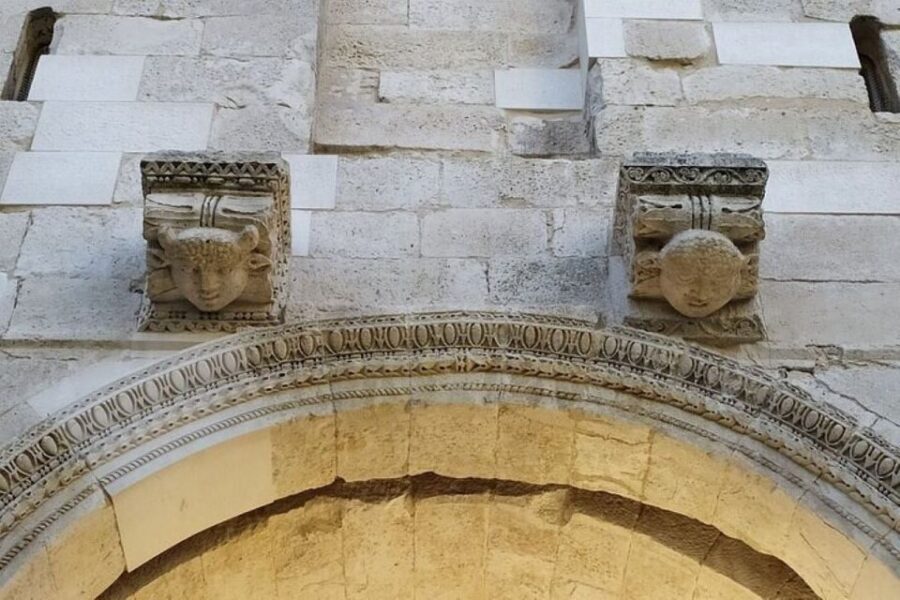
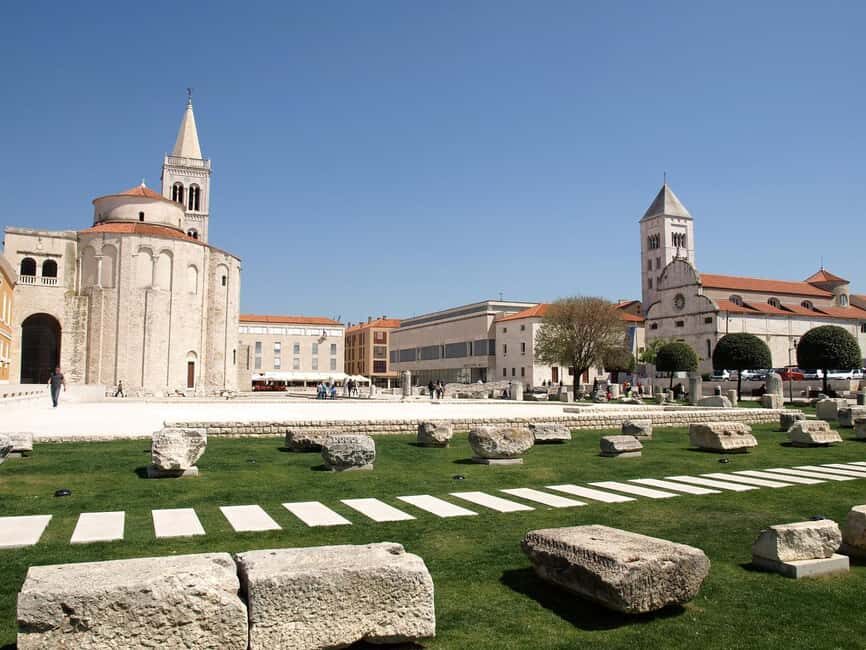
No Zadar walk feels complete without the classic religious and Roman-era anchors. You’ll visit the Roman Forum and the Church of St. Donatus, both of which are strong because they’re visual even when you’re standing still.
The Roman Forum stop is useful because it helps you see the city’s long timeline without needing a textbook. You’ll connect Zadar’s layout and public spaces to an older civic world, and the guide can explain how that groundwork influenced what came later.
Then comes St. Donatus—iconic for good reason. This is a church that looks like it belongs in a storybook, but the tour’s value is what you learn around that look. The architecture isn’t just pretty; it points to the city’s identity and ambitions across time.
One practical note: entry to St. Donatus is not included. If you want to go inside, plan on adding ticket time to your day. If you’re fine with exterior views, you can still get a lot from the stop, especially when the guide points out key features.
You can also read our reviews of more private tours in Zadar




Squares and side churches: the calm before the sea
Between the big anchors, you’ll also pass through quieter moments that make the tour feel like walking through a real neighborhood. You’ll see Church of St. Simon and 5 Wells Square, and these pauses matter.
Squares like 5 Wells Square are where you understand that public life in Zadar wasn’t only about power centers. They were also about local movement—meeting points, practical gathering spaces, and everyday circulation. A good guide helps you notice why these places exist, not just where they are.
Side churches are similar. They may not be the headline stop, but they help round out the story. You start to see patterns: different periods leaving their marks, and religious buildings acting as landmarks for locals navigating the city over generations.
If you’re traveling with kids or family, these interludes can be a blessing. Shorter, more conversational stops keep attention from burning out while still adding context.
Sea Organ and Greeting to the Sun: Zadar’s modern voice
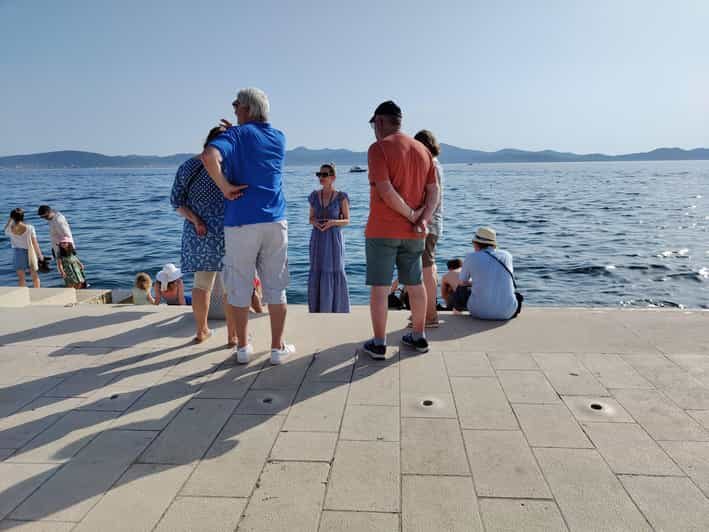
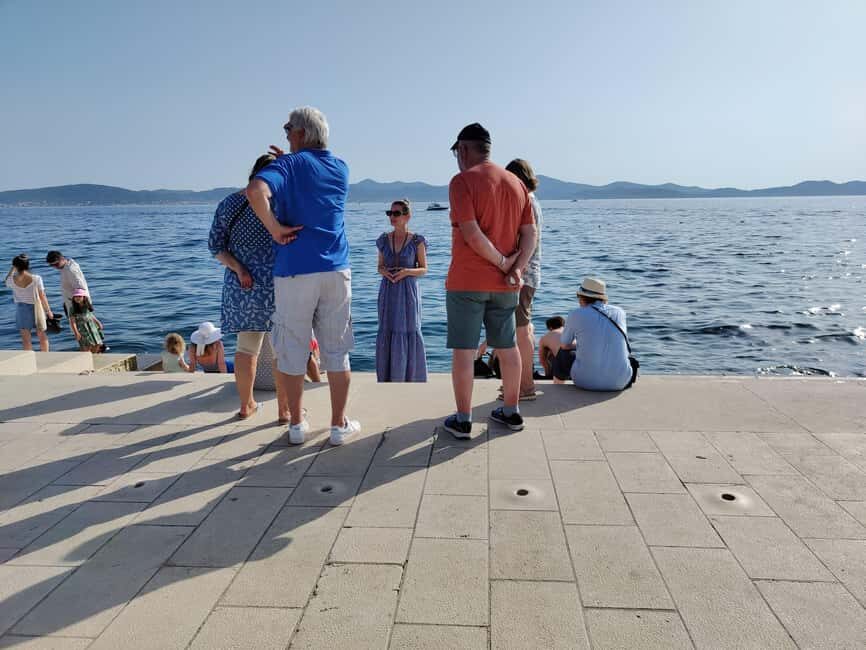
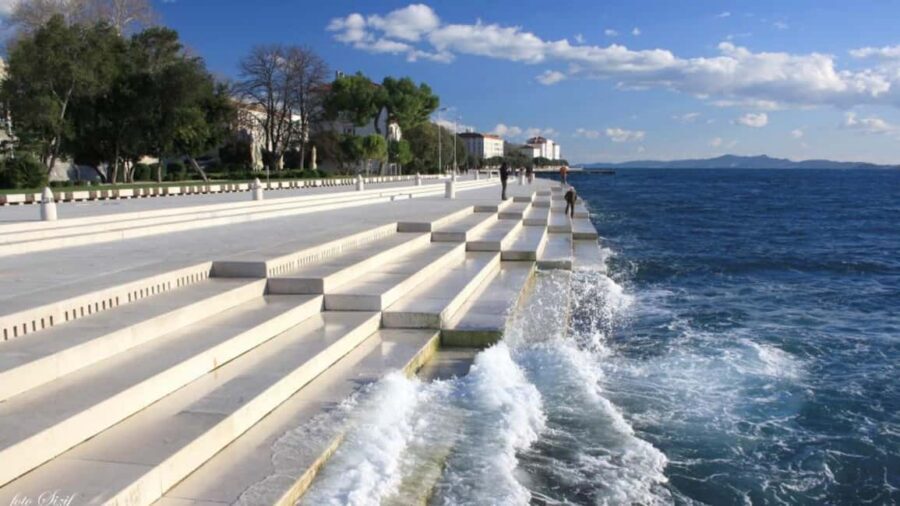
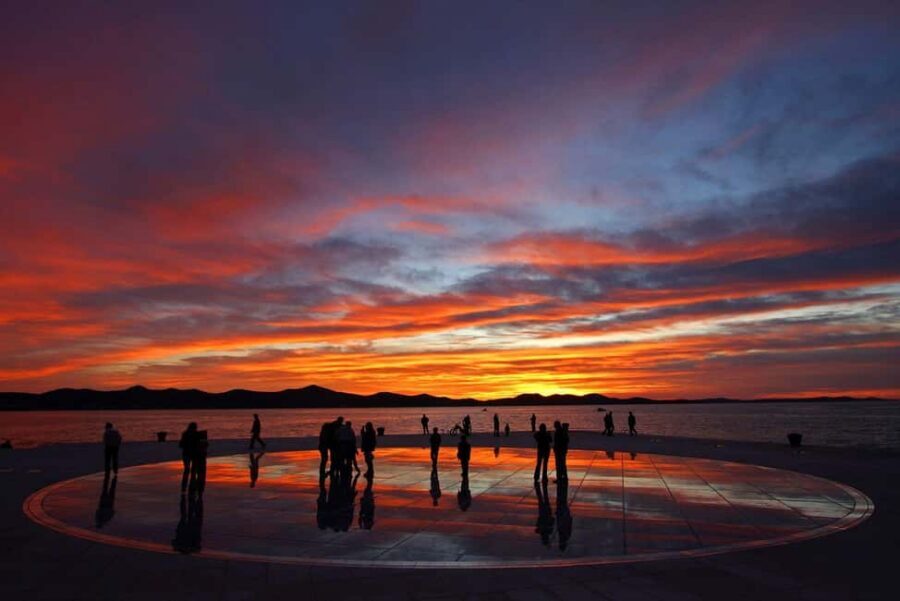
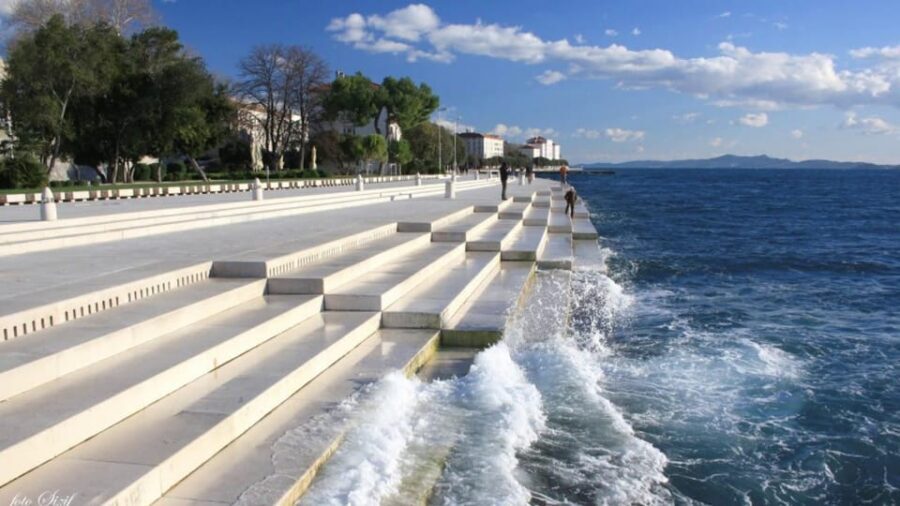
Then the tour shifts toward the waterfront, where Zadar stops pretending it’s only about the past. The Sea Organ and the Greeting to the Sun are modern public works that feel strangely logical once you know what you’re looking for.
The Sea Organ is explained as a functioning, physical instrument of the seaside. It’s not just something to photograph; it’s something to experience through sound and timing. The Greeting to the Sun adds another layer—light and choreography designed for public space.
Why these stops are worth your time: they show how Zadar links tradition and invention. You’ll realize the city still treats public spaces as civic stages, just with new tools and new ideas.
This is also where the tour’s pacing pays off. You’ve already trained your eyes on older structures and street logic, so when the modern waterfront appears, it doesn’t feel like a random detour. It feels like the next chapter.
UNESCO fortifications and gates: closing the loop on defense
Later in the walk, you’ll encounter the 16th-century fortifications, listed as UNESCO. Fortifications can sound dry, but on foot they’re easier to understand because you see how walls shape movement, views, and accessibility.
As you progress, the route connects back toward gateway landmarks such as Land Gate. When you reach a gate area after seeing churches and squares, something clicks: you understand the city as a system, not just a collection of photos.
This portion also helps you appreciate the practical side of old towns. People didn’t just live in the past—they moved through controlled passages, used walls for protection, and relied on street connections that were designed around survival.
If you like walking tours that end with a sense of structure, this is a strong closer. You leave with an understanding of why Zadar’s geography feels like it does.
Price and logistics: is $117 per group good value?
The price is $117 per group (up to 10 people) for about 90 minutes. That’s not per person, which changes the math in a big way. For a couple, it might feel like a premium, but for small groups it can be very cost-friendly compared with paying per person for individual interpretation.
Where the value really lands is in what you get beyond facts. A good private guide helps you understand what you’re seeing and then points you toward what to do next. In this case, guides have provided personal restaurant recommendations and helped with choices so your evening continues smoothly after the walk. One group also mentioned a short Marascino tasting stop, which is the sort of local add-on that can turn a sightseeing tour into a memorable experience.
You should also consider your priorities. If you only want quick photos and don’t care about context, you might feel the tour is slower than you expect. If you like learning while you walk and want an expert to answer questions in real time, this format fits well.
Who this tour suits best
This tour is ideal for you if you want:
- German-language storytelling without translation gaps
- A manageable walking duration that covers major Zadar anchors
- Someone to connect architecture to real life today
- A private setup for your group, with room to adjust the focus
It’s also a good pick if you’re traveling with mixed ages. The walk length is short enough for many families, and the guide can pitch explanations at different levels without making it feel like babysitting.
If you strongly prefer museum-style interiors and guided entry into specific buildings, remember that tickets for St. Donatus and the Cathedral aren’t included. You can still do the exterior-focused version, but you’ll want to plan for additional costs if you want inside access.
Should you book this Zadar walking tour?
I’d book it if you want Zadar to make sense quickly. The combination of old-town streets, major churches, Roman-era reference points, and the waterfront public art is a smart mix, and the German-speaking private format makes it easier to ask questions and personalize the walk.
Skip it only if you’re traveling with a very light interest in context and you’re happy doing Zadar mostly on your own. In that case, you might not feel the added value of a guide.
FAQ
FAQ
What language is the private guide?
The tour is guided in German.
How long is the walking tour?
The duration is 90 minutes.
How much does the tour cost?
It costs $117 per group, up to 10 people.
Is this a private tour or a group tour?
It’s a private group experience.
Where does the tour start?
The starting location is Ulica Nova vrata.
Is the tour wheelchair accessible?
Yes, the tour is listed as wheelchair accessible.
What is included in the price?
A private guide (German speaking) is included.
Are church or cathedral entry tickets included?
Entry to St. Donatus Church and the Cathedral of St. Anastasia is not included.