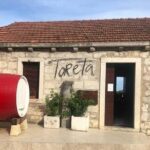
Sea views and organic wine is a winning combo. In the Dingač vineyards near Pijavičino, you get a guided, organic-focused tasting with a snack pairing, all set against big Adriatic views. I’m drawn to how the guide links what’s in your glass to where the grapes grow.
I also love the wine-and-food pairing format. You’re not just sipping; you’re eating along with each pour, with olive oil and thoughtful bites built for the wines. One thing to consider: you’ll need your own way to get to the vineyard area since private transportation isn’t included, and the experience depends on good weather.
In This Review
- Key highlights you’ll care about
- Where the Dingač tasting actually fits in your trip
- Price and value: what you really get for $108.45
- Getting to the meeting point near Pijavičino
- The tasting experience in the vineyard: sea views first, then wine
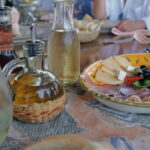
- The snack pairing set: olive oil, anchovies, pancetta, cheese, chocolate
- Start with Vicelić extra virgin olive oil and bread
- Rose 2024 with anchovies and olives
- Plavac 2020 with pancetta
- Dingač 2020 with hard cheese
- Archive Dingač selection 2018 with dark chocolate
- Why this vineyard talk matters: terroir plus family context
- What to expect from the pacing and group setup
- Dubrovnik crowds versus vineyard calm: the real payoff
- Practical tips before you go
- Should you book this organic wine tasting in Dingač?
Key highlights you’ll care about
- Seaside Dingač setting in Pijavičino with sea views that start before the first pour
- Assisted tasting with wine production ideology plus family wine-making history
- 4 wines plus Vicelić extra virgin olive oil, each paired with a specific local snack
- Unhurried, personal pacing in a small private-group format
- Good-weather requirement keeps the experience outdoors where it belongs
Where the Dingač tasting actually fits in your trip
This is a boutique winery experience with a simple goal: help you taste the place, not just the wine. The experience happens in the grand Dingač vineyards, where the view across the sea does half the job of setting expectations. If you’re pairing this with time on the Korčula side, it works well as a change of pace from coastal towns and cruise-ship days.
The tour runs about 2 hours, so it’s long enough to slow down and learn a bit, but not so long that you lose the rest of your afternoon. You’ll be in the hands of the winery’s guide for the tasting, and the snack pairing is part of the rhythm—not an afterthought.
The style is also clear from the way it’s described: you’ll get both tasting and talk. That mix matters because you’re not just collecting flavors. You’re building a quick mental map of how the vineyard’s character shows up in the wines.
You can also read our reviews of more tours and experiences in Korcula.

Price and value: what you really get for $108.45
At $108.45 per person, the price isn’t trying to be the cheapest glass of wine in Croatia. What you’re paying for is a guided sit-down experience with multiple tastings and food pairings at the vineyard itself.
Here’s what’s included:
- Alcoholic beverages (the full tasting set)
- A guide who walks you through what you’re tasting
What isn’t included:
- Private transportation
So the value question becomes: can you reach the meeting point without expensive private transfers? If you can, this starts looking like a fair deal for the time, the number of tastings, and the fact that it’s in the vineyards with sea views.
You’ll also get a mobile ticket and a small-group setup described as private (only your group participates). Even without fancy marketing, that tends to mean less waiting around and more actual conversation while you taste.
Getting to the meeting point near Pijavičino
Plan to start at Dingač Zaškolj 23, 20244, Pijavičino, Croatia. The experience ends back at the same meeting point, so you’re not stuck figuring out onward travel during the tour.
Because private transportation isn’t included, you’ll want to think about your logistics early. If you’re already in the area, you’re in good shape. If you’re coming from elsewhere (including Dubrovnik or Korčula), budget time for the drive and keep it simple.
A practical note: confirmation is received within 48 hours of booking, subject to availability. So if you’re traveling close to your dates, don’t wait until the last moment to lock in your plan.
The tasting experience in the vineyard: sea views first, then wine
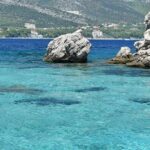
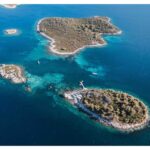
You begin in Pijavičino and head into the tasting flow right where the wines belong. The key moment is that you’re tasting while taking in the spectacular sea views and the setting that makes Dingač feel like more than a label.
The guide runs an assisted wine tasting, which is exactly what you want when you’re learning and not trying to “figure it out” alone. The talk includes the winery’s production ideology and the family’s wine-making history, so you get context for the organic approach rather than vague claims.
This part is also where the experience feels most different from a standard quick stop. You’re not racing through cups. You’re pausing long enough for the guide to connect the dots between vineyard choices, winemaking direction, and what you notice in the glass.
If you’re the type who likes to ask questions, this is your moment. And if you’re not, the structure still carries you—each pour has a paired snack, which keeps the tasting grounded.
The snack pairing set: olive oil, anchovies, pancetta, cheese, chocolate
This tasting includes Vicelić extra virgin olive oil with bread, followed by a sequence of pours with specific pairings. The lineup is designed so you can test how food and wine interact in real time.


Start with Vicelić extra virgin olive oil and bread
You kick things off with olive oil, and that’s a smart choice. Olive oil is the kind of flavor anchor that helps your palate reset between later bites and wines. It also sets the local, food-first tone before alcohol enters the story.
If you care about texture and balance, pay attention here. Olive oil can feel smooth or peppery, and even when you’re not analyzing like a sommelier, it teaches your mouth what to expect from the rest of the pairing.
Rose 2024 with anchovies and olives
This pairing sounds bold because anchovies aren’t the classic crowd-pleaser pairing most people expect with rose. But that’s part of why this experience works: it challenges your assumptions gently, with guidance.
With briny fish and olives, your palate tends to get salty-sapidity. A dry, refreshing style of wine usually helps cut through that richness. Even without knowing the technical details, you can usually sense whether the wine refreshes your mouth or gets overwhelmed.
Plavac 2020 with pancetta
Pancetta brings fat and savory depth, which means the wine pairing has to do more than taste good alone. This is where you’ll likely notice how the wine handles heavier bites.
When food is richer, the best pairings typically keep your mouth from feeling coated. That’s what you’ll be testing: does the wine feel structured enough to stand up to pork, or does it collapse into the background?
Dingač 2020 with hard cheese
Hard cheese is the “palate grader” of many tastings. It tends to have strong flavor and sometimes a lingering effect. A vineyard tasting set like this uses cheese because it shows whether the wine has enough grip, balance, and character to keep the pairing from becoming tiring.
If you want a quick way to judge the pour quality, cheese is one of the most reliable tools—especially when the guide is pairing intentionally rather than randomly.
Archive Dingač selection 2018 with dark chocolate
Ending with dark chocolate is the perfect closing move. It brings sweetness, bitterness, and aroma complexity in one bite. Chocolate can also expose whether the wine remains pleasant when the palate shifts.
Here, the tasting becomes less about “cheers” and more about contrast. You’ll probably find this is the moment where the tour becomes memorable, because it’s both unexpected and neatly practical.
Why this vineyard talk matters: terroir plus family context
The experience doesn’t treat terroir like a buzzword. It links the vineyard’s character to what the winery chooses to do in the cellar. You’ll hear about the winery’s production ideology and get family wine-making history as part of the tasting.
That matters for you in two ways.
First, it helps you taste with purpose. Instead of wondering why a wine is structured one way, you get a framework for what the winemaker is aiming for. Second, it makes the tasting feel personal. The guide’s job isn’t to throw fancy words at you; it’s to connect the dots so you leave with more than a shopping list.
In the Dingač setting, this is especially effective because you’re not tasting in a sterile room. You’re tasting where the grapes grow. Even if you only catch a piece of the explanation, the surroundings make it stick.
What to expect from the pacing and group setup
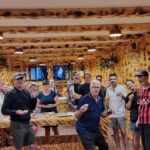
This is described as a private tour/activity, meaning only your group participates. That’s valuable if you don’t want to listen to a loud group while you’re trying to focus on pairings. It also tends to make questions easier and more natural.
The tasting time for the main selection with snack pairing is about 90 minutes within the overall ~2-hour experience window. That means you’re not just doing quick sips. You’ll have time to taste through the full progression and get guidance between bites.
You’ll also be outside in the vineyard environment. Service animals are allowed, and the experience says most travelers can participate, so there’s broad fit for different comfort levels—just remember it’s an outdoor winery setting where weather affects everything.
Dubrovnik crowds versus vineyard calm: the real payoff
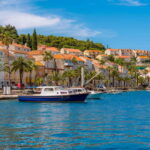
If you’re spending time in southern Croatia and want a break from busier hubs, this kind of vineyard tasting is a strong move. The view over Pelješac and the sense that you’ve stepped into a working wine place changes the mood fast.
This is also the kind of activity that works best when you want quality over quantity. You’re not rushing through multiple stops. You’re slowing down with a guide, eating local snacks, and tasting wines in an order that makes sense.
The best part is that you can feel the care in the structure. Four wines, olive oil, and snacks that match each pour. It’s thoughtful without being overcomplicated.
Practical tips before you go
Here’s how to make the most of it without overthinking.
- Dress for outdoor conditions. You’ll be in the vineyard setting with sea air, and the experience requires good weather.
- Plan for no-transport surprises. Since private transportation isn’t included, handle your ride to Pijavičino in advance.
- Eat something beforehand if your schedule is tight. The tasting includes a snack pairing set, but it’s still a two-hour experience.
- Ask at least one question about the organic approach or terroir. The tour is built around the winery’s ideology and the family’s story, so you’ll get more value if you engage.
Should you book this organic wine tasting in Dingač?
I’d book this if you want an actual guided tasting experience, not just a quick pour-and-go. The combination of sea views, assisted tasting, and a structured pairing snack set makes the time feel well used.
I’d skip or think twice if you can’t manage the travel logistics to the meeting point, or if your schedule is fragile around weather. Since the experience requires good weather, you don’t want to gamble on a tight itinerary.
If your ideal day is: calm vineyard setting, real food paired with wine, and a guide who brings the wine-making story into the tasting—this is a very good fit.