REVIEW · KORCULA
Korčula Eco Heritage Tour with Snacks
Book on GetYourGuide →Operated by Rumarinka · Bookable on GetYourGuide
A short walk can teach you a lot. This Korčula Eco Heritage Tour with Snacks mixes an outdoor hike with cave time, island farming, and stories that connect ecology to how people lived. If your guide is Marinka, you’ll appreciate how she keeps the walk interactive and grounded in real, practical details.
I love that you’re not stuck in a classroom. You’ll cover archaeological and agricultural sites with stops that explain herbs, trees, and how local people survived on what the land provided. That focus makes the island feel understandable fast.
One thing to plan for: this is still a hike. You’ll do about a 20-minute uphill walk to reach the sites, and it’s not set up for wheelchair users, so good shoes and a steady pace matter.
In This Review
- Key things that make this tour worth your time
- From Korčula Town or Vela Luka: how the walk is paced
- What you’ll see beyond the views: agriculture on Korčula Island
- The cave visit: why it’s included in a heritage-and-food tour
- Wine’s rise and fall in the 19th century, explained the practical way
- Yugoslavia time to today: values you can read in everyday life
- Snacks and sips: local staples with a history lesson
- Views without the chaos: where the photo happens
- What it’s really like with a small group and a guide who adapts
- Price and value: is $41 worth it?
- Who should book this Korčula eco heritage tour?
- Book it or skip it: my practical take
- FAQ
- Where does the tour start?
- How long is the tour?
- Is it a hike?
- What languages are available?
- How big is the group?
- What’s included in the price?
- What about food and drinks?
- What should I bring?
- What should I wear?
- Is it wheelchair accessible?
Key things that make this tour worth your time
- Small group of up to 10 means you can ask questions and actually follow along
- A guided walk to farms and heritage sites, with cave entrance included
- Herbs and trees as survival tools, not just pretty plants
- Wine production’s rise and fall in the 19th century framed in everyday life terms
- Locally produced snacks and sips tied to what islanders grew and ate
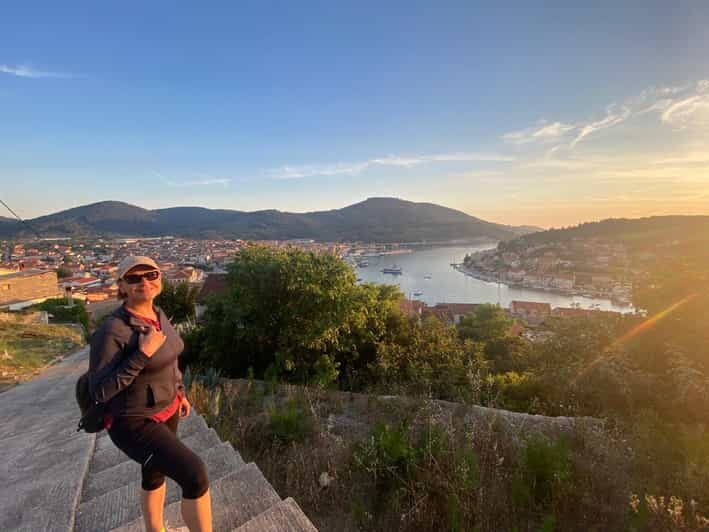
- Breathtaking views where you’ll stop long enough to take a real photo
From Korčula Town or Vela Luka: how the walk is paced
This tour is built to work from either of Korčula’s main towns: Korčula Town or Vela Luka. You meet your guide in each location and then head out on a short, active hike. The full experience runs about two hours, and the guide can adjust the pace based on what you’re most interested in.
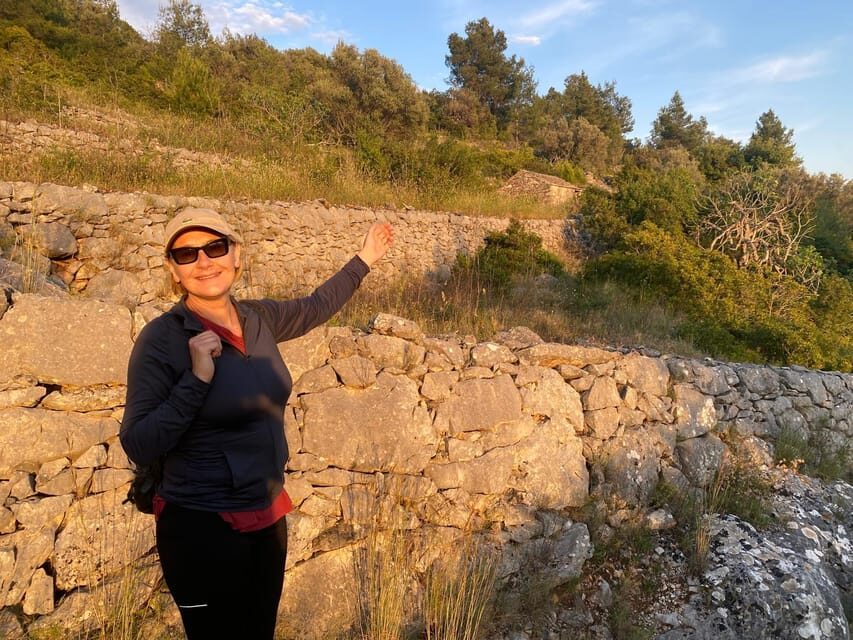
The hiking part isn’t extreme, but it’s not a flat stroll either. Expect around a 20-minute hike to reach notable archaeological and agricultural points. After that, you’ll slow down for explanations, small pauses to look closely at plants and features, and photo stops.
Because the group stays small, you’re not just standing in a line. You’ll be able to ask “why” questions about how people adapted to the island, and you’ll get the kind of answers that help you connect the dots later when you’re on your own.
You can also read our reviews of more historical tours in Korcula
What you’ll see beyond the views: agriculture on Korčula Island
Korčula’s big selling point is that it’s an island where the land matters. This tour leans hard into agricultural heritage, showing how people used what grew locally and how that shaped daily routines. You’ll walk through the island’s farming world and see how it connects to survival, not just scenery.
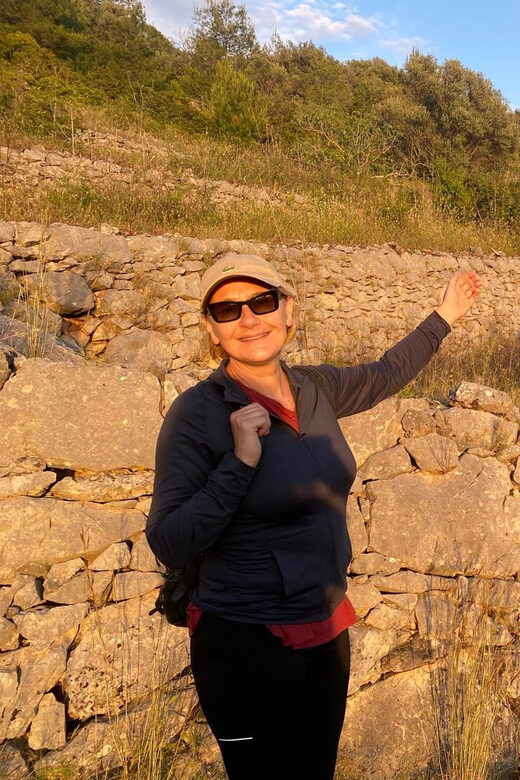
A standout is the way the guide introduces herbs and trees along the route. The focus isn’t on “look at this plant” but on why it mattered for living on the island across generations. Even if you don’t know the names of things, you’ll learn what they were used for—how they supported food, health, or basic needs in the past.
You also get an answer to a question you might not think to ask until you’re there: what did people actually eat and grow here? The tour keeps circling back to practical island knowledge, from land use to what ingredients were staples.
The cave visit: why it’s included in a heritage-and-food tour
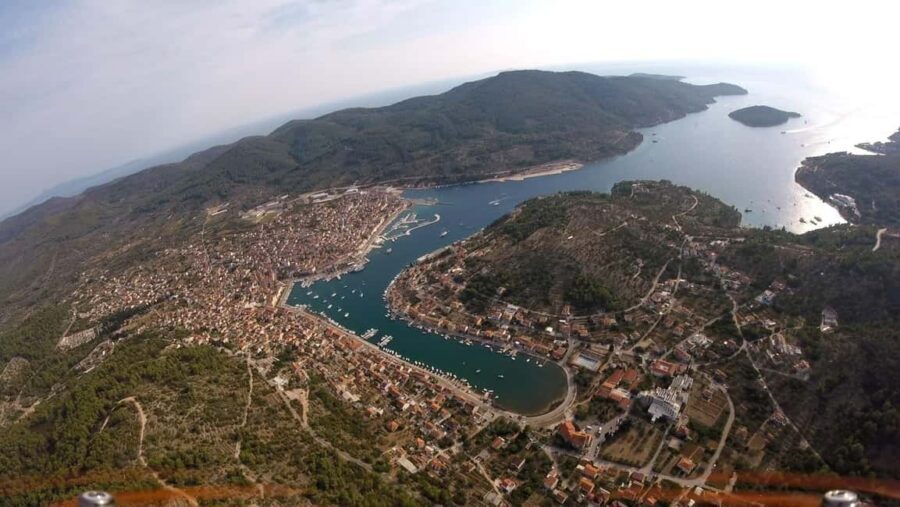
The tour includes an entrance ticket to the cave, so part of your time is spent moving from open-air farmland views into a more enclosed, heritage-focused setting. Even though the exact cave details aren’t laid out here, the structure of the tour suggests it’s part of the island story—another way to connect geography with human activity.
Cave access also helps break up the hike. You’re not only walking through vegetation and viewpoints; you’re getting a change in setting that makes the overall experience feel fuller. It’s a good match for a two-hour tour because it adds variety without dragging on for half a day.
If you’re the kind of traveler who likes context—why people used certain spaces and how the terrain shaped life—this inclusion matters. It’s not just a sightseeing walk; it’s a guided route through places tied to human needs.
Wine’s rise and fall in the 19th century, explained the practical way
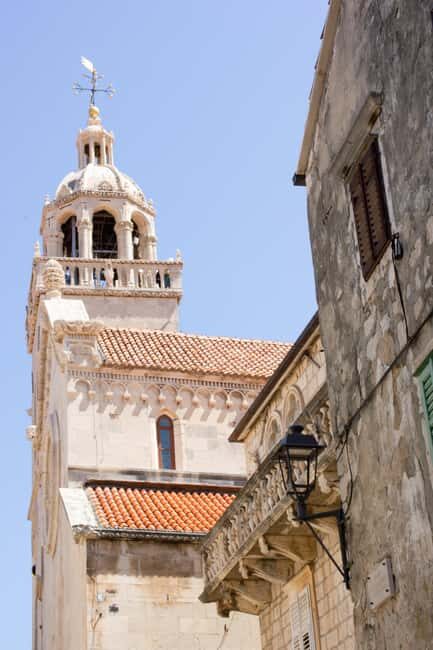
Wine comes up directly in this tour plan, especially the rise and fall of wine production in the 19th century. That doesn’t just sound like a date and a fact; it’s a story about economics, land use, and how fortunes can change when something that drives farming shifts.
What I like about this angle is that it’s not presented as a wine-only detour. Instead, it fits the broader theme: how people used their land and how they responded when production boomed and later cooled off. If you’re visiting the region and want more than a generic “they made wine” line, this gives you a sharper way to look at what you might see around Korčula.
When a guide ties historical production to the physical reality of farms and fields, you stop thinking of history as distant. You start noticing how human choices shape what remains on the land.
Yugoslavia time to today: values you can read in everyday life
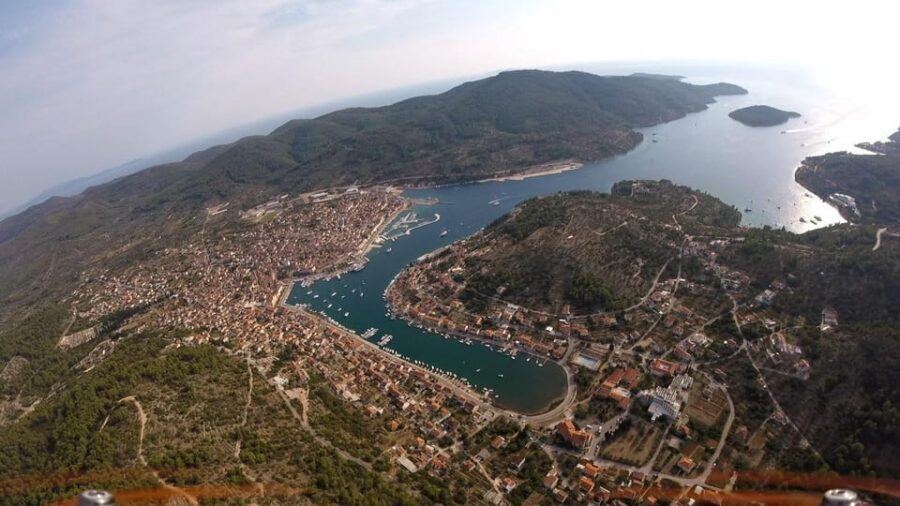
Another feature of the tour is the shift in perspective from older eras to more recent times, including Yugoslavia time and contemporary life and values. This is where the tour becomes more than eco and archaeology—it becomes social history.
You’ll learn how people’s priorities and values changed across time and what stayed consistent in the way islanders think about community, work, and daily survival. Even with limited time on one route, this kind of framing helps you understand why the island feels the way it does now, not just how it looked centuries ago.
If you like tours that connect the past to the present, you’ll probably find this portion especially satisfying. It also makes your snack stops feel more meaningful, because food is never only food on an island—it’s identity and routine.


Snacks and sips: local staples with a history lesson
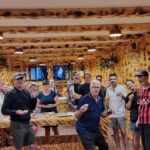
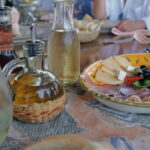
The tour is named for a reason: snacks are a core part of the experience. You’ll get locally produced snacks that have been a staple for islanders for centuries, plus some sips to go with them. This is one of the most memorable ways to learn what people ate without needing a formal meal.
You’ll also connect the food to the land. The guide talks about what people ate and grew on their land, which is exactly what you want if you’re tired of tourist tastings that feel disconnected from everyday life.
Practical note: since this is not a full individualized meal, plan to eat afterward if you’re hungry. But for many visitors, the snack portion plus the walk’s pace is a great mid-day or late-morning reset.
And because the group is small, you won’t feel rushed through the tasting. You’ll get time to ask questions about ingredients and habits—questions that make the food taste better.
Views without the chaos: where the photo happens
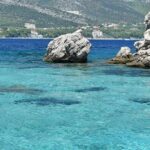
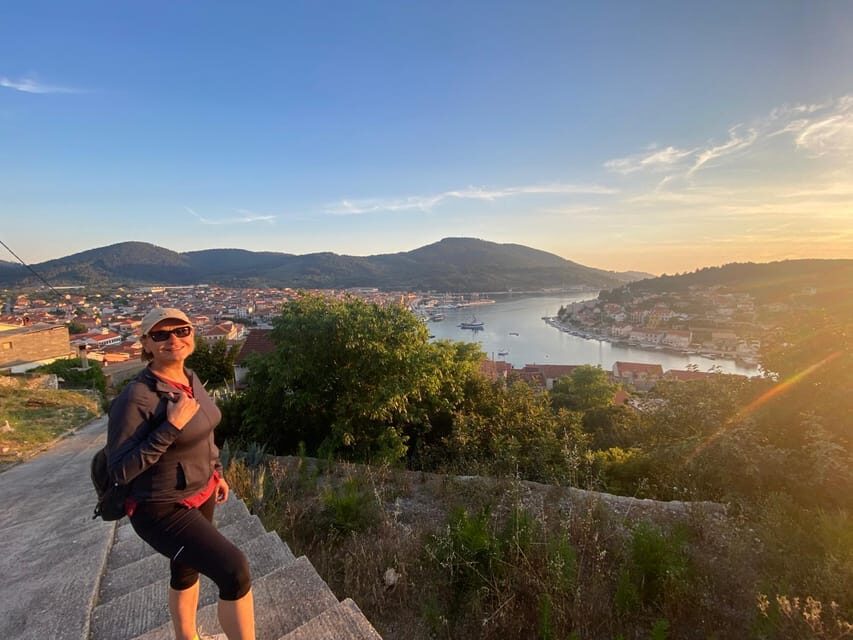
Korčula tours often promise viewpoints. This one gives you viewpoints, but it also treats them like part of the lesson. As you move along the route, you’ll reach breathtaking views where you’ll want to take a lasting photo.
The best part is that the tour doesn’t seem designed to treat the view as a quick stop-and-go checkbox. You’ll slow down long enough to actually look out, then continue so the scenery stays connected to what you’re learning about land use and survival.
If you want the best photos, bring a phone with some storage space and be ready for bright light. A sun hat helps too, since you’ll be outside for a good chunk of the tour.
What it’s really like with a small group and a guide who adapts
This is a small group tour limited to 10 participants, and that matters more than it sounds. In a small group, you get a more personal pace. If you’re a nature person, the guide can spend more time on herbs and trees. If you care more about history, you’ll likely get more context around wine and daily life.
The tour also runs in multiple languages: English, Croatian, and Russian. That’s helpful if you’re traveling with someone who prefers one of those languages. It also suggests the guide is comfortable communicating in a way that stays clear and focused.
Marinka is specifically called out as someone who brings both warmth and knowledge. Based on how people describe the experience, she’s the kind of guide who doesn’t just talk—she makes it interactive and easy to follow, especially when explaining ecosystems alongside history.
Price and value: is $41 worth it?
At $41 per person, you’re paying for more than a basic walk. What makes the price feel reasonable is that several meaningful items are included: a certified guide, snacks, and a cave entrance ticket.
Here’s how I’d frame the value for you:
- You’re getting a guided experience with history + ecology tied together.
- You get included food (snacks and sips), so you don’t need to plan that part separately.
- You’re not paying extra just to access the cave component.
If you’re comparing to tours that charge separately for entrance fees and tastings, this pricing structure is a plus. Also, the timing is tight and efficient: about two hours. That’s ideal if you don’t want a half-day commitment but still want a structured, memorable experience.
Who should book this Korčula eco heritage tour?
This tour fits best if you like nature and history but don’t want either one to take over completely. You’ll probably enjoy it most if:
- You want island agriculture and ecology explained in plain language
- You like local food stories tied to how land supports people
- You’re curious about how history (including the 19th century and Yugoslavia era) connects to daily life now
- You’d rather be with a small group than a crowd
It’s less ideal if you need fully flat ground or wheelchair access. The tour is clearly not suitable for wheelchair users, and you’ll be doing that short hike to reach the sites.
If you only want museum-style indoor history, this may also feel too outdoors-focused. Bring the right shoes and expect fresh air.
Book it or skip it: my practical take
I’d book this if you want a Korčula experience that feels grounded in how the island actually works. The combination of agricultural sites, cave access, and snack time is a smart formula for learning without boredom. It also gives you a story you can carry into the rest of your day—when you walk past vineyards, olive trees, or stone structures, you’ll know what questions to ask.
Skip it if you want a low-effort activity or you don’t handle uneven ground well. The hike isn’t described as extreme, but it’s still a hike, and the route includes features that aren’t set up for wheelchairs.
If you can handle a moderate walk and you’re excited by local food tied to place, this one is a good match.
FAQ
Where does the tour start?
The tour can start in either Korčula Town or Vela Luka. In Korčula Town, the meeting point is at Korčula Spot Mall near Jysk chop. In Vela Luka, it’s in front of St. Joseph Church near the staircase.
How long is the tour?
The tour lasts about two hours, depending on your mood and interests.
Is it a hike?
Yes. You’ll take approximately a 20-minute hike to reach archaeological and agricultural sites.
What languages are available?
The live tour guide is available in English, Croatian, and Russian.
How big is the group?
The group is small, limited to 10 participants.
What’s included in the price?
Included are a completely guided tour by an experienced and certified guide, entrance ticket to the cave, and snacks.
What about food and drinks?
Snacks are included, and you’ll also have some sips. The tour is not a full individualized meal.
What should I bring?
Bring a sun hat, clothes that can get dirty, and a reusable water bottle.
What should I wear?
Wear comfortable sporty clothes and shoes. Flip flops are not recommended.
Is it wheelchair accessible?
No. The tour is not suitable for wheelchair users.