REVIEW · PULA
Pula: Historic Walking Tour with Local Guide & City Views
Book on GetYourGuide →Operated by Acta Est Fabula · Bookable on GetYourGuide
Three Pula stops in one smooth loop.
This Historic Walking Tour with Local Guide & City Views turns the city into a story you can actually walk. You start at the Roman Amphitheatre and move through streets where different eras left visible fingerprints, then end up at the places locals use every day.
I especially like two things: the focus on the Amphitheatre beyond gladiators, and the way the walk ties monuments to real Istrian life through a stop at the Pula farmers market. It’s not just big stones and dates—it connects food, trade, and everyday routines to what you’re seeing.
One drawback to consider: the live guide speaks German. If you don’t comfortably follow German commentary, this tour may feel limited.
In This Review
- Key highlights you’ll feel on the walk
- Where You Start: Arena Entrance Under the Holzdach
- Entering Pula’s Roman Amphitheatre (Beyond Gladiators)
- Walking the Streets That Carry Multiple Eras
- The Roman Gates You Can Still Touch: Twin, Hercules, Sergii
- Pula Farmers Market Stop: Istria Through Food and Daily Trade
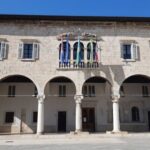
- Forum Square, August Temple Remains, and the Venetian City Hall
- How Long It Really Takes: 90 Minutes to 2 Hours, with Room for Questions
- Price and Value Check: Why $29 Makes Sense for This Route
- Language, Group Style, and Who This Tour Suits Best
- Should You Book This Pula Historic Walking Tour?
- FAQ
- FAQ
- How long is the Pula Historic Walking Tour?
- Where do we meet?
- What language is the tour guide?
- Are entrance fees included?
- Is the tour wheelchair accessible?
- Can I book this as a private group?
- Can I cancel for a full refund?
Key highlights you’ll feel on the walk
- Roman Amphitheatre start with a clear explanation of what it was built for, beyond gladiator games
- Choose-your-moment arena visit (you can decide whether to enter/inspect the amphitheatre during the tour)
- Three still-standing Roman gates: Twin, Hercules, and Sergii
- Food and local rhythms at the Pula farmers market, where Istrian produce moves through local hands
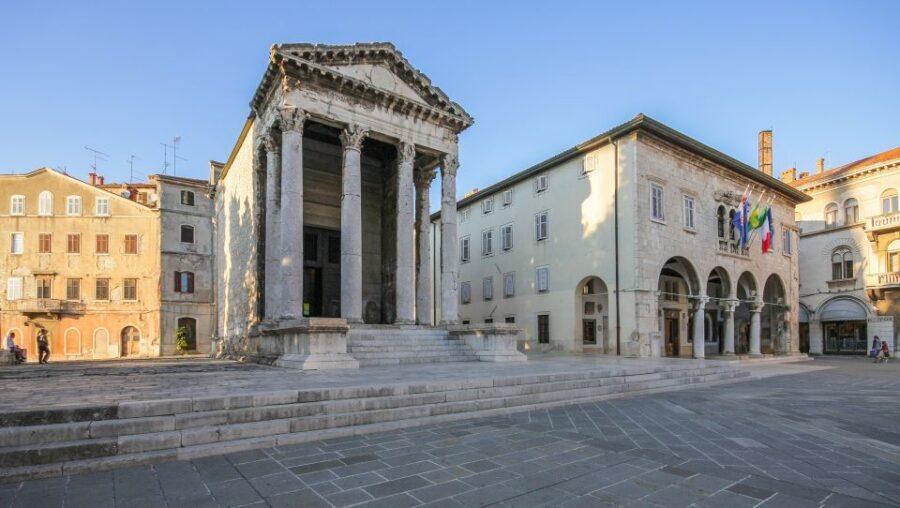
- Forum Square anchor with the August Temple remains and a chance to connect Pula’s layers of rule
- Little culture details like the goat on the regional flag, explained in context
Where You Start: Arena Entrance Under the Holzdach
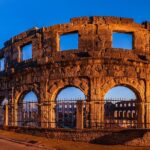
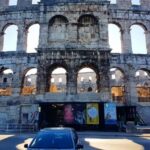
You meet at the Arena area at the entrance under the wooden canopy (Am Eingang in Arena, unter dem Holzdach). This is a smart starting point because it puts you right where Pula’s Roman story is loudest—and it also helps you get your bearings fast, before the rest of the walk threads through older streets.
The tour is designed for a 90-minute to 2-hour window, so you’re not stuck in a long wandering day. You get enough time to see the main highlights, ask questions, and still have room afterward to explore on your own.
If you’re picky about logistics, this start location is also practical: you’re meeting at a major landmark, not a random street corner.
You can also read our reviews of more walking tours in Pula
Entering Pula’s Roman Amphitheatre (Beyond Gladiators)
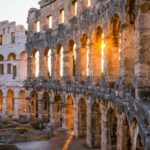
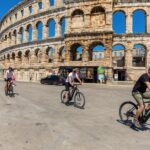
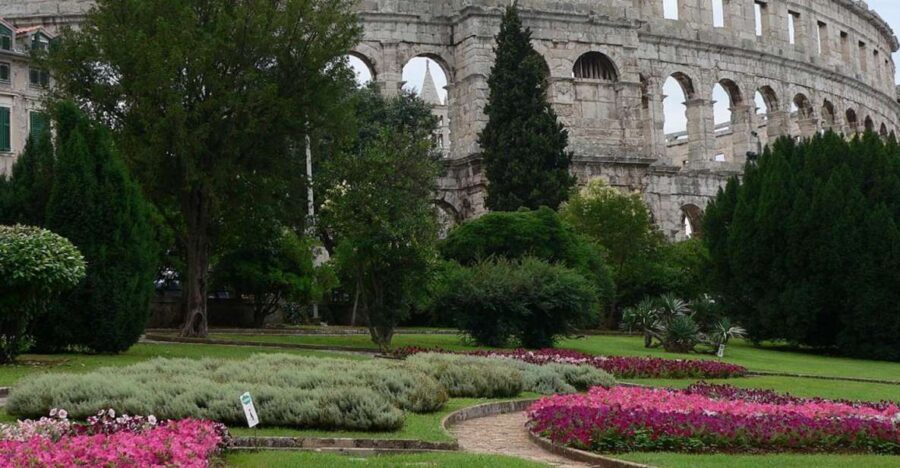
Most people know the Pula Amphitheatre for one word: gladiators. This tour takes that knowledge as a starting point, then moves into the bigger picture—what the arena was built and used for, and how it functioned as part of Roman public life.
Why I like this approach for you: when you understand the purpose of a place, the details stop being decorative. You start noticing how the structure supports crowds, movement, spectacle, and city status.
You’ll also get to decide whether to include an amphitheatre visit during the tour. That’s a good flexibility point. If you prefer photos and outside views, you can focus on the street-side story. If you want to spend more time looking closely at the site, you can.
Just keep in mind: entrance fees aren’t included, so plan for any additional ticket cost if you choose to go inside.
Walking the Streets That Carry Multiple Eras
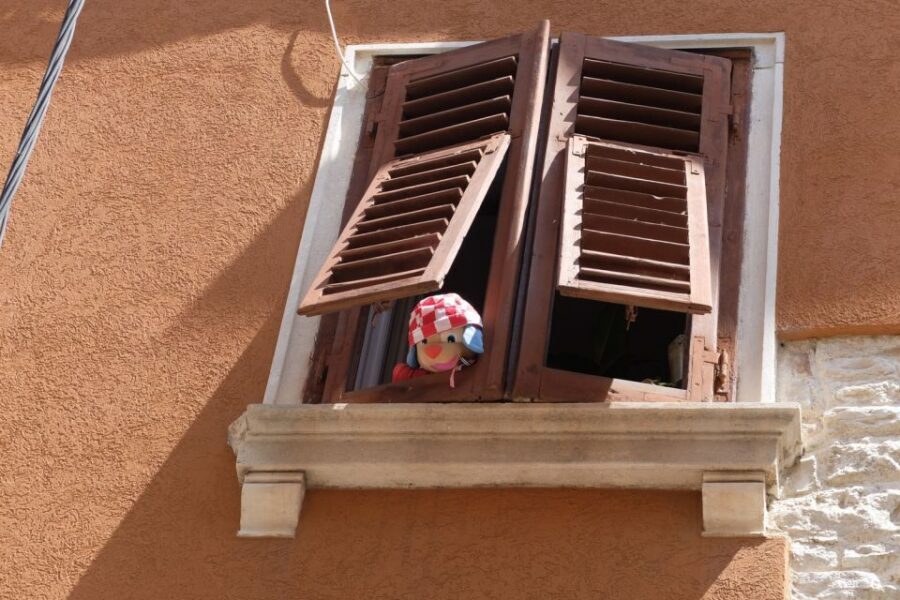
After the amphitheatre, the route naturally leads you into older parts of town. The idea here is simple: you shouldn’t have to “read history” like a book—you should see it like a map.
Along the way, your guide connects what you’re looking at to who used it and why it mattered. That makes the walk feel like a living explanation rather than a checklist.
This is also one of those tours where the guide can steer the conversation. The format is flexible, so you can focus more on local lifestyle, culture, nature, or food, depending on what you’re curious about on that day.
In short: you’re not just passing monuments—you’re learning how to interpret them.
The Roman Gates You Can Still Touch: Twin, Hercules, Sergii
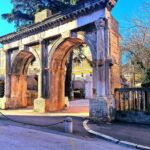
Pula has three Roman city gates that are still standing. This tour takes you to them in a way that feels complete rather than rushed.
You’ll see:
- Twin Gate
- Hercules Gate
- Sergii Gate
And you don’t just get “this is old.” The guide explains what the gates are, what their details suggest, and how their presence worked as part of the city’s defenses and movement.
Why this matters on a walking tour: gates are architectural shortcuts. They help you understand how a city controlled entry, how important routes were emphasized, and how Roman planning stayed visible even when later cultures reshaped the area.
Also, these stops create a nice rhythm for photos and rest. Gating points are naturally “pause-and-look” locations, so you’re not only stopping at big-ticket sights.
Pula Farmers Market Stop: Istria Through Food and Daily Trade
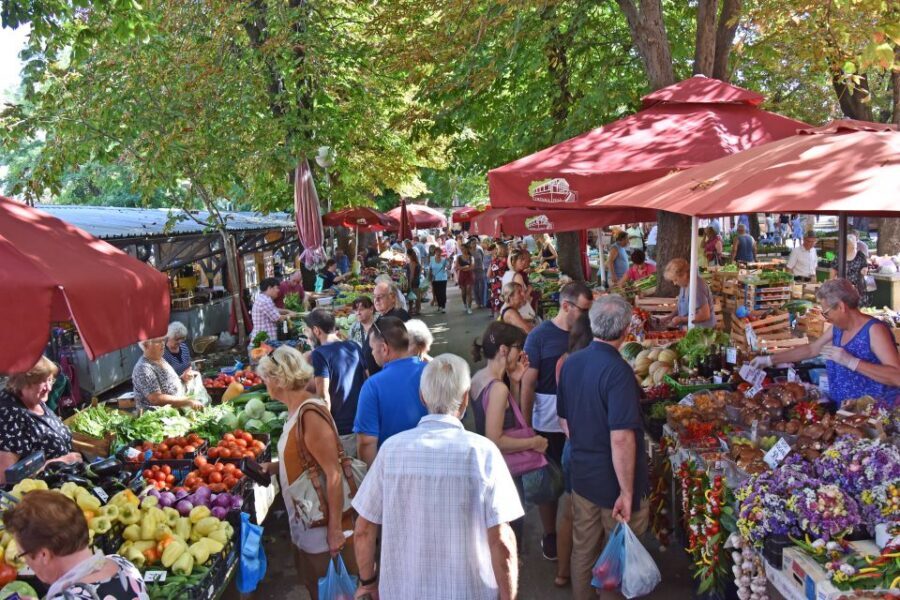
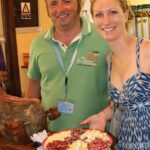
One of the most practical moments on the tour is the farmers market. You get a look at where locals buy and sell products native to Istrian soil, and that changes how you understand the whole city.
Food markets are more than shopping. They’re information hubs:
- what people grow and prioritize
- which regional ingredients remain central
- how trade and daily life shaped what’s available
Since the guide is a foodie and passionate about local cuisine, expect the market to come with context, not just a quick pass-by. It helps you connect the Roman “trade and forum” idea later in the walk to something you can see in real time.
If you’re traveling with hunger or you like to snack while sightseeing, this stop is a good place to slow down and pay attention. Even if you don’t buy anything, you’ll walk away with a stronger sense of what locals actually care about.
You can also read our reviews of more guided tours in Pula
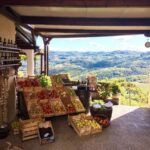
Forum Square, August Temple Remains, and the Venetian City Hall
The tour’s next anchor is Forum Square—Roman in spirit, and still important to understand. The guide frames it as the Roman version of a market area, but with the added weight of being the city’s heart.
This is where you’ll see remains of the August Temple, and you’ll also admire the Venetian city hall.
Those two elements together do something useful for your brain. They show how power shifts but the “center of gravity” can stay in the same general location. The forum concept survives even when the rulers change.
And then comes one of those details that makes a tour feel personal: the goat on the regional flag. You’ll get the explanation while you’re standing in the right place to connect symbol to local identity.
It’s the kind of fact you’ll remember later, because you didn’t learn it in isolation—you learned it standing next to the structures that shaped Pula’s story.
How Long It Really Takes: 90 Minutes to 2 Hours, with Room for Questions
The duration is 90 minutes to 2 hours, and that timeframe matters because it keeps the day light. You can fit this in before lunch, after a morning in town, or as your “intro walk” so you understand where everything is after.
This isn’t the sort of tour where you’re herded with a stopwatch and no breathing room. Based on the way the guide works, you can expect openness to questions. You’re not just listening; you’re building context as you go.
Group size can also be small. One booking example mentions a group of about 7 people and even a friendly child along for the walk, which hints at the tour’s ability to stay human-scaled rather than chaotic.
If your travel style is: short day, strong orientation, meaningful details—you’ll likely enjoy this format.
Price and Value Check: Why $29 Makes Sense for This Route
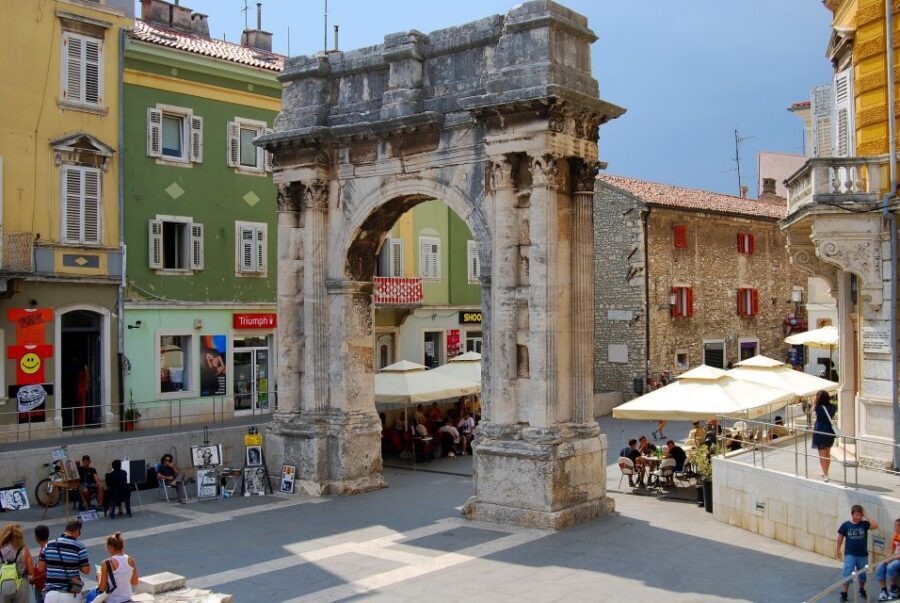
At $29 per person, the value is mostly about what’s included: a live local guide for about 1.5 hours, plus a route that hits several major categories in one go—Roman arena context, multiple gates, market life, and Forum Square monuments.
The only clear extra cost is entrances, since entrance fees aren’t included. If you choose to visit the amphitheatre, that ticket is on you. But the tour still works even if you keep it outside-focused.
So your “value equation” looks like this:
- You’re paying for interpretation and route efficiency
- You’re getting more than one Roman highlight, plus a market stop
- You’re not paying for building tickets up front
For many people, the guide’s explanations are the difference between seeing old walls and actually understanding what they meant.
Language, Group Style, and Who This Tour Suits Best
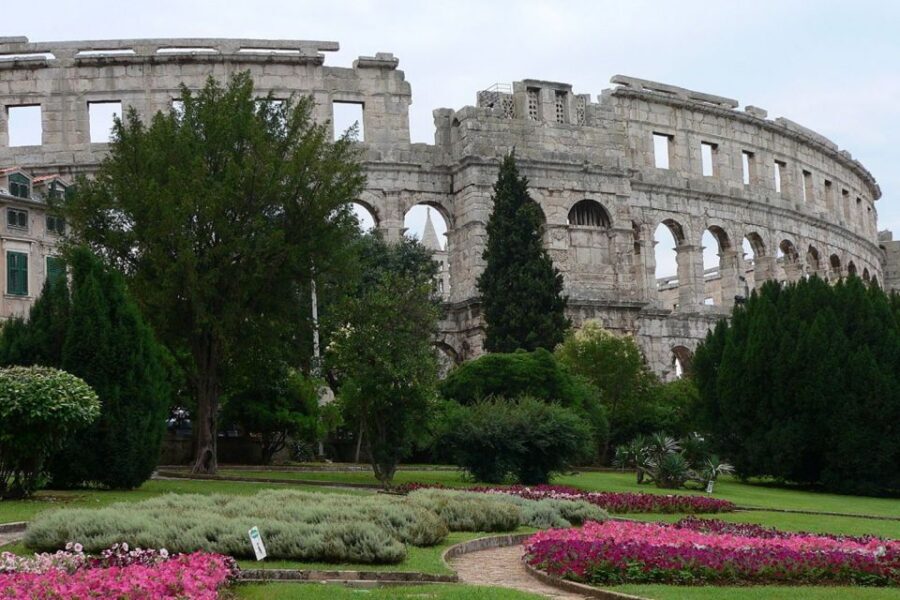
This tour is led in German. That’s a big practical point. If you can follow German comfortably, you’ll get the full benefit: the context, the food talk, and the small cultural details explained on-site.
There’s also private group availability. That’s useful if you want a slower pace, a more tailored conversation, or you’re traveling with family and want control over how the amphitheatre stop works.
Who this suits best:
- couples and solo travelers who like short, structured walks
- history-and-food travelers who want monuments tied to daily life
- people who want an organized introduction to Pula without spending all day on logistics
Who might want to consider alternatives:
- anyone who can’t comfortably understand German narration
Should You Book This Pula Historic Walking Tour?
If you want a smart intro to Pula—Roman power, surviving gates, and the feel of Istrian life—this is a strong booking. The route is efficient, the guide can adapt to what you care about (food, culture, nature), and you get a mix of big landmarks and everyday relevance.
I’d book it if:
- you like tours where the guide explains purpose, not just facts
- you enjoy market stops as part of “real travel”
- you’re comfortable doing 90 minutes to 2 hours on foot
Skip or double-check if:
- German isn’t workable for you
- you don’t want any chance of extra entrance costs for the amphitheatre interior
FAQ
FAQ
How long is the Pula Historic Walking Tour?
It lasts about 90 minutes to 2 hours.
Where do we meet?
The meeting point is at the Arena entrance under the wooden canopy (Am Eingang in Arena, unter dem Holzdach).
What language is the tour guide?
The live tour guide speaks German.
Are entrance fees included?
No, entrance fees are not included.
Is the tour wheelchair accessible?
Yes, it is listed as wheelchair accessible.
Can I book this as a private group?
Yes, private group options are available.
Can I cancel for a full refund?
Free cancellation is available up to 24 hours in advance for a full refund.