REVIEW · SPLIT
Split Old Town and Diocletian’s Palace Tour
Book on GetYourGuide →Operated by www.splitwalkingtour.com · Bookable on GetYourGuide
Split starts making sense fast when you’re standing right there. This walk pins you at the Golden Gate and then threads you through Diocletian’s Palace, Saint Domnius, People’s Square, and finally down to the Riva promenade. It’s the kind of route that turns scattered ruins into a clear story of Roman power and everyday city life.
I really like how the tour leans on a local, English-speaking guide who can explain what you’re actually looking at—Antonia, Ivana, Ante, and Slavjko/ Zlavko all get praised for that mix of facts and humor. I also like the way the layout becomes obvious: once you’ve walked the palace spaces like the Peristyle courtyard and Golden Gate approach, Split’s Old Town feels less like a maze.
One possible drawback: this is a true walking tour with steep bits and lots of old-stone uneven ground, so it’s not suitable for wheelchair users and it may be tough if you’re sensitive to hills and crowds.
In This Review
- Key takeaways before you go
- Starting at the Golden Gate: where Split’s story clicks
- Diocletian’s Palace: the ruins that actually make sense on foot
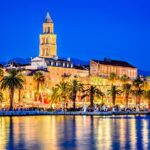
- Saint Domnius Cathedral and the 12th-century bell tower
- Gregory of Nin statue: a playful local ritual
- People’s Square: Old Town Hall and the City Clock
- The Riva promenade: Adriatic views that reward the walk
- Optional Trogir transfer: a smart add-on if you want more of Dalmatia
- Price and value: how $17 works in real life
- Who this suits best (and who should think twice)
- Tips to make the experience easier on your body and your schedule
- Should you book this Split Old Town and Diocletian’s Palace tour?
- FAQ
- How long is the Split Old Town and Diocletian’s Palace tour?
- Where do I meet the guide?
- Is Trogir included?
- What’s included in the tour price?
- Is the tour wheelchair accessible?
- What should I bring?
- Can I cancel for a refund?
Key takeaways before you go
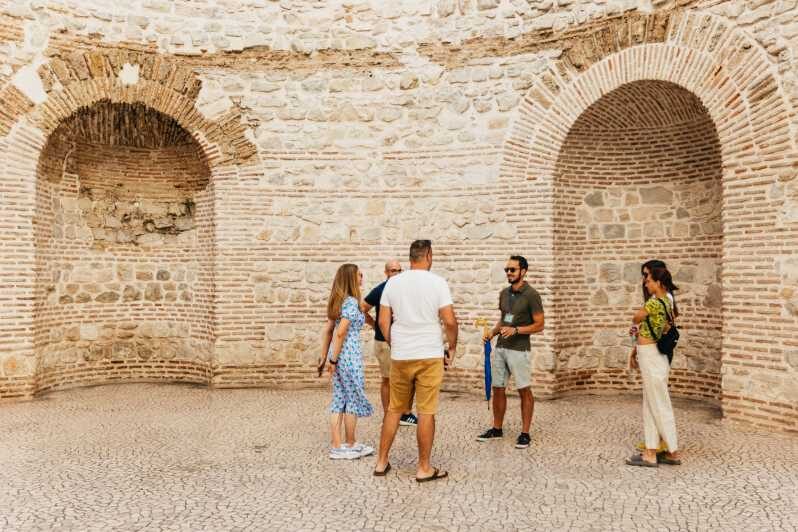
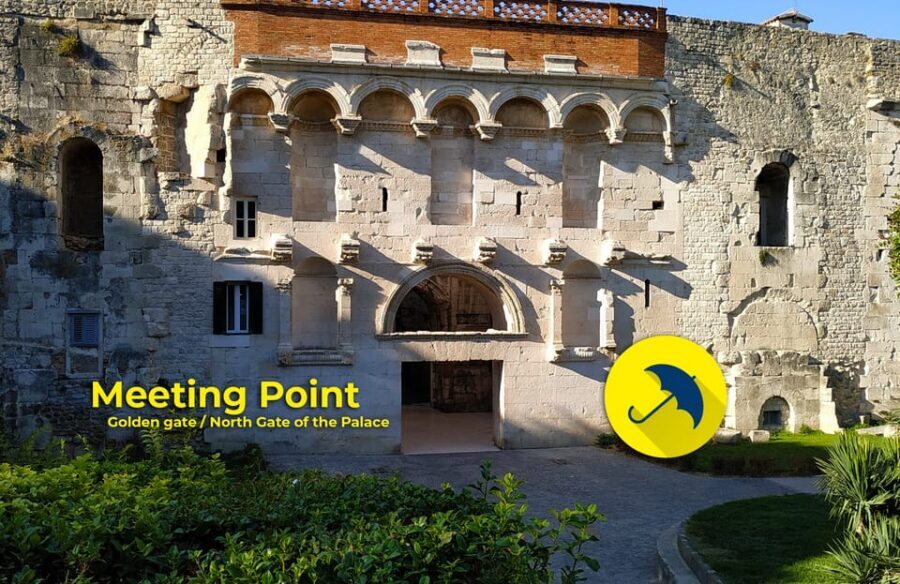
- Meet at the Golden Gate, by Gregory of Nin: Find the guide under the big Gregory of Nin statue, looking for a blue umbrella.
- Roman palace first, then old-town landmarks: You’ll see the Peristyle, Saint Domnius Cathedral, People’s Square, and the City Clock.
- Riva promenade at the end: You’ll finish with Adriatic views that make the walk feel like it has a payoff.
- Most guides manage heat and timing: Feedback points to shade breaks and pacing that helps on hot days.
- Optional Trogir add-on: Some versions include transfers, a guided Trogir tour, and free time to wander.
- Comfort matters: Expect comfortable-shoe walking over uneven historic surfaces.
Starting at the Golden Gate: where Split’s story clicks
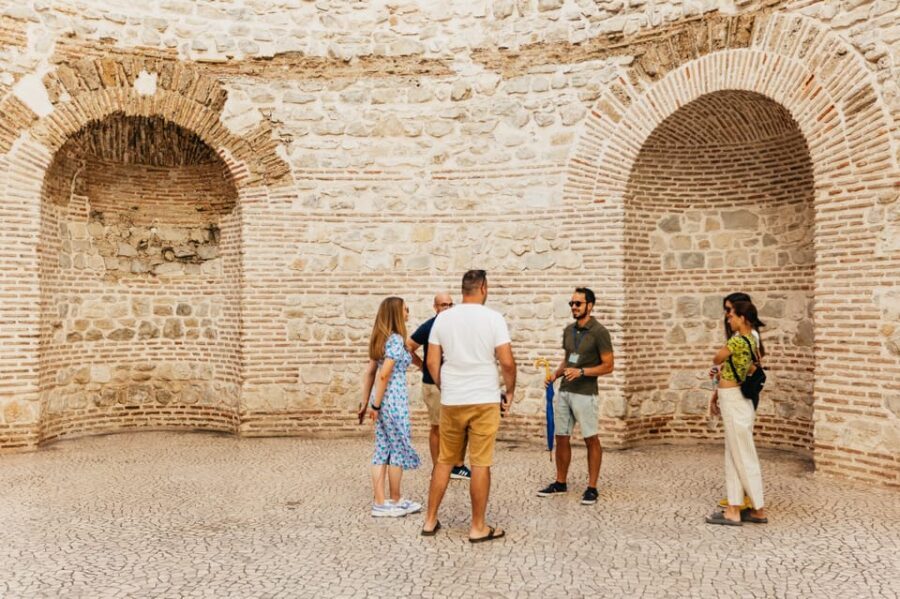
Your tour begins at the Golden Gate, at the foot of the large Gregory of Nin statue. It’s one of those start points that makes sense immediately: you’re at the exact kind of threshold that Diocletian’s palace was designed around—enter, control, live.
I like this meeting setup because it’s concrete. You’re not searching for a vague landmark; you’re looking for a specific statue, with a blue umbrella to guide you in. On busy days, that clarity saves real time.
From there, you move into the palace area where Roman decisions are still visible in the layout. Even if you’re not a hardcore history fan, you’ll quickly see why a fortification could also become a city-within-a-city.
You can also read our reviews of more tours and experiences in Split.


Diocletian’s Palace: the ruins that actually make sense on foot
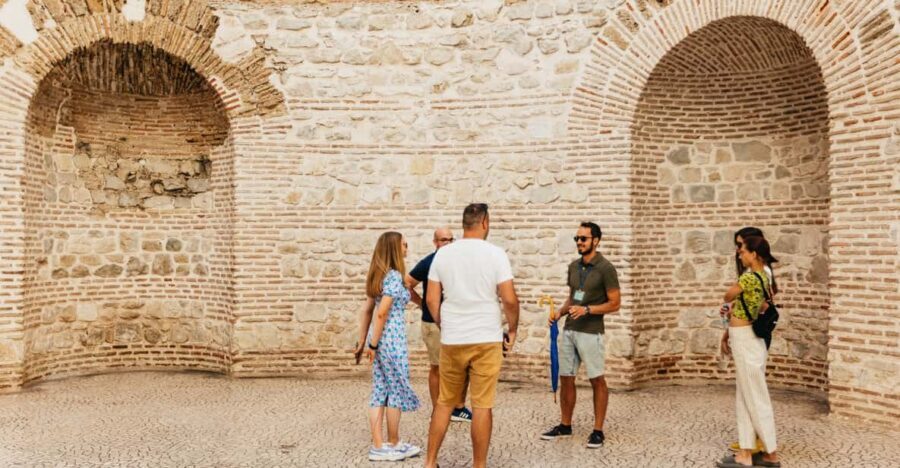
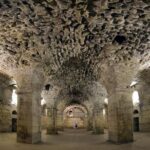
The heart of the experience is the guided walking time inside Diocletian’s Palace. It’s built for the Roman emperor in 305 CE, and the tour helps you read it like a blueprint instead of random stones.
You’ll spend real time in the main palace spaces—especially the Peristyle courtyard, where the scale can surprise you. It’s not just a pretty courtyard; it’s a powerful reminder of how order, movement, and status worked inside the walls. Guides also point out details that help you understand the change from imperial space to living neighborhood.
A standout moment is the focus on the Golden Gate itself. Standing where Diocletian walked in shifts your perspective from sightseeing to “oh, this is a functioning design.” It’s the kind of stop where the guide’s storytelling makes you notice different things than you would on your own.
Practical note: the palace area includes slopes and steps. Some people expect ruins to be flat. Split isn’t that kind of town—plan your legs accordingly.
Saint Domnius Cathedral and the 12th-century bell tower
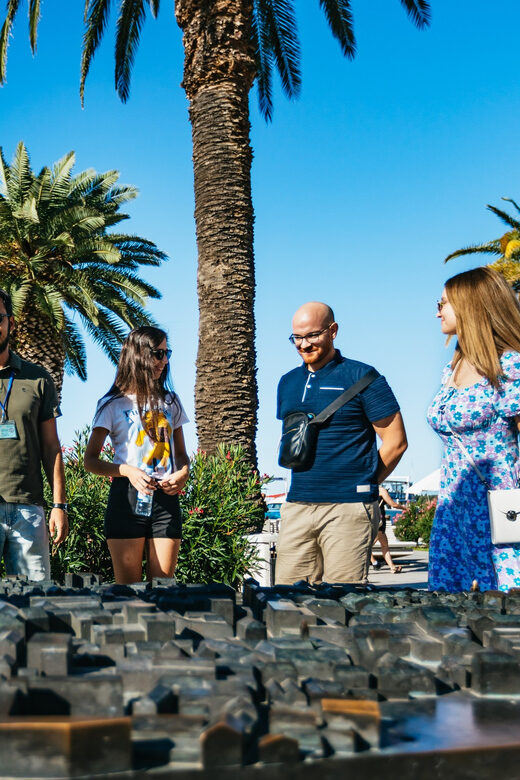
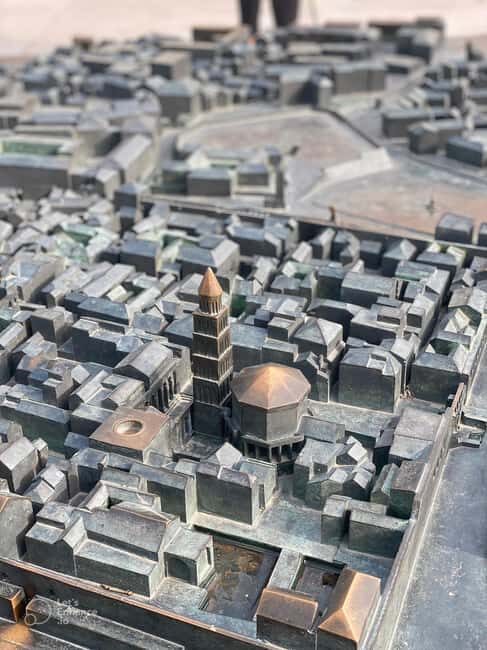
From the palace, you’ll connect to the spiritual centerpiece: the Cathedral of Saint Domnius. The tour doesn’t treat it as a separate attraction. It frames the cathedral in the broader timeline of how the site evolved, layer by layer.
The 12th-century bell tower is a key reason to care. Even if you’re not climbing, the tower’s presence anchors the whole area visually. It helps you understand that this isn’t only about Roman engineering; it’s also about medieval continuity and community identity.
This is one of those stops where having an English-speaking guide matters. You’ll likely hear how the space shifted roles over time, and why that matters for how the Old Town feels today.
Gregory of Nin statue: a playful local ritual
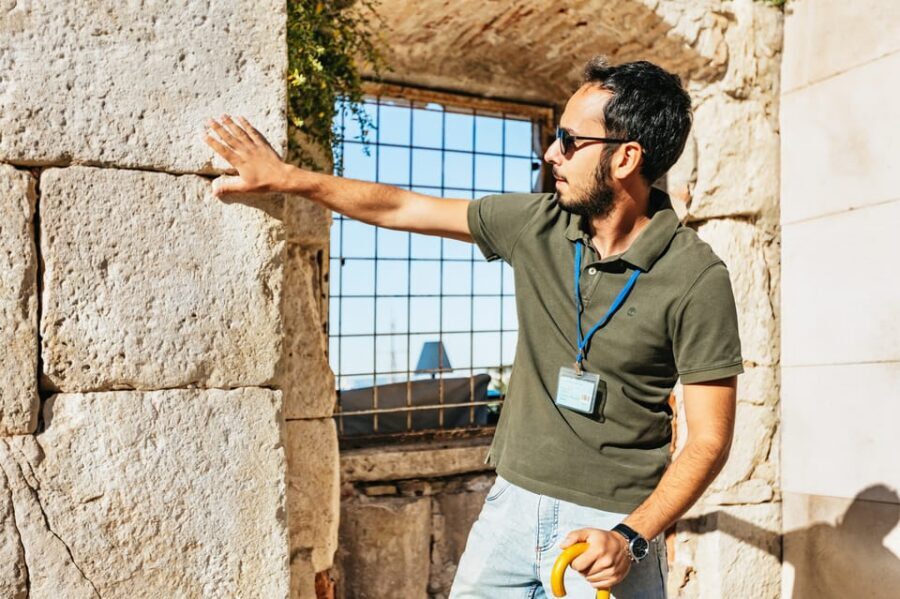
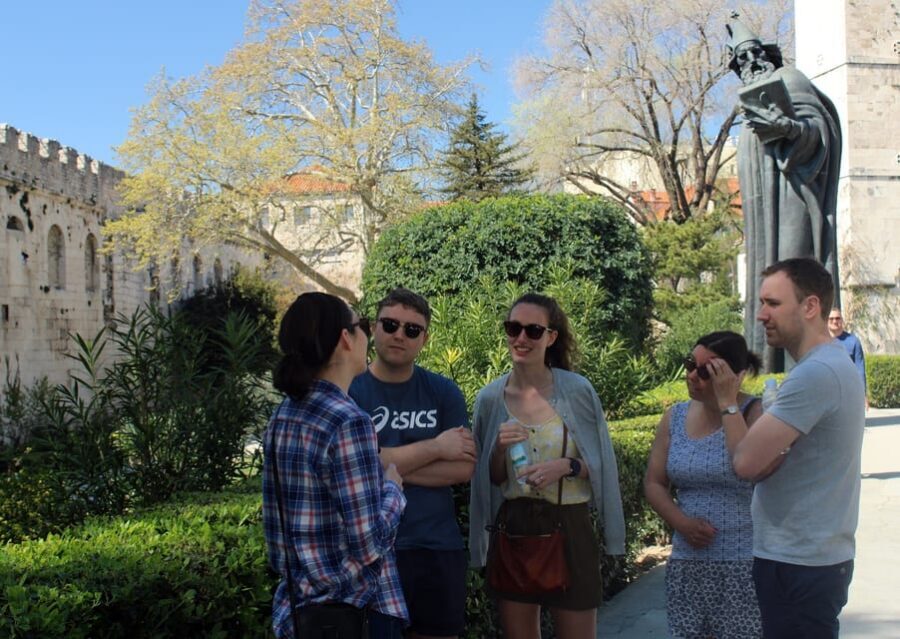
You’ll also get Gregory of Nin in the mix in a way that feels more human than dramatic. The statue is a landmark you’ll pass in both practical and symbolic ways, starting the tour at its location and revisiting the area during your walking route.
In the feedback I saw, there’s a fun tradition tied to the statue’s toe. If you like that sort of local superstition, this is a harmless way to join in and make a photo moment mean something.
The guide’s tone can make this stop memorable without turning it into a gimmick. It’s history with a smile, which I think is exactly how Split works.
People’s Square: Old Town Hall and the City Clock
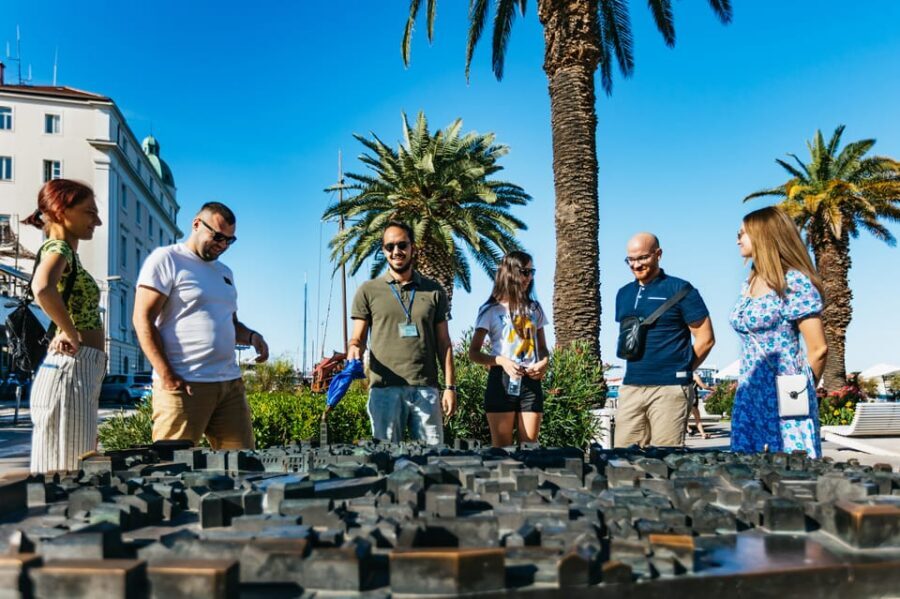
Next you’ll move to People’s Square, where the Old Town Hall and the City Clock give the area a civic heartbeat. This section matters because it’s where you start to see Split as a living city, not just an archaeological site.
The City Clock is simple but effective. It tells you where daily life used to gather and still gathers. And when you’ve just come from palace spaces, this is a useful contrast: from emperor-level geometry to street-level routine.
You’ll also get a sense of how quickly you can move between eras. Split is built for that kind of jump, and the tour helps you notice the transitions instead of brushing past them.



The Riva promenade: Adriatic views that reward the walk
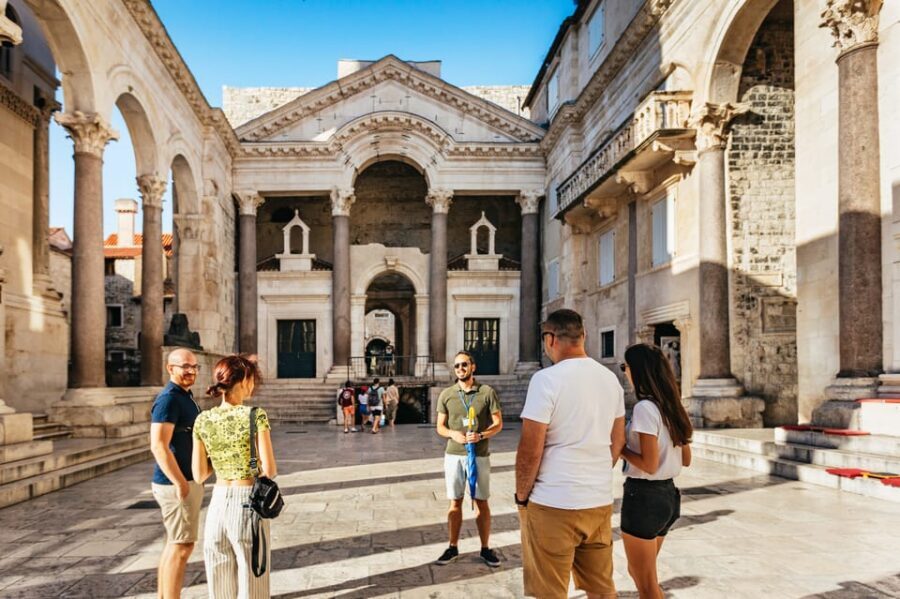
After you’ve worked through the palace and Old Town landmarks, you’ll head down to the Riva promenade. This is where I love the tour pacing, because you end with a view rather than a lecture.
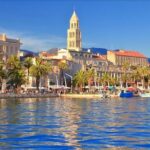
You’ll get lovely Adriatic Sea perspectives along the waterfront. It’s also the moment when the city feels open again after the tighter palace lanes. You’ll likely notice how different light and spacing make the whole town feel.
This ending works especially well for photos and for an easy regroup moment before you continue on your own.
Optional Trogir transfer: a smart add-on if you want more of Dalmatia
Some versions of this experience include an added half-day trip to Trogir. If you select it, you’ll get a transfer to and from Trogir, plus a guided tour there.
The tour structure for Trogir usually includes some official guidance, followed by free time—about an hour—to wander on your own. That mix is practical. You’re not just dropped off; you’re given enough context to enjoy Trogir’s streets without feeling lost.
People often mention Trogir as worth it even if it’s smaller than Split. If you like stacking historic towns in one day, this add-on can be a good fit without turning your schedule into chaos.
Price and value: how $17 works in real life
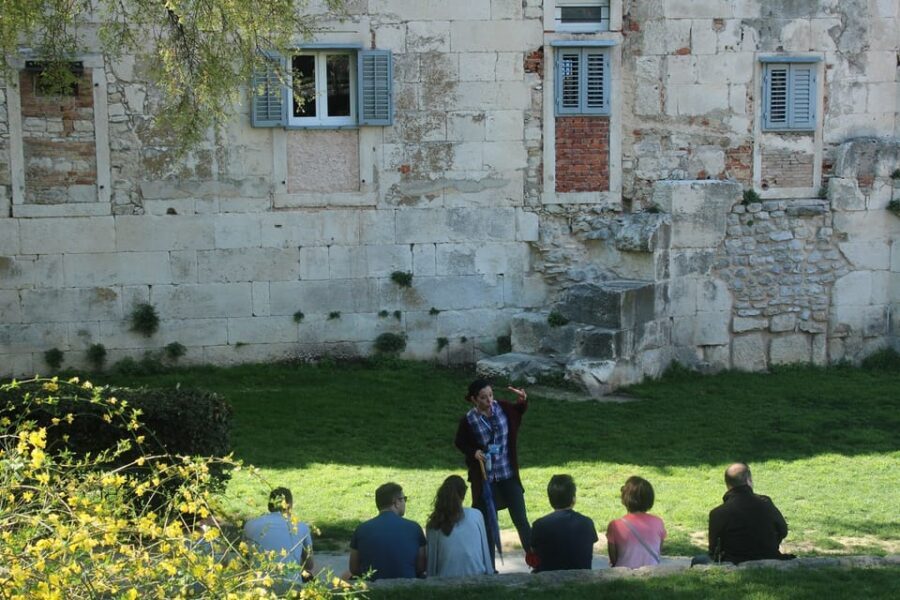
The price is listed at about $17 per person, and that’s a big part of why I think this is good value. You’re paying for a licensed English-speaking guide, not just entrance vibes. The tour format also covers multiple anchor sites in one route, which usually means less time spent figuring out what’s worth your attention.
If you’re doing the base walking tour, you’re mainly paying for the guidance through Diocletian’s Palace and the surrounding Old Town stops. If you choose the Trogir option, the value still holds because you’re adding transfers plus guided time and a chunk of free wandering.
One thing to keep in mind: you’re still walking. The price is great, but you’ll want comfortable shoes because you’re not getting this experience via tram or car stop by stop.
Who this suits best (and who should think twice)
This tour fits best if you want your first-time Split orientation. If you like walking through a place while someone explains what you’re seeing, this delivers. It’s also a strong option if you’re traveling with kids, since guides have been praised for keeping stories engaging and not turning the walk into a dry history lesson.
Think twice if you have mobility limitations. The tour isn’t designed for wheelchair users, and the terrain can feel steep. Also, if you dislike crowds or narrow streets, you might want to go at a calmer time of day and expect tight group movement.
Tips to make the experience easier on your body and your schedule
- Wear comfortable shoes with decent grip; you’ll be on historic stone surfaces.
- Bring sunglasses—this part of Croatia can get bright fast.
- Expect shade breaks. Many guides are praised for managing heat and helping the group keep a steady pace.
- Start with good patience at the beginning. The meeting area can be busy, so look for the blue umbrella rather than guessing.
Should you book this Split Old Town and Diocletian’s Palace tour?
Yes, if you want Split to click quickly. The combination of palace layout, Saint Domnius, People’s Square, and a finish on the Riva promenade is exactly how you turn a short visit into real understanding. I especially like that the tour uses the site’s geography—gates, courtyards, and squares—so the story feels visual.
Skip it or choose a different format if walking steep, old-stone streets is a dealbreaker for you. Also, if you already know Diocletian’s Palace details and you prefer totally independent exploration, you might not need a guided route.
FAQ
How long is the Split Old Town and Diocletian’s Palace tour?
The duration can range from about 90 minutes up to 5 hours, depending on the option you choose.
Where do I meet the guide?
Meet at the Golden Gate, below the big statue of Gregory of Nin. Look for the guide with the blue umbrella.
Is Trogir included?
Trogir is included only if you select the option that adds transfer to and from Trogir, a guided Trogir tour, and about 60 minutes of free time there.
What’s included in the tour price?
You get a local licensed English-speaking guide and a Diocletian’s Palace walking tour. If you select the Trogir option, transfers and the guided Trogir visit (plus free time) are included. Hotel pickup is only mentioned as included when a private tour is selected.
Is the tour wheelchair accessible?
No. The tour is not suitable for wheelchair users.
What should I bring?
Bring comfortable shoes and sunglasses.
Can I cancel for a refund?
Yes. Free cancellation is offered up to 24 hours in advance for a full refund.