REVIEW · SPLIT
From Split: Krka Waterfalls Tour with Boat Cruise & Swimming
Book on GetYourGuide →Operated by BOOKER - Travel Agency · Bookable on GetYourGuide
Krka’s waterfalls look like nature on fast-forward. You’ll get a smooth day trip from Split that mixes Skradinski Buk beauty with real-world context like the Jaruga hydroelectric power plant.
I especially love the balance here: a guided walk and explanations on-site, then real breathing room to wander and take photos at your own pace. You’ll also finish with time in Skradin for a beach swim and a proper town stroll. The only real drawback to plan around is that swimming is not allowed inside Krka—your swim happens in Skradin.
In This Review
- Key Highlights at a Glance
- How Krka from Split Turns One Big Day Into Several Great Ones
- Marulićeva ul. 4 Meeting Point: Simple, But Don’t Be Late
- Krka National Park: Skradinski Buk and the Walkable Waterfall Experience
- Ethno-Village Stop: Culture Without the Speed-Run Feeling
- Jaruga Hydroelectric Power Plant: Seeing the First-Ever Tech by the Water
- Panoramic Boat Ride Toward Skradin: The Day’s Best Reset
- Skradin Town + Fortress Views: A Coastal Finale That Feels Like a Real Stop
- Beach Time in Skradin: Your Allowed Swim (and How to Enjoy It)
- Price and Value: Why This Tour Often Feels Like Good Bang for Your Day
- Timing, Crowds, and the Order of Stops: What to Expect Day-of
- What to Pack for Krka + Skradin (So You’re Not Buying Everything at Markups)
- Who This Tour Is Best For (and Who Might Prefer Something Else)
- Should You Book This Krka Waterfalls Tour From Split?
- FAQ
- FAQ
- How long is the Krka waterfalls tour from Split?
- Is swimming allowed inside Krka National Park?
- Do I need to buy Krka National Park tickets?
- Where do I meet the guide in Split?
- What should I bring for the day?
- Is the tour guide English-speaking?
- Are there student discounts?
- How much is the tour during different seasons?
Key Highlights at a Glance
- Skradinski Buk: The park’s main waterfall area, reached with time to walk the viewpoints.
- Jaruga Hydroelectric Power Plant: A stop that ties the scenery to how water powers the region.
- Ethno-village visit: Small-scale culture context, guided so it doesn’t feel like a quick photo stop.
- Panoramic boat ride: A relaxing change of pace, plus views as you head toward Skradin.
- Skradin time: Fortress viewpoints, old-town atmosphere, and a beach where you can actually swim.
How Krka from Split Turns One Big Day Into Several Great Ones
If you’ve only got one day in Dalmatia, this is the kind of plan that gives you payoff without feeling chaotic. The day moves through three different “moods” of Krka: waterfalls and walking paths, history tied to water power, and then a calmer coastal town where you can cool off.
What makes it work is the rhythm. First, you ride out of Split on an air-conditioned bus while your English-speaking guide sets the scene. Then you spend concentrated time at the waterfall area—so you can actually enjoy it instead of doing a sprint. Finally, you shift from fresh, river-wild Krka to Skradin’s seaside feel.
One practical note: timing matters. The way guides plan stops often helps you avoid the worst crowd pressure at the falls, and seasonal conditions can change the order to keep the day enjoyable.
You can also read our reviews of more boat tours in Split

Marulićeva ul. 4 Meeting Point: Simple, But Don’t Be Late
Your starting point is Marulićeva ul. 4, at the Booker Travel Agency office. You need to arrive 15 minutes early, check in inside, and meet your guide.
This matters more than it sounds. The tour runs as a tight schedule across transport, park entry, and boat departures. Showing up on time keeps you from feeling that annoying “catch-up” stress later, especially once you’re walking around Skradin and the waterfall viewpoints.
Also, keep an eye on messages from your guide. A WhatsApp group shows up in many guide styles, and it’s often how they share updates like where to gather and what to watch for next.
Krka National Park: Skradinski Buk and the Walkable Waterfall Experience
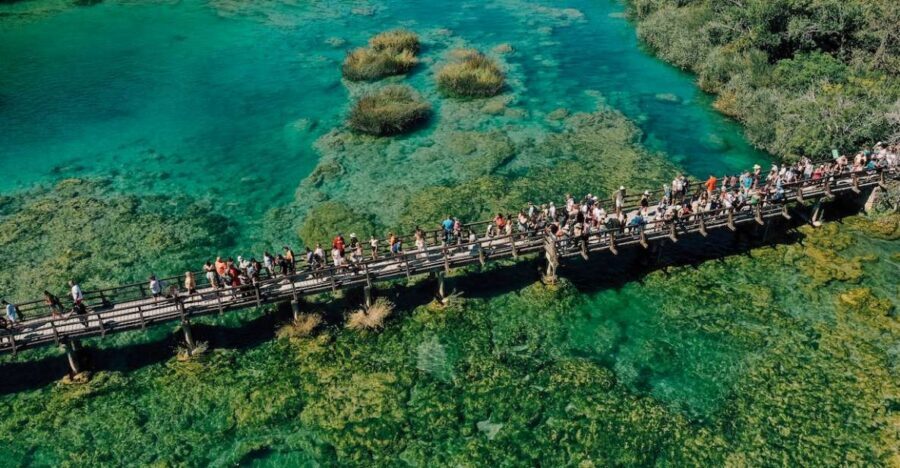
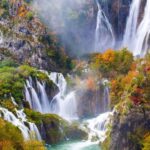
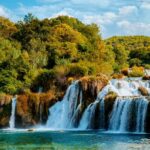
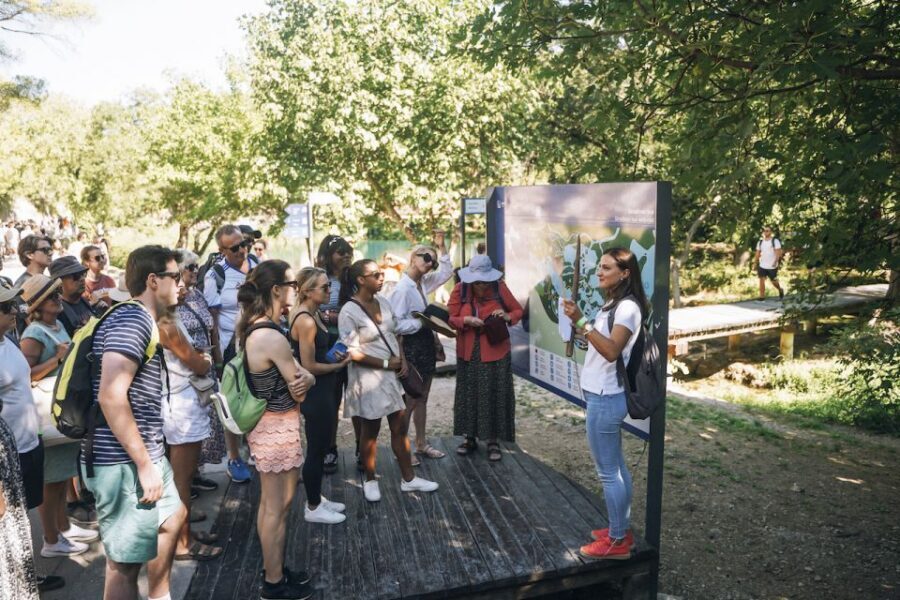
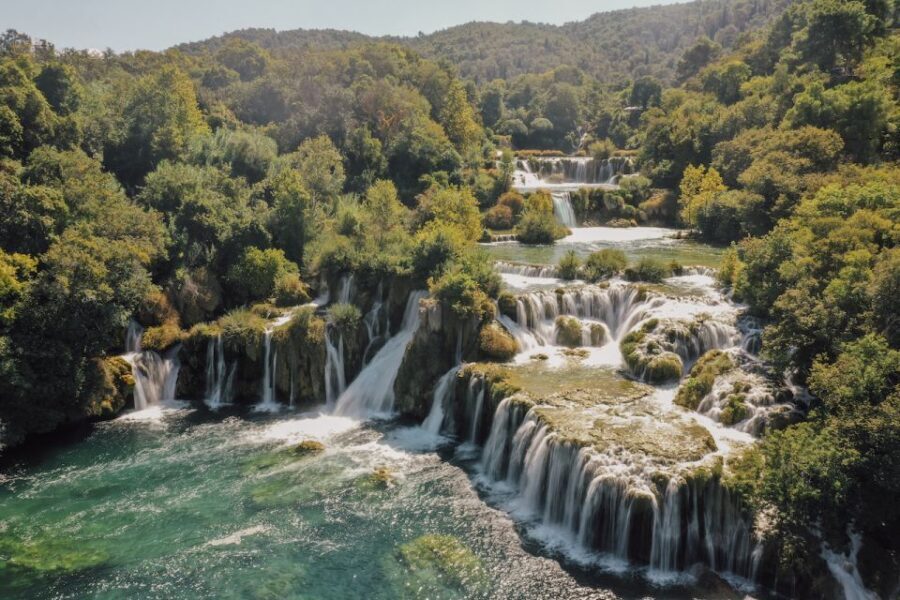
Krka’s star is Skradinski Buk—the park’s largest waterfall area. That’s where your day starts to feel cinematic. You’ll have guided context on what you’re seeing, then enough self-guided time to explore.
Here’s why that’s a big deal: the best parts aren’t just the falls themselves. It’s the way you approach them from different angles, the time you spend on the viewing points, and the chance to slow down for photos when the light hits right.
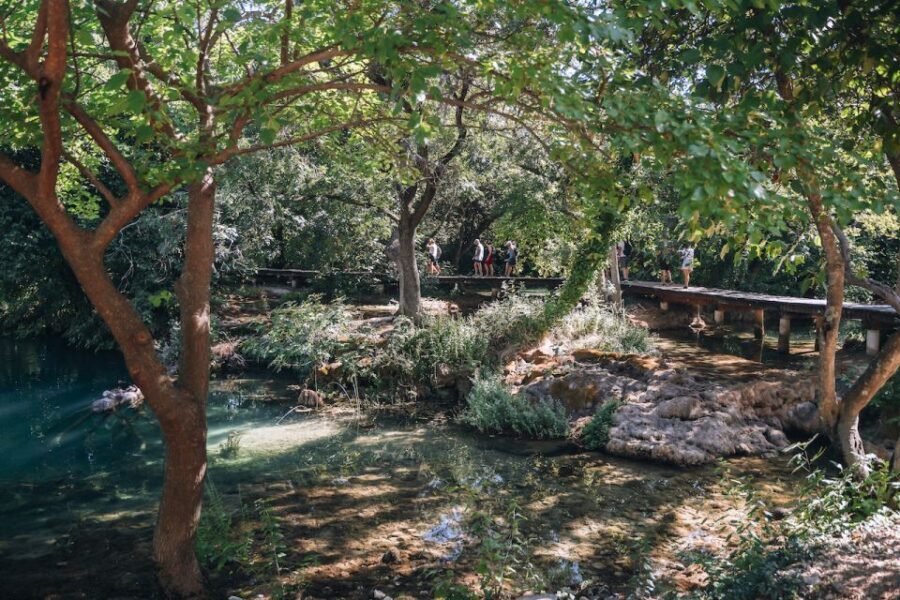
The park setup also helps. Many visitors remember Krka for its maintained paths and wooden walkways, which bring you close to the water without making it feel like you’re wandering blindly. You get to enjoy the power of the cascades without turning the day into a logistics puzzle.
One consideration: you’ll be walking. Comfortable shoes really matter because your day includes waterfall area walking plus town strolling in Skradin. If you show up in sandals-only mode, you’ll notice it.
Ethno-Village Stop: Culture Without the Speed-Run Feeling
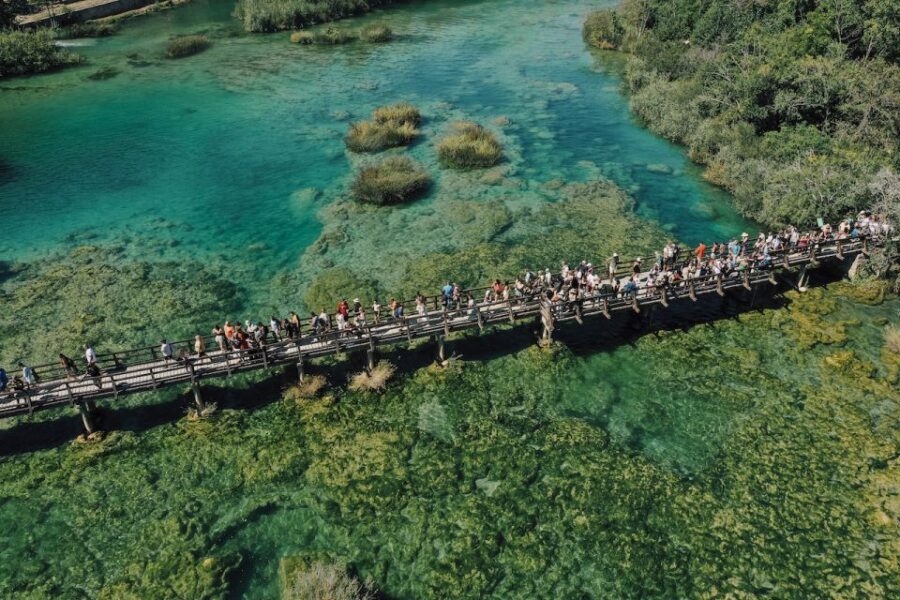
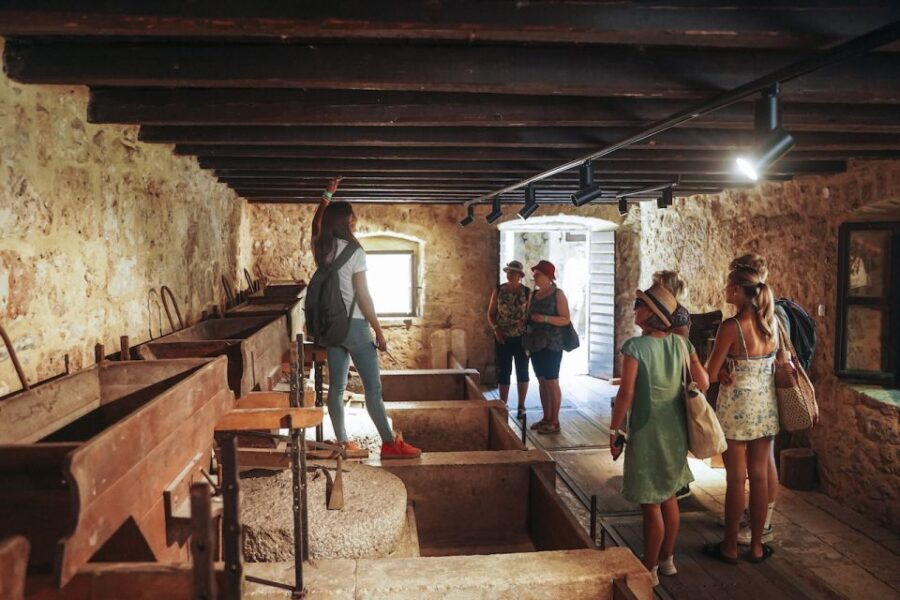
Between the big waterfall moment and the later Skradin time, you’ll visit a small ethno-village. This stop is more than a quick roadside stop because it’s guided—your guide explains what you’re looking at and ties it to how people lived in the region.
The value here is simple. Krka isn’t only about water falling. It’s also about how people have shaped life around water, stone, seasons, and local traditions. Even if you’re not a museum person, this kind of guided culture stop gives you a “why this place matters” layer.
If your group timing is adjusted to avoid crowds, the ethno-village can be a nice reset—less intense than the waterfall area, but still part of the story.
Jaruga Hydroelectric Power Plant: Seeing the First-Ever Tech by the Water
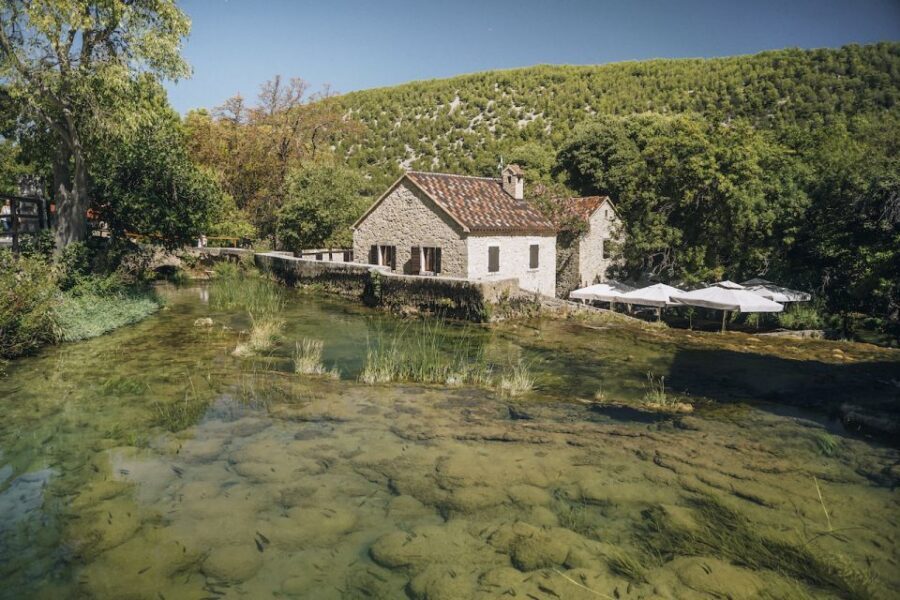
Next comes the Jaruga hydroelectric power plant. This isn’t just a scenic break. It’s a history-and-engineering moment.
Your guide will point out what makes Jaruga special: it’s the second oldest hydroelectric power plant in the world and the first in Europe. That combination changes how you look at the park. Suddenly, the river isn’t only pretty—it’s functional, powering systems and supporting a long timeline of human ingenuity.
If you like practical history—water, power, and how regions develop—this is one of the stops that makes the day feel more meaningful than a “see waterfalls, leave” routine.
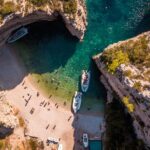
Panoramic Boat Ride Toward Skradin: The Day’s Best Reset
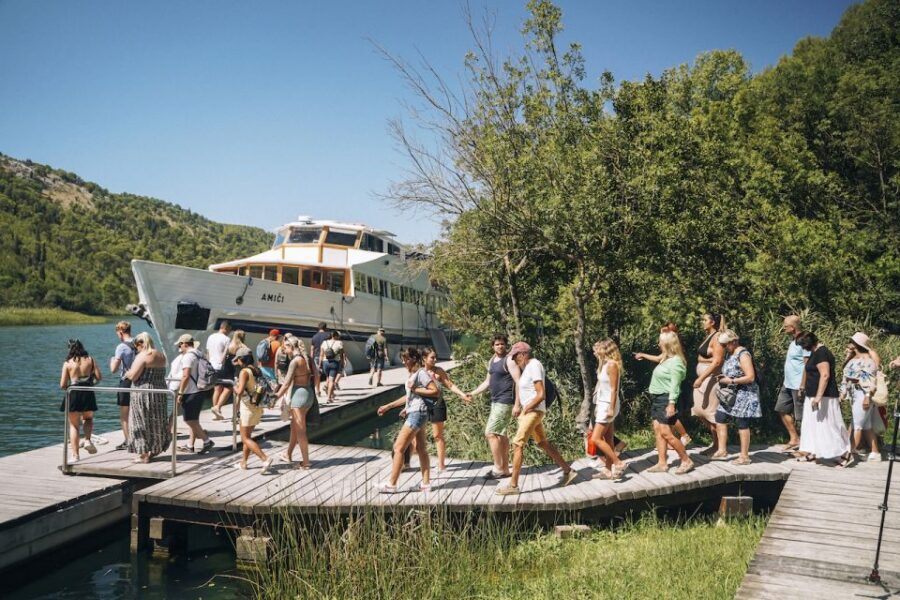
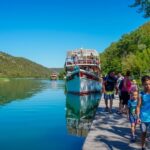
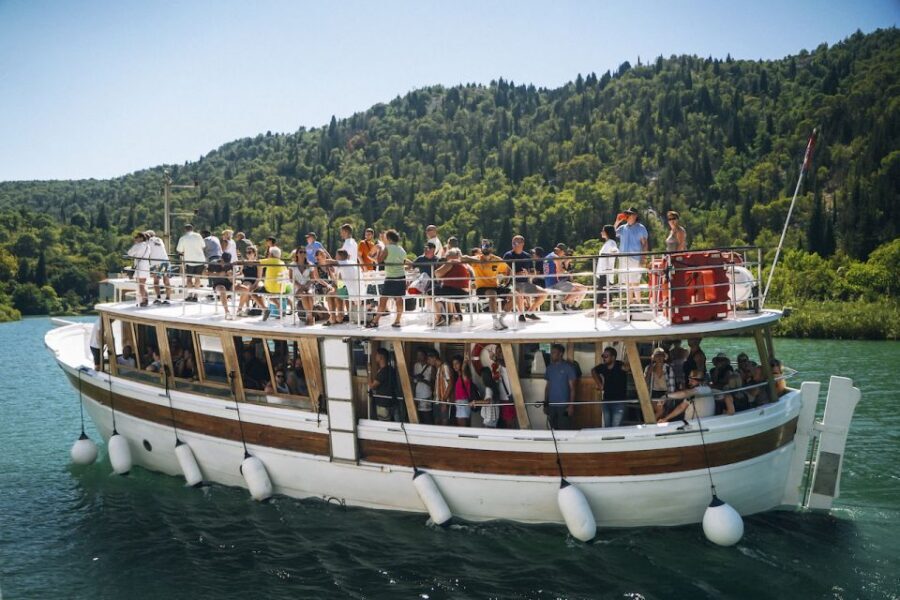
After the park walking time, you’ll get a panoramic boat ride toward Skradin. This portion does something underrated: it gives your legs a break and turns the day from land-heavy to view-heavy.
On a boat, the falls and river feel different. You’re still surrounded by Krka’s natural energy, but you’re moving at a gentler pace with better “panorama” angles. It’s also an easy moment to regroup—drink water, refill your energy, and shake out your shoulders after hiking.
This boat time matters for another reason: once you land in Skradin, the day turns into strolling, lunch options, and beach time. The boat ride helps you arrive there ready, not wiped out.
Skradin Town + Fortress Views: A Coastal Finale That Feels Like a Real Stop
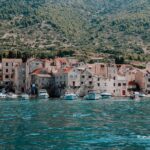
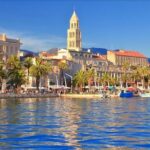
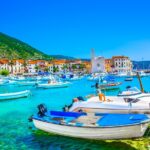
Skradin is one of the oldest towns along Croatia’s coast, and you’ll get time to explore its core. Expect a mix of relaxed wandering and scenic viewpoints, not a checklist sprint.
You’ll also visit the little fortress, where you can look out over the area—exactly the kind of payoff you want after spending the morning with big waterfall drama.
Skradin also tends to have that “small town rhythm.” It’s not trying to impress you with a theme. It’s just pleasant: marina energy, walkable streets, and enough time to enjoy a meal without rushing.
If you’re hungry, you’ll have options for lunch during your free time. One helpful tip from the real world: park food can be expensive once you’re inside Krka, so many people plan ahead by bringing snacks and/or lunch when they want to save money. If you prefer to eat out, that’s totally fine—just treat it as a decision, not an assumption that prices will be friendly.
Beach Time in Skradin: Your Allowed Swim (and How to Enjoy It)
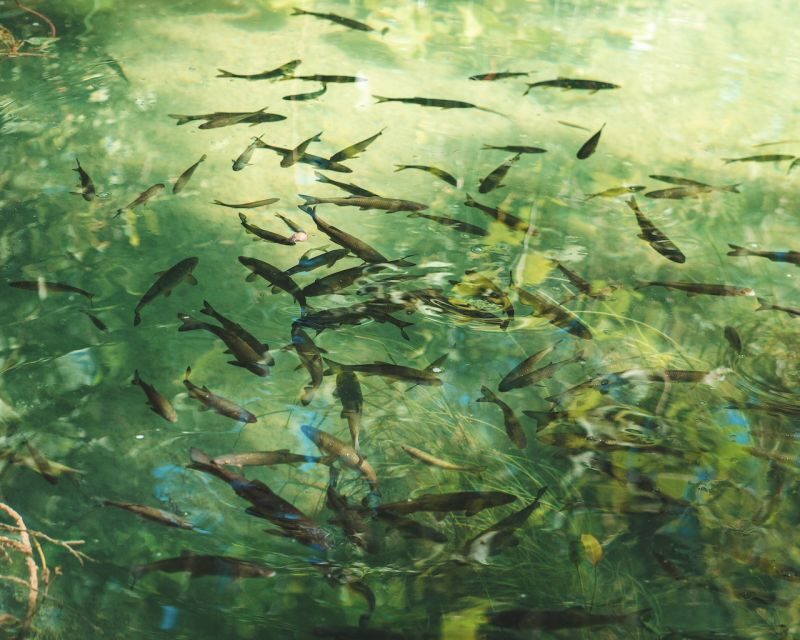
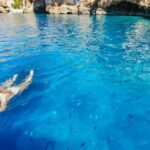
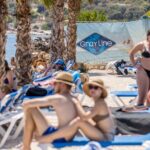
Here’s the clear rule you need: swimming inside Krka National Park is not allowed. The good news is that you’ll have swim time on a beach in Skradin, where the river meets the sea.
This is the moment when the day finishes “cooling off.” You can rinse off, relax, and switch from sightseeing mode to vacation mode. It’s also when the timing feels right—after walking and boats and viewpoints, you’ll actually want the break.
Practical tip: bring what you’ll need. You’ll want swimwear and a towel, plus sunscreen and water. A sun hat can make a big difference here because you’ll likely be outside during the beach window.
Also, don’t underestimate how quickly a day like this can dry you out. Hydration is one of the easiest ways to keep the experience enjoyable instead of tiring.
Price and Value: Why This Tour Often Feels Like Good Bang for Your Day
The listed price is $31 per person for a 9-hour day trip from Split, and that number only feels fair once you look at what’s included.
You get:
- an English-speaking tour guide
- air-conditioned bus transfer
- a panoramic boat ride
- swimming in Skradin
- travel insurance
- and national park entry tickets if you select that option
- plus skip the ticket line (when tickets are handled via the booking route)
If you choose the option where park entry tickets are not included, you pay entry tickets in cash (euro) on the day of the tour.
Why that matters for value: Krka entry pricing changes by season. In summer (June through September), adults are €30, and students/children 7–18 are €15. In shoulder seasons (April, May, October), adults are €16, students/children 7–18 are €10. In winter months (January–March, November–December), adults are €5, students/children 7–18 are €4.
So if you’re traveling in a high season window and you don’t pick the entry-included option, you can lose some of the “this is a deal” feeling. In shoulder season, the difference is smaller. Either way, it’s smart to decide based on your dates rather than only the headline price.
If you want a quick value shortcut: this tour tends to feel most worthwhile when you’d otherwise have to pay for transport, the boat ride, and separate park logistics.
Timing, Crowds, and the Order of Stops: What to Expect Day-of
The order of activities can change based on seasonal conditions, boat schedules, or crowd management. That flexibility is a quiet benefit, and you’ll feel it if your guide times the waterfall segment to avoid peak crush.
Multiple guide styles in this program focus on getting people to key viewpoints at better moments. You may also notice your guide adjusting on the fly, which is often how you avoid the “locked into a single line” feeling.
Still, accept that Krka is popular. Go in with the right mindset: you’re booking a day trip with guided organization, not a private escape from all people.
What to Pack for Krka + Skradin (So You’re Not Buying Everything at Markups)
This is a water-and-sun day. Pack like you’ll actually use the water time.
Bring:
- sunglasses
- sun hat
- swimwear
- towel
- sunscreen
- water
- cash
A quick money saver: food and drinks inside Krka can be pricey. If you’re watching your budget, bring a snack or lunch plan. Even if you decide to eat at Skradin (which is usually more pleasant anyway), you’ll still appreciate having options earlier.
Also, plan for walking. Shoes you can stand in for a while are the best “small upgrade” you can make for this day.
Who This Tour Is Best For (and Who Might Prefer Something Else)
This tour shines if you want:
- a one-day hit of Krka National Park plus a real town finish in Skradin
- a guide who explains what you’re seeing in plain English
- a mix of guided time and free time
- a scheduled boat ride and a legitimate beach swim
It’s also great for first-timers in the area. If you’re staying in Split and want to see outside the city without dealing with schedules yourself, this handles the heavy lifting.
You might want to consider another option if you want complete independence and zero structure. Since you’re on a fixed route with group pacing, it’s not built for slow wanderers who want to spend all day only at one waterfall viewpoint.
Should You Book This Krka Waterfalls Tour From Split?
In most cases, I think you should book it. It’s a strong “day-trip package” because you’re not just seeing scenery—you’re getting guidance, transport, a boat segment, and a beach swim in Skradin, all in about nine hours.
Book it especially if:
- you want Krka’s main waterfall area (Skradinski Buk) without doing the planning yourself
- you like having explanations while you walk, then time to wander on your own
- you want your swimming moment in Skradin, since Krka swimming isn’t allowed
Skip it or rethink it if:
- you only want to visit one place and would rather avoid a multi-stop day
- you don’t want to walk and you’re not planning proper shoes and water
FAQ
FAQ
How long is the Krka waterfalls tour from Split?
The tour lasts about 9 hours.
Is swimming allowed inside Krka National Park?
No. Swimming inside Krka National Park is not allowed. You will be able to swim on a beach in Skradin instead.
Do I need to buy Krka National Park tickets?
If you select an option that includes park entry, tickets are handled for you. If you don’t select that option, you will need to pay the entry tickets in cash (euro) on the day of the tour.
Where do I meet the guide in Split?
Meet your guide at Marulićeva ul. 4 (Booker Travel Agency office). You should enter the office for check-in and greeting.
What should I bring for the day?
Bring sunglasses, a sun hat, swimwear, a towel, sunscreen, water, and cash.
Is the tour guide English-speaking?
Yes, the tour includes an English-speaking live guide.
Are there student discounts?
Yes. If you’re a student, bring your student card to receive the discount.
How much is the tour during different seasons?
The park entry price varies by season. In June–September, adults are €30 and students/children 7–18 are €15. In April–May and October, adults are €16 and students/children 7–18 are €10. In January–March and November–December, adults are €5 and students/children 7–18 are €4.