REVIEW · DUBROVNIK
Traditional Cooking Class in Dubrovnik Countryside
Book on Viator →Operated by FABULA RAGUSEA · Bookable on Viator
Food tastes better with dirty hands. In the hills outside Dubrovnik, you’ll learn traditional Dalmatian cooking from a local chef while using fresh farm ingredients. It’s built around a working family setting, not a studio kitchen, so the meal feels personal from the first taste.
I really like two things here: the small-group feel (so you’re not lost in a crowd) and the included pairing of the day’s food with homemade wine and liquers. Add in hotel pickup and drop-off by private car/minivan, and it’s a smooth way to get out of Dubrovnik without stressing over transport.
One thing to think about: this isn’t always a high-intensity, step-by-step cooking workshop. The experience can mix in a lot of family stories and farm life, and if you’re after lots of technical instruction or specific recipe write-ups, you may want to set your expectations (or ask lots of questions).
In This Review
- Key highlights I’d circle on your Dubrovnik list
- A day outside Dubrovnik: why this countryside kitchen feels different
- The Dubrovnik Food Story stop: your first tastes of Dalmatia
- At the farm: garden work, animals, and the family kitchen rhythm
- Four courses, plus homemade wine and liquers
- Hands-on cooking vs. story time: what you should actually expect to learn
- Dietary needs: vegetarian is available, but confirm your specifics
- Price and value: what $290.36 buys you here
- Who this is best for (and who might not love the format)
- Practical tips so you get more from the day
- Should you book Traditional Cooking Class in Dubrovnik Countryside?
- FAQ
- How long is the Dubrovnik countryside cooking class?
- Is hotel pickup and drop-off included?
- What language is the experience offered in?
- What group size should I expect?
- Is there a vegetarian option?
- What’s included in the meal?
- Are drinks included?
- What isn’t included if I want to buy items?
- Is free cancellation available?
Key highlights I’d circle on your Dubrovnik list
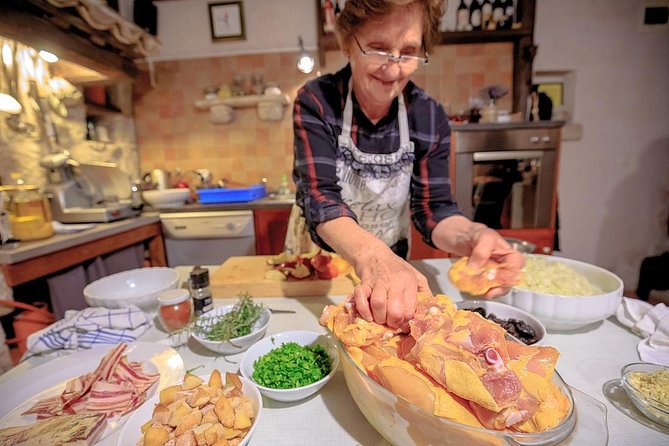
- Garden-to-table picking before you cook (and yes, you may get your hands in more than one task)
- Four-course Dalmatian meal with seasonal veggies pulled from the garden
- Homemade drinks included: table wine and homemade liquers
- Small group format with a maximum of 8 people per booking (and up to 10 travelers overall)
- Hotel pickup by private car/minivan so you can relax and focus on the food
A day outside Dubrovnik: why this countryside kitchen feels different
This is a 5-hour experience that trades city bustle for real farm time. You start in Dubrovnik, then you’re collected from the closest point to your hotel and taken to the countryside by private car/minivan. That alone is a quality-of-life win, especially in summer when Dubrovnik streets can feel like a nonstop circuit.
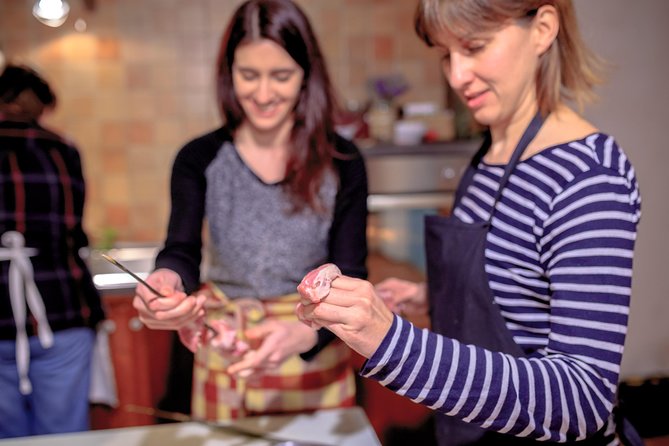
Once you’re out in the farm setting, the day turns practical. You’re not just watching someone cook—you’re working alongside the host family and learning through hands-on tasks. Some days feel more like “make and eat together,” while others feel like “cook and learn as you go.” Either way, the meal is the centerpiece, and it’s tied to what the farm produces.
And because it’s capped at small group size, you get a chance to actually talk with the people running the kitchen. In the best moments, you’re learning how Dalmatian food fits into daily life, not just how to plate it.
You can also read our reviews of more tours and experiences in Dubrovnik.
The Dubrovnik Food Story stop: your first tastes of Dalmatia
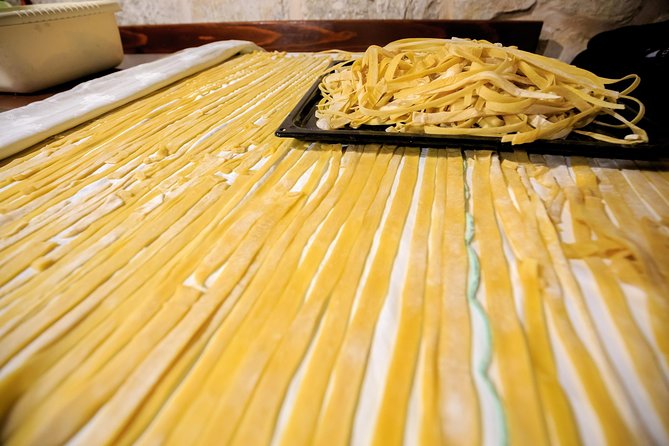
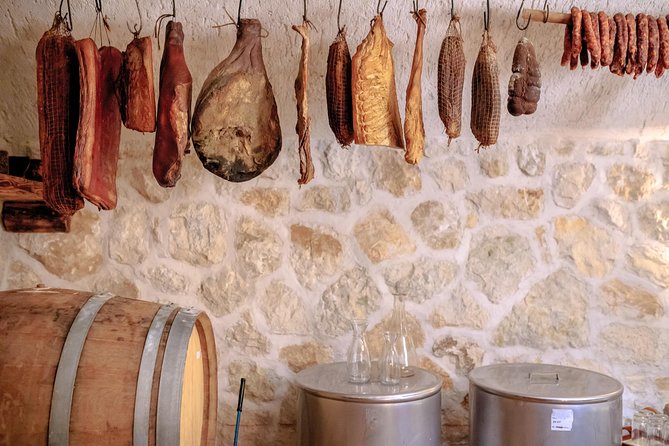
The day begins with food that sets the tone: simple, local, and built around cured meats, garden produce, and family methods. One part of the experience is a starter spread-style start—charcuterie with prosciutto, sausages, cheeses, and pickles drawn from garden ingredients.
You’ll also have a homemade veggie soup early on. The key detail is that it’s tied to fresh inputs, not canned shortcuts. Then the day shifts from tasting into preparing and sharing, so you’re building a picture of what “traditional” means here: seasonal vegetables, meat-and-fish mains, and desserts that don’t taste like generic “tour food.”
What I like about this start is that it anchors you. Even if you’re not a die-hard foodie, the flavors tell the story quickly. You understand what to pay attention to later—how salt, herbs, cured textures, and slow cooking matter in Dalmatian cooking.
At the farm: garden work, animals, and the family kitchen rhythm
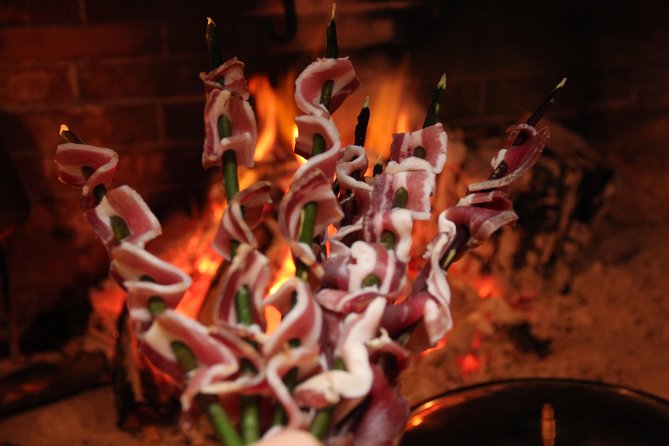
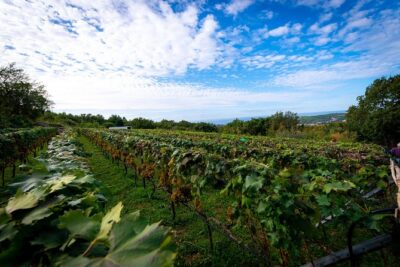
Most of the magic happens after you arrive. The farm setting is part of the lesson, because Dalmatian food here isn’t separated from farming. Many groups visit Kameni Dvori, described as a working family property with vineyards, olive trees, orchards, herbs, vegetables, and chickens on site. One host family account even highlights an organic, multigenerational setup in a stone house built more than 500 years ago.
What you might do during the hands-on portion depends on the group and the day’s flow, but the common thread is active participation:
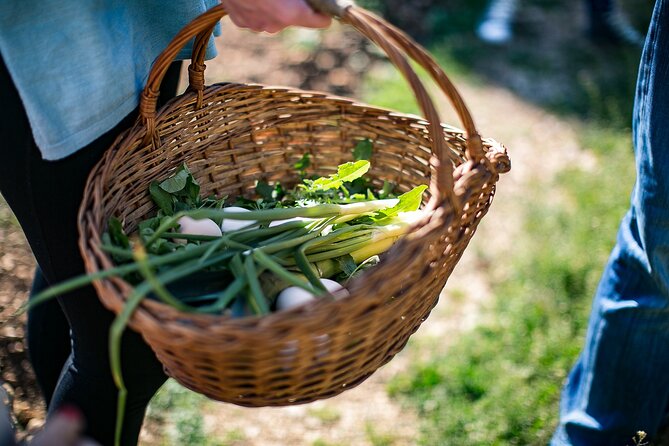
- You may walk through the garden and pick ingredients for your meal.
- You may help with prep tasks like chopping vegetables, cleaning produce, and assembling components.
- You may take part in bread or dough work (kneading and shaping came up in multiple experiences).
- You might meet animals on the property, with goats and chickens mentioned often, and even milking goats in some versions.
If you’re imagining a polished cooking school where every minute is “technique, timing, repeat,” this isn’t that. Instead, it feels like joining a family day: a mix of farm chores, kitchen work, and storytelling. If you like that style, you’ll feel right at home fast.
Four courses, plus homemade wine and liquers
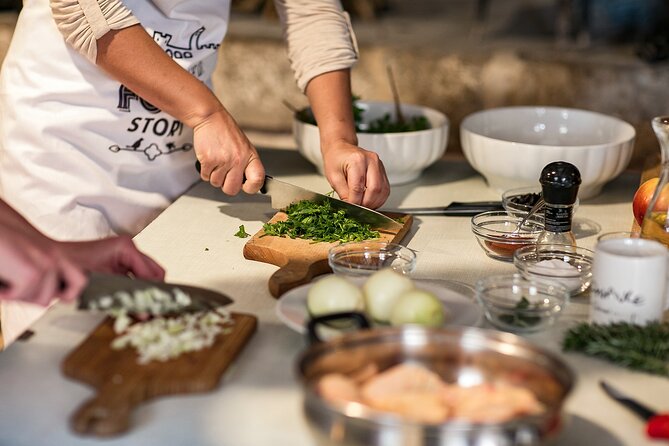
Here’s how the included meal is structured, in plain terms. You’ll get a four-course meal—starter, soup, main, and dessert.
- Starter: a charcuterie board with prosciutto, sausages, cheeses, and garden pickles, paired with homemade bread in several versions of the day.
- Second course: homemade veggie soup made with fresh ingredients (often described as garden-picked).
- Main: a local dish based on meat or fish, served with seasonal vegetables picked from the garden.
- Dessert: a local authentic cake, prepared for special occasions in Dubrovnik and the surrounding area.
Then there’s the drinks, and this matters for value. Alcoholic beverages are included during the experience: homemade liquers and homemade table white and red wine. In practice, that means you’re tasting the same “world” your food comes from.
One more detail that boosts the experience: many hosts build in little “tasting moments” along the way. A welcome drink like chocolate liqueur (carob-bean style) and sweet bites like carob date truffles came up in a featured example. Even when those exact items change, the pattern usually stays the same: you’re welcomed, fed, and guided through the flavor story step by step.
Hands-on cooking vs. story time: what you should actually expect to learn
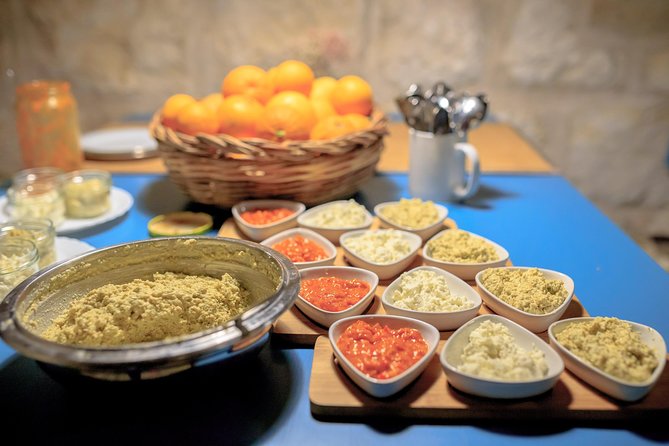
This is where you should calibrate your expectations. A lot of guests come away thrilled, especially when they wanted a lived-in, farm-style cooking experience with plenty of participation. You might handle dough, chop vegetables, assemble breads, and help prepare parts of the meal. Bread-making and cooking techniques like pork prep and smoking methods were mentioned in some experiences, along with activities like making cookies and dessert components.
But there are also a couple of caution flags from less satisfied guests:
- Some felt the day leaned heavily into farm walking and family history, with only limited time spent on cooking.
- One guest noted they received very little instruction and left without recipes.
- Another guest with a gluten-free requirement said their experience didn’t match what they expected compared with others, including missing certain bread or dessert items.
So here’s the practical take: if your goal is strict cooking-instruction depth (measured steps, a printed recipe card for everything, lots of technique coaching), you may find this style too social and too story-driven. If your goal is a hands-on taste of Dalmatian home cooking in a real family setting, you’re much more likely to love it.
My advice: during the day, ask how each dish is made. Also ask what ingredients matter most and what substitutions are typical. Even if you don’t get recipes to take home, good questions usually lead to useful answers.
Dietary needs: vegetarian is available, but confirm your specifics
The good news first: a vegetarian option is available if you ask at booking time. That’s important, because you don’t want to arrive and discover the only “vegetarian” choice is a side salad.
For other dietary needs, the data you’ve got suggests this is not one-size-fits-all. One gluten-free experience in the set of feedback described an accommodation that didn’t include the same bread or dessert options, even after prior notification. That doesn’t mean every guest will have the same outcome, but it’s a sign to plan smart.
If you have any dietary requirement beyond vegetarian, do this:
- Mention it clearly at the time of booking.
- Ask what exactly will be adjusted (what courses you’ll be able to eat, not just what’s excluded).
This kind of day lives and dies on ingredient handling, so you want clarity ahead of time.
Price and value: what $290.36 buys you here
At $290.36 per person for about 5 hours, this is not a budget activity. If you’re comparing it to a cheap “cook with a group” class, it won’t win on cost.
But you’re not just paying for a lesson. You’re paying for a packaged countryside day where the big expenses are already inside the price:
- Hotel pickup and drop-off by private car/minivan
- A small-group cooking experience with ingredients, kitchen equipment, and hands-on setup
- A four-course meal, served in the farm setting
- Coffee and/or tea
- Alcoholic beverages included during the experience (homemade liquers and homemade table wine)
When you total it up, you’re basically buying transportation + a full meal + drinks + guided farm time. That’s why so many people come away calling it a highlight. It’s a “do this once” kind of experience for many visitors—especially if you want something that feels distinct from standard restaurant dinners.
Who this is best for (and who might not love the format)
This experience fits best when you want authenticity over showmanship. You’ll likely enjoy it if you:
- Like cooking that’s connected to real ingredients and real people
- Want a small-group setting with time to talk
- Enjoy trying wine and homemade liquers with a meal
- Appreciate farm life details—garden picking, animals, and seasonal cooking
You might think twice if you:
- Want a highly structured cooking class with lots of technique drills and full recipe handouts
- Need strict dietary consistency and want guarantees beyond what’s stated for vegetarian
If you can accept that the day is part kitchen class and part family home/farm visit, the experience becomes much easier to enjoy.
Practical tips so you get more from the day
Here are a few things that help you land softly and enjoy more of what’s offered:
- Wear comfortable shoes. Even if you’re not doing heavy farm labor, you’ll likely move around garden and farm areas.
- Bring a light layer. Countryside temperatures can shift, and you may be outside for garden walks.
- Go hungry and pace yourself with the wine. Multiple rounds of homemade drinks can add up fast.
- Ask questions while you cook. Since recipes aren’t guaranteed to leave with you, discussion becomes your “takeaway.”
- If vegetarian is your requirement, confirm which courses you’ll get when you book.
This is one of those experiences where your energy matters. If you arrive ready to participate and learn in a relaxed way, you’ll get the best version of the day.
Should you book Traditional Cooking Class in Dubrovnik Countryside?
If you want a Dubrovnik meal that feels like it came from a real place—garden-picked ingredients, homemade wine, a family-run kitchen, and a small group—this is a strong choice. The price is steep, but it covers the full countryside day: transport, cooking time, a four-course meal, and included drinks.
Book it if you’re excited by the idea of cooking together and spending time with a farm family. Skip (or at least set careful expectations) if you’re looking for a strict cooking school format with lots of technical instruction and guaranteed recipe take-home—especially if you have dietary needs beyond vegetarian.
If you’re on the fence, your best move is simple: confirm your dietary requirements clearly at booking, and come ready to learn through doing, tasting, and asking questions. That’s where this experience shines.
FAQ
How long is the Dubrovnik countryside cooking class?
It lasts about 5 hours.
Is hotel pickup and drop-off included?
Yes. Pickup and drop-off are included by private car/minivan from the closest point to your Dubrovnik accommodation or hotel address.
What language is the experience offered in?
The class is offered in English.
What group size should I expect?
It’s a small-group experience with a maximum of 8 people per booking, and it states a maximum of 10 travelers for the activity. A minimum of 2 people per booking is required.
Is there a vegetarian option?
Yes. A vegetarian option is available if you advise the provider at the time of booking.
What’s included in the meal?
You’ll get a four-course meal, including a charcuterie-style starter, homemade veggie soup, a main dish based on meat or fish with seasonal garden vegetables, and a local authentic cake for dessert.
Are drinks included?
Coffee and/or tea are included, and alcoholic beverages are included as well: homemade liquers and homemade table white and red wine.
What isn’t included if I want to buy items?
Items bought for personal use are not included, such as olive tree souvenirs, wine, olive oil, liquers, and homemade jams.
Is free cancellation available?
Yes. You can cancel up to 24 hours in advance for a full refund. If you cancel less than 24 hours before the start time, the amount paid will not be refunded.