REVIEW · ZAGREB
Zagreb Small Group Guided Walking Tour with WW2 Tunnels
Book on Viator →Operated by Petros d.o.o · Bookable on Viator
Zagreb tells its story on foot. This 2.5-hour small-group walk strings together the city’s main historic sights and the WWII-era Grič Tunnel, with one of the most unforgettable daily moments in town: the 12:00 cannon at Lotrščak Tower.
I especially like two things about this tour: first, you get a tight, first-timer-friendly route that covers both the “pretty postcard” spots and the stories behind them. Second, the small group size (up to 16) makes it easier to ask questions and actually hear what your guide is saying.
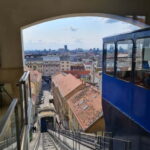
One thing to plan around: the funicular is under renovation until March 2026, and the Grič Tunnel can occasionally close due to events, so you may have an alternate flow depending on the day.
In This Review
- Key points to know before you go
- Price and what you really get for the money
- Logistics you should sanity-check: funicular, tunnel closures, and Dolac hours
- Zrinjevac Park and Meteorological Station: your starting point for old-meets-new Zagreb
- Ban Jelačić Square: Zagreb’s main square and the story behind its name
- Zagreb Cathedral: Neo-Gothic drama you’ll remember
- Dolac Market and the Kumica statue: food culture with real local texture
- Tkalčićeva Street: coffee culture and the art of slowing down
- Grič Tunnel (Tunel Gric): the WWII underground stop that changes the mood
- Lotrščak Tower and the 12:00 cannon: time your photos with your ears
- Upper Town (Gornji Grad/Gradec): viewpoints, Parliament seats, and St Mark’s roof
- Stone Gate (Petrini Pyli) and the Our Lady chapel: a small ending with big symbolism
- Guides: why your experience can feel personal (especially in a group of 16)
- Who this tour suits best
- Should you book this Zagreb tour with WWII tunnels?
- FAQ
- Where does the tour start and end?
- How long is the Zagreb small-group walking tour?
- How big is the group?
- Is the WWII tunnel part of the tour?
- Will I get a funicular ride on this tour?
- Are there any free admissions on this tour?
- Is Dolac Market included even if I visit later in the day?
- Can children join?
- Is there free cancellation?
Key points to know before you go
- Small group (max 16): more conversation, less waiting around.
- WWII underground at Grič Tunnel: a standout stop, but access can change.
- Lotrščak Tower at noon: the cannon goes off daily at 12:00.
- Big city highlights in a short walk: cathedral, Gradec viewpoints, Parliament area.
- Local food stop timing matters: Dolac Market closes in the afternoon and on public holidays.
- Comfort matters: you’ll walk a lot, including stairs, especially since the funicular may be out of service.
Price and what you really get for the money
At $24.20 per person for about 2 hours 30 minutes, this is priced like an orientation tour—fast enough to fit into a busy schedule, and structured enough that you’re not guessing your way through Zagreb’s center.
What makes it good value is how many “major stops” you pack in without turning it into a sprint:
- Medieval Gradec and the skyline viewpoints
- The Neo-Gothic Cathedral façade
- The central meeting point at Ban Jelačić Square
- Dolac Market (when open)
- Tkalčićeva Street, Zagreb’s café-and-walk-about strip
- The WWII Grič Tunnel
- Lotrščak Tower’s cannon moment
And you’re not just getting sightseeing. You get context from a licensed local guide, plus a funicular ride is listed as included in the price. That said, the funicular closure until March 2026 is the one detail that can affect the value on specific dates.
You can also read our reviews of more tours and experiences in Zagreb.
Logistics you should sanity-check: funicular, tunnel closures, and Dolac hours
This tour is built around specific landmarks, but Zagreb doesn’t always cooperate. Here are the three practical issues that can change your experience:
1) Funicular under renovation
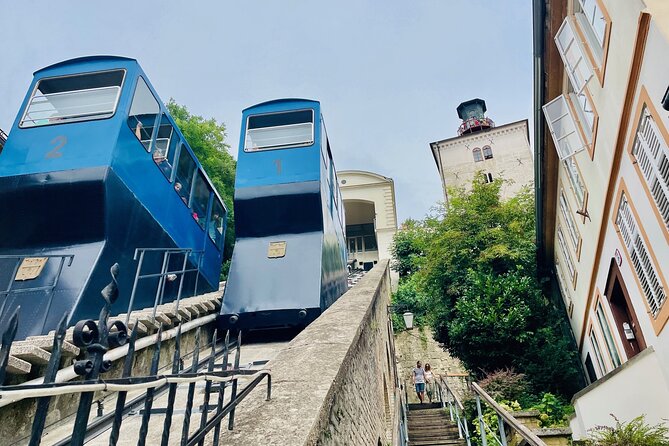
The funicular is currently closed until March 2026. Since the tour includes a funicular segment, expect more walking/stairs on days when the funicular can’t operate.
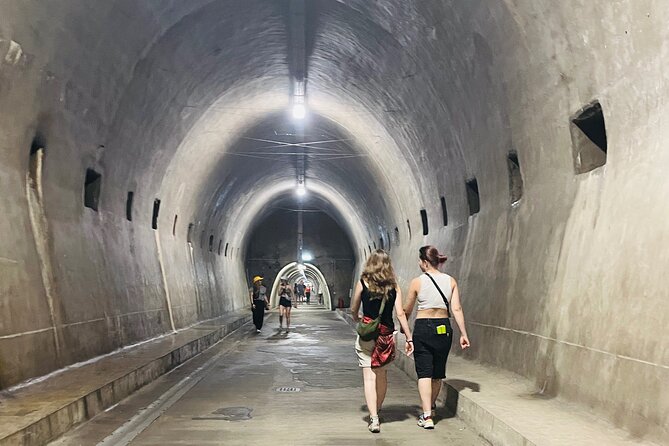
2) Grič Tunnel access can be interrupted
The Grič Tunnel is generally part of the plan, but it may be closed if there’s an exhibition, theatre show, or similar event. If it’s closed, you won’t be able to go in.
3) Dolac Market is not available afternoons
Dolac Market is closed for afternoon tours and on public holidays. If your departure time puts you there when it’s shut, your route may shift so you still get the story of Zagreb’s food culture.
If you’re the type who likes a smooth checklist, message your operator the day before and ask what your day’s flow looks like given the funicular closure and potential tunnel changes.
Zrinjevac Park and Meteorological Station: your starting point for old-meets-new Zagreb
The tour begins at Zrinjevac Park, in front of the Meteorological station. Even this first stop has a “Zagreb detail” vibe: there’s a small display showing temperature and barometric pressure on the north side of the park.
From there, your guide sets the tone for the whole day: how the city’s identity formed over centuries—medieval roots, then later layers that still shape streets and squares today.
What to watch for: the park area is a good warm-up walk. If you show up ready (water, comfy shoes), this start helps you feel oriented without jumping straight into big climbs.
Ban Jelačić Square: Zagreb’s main square and the story behind its name
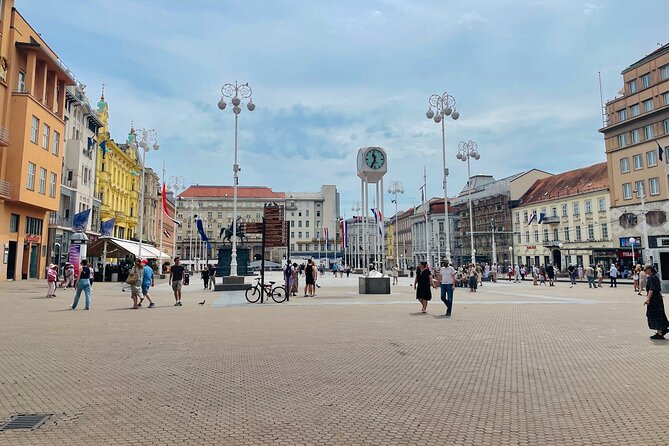
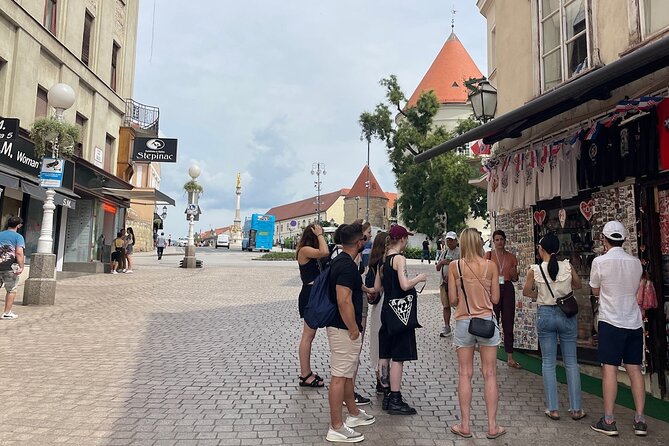
Next is Ban Josip Jelačić Square—the central meeting point where locals pass through every day. It’s a smart second stop because you can instantly spot why this place matters: it’s where Zagreb’s life funnels in and out.
Your guide also ties the square to the story of how Zagreb got its name. That kind of explanation makes later landmarks—especially medieval ones—feel less random and more connected.
Potential drawback: on busy days, you’ll need to stand where your guide can be heard. If your group is tight, position yourself so you’re not half-turned away from the guide’s voice.
Zagreb Cathedral: Neo-Gothic drama you’ll remember
The Zagreb Cathedral is the monumental Neo-Gothic landmark that tends to stop people mid-step. Even if you’re not a “church-and-architecture” person, the scale and façade give it instant impact.
This is also a good place to learn how architectural style and national identity can travel together. A cathedral here isn’t just a building—it’s a statement.
Quick practical note: wear shoes you trust for uneven sidewalk sections around the cathedral area, especially if the weather is damp.

Dolac Market and the Kumica statue: food culture with real local texture
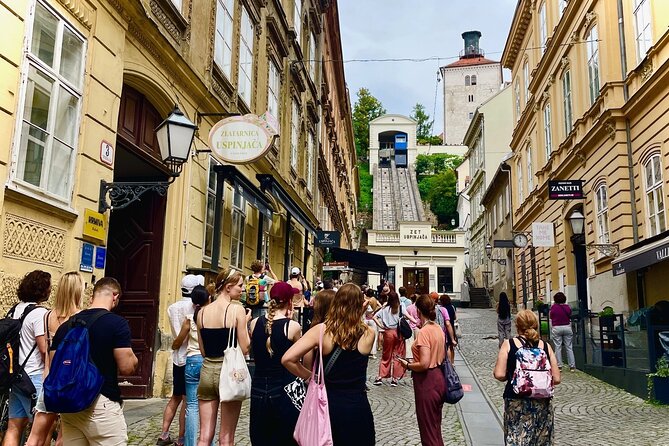
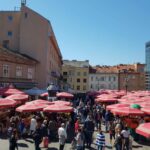
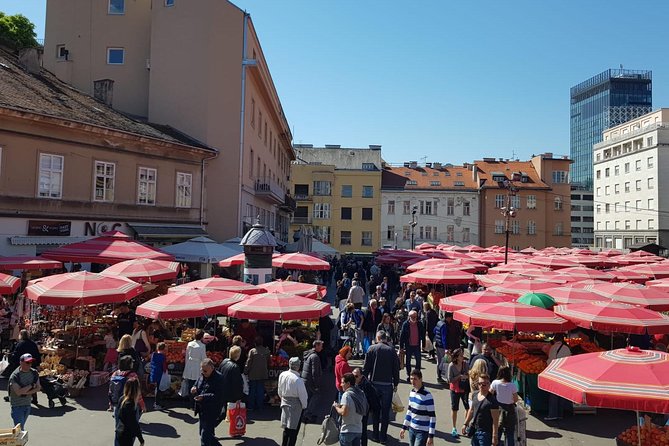
Dolac Market is where Zagreb gets loud—in a good way. When it’s open, it’s the largest farmers market in Croatia, and you’ll feel that “people are here to shop and talk” energy.
You’ll also see the statue to Kumica and get a clearer sense of Croatian cuisine beyond stereotypes. Food culture in Croatia is social: it’s tied to daily rhythms, not just meals.
Two tips for this stop:
- If your tour time puts you near lunchtime, you’ll likely get a better feel for the market’s atmosphere.
- If your day lands during a closure window, don’t panic—your guide should redirect you so you still get the cultural story, just not the full market scene.
Tkalčićeva Street: coffee culture and the art of slowing down
Tkalčićeva Street is often called Zagreb’s bar street, but it’s really more than that. It’s a place where people linger, people-watch, and treat a drink (or coffee) like part of the day—not an accessory.
This stop is useful because it balances all the heavy history with everyday life. The WWII tunnel is intense. The cannon is loud. After that, you need normal.
If you want a practical takeaway: ask your guide what locals order, where they go for a proper meal, and how they pace a night out. Many guides share helpful restaurant suggestions in this stretch of the tour.
Grič Tunnel (Tunel Gric): the WWII underground stop that changes the mood
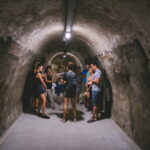
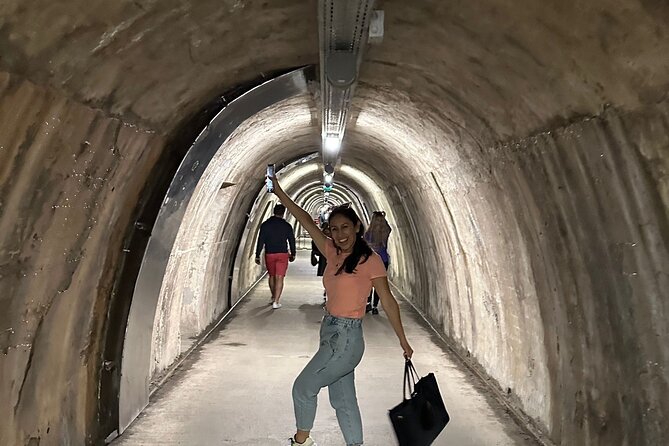
Then you go underground. The Grič Tunnel, built during WWII, is the tour’s most emotionally serious stop. Even when you know the basics of the era, being in the space itself gives history a physical weight.
This is one of the stops that many people single out as a highlight—because it’s not just a viewpoint or a façade. It’s a story you feel.
The big “but”: the tunnel can occasionally close due to events inside it. If it’s closed, you won’t be able to visit it at all, so keep your expectations flexible.
Lotrščak Tower and the 12:00 cannon: time your photos with your ears
Lotrščak Tower is where the city literally marks midday. The tower houses the Gric cannon that goes off each day at noon.
If your tour hits this stop near 12:00, you’ll experience it rather than just hear about it later. Bring your camera if you want photos, but also keep your senses open—there’s something very Zagreb about a ritual that’s been running for generations.
Practical tip: if you’re filming, brace yourself and stand back a touch. If you’re sensitive to loud sounds, position accordingly and don’t assume it’s “quiet tradition.”
Upper Town (Gornji Grad/Gradec): viewpoints, Parliament seats, and St Mark’s roof
After the tower, you move into Zagreb’s medieval Upper Town area, Gradec, one of the city’s two historic settlements.
This is where the tour starts delivering the sweeping payoff:
- Strossmayer Promenade for panoramic views over Zagreb’s rooftops
- The area around the Croatian Parliament and Government seats
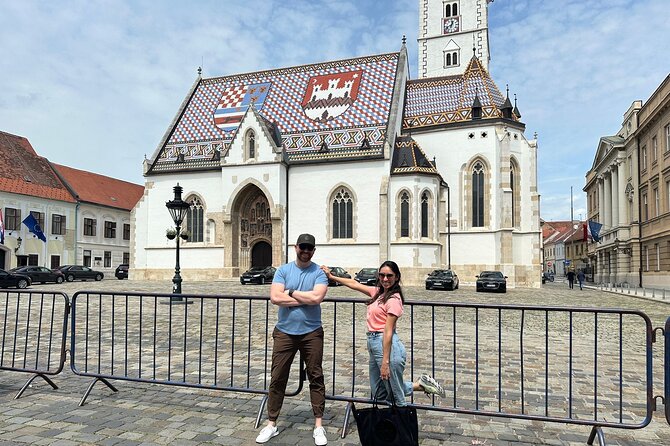
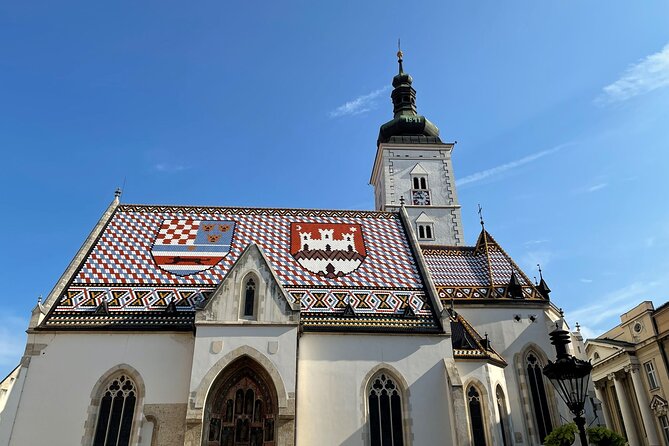
- Saint Mark’s Church with its colorful roof
- The Museum of Broken Relationships, seen here as an external stop
Why this part works on a walking tour: you get height and sightlines without needing a car. The city rises, and suddenly the names of streets and squares start making geographic sense.
One consideration: this section can involve more steps and uneven surfaces. If you’re visiting in winter or after rain, take your time on the stairs and follow your guide’s pace.
Stone Gate (Petrini Pyli) and the Our Lady chapel: a small ending with big symbolism
The tour closes with Petrini Pyli, the Stone Gate—the only medieval city gate that has survived to today. Inside the gate is a small chapel featuring a miraculous picture depicting Our Lady, the patron saint of Zagreb.
This ending is a nice contrast: you go from major public spaces and grand architecture to a smaller, focused moment. Then you finish back in the city’s heartbeat—Ban Jelačić Square—where something is always happening.
Good to know: the tour ends at the main square, which is handy because it makes it easy to continue exploring on your own right away.
Guides: why your experience can feel personal (especially in a group of 16)
This tour is heavily guide-driven, and the best versions of it feel like a conversation with someone who genuinely cares about Zagreb.
In the feedback patterns tied to named guides like Petra, Maya, Mia, Tom, and Tomislav, the recurring theme is clear: guides keep people engaged, answer questions patiently, and bring stories that help Zagreb make sense quickly—often with small, memorable details about daily life.
That said, one thing to keep in mind: pacing depends on the guide and the group’s needs. If you prefer a very tight schedule, show up on time and plan to stay close to the group. If you have mobility limits, tell your guide early so they can guide you through the walking and any stair-heavy sections.
Who this tour suits best
This Zagreb walking tour is a strong match if:
- You’re visiting Zagreb for the first time and want the highlights in one coherent route
- You like history, but you want it delivered with street-level context, not lecture-style
- You want one “big ticket” experience (Grič Tunnel) inside a normal city-day walking plan
- You enjoy noon rituals and want a reason to be out in the streets at 12:00
It may be less ideal if:
- You’re counting on the funicular ride for the day (it’s closed until March 2026)
- You’re traveling specifically for the tunnel and can’t be flexible if the Grič Tunnel closes due to events
Should you book this Zagreb tour with WWII tunnels?
I think it’s worth booking if you want an efficient, small-group way to understand Zagreb—medieval streets, iconic landmarks, daily-life atmosphere, and a real WWII underground stop. The $24.20 price feels fair for the number of major sites packed into 2.5 hours, especially with a licensed local guide leading the route.
Book it with a simple mindset:
- Be flexible on the Grič Tunnel if your date has an event closure.
- Expect more stairs/walking given the funicular renovation.
- Aim to be around noon if Lotrščak’s cannon is a must for you.
If that all works for you, you’ll likely come away with the kind of city “map in your head” that makes the rest of your Zagreb days easier and more fun.
FAQ
Where does the tour start and end?
It starts at Zrinjevac 2, 10000 Zagreb, Croatia, and ends at Ban Jelačić Square (Trg bana Josipa Jelačića, 10000 Zagreb, Croatia).
How long is the Zagreb small-group walking tour?
It runs for about 2 hours 30 minutes.
How big is the group?
The tour is limited to a maximum of 16 travelers.
Is the WWII tunnel part of the tour?
Yes, the Grič Tunnel stop is included, but it may be closed to visitors if there’s an event inside it.
Will I get a funicular ride on this tour?
A funicular ride is included in the price, but the funicular is closed due to renovation until March 2026.
Are there any free admissions on this tour?
The tour details indicate admissions are free at the listed stops.
Is Dolac Market included even if I visit later in the day?
Dolac Market is closed in the afternoon and on public holidays, so it may not be accessible depending on your tour time.
Can children join?
Children must be accompanied by an adult.
Is there free cancellation?
Yes. You can cancel up to 24 hours in advance for a full refund.