REVIEW · ZAGREB
Authentic Croatian Food & Heritage Walk in a Small Group
Book on Viator →Bookable on Viator
Three hours of Zagreb food and stories.
This is the kind of small-group walk where Tea threads dish-by-dish meaning into real table habits, and you’ll eat more than you expect across iconic stops, ending with famous štrukli. The main drawback to plan for: Croatia’s food culture can make strict diet requests hard to guarantee.
With a maximum of 7 people and an easy, central route, you get lots of time to ask questions without the group feeling rushed. Start at 10:00 am, then finish back at Ban Jelačić Square, full enough that you’ll be thinking about your next meal after dessert.
In This Review
- Key points worth knowing
- Zagreb’s 3–4 Hour Food Walk: Why It Feels Like a Local Morning
- Where It Starts: King Tomislav Square and the Habit of Eating Together
- Zrinjevac Park: Local Rest and a Fairground Past
- Petrinjska Street’s Heritage Stop: Learning Through What You Taste
- Ban Jelačić Square: Zagreb’s Main Stage for Food Stories
- Dolac Market and the kumice: The Real Local Shopping Scene
- Gostionica Ficlek: Zagreb Tavern Comfort Food, Region by Region
- Cathedral of Zagreb: When a Church Adds Meaning to the Meal
- La Štruk and Radićeva Street: The Sweet Finish You’ll Actually Care About
- Price and Value: What $129.41 Buys You Here
- Pacing, Diets, and Real-Life Practicalities
- Who This Zagreb Tour Suits Best
- Should You Book This Zagreb Food Walk?
- FAQ
- What’s the duration of the Zagreb Authentic Croatian Food & Heritage Walk?
- How many people are in the group?
- What time does the tour start, and where does it end?
- Is the tour in English?
- Are alcoholic drinks included?
- What food will I get during the tour?
- Is transport or hotel pickup included?
- Can I choose special dietary options?
- What happens if the tour can’t operate due to weather or too few participants?
Key points worth knowing
- Small group size (up to 7) makes the pacing feel human and questions easy
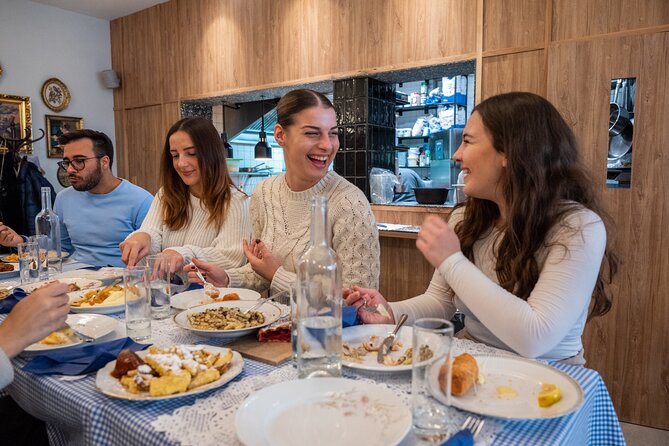
- Lots of tastings across savory bites, market samples, and a sweet finish at štrukli
- Tea’s storytelling connects Croatian food to place, habit, and history you can actually see
- Dolac Market with kumice gives you a front-row view of shopping culture
- Homemade liqueur or brandy is included for adults, if you want the extra kick
Zagreb’s 3–4 Hour Food Walk: Why It Feels Like a Local Morning

This tour works because it matches how Zagreb actually eats: quick bites on the move, longer stops for market life, and a slow turn toward comfort food. You don’t just sample a few items and move on. You learn how food fits into daily rhythms, from table culture to street snack customs.
For you, the biggest payoff is volume and variety. You’ll keep tasting through parks, squares, a heritage snack stop, and Zagreb’s famous market area. And you’ll finish with a sweet you’ll genuinely want to remember.
One more practical plus: the route is designed around central landmarks. So even if you’re not a food “purist,” you still walk past major sights while eating your way through what makes Croatian cuisine recognizable.
You can also read our reviews of more tours and experiences in Zagreb.



Where It Starts: King Tomislav Square and the Habit of Eating Together
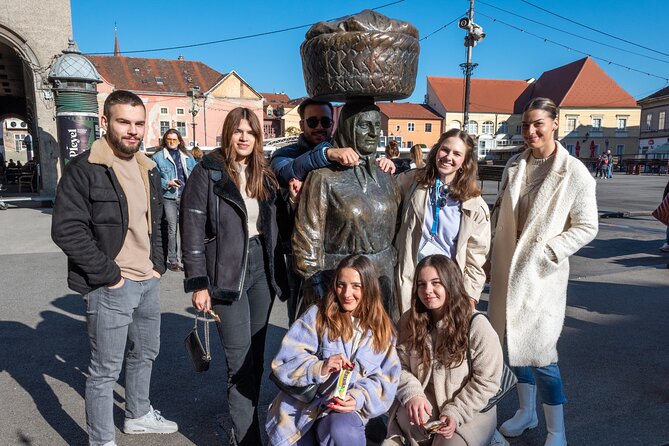
King Tomislav Square is a smart place to begin. It’s tied to travel arrivals and departures because the railway station sits nearby. That matters, because Tea uses the location as a story starter about how cultures mix—and how that mixing shows up at the table.
Expect an opening chat about Croatian culinary habits and table culture, then a first bite you can eat on the go. This early snack is useful. You’re not just listening; you’re warming up your appetite before the walking starts stacking up food stops.
If you’re the type who likes context before flavor, this start gives you a framework. If you’re more of a jump-right-in eater, the snack still keeps things moving.
Zrinjevac Park: Local Rest and a Fairground Past
Next is Zrinjevac, one of Zagreb’s best-known parks for a reason: locals come here to unwind. But it’s not just a pretty green break. Tea also brings in its older role as a fairground, which adds an extra layer to what you’re seeing while you rest your legs.
In practical terms, this stop is a breather that still counts. You’ll continue the talk about Croatian flavors and set up the next snack.
One consideration: it’s a walk tour, so even when you stop, you’re still moving. Comfortable shoes are not optional here, especially if you’re visiting on uneven pavement near central squares.
Petrinjska Street’s Heritage Stop: Learning Through What You Taste
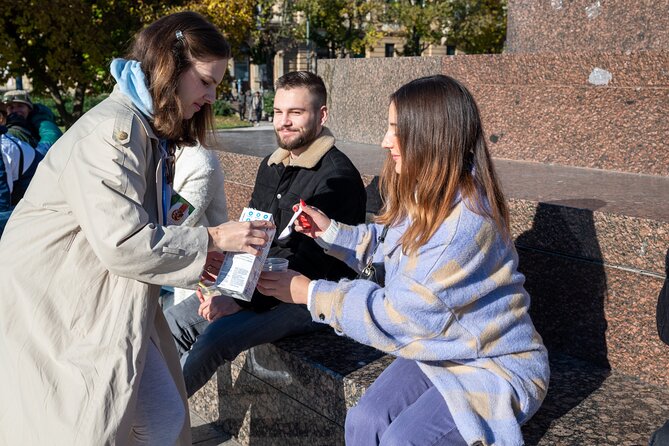
Petrinjska Street is where you shift from general food habits into specific Croatian flavors. You’ll head to a heritage snack bar stop for another round of tastings, with Tea explaining what makes the items local and how they fit into everyday eating.
This is the point where the tour stops being only informational and becomes fully sensory. You’ll start picking up patterns: ingredients that show up again, flavors tied to regions, and how “snack” in Croatia can still feel substantial.
Because tasting menus can change based on restaurant hours, crowds, or menu updates, you should keep your expectations flexible. The goal is the same even if the exact dishes swap.
Ban Jelačić Square: Zagreb’s Main Stage for Food Stories

Then you pass through Ban Jelačić Square, Zagreb’s main square. Tea uses it as a history anchor, explaining the significance of both the square and Ban Jelačić himself.
Why bring history into a food tour here? Because food habits don’t develop in a vacuum. When you understand what a city’s central meeting point represented—socially and historically—you start noticing how eating fits into public life: markets, gatherings, and everyday routines.
This is a shorter stop, but it helps you connect what you’ve eaten so far with where the city’s movement happens.




Dolac Market and the kumice: The Real Local Shopping Scene
Dolac Market is the centerpiece for anyone who likes food as a human activity, not just a product. This stop is longer because it’s where Zagreb’s food culture is easiest to see.
Tea introduces you to the kumice, local women sellers, and the products they offer. This is where you learn more than what you’re eating—you learn how people shop, how markets influence daily meals, and why certain kinds of items feel essential rather than trendy.
Food tours often stop at a market just to point and photograph. This one uses Dolac to teach habits: what people look for, how buying works socially, and how market life shapes what ends up on plates.
If you’re a shopper who loves ingredients, you’ll leave with names of products to look for later. If you’re not, you’ll still leave understanding why Croatian cuisine feels both practical and comforting.
Gostionica Ficlek: Zagreb Tavern Comfort Food, Region by Region
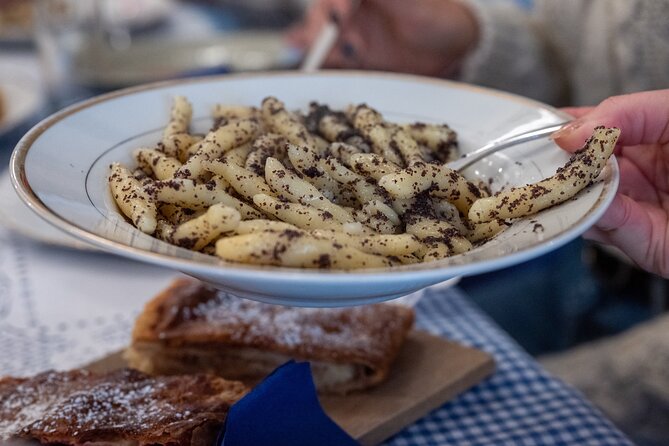
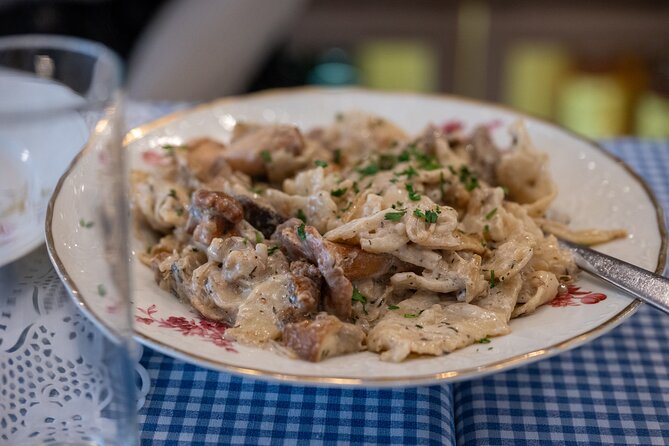
After Dolac, you head to Gostionica Ficlek, a tavern dedicated to Zagreb table classics. This is a key tasting stop because it’s where the tour leans into regional dishes and lets you share them with the group.
Tea explains what makes the dishes characteristic of the region, which helps you connect taste to place. Instead of treating flavors as random surprises, you start seeing them as part of a larger pattern.
This stop also gives you a different pace. Compared with street snacks and market bites, a tavern stop feels more like a proper meal moment, even if the tour format keeps it moving.
Cathedral of Zagreb: When a Church Adds Meaning to the Meal
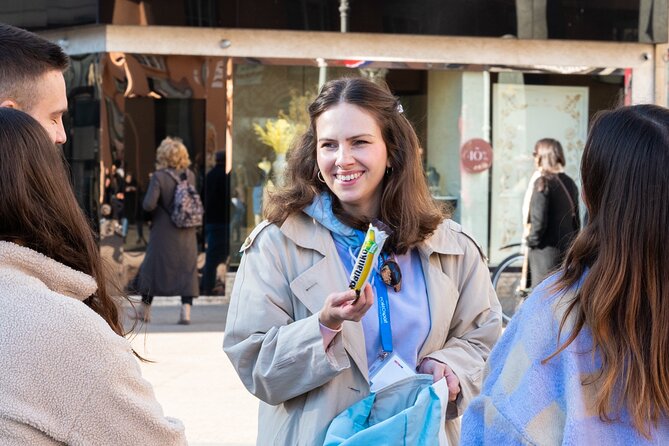
Next comes the Cathedral of Zagreb, often described as one of the city’s most impressive churches. Tea uses it as a quick but memorable transition from food back into city context.
You’ll get historical stories and interesting facts while you take in the scale of the building. This works better than it sounds. When your eyes and ears have a break, the earlier food context sticks. You connect the city’s identity to the way people celebrate life around food.
This stop is short, so don’t plan to treat it like a long museum visit. Use it as a reset button.
La Štruk and Radićeva Street: The Sweet Finish You’ll Actually Care About
Most food tours end with a vague dessert stop. This one builds to La Štruk, where you’ll taste one of the city’s currently most famous štrukli. And the tour makes a point of timing it so you still have room.
Štrukli is one of those desserts that can’t be faked. If you like warm, comforting pastry-like dishes, this will click fast. And if you’re already a fan, this is the moment you confirm why.
After that, you walk through Radićeva Street, known for pastry-making stories. Tea ties this neighborhood vibe back to sweet habits, so the dessert finish doesn’t feel tacked on.
You return to Ban Jelačić Square to wrap things up. That final loop matters because it helps your brain map the route, so Zagreb doesn’t feel like a blur of snacks.
Price and Value: What $129.41 Buys You Here
At about $129.41 per person for roughly 3 to 4 hours, you’re paying for three things that often cost extra if you DIY: a licensed local guide, multiple tasting stops, and the cultural framing that turns bites into understanding.
If you’ve done city food walks before, you know that “food tours” can be light on actual food. This one is the opposite. Between street-level tastings, a market stop, tavern food, and a sweet ending, you’re not likely to leave hungry. Alcoholic beverages are also included for adults, specifically homemade liqueur or brandy.
You still cover some basics yourself (transport to the meeting point and any additional drinks or food you choose after), so think of the price as covering planned tastings plus guide time. That’s the value.
Also, the small-group max helps here. In a big crowd, food tastings can feel rushed. With up to 7 people, the pace stays comfortable, and Tea can adjust when something changes.
Pacing, Diets, and Real-Life Practicalities
This tour is structured for walking plus eating, so go in with the right mindset. Wear comfortable clothes and shoes. The route runs through central areas, and you’ll be on your feet enough that “cute but uncomfortable” footwear will backfire.
Food-wise, pace yourself. The tastings add up fast. One recurring piece of advice from the experience itself is simple: come hungry and don’t overdo breakfast. It’s a good move because the tour keeps feeding you through the morning-to-early-afternoon slot.
Diet restrictions are the one area where you should be cautious. The tour notes that it can’t always guarantee restricted options because of local food customs. If you have a strong dietary requirement, message the operator before booking and ask directly what can be handled.
One more practical note: the exact restaurants visited may vary due to operating hours, unexpected crowds, or menu changes. That’s normal for walking tours, but it’s helpful to know so you don’t worry if the stop swaps slightly.
Who This Zagreb Tour Suits Best
This is a great fit if you want your Zagreb sightseeing to come with real food momentum. It’s ideal for:
- First-timers who want a fast intro to Croatian flavors and Zagreb landmarks
- People who like small groups and conversation
- Anyone who wants to understand how markets and table habits shape what’s on a plate
- Adults who enjoy trying local spirits since homemade liqueur or brandy is included
If you prefer quiet sightseeing with minimal food, you might find the constant tastings too much. And if you have strict dietary needs, you’ll want extra confirmation before you commit.
Should You Book This Zagreb Food Walk?
Yes, if your goal is an efficient mix of Zagreb sights plus meaningful Croatian eating. The guide-led storytelling, the Dolac Market stop with the kumice, the tavern tasting at Gostionica Ficlek, and the štrukli finish create a route that feels more complete than a standard snack crawl.
Book it with two rules in mind: come ready to eat, and wear shoes you can walk in all morning. If you do that, this feels like one of the most practical ways to understand Croatian food culture without turning your day into a list of random bites.
FAQ
What’s the duration of the Zagreb Authentic Croatian Food & Heritage Walk?
It runs about 3 to 4 hours.
How many people are in the group?
The tour has a maximum of 7 travelers.
What time does the tour start, and where does it end?
It starts at 10:00 am. It ends at Ban Jelačić Square (Trg J. Jelačića).
Is the tour in English?
Yes, it is offered in English.
Are alcoholic drinks included?
Alcoholic beverages are included for adults: homemade liqueur or brandy. Individuals under 18 are not permitted to consume alcoholic beverages.
What food will I get during the tour?
You’ll have multiple food tasting stops across the route, including a heritage snack bar stop, a market tasting at Dolac, a tavern tasting at Gostionica Ficlek, and a sweet štrukli stop at La Štruk.
Is transport or hotel pickup included?
No. Transport and hotel pickup/drop-off are not included. You’ll need to get to the meeting point near public transportation.
Can I choose special dietary options?
The tour notes that it can’t always guarantee restricted diet options due to local food customs.
What happens if the tour can’t operate due to weather or too few participants?
The experience requires good weather. If it’s canceled due to poor weather, you’ll be offered a different date or a full refund. If there aren’t enough participants, it may be canceled, and you’ll have the option to choose an alternative tour or receive a full refund.