REVIEW · ZAGREB
Big Zagreb Private Walking Tour
Book on GetYourGuide →Operated by Free Spirit Tours · Bookable on GetYourGuide
Zagreb clicks when someone walks with you. This private 3-hour stroll lines up the big sights in the right order, from Kaptol to Gradec to downtown. I especially liked the young local guide with 500+ tours experience and the practical way the route explains how Zagreb works day to day. One thing to consider: this tour is not suitable for wheelchair users.
You’ll cover the postcard highlights at walking speed, not in a rush. The tour also includes small moments that most self-guided plans miss, like the cannon firing at Lotrščak Tower at noon.
If you’re the type who wants context, not just photos, this is a smart choice. You’ll also get ideas for what to do after the tour, so you don’t waste your next hours trying to guess where to go.
In This Review
- Key highlights you should know before you go
- Walking Zagreb the way locals actually explain it
- The Kaptol start: cathedral, walls, and Dolac market energy
- Crossing into Gradec’s Old Town: Stone Gate to St. Mark’s rooftop
- Lotrščak Tower, the funicular, and views that make the climb worth it
- Downtown Zagreb: Flower Square, the Green Horseshoe, and parks with a purpose
- The Croatian National Theatre: culture in the middle of a city walk
- Your guide matters more than you think
- Itinerary pacing: what fits, what might not
- Price and value: what $117 buys you in Zagreb
- Who this tour is best for
- What to do after the tour with confidence
- Should you book Big Zagreb Private Walking Tour?
- FAQ
- How long is the Big Zagreb Private Walking Tour?
- Is this tour private or shared?
- What languages are offered?
- Where does the tour start, and is pick-up available?
- What are you guaranteed to see during the walk?
- Are large bags or luggage allowed?
- Is it refundable if plans change?
Key highlights you should know before you go
- 500+ tours guide experience: certified local guidance meant for real people, not scripted speeches.
- Kaptol and Gradec in one loop: you’ll see why Zagreb was once two different towns.
- Noon cannon at Lotrščak Tower: a very Zagreb tradition you can time into your walk.
- Old Town icons on foot: St. Mark’s church rooftop views, Stone Gate, and the funicular area.
- Downtown parks and culture: Flower Square, the Green Horseshoe walk, and the Croatian National Theatre.
- Route flexibility: you can modify the standard route and customize pick-up or drop-off spots.
Walking Zagreb the way locals actually explain it
Zagreb can feel split in two at first: hilltop old streets on one side, smarter, greener downtown paths on the other. What makes this tour useful is that it doesn’t treat the city like a checklist. It walks you through how Zagreb grew, what people did each day, and why certain landmarks matter beyond being pretty.
You’ll also feel the benefit of a private format fast. You’re not stuck with a slow group pace or forced into someone else’s interests. With guides like Elena or Kristina (names you may see in guide assignments), the experience is built around conversation and adjusting on the fly.
The big win for your trip is that 3 hours is long enough to connect the dots, but short enough that you still have time afterward. By the time you finish, you should know where to roam next, what to skip, and how to read the city without a map panic.
You can also read our reviews of more tours and experiences in Zagreb.

The Kaptol start: cathedral, walls, and Dolac market energy
The tour’s first phase takes you to the older beginnings of Zagreb, when the city was essentially divided into two towns: Kaptol and Gradec. That division matters here because Kaptol carries the religious and institutional side of the city, while Gradec grew more civic and defensive.
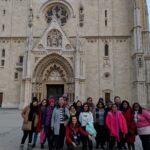
In Kaptol, you’ll see the monumental Zagreb Cathedral. Even if you only glance for photos, your guide frames it as part of the city’s identity, not just a big building. Then you’ll walk by the 16th-century town walls of Kaptol, which give you a sense of how protected Zagreb had to be.
After that, you’ll head toward Dolac green market. This is where the tour becomes less museum-like and more real life. Dolac is the place where everyday Zagreb energy shows up: stalls, movement, and that quick back-and-forth pace of local shopping. If you’re hungry, this is also a natural moment to understand what people buy and why the market is worth a return visit later.
One practical note: markets tend to be active, so wear shoes that handle uneven stones and crowd flow. The tour is meant for walking comfort and city rhythm, not for slow sightseeing in dress shoes.
Crossing into Gradec’s Old Town: Stone Gate to St. Mark’s rooftop
Next comes Gradec, often described as the Old Town, and it’s a different mood from Kaptol. The streets feel older, the vantage points are higher, and the skyline is more “you’re inside a story” than “you’re passing a landmark.”
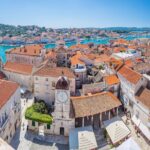
You’ll go through the 13th-century Stone Gate, which is a great way to transition from modern Zagreb edges into medieval-style fortification thinking. Then you’ll reach St. Mark’s church and its iconic rooftop. The rooftop is the kind of sight that you can barely process until you see it from the right angles, and a guide helps you understand what you’re looking at.
This is also a strong part of the tour if you like small rituals. The Lotrščak Tower area includes the cannon firing at noon, and it’s one of those Zagreb traditions that feels almost theater-like. The timing can turn an ordinary stop into a memorable moment, especially if your tour start aligns with midday.
Your guide is there to help you interpret the scene as it happens. You’ll learn why this tradition exists and why it still matters in daily city life, not just as a photo opportunity.
Lotrščak Tower, the funicular, and views that make the climb worth it
Zagreb’s topography is the secret behind its charm. The city sits on hills, which means you get viewpoints if you’re willing to walk the slightly steeper sections. This tour uses that reality instead of fighting it.
At the Lotrščak Tower stop, expect a viewpoint payoff. The cannon ritual gives you a focal point, but the real reason to stay near the tower is the spread of the city around you. It’s the kind of view that makes the whole geography lesson click.
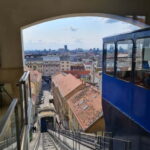
You’ll also see one of the shortest funiculars in the world. That detail isn’t just trivia. It’s a useful example of how Zagreb uses practical solutions to deal with elevation. If you’re planning to return on your own later, understanding how the funicular fits into the city helps you save time and energy.
Walking down after a view-heavy area is usually where your feet start to protest. Plan hydration and keep your pace steady. The tour keeps moving, but it’s paced like a guide who wants you to enjoy the walk, not like a sprint.
Downtown Zagreb: Flower Square, the Green Horseshoe, and parks with a purpose
After the hilltop magic, you shift into downtown Zagreb. This is where the city shows its more modern public spaces and how people spend time outdoors.
You’ll visit Flower’s Square, a lively spot with busy cafes where it feels natural to pause. Your guide’s commentary helps you connect the square to how Zagreb treats public gathering spaces. It’s not random seating; it’s part of the city’s layout and social rhythm.
Then comes the Green Horseshoe, a signature walk made of parks and squares connected in a line. This is one of the best “slow down and look around” segments of the tour. Instead of only pointing out buildings, your guide shows how the park architecture shapes daily routes through the city.
This part is also great for people who like to people-watch without feeling like they’re stuck in one place. You get strolling time, viewpoints through greenery, and a sense of where locals go when they want a break.



The Croatian National Theatre: culture in the middle of a city walk
The stop that many people remember most in downtown is the Croatian National Theatre. It’s the kind of institution that sounds important even before you see it, but it lands differently when you understand the surrounding public space.
Your guide frames it as the most important cultural institution in Croatia, and the setting does support that claim. The theater isn’t isolated on some distant campus; it sits within a usable city pattern of squares and promenades. That makes the building feel less like an event venue and more like part of everyday Zagreb life.
If you’re the sort of traveler who loves the arts but doesn’t know what to attend, this stop is helpful. Even without tickets, you’ll leave with a better understanding of what matters culturally and how to plan your next day accordingly.
Your guide matters more than you think
This tour’s structure is simple on paper, but the guide turns it into something practical. You’re not just walking landmarks; you’re learning how to interpret them.
The guides are certified locals with experience of over 500 tours, and that shows in the flow. They can explain the backstory of Kaptol vs. Gradec without turning it into a lecture. They can point out the right details on rooftops and towers, then tell you where to go next so you don’t feel lost afterward.
In the reviews, Spanish, French, German, Italian, Russian, and English language options are mentioned, and at least one guide is praised for speaking French very well. If you book in your preferred language, you’ll likely get the same smooth, personal pacing.
You’ll also notice a theme: flexibility. One highlight from experience is that guides can adjust to wishes, like pacing changes or small route adjustments. That’s what makes a private tour feel worth the money instead of simply “a guide with fewer people.”
Itinerary pacing: what fits, what might not
This is a 3-hour walk, which is just enough to cover the major points without exhausting you to the point where you rush your own exploring afterward. Expect a steady pace, some elevation around the Old Town, and short stops for explanations at key landmarks.
The tour covers both Old Town and downtown, so it’s not a slow “linger on every street” style tour. It’s more like a guided route that gives you a strong mental map. You’ll probably want to return later to take photos or spend more time in the spots that hit hardest for you.
One more reality check: luggage or large bags aren’t allowed. If you’re arriving from the station with a big suitcase, consider leaving it somewhere before you start. Keep the tour light, and it will feel easier from step one.
Price and value: what $117 buys you in Zagreb
At $117 per person for a 3-hour private walking tour, this isn’t a budget deal. But it’s also not paying for empty time. You’re paying for a guide who knows the route, the stories, and how to make the walk flow through both historic and downtown Zagreb.
Here’s where the value shows up:
- You get a single, coherent introduction to the city rather than piecing together multiple quick tours.
- You get customization options, including the ability to adjust the route and pick-up/drop-off spots if you’re centrally located.
- You get a guide with extensive guiding experience (500+ tours), which usually means fewer awkward pauses and better explanations on the fly.
If your ideal trip is getting oriented fast and then roaming with confidence, this price can feel justified. If you’d rather save money and self-guide with a phone map, you might not feel the same urgency.
Who this tour is best for
I’d put this tour at the top of the list if you:
- Want a first visit to Zagreb that actually makes sense
- Prefer conversation and context over photo-only stops
- Like walking routes that connect history to daily life
- Want a guide to recommend where to go after the tour
It’s also a good match for couples and small groups because the private format keeps it comfortable. If you’re traveling solo, the price works best if you want a planned route and you’re happy to be out walking for about three hours.
If you use a wheelchair, this specific tour isn’t suitable, based on the tour rules. You’ll need a different format or a route designed for mobility access.
What to do after the tour with confidence
One of the most useful parts of this experience is the wrap-up: suggestions on how to spend the rest of your stay. That might sound like fluff, but it matters. After 3 hours in Zagreb, you’ll have new mental landmarks. A good recommendation helps you turn those landmarks into an actual plan for your next half-day or evening.
To make that advice work, take note of which areas you liked most: market energy in Dolac, hilltop views near Lotrščak, or the park architecture around the Green Horseshoe. Then choose a follow-up plan that matches your taste. For example, if you loved the downtown squares, spend more time there at a slower pace. If Old Town rooftop sights were your thing, schedule a return walk before dark.
This tour gives you the framework; you supply the remaining curiosity.
Should you book Big Zagreb Private Walking Tour?
Yes, if you want a well-paced, story-driven orientation to Zagreb’s Old Town and downtown. The combination of Kaptol and Gradec framing, the noon cannon moment, and the downtown park-and-theater sequence is a smart way to see more than you would on your own in the same time.
Book it especially if you value guide-led context and want to leave with a clearer plan for the rest of your trip. Skip or look for another option if you need wheelchair access or if you’ll show up with big luggage you can’t store.
If you’re trying to choose between wandering randomly and getting oriented fast, this tour is the “start smart” move.
FAQ
How long is the Big Zagreb Private Walking Tour?
It’s a 3-hour private walking tour covering Old Town and Downtown Zagreb.
Is this tour private or shared?
It’s a private group experience.
What languages are offered?
The live tour guide is available in Spanish, French, German, Italian, Russian, and English.
Where does the tour start, and is pick-up available?
The tour can start from any centrally located meeting point such as a hotel lobby or Ban Jelačić Square. Hotel pick-up and drop-off are optional if you’re located in the city center.
What are you guaranteed to see during the walk?
You’ll cover main sights in both areas, including Kaptol and Gradec highlights like Zagreb Cathedral, Dolac green market, Stone Gate, St. Mark’s church rooftop area, Lotrščak Tower, and downtown stops like Flower’s Square, the Green Horseshoe, and the Croatian National Theatre.
Are large bags or luggage allowed?
No. Luggage or large bags are not allowed.
Is it refundable if plans change?
Free cancellation is available up to 24 hours in advance for a full refund.