REVIEW · SPLIT
Diocletian’s Palace & Old Town Split Walking Tour
Book on GetYourGuide →Operated by Tour4You · Bookable on GetYourGuide
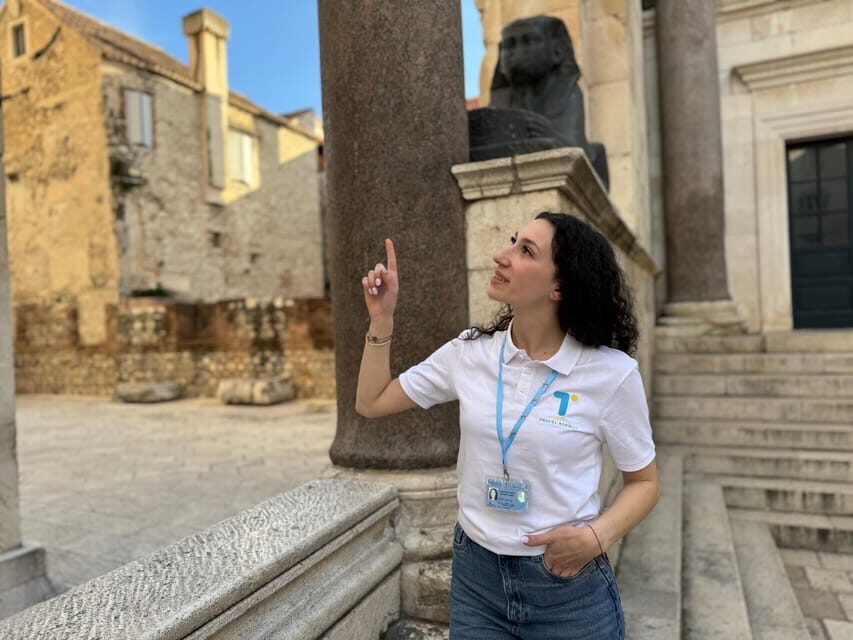
That moment you step into Diocletian’s Palace, Split clicks. This tour is a fast, friendly way to connect the old stones of the palace with how people live in Split today. I like the small-group pace, and I really enjoy the way Lucija brings the stories to life with a local’s touch.
Second, I like that you get both big landmarks and the in-between streets, so you leave with a clear sense of where everything sits. You’ll also hear the city’s legends alongside the official history, which helps the place feel personal instead of like a textbook.
One drawback to plan around: the walking route isn’t suitable for wheelchair users, and there are no included entrance tickets if you want to go inside any cultural or religious sites on your own.
In This Review
- Key things I’d prioritize on this tour
- Why Diocletian’s Palace Is Your Best First Stop in Split
- Getting Oriented: Meeting Points at Riva or the City-Core Model
- Inside the Palace Walls: What the 90-Minute Walk Really Teaches
- Vestibul and Peristil: Seeing the Palace Layout as a Story
- Golden Gate and People’s Square: From Emperor-Scale to Everyday City Life
- Fruit Square: Your Last Stop That Helps You Plan the Rest
- Price and Logistics: Why $23 Works for a 90-Minute Overview
- Group Size, Language, and Comfort: The Practical Stuff That Makes It Enjoyable
- Who This Tour Fits (and Who Might Skip It)
- Should You Book This Diocletian’s Palace & Old Town Split Walking Tour?
- FAQ
- How long is the Diocletian’s Palace & Old Town Split Walking Tour?
- What does the tour cost?
- Is the tour guided in English?
- Are entrance tickets included?
- Where does the tour start?
- What if the weather is bad?
- Is this tour wheelchair accessible?
Key things I’d prioritize on this tour
- Lucija’s local storytelling adds modern context, not just ancient dates
- Small-group format keeps questions alive as you walk
- Diocletian’s Palace focus gives you the easiest route to understanding Split’s layout
- Old Town landmarks in sequence help you get your bearings fast
- English live guide makes the experience smooth for first-timers
- A practical start: you finish with a map in your head, ready for the rest of your trip
Why Diocletian’s Palace Is Your Best First Stop in Split
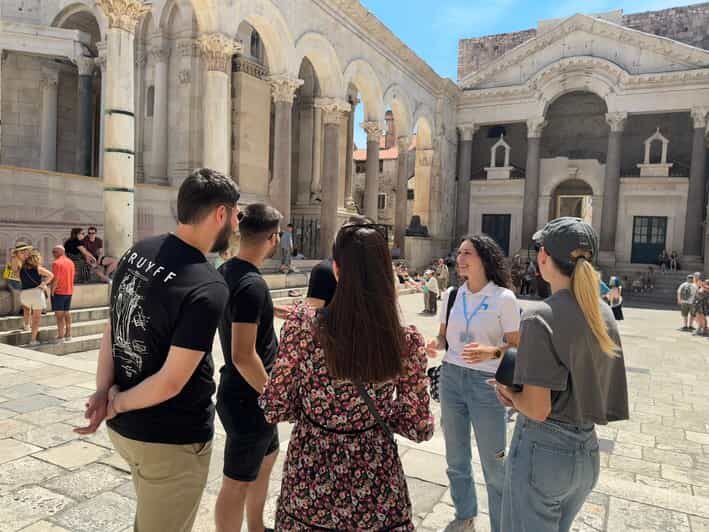
Split can feel confusing at first. You see stone walls, arches, and medieval streets layered on top of Roman foundations, and it’s hard to tell what came first. This tour is designed to solve that problem early.
Diocletian’s Palace is the anchor point for Split. You’re not just looking at one attraction—you’re getting a guided explanation of how this UNESCO World Heritage Site changed from Emperor Diocletian’s time to present-day city life. Even if you only remember a few big ideas, you’ll understand why the streets, squares, and entrances are where they are.
I also like that the tour doesn’t treat legends as trivia. When your guide connects stories to real locations, you start to recognize patterns as you wander later.
You can also read our reviews of more walking tours in Split

Getting Oriented: Meeting Points at Riva or the City-Core Model
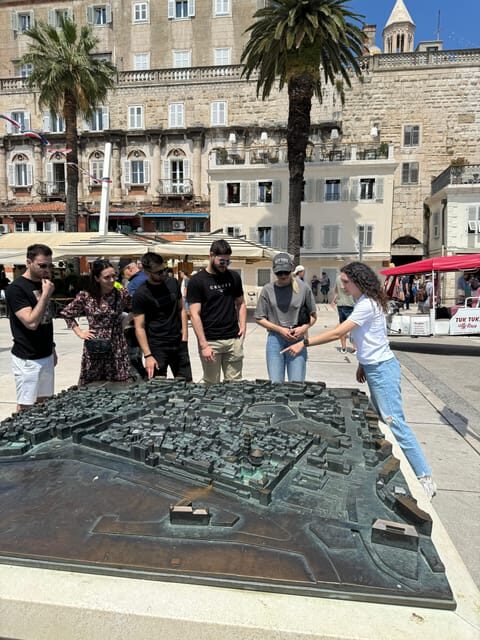
You have two start options, which is a smarter choice than it sounds. If you’re already spending time along the waterfront, meeting at Riva can feel natural. If you prefer structure and context before you walk, starting at the model of Split’s historical core (Obala Hrvatskog narodnog preporoda 22) can help you understand what you’re about to see.
Either way, the tour is timed to move through major sights without turning into a marathon. Ninety minutes is long enough to build a clear overview and short enough that you’re not drained before the rest of the day.
This also affects your mental setup. If you start with the model, you’ll likely feel more confident reading the Old Town after. If you start at Riva, you’ll feel like you’re stepping into the city as it lives now.
Inside the Palace Walls: What the 90-Minute Walk Really Teaches
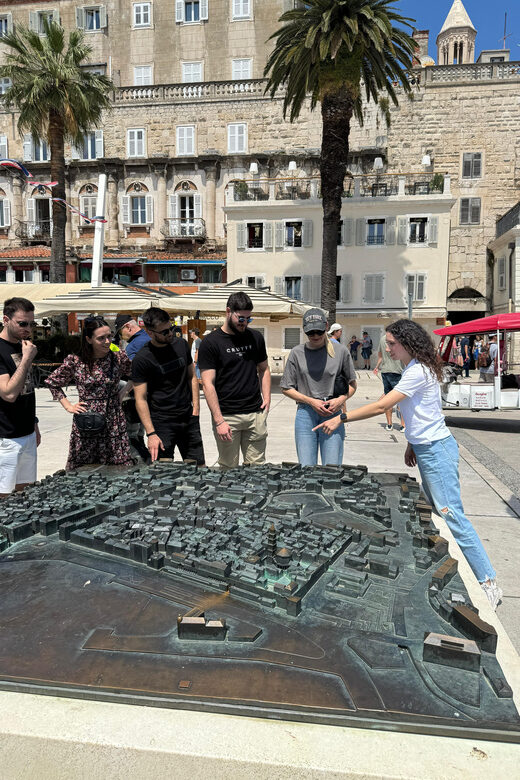
The heart of the experience is the guided tour of Diocletian’s Palace. Your guide focuses on the palace walls and architecture, and that matters because it’s the part of Split that everyone photographs—but few people understand at first glance.
Here’s the practical value: you learn how the palace shape influences everything around it. When you later walk through the Old Town on your own, you’ll recognize the logic of entrances, passages, and open areas. It turns random cobblestones into a readable city.
You also hear about transformation across time. The palace isn’t frozen in the past; it’s a living site that shifted roles as centuries moved on. That theme repeats throughout the tour as you move from the palace into public squares.
And because it’s a small group, you’re more likely to ask follow-ups without feeling rushed. This is where the tour becomes more than a checklist.
Vestibul and Peristil: Seeing the Palace Layout as a Story

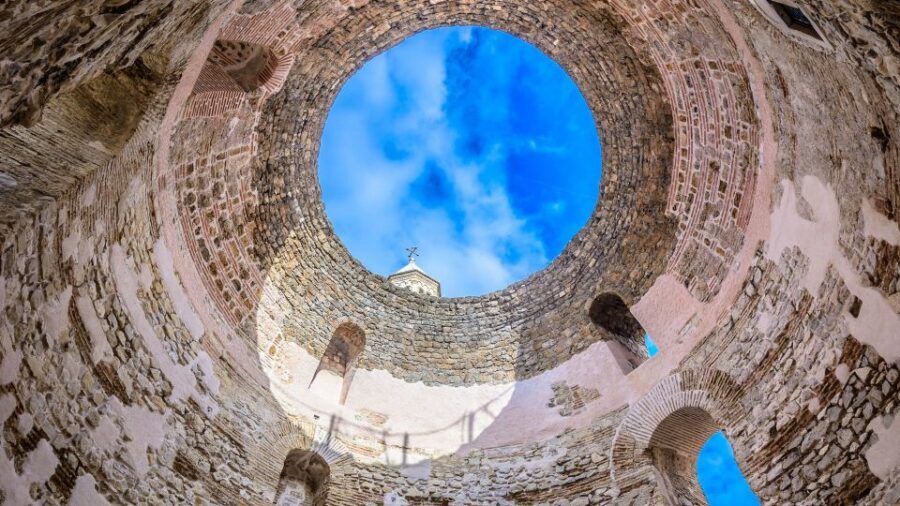
After the main palace area, you’ll visit key interior-feeling spaces such as the Vestibul and the Peristil. The names sound like landmarks, but the real benefit is what your guide does with them: explaining what you’re looking at and how the different zones fit together.
In plain terms, this is where you start to understand the palace as more than walls. You begin to grasp that it was designed with movement and daily rhythms in mind, and that those patterns echo in how the area functions now.
The tour pacing also helps here. You’re not sprinting from one photo spot to another. You’re walking step-by-step through the areas that make the palace feel like a place, not just a monument. That makes it easier to remember what you saw.
Golden Gate and People’s Square: From Emperor-Scale to Everyday City Life
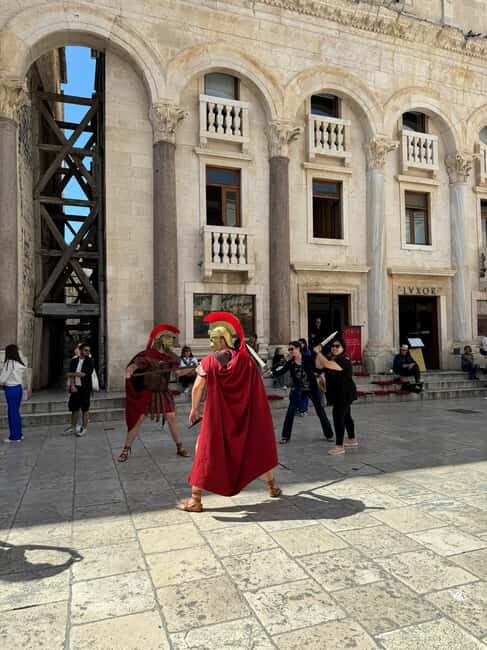
The route continues to Golden Gate and then to People’s Square. These stops are where the shift from ancient grandeur to civic life becomes easier to feel.
Golden Gate is one of those locations that tends to anchor people’s first mental map. When your guide explains it in context, you stop seeing it as just a dramatic entrance and start seeing it as a pivot point between the palace complex and the Old Town world beyond.
Then People’s Square brings you closer to how the city works in the present. Your guide ties the palace story to the city around it, including the legends and the more modern details you wouldn’t pick up from guidebooks. In the best cases, you’ll leave understanding not only what’s old, but how the old is still used.
If you’ve ever felt like historical sites are too separated from real life, this sequence is the fix. You’re constantly reminded that Split’s past and present overlap.





Fruit Square: Your Last Stop That Helps You Plan the Rest
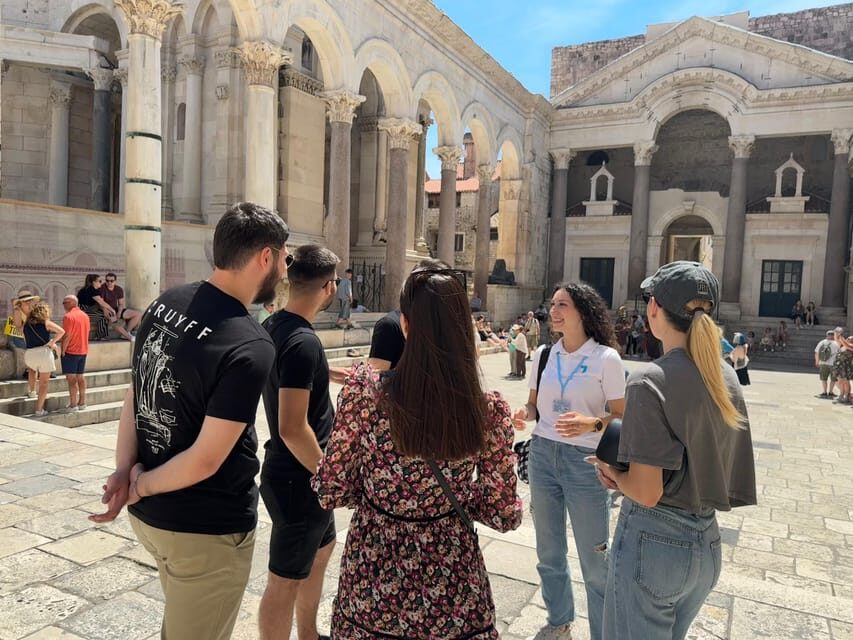
You finish with Fruit Square, another place where the tour’s theme lands. Even if you don’t spend long staring at a single spot, having a guide connect palace history to everyday public space helps you navigate after the tour.
Think of Fruit Square as your transition point. By the time you reach it, you should feel like you can start wandering without constantly checking which direction you’re going. And because the route ends at one of the two possible drop-off points, you’re set up to head back to your hotel or continue exploring immediately.
This last stop also matters for first-timers. Split is best when you wander. This tour doesn’t replace wandering—it primes it.
Price and Logistics: Why $23 Works for a 90-Minute Overview
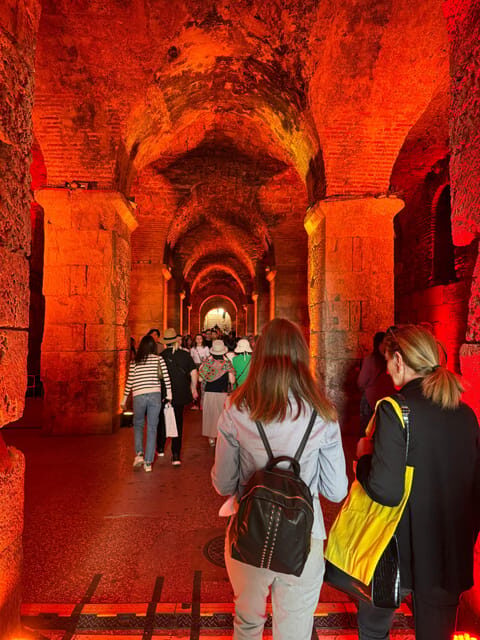
At $23 per person, this is a value-priced way to get a licensed English guide for a full ninety minutes. You’re paying for interpretation, not just movement. That matters in Split because the palace is old, layered, and easy to misunderstand without context.
What you should know: entrance tickets to cultural and religious sites are not included. The guide gives information so you can check things later at your own pace. For me, that’s a good trade-off for a walking overview. You don’t lose time to ticket lines you may not even want, and you can decide later what you feel like visiting.
Also, weather can affect operations. If conditions are poor, you’ll either be able to reschedule or receive a full refund. That’s useful because Split weather can change quickly, and you’ll want the tour to feel good underfoot.
Group Size, Language, and Comfort: The Practical Stuff That Makes It Enjoyable
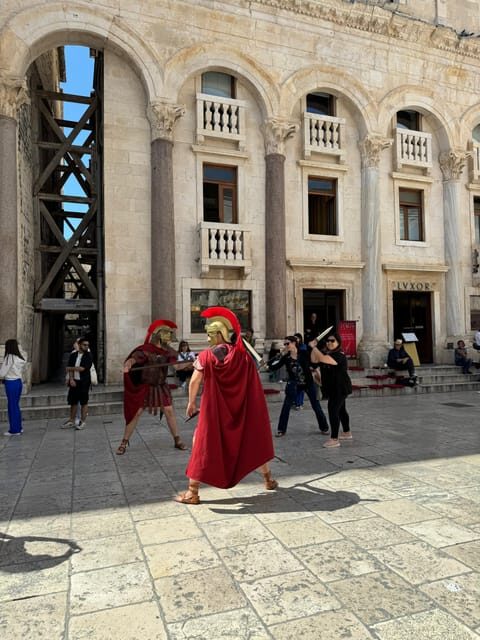
The live guide leads the tour in English, so you won’t be translating in your head the whole time. The experience is also described as small group, which usually means better pacing and more chances to ask questions without shouting across a crowd.
Duration is set at ninety minutes, which is a sweet spot for Split. You get enough time to understand the palace core and key Old Town landmarks, then still have energy left to explore afterward.
For what to bring, stick to the basics: comfortable shoes. The route includes cobbled streets, and that detail matters more than it sounds. If your shoes are comfortable, the whole tour feels easier, and you can focus on stories instead of feet.
One more note: children must be accompanied by an adult throughout the duration. If you’re traveling as a family, plan for the group’s walking pace and attention span.
Who This Tour Fits (and Who Might Skip It)
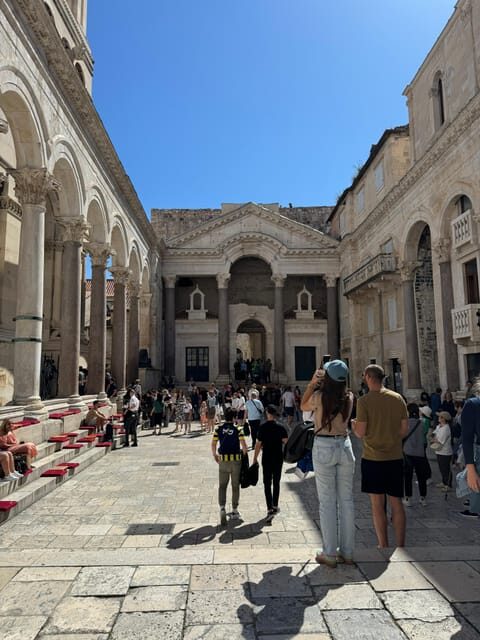
This tour is a strong fit if you’re in Split for the first time and want an organized starting point. It’s also ideal if you like your history with real-world connections—how legends and ancient structures relate to what you see as you walk today.
It’s also a good option if you’re traveling solo but don’t want an isolated experience. Small-group tours like this often work well because you get conversation without losing the flow.
You might consider a different plan if you need wheelchair access. This one isn’t suitable for wheelchair users, so it could be frustrating instead of enjoyable.
Should You Book This Diocletian’s Palace & Old Town Split Walking Tour?
I’d book it if you want the easiest path to understanding Split fast. The best reason is simple: the tour doesn’t just point at sights. It explains how Diocletian’s Palace shaped the city, then carries that idea into the Old Town squares you’ll actually walk through later.
The stand-out factor is the guide experience—Lucija’s local perspective and story flow. The feedback around her is consistent: she shares plenty of context and also answers questions in a way that feels personal, not scripted.
If you want maximum flexibility after the tour, the fact that entrance tickets aren’t included can also be a plus. You’ll know what to prioritize next without getting stuck inside places you’re not sure you even want to visit.
If you can handle 90 minutes of walking and you’re comfortable with cobblestones, this is a smart start.
FAQ
How long is the Diocletian’s Palace & Old Town Split Walking Tour?
The tour lasts 90 minutes.
What does the tour cost?
The price is $23 per person.
Is the tour guided in English?
Yes. The tour operates in English and includes a live licensed tour guide.
Are entrance tickets included?
No. Entrance tickets to cultural and religious sites are not included, but the guide will give information so you can check them out later at your own pace.
Where does the tour start?
The meeting point can vary depending on the option booked, with two starting options listed: Riva, Split, and the model of the historical core of the city of Split at Obala Hrvatskog narodnog preporoda 22.
What if the weather is bad?
The tour is subject to weather conditions. If it’s canceled due to poor weather, you can reschedule or receive a full refund.
Is this tour wheelchair accessible?
No. It is not suitable for wheelchair users.