REVIEW · ZAGREB
Explore Zagreb_walk and coffee
Book on Viator →Operated by Petra & Zagreb · Bookable on Viator
Zagreb tells its story one square at a time. This 1 to 1.5 hour walk turns key spots into clear, human-scale moments, with coffee worked into the rhythm and a guide who keeps the history straight and useful. I especially liked the story-first start at Ban Josip Jelačić Square and how the route naturally links markets, churches, and viewpoints without feeling like a checklist.
The only real drawback to plan for: a few major stops have admission not included (St. Mark’s Church, Lotrščak Tower, and the funicular). Also, the experience expects good weather, and there’s a mention that parts of the funicular are under renovation, so what you see may differ a bit from your photo dreams.
In This Review
- Key things to look forward to on this Zagreb walk
- The route makes Zagreb feel walkable fast
- Ban Josip Jelačić Square: where the stories begin
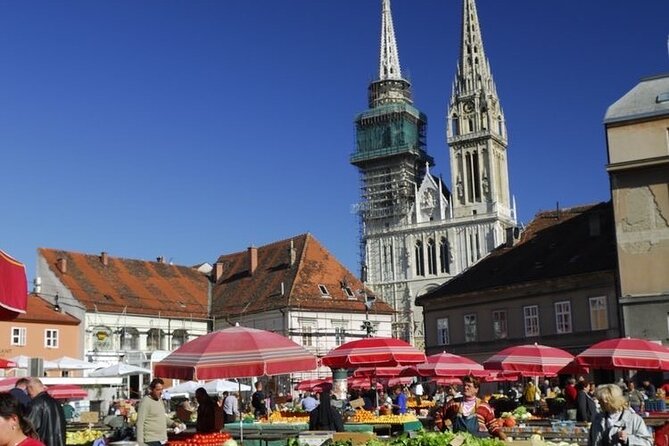
- Cathedral of Zagreb: big Gothic scale, explained clearly
- Dolac Market: where Zagreb shops like it’s daily life
- Gornji Grad and the Stone Gate: the city’s postcard detail
- St. Mark’s Church portal: art overload in the best way
- Lotrščak Tower and the funicular line: views with a bit of history
- Coffee on a city-walk: why it’s more than a break
- Price and what’s actually good value here
- What you should bring and how to pace yourself
- Who this tour fits best
- Should you book Zagreb_walk and coffee?
- FAQ
- FAQ
- How long is the Zagreb_walk and coffee tour?
- Is the tour offered in English?
- How much does the tour cost?
- Where does the tour start and end?
- Is this a private tour?
- Which stops include admission tickets?
- Are service animals allowed?
- What happens if the weather is bad?
- Is free cancellation available?
Key things to look forward to on this Zagreb walk
- Petra runs the show: friendly, organized, and full of context about Croatian life and history.
- A smart route: Ban Jelačić Square to Dolac Market up to Gornji Grad, then toward Lotrščak and the funicular line.
- Tickets are partly handled: some sights include admission, while others you may pay separately.
- Dolac Market is a real stop: indoor/outdoor stalls for fruits, veggies, flowers, and meats.
- Iconic Zagreb details: Stone Gate, St. Mark’s portal, and Lotrščak’s 13th-century role.
- Coffee is baked in: it breaks the walking so the tour doesn’t feel like pure sightseeing.
The route makes Zagreb feel walkable fast
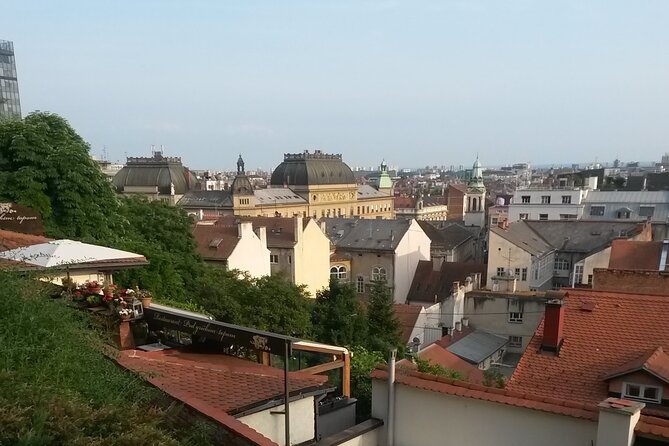
This is a private tour, so you’re not squeezed into a giant group. The meeting point is at Park međunarodnoga priznanja Republike Hrvatske, Ul. Augusta Cesarca 4, and the walk finishes at the Flower market, Trg Petra Preradovića 3. In practice, that matters because you start on one end of the historic core and end near another lively hub, so you don’t feel trapped going back the way you came.
The whole thing lasts about 1 hour to 1 hour 30 minutes, which is a good length for Zagreb. You’ll move at a steady walking pace, with short stops (often around 10 minutes) that give you enough time to look, understand, and keep moving. You’ll get it in English, and you’ll use a mobile ticket.
And yes, the name says coffee. You should expect a break that fits into the flow rather than a random detour. If you like tours that help you see the city and still enjoy it, this format is a good match.
You can also read our reviews of more tours and experiences in Zagreb.
Ban Josip Jelačić Square: where the stories begin
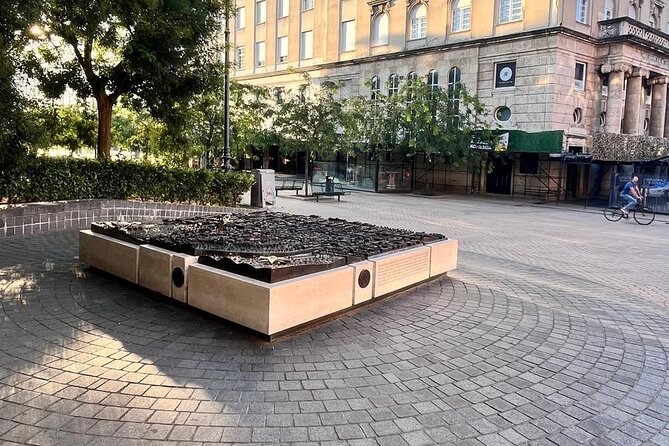
You start at the park near Ul. Augusta Cesarca, then head into the center via the area between Harmica and Manduševac, landing at Ban Josip Jelačić Square. This is where the guide sets the tone, and that’s one of the best parts of the experience. The square isn’t just a pretty starting point. It’s also a springboard for understanding Zagreb’s identity and why certain names and landmarks matter.
You’ll spend about 10 minutes here, which is short enough to keep momentum but long enough to catch the key ideas. I like starting with a place that locals actually move through, because it makes everything else feel connected. When you can link a legend or historical detail to a real, specific space, you remember it later.
Practical tip: This is a good moment to decide how you like to look at buildings—up at façades, across the open square, or through doorways and side streets. The tour starts with the kind of orientation that makes your later photos better.
Cathedral of Zagreb: big Gothic scale, explained clearly
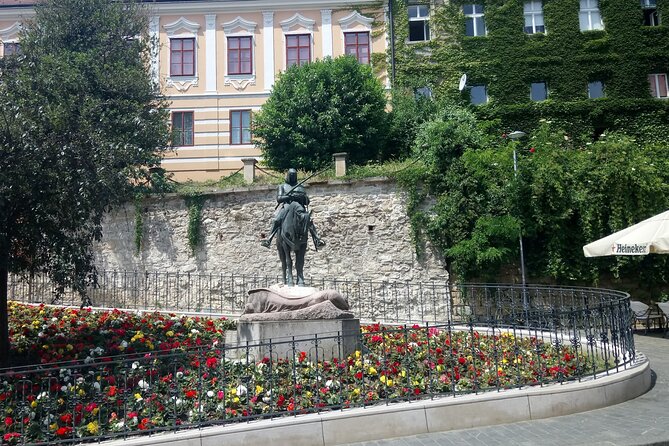
Next up is the Cathedral of Zagreb, also known as the Zagreb Cathedral. If you’ve only heard Zagreb described as a pleasant capital with charming streets, this stop flips the scale. The cathedral is described as the second tallest building in Croatia, and also the most monumental Gothic sacral building of its style in southeast of the Alps.
The time here is about 10 minutes. That’s enough to take in the Gothic weight of it without turning the tour into a slow museum visit. Since you don’t need to pay for admission for this stop, it’s a practical use of your limited tour time: you get the impact without extra logistics.
One thing I’d keep in mind: Gothic cathedrals look their best when you give them a few angles. Even in a short visit, you can usually find one spot to view the façade straight-on and another to catch architectural lines. Use your minutes smartly—don’t just rush to the closest view.
Dolac Market: where Zagreb shops like it’s daily life
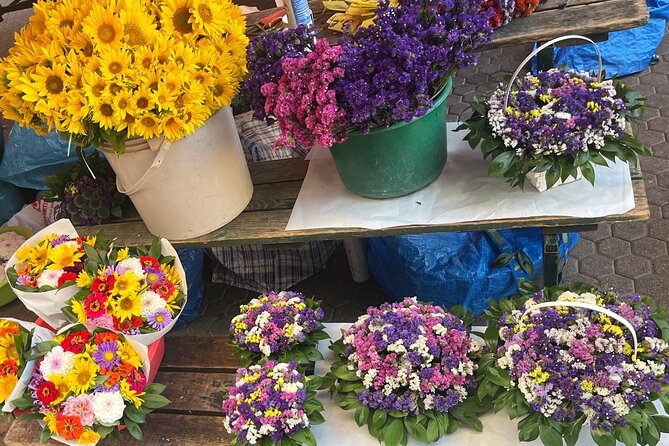
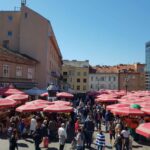
After the cathedral, you head to Dolac Market, where you’ll spend about 5 minutes. Even with a short stop, Dolac is the right kind of place to include on a walk tour. It’s a large market with many stands, and it runs in an indoor/outdoor setup—so you can see how people shop depending on weather and the day’s rhythm.
The market stalls cover flowers, fruits, vegetables, and meats. That mix matters, because it’s not a staged tourist market. It feels like a working hub where the city buys what it eats and gives itself.
Here’s why I think this stop is valuable: markets are an easy way to understand a city without a lecture. The details—colors, packaging, and what’s being sold—tell you what’s valued locally. Even a quick visit can sharpen your sense of where to eat next and what to look for if you’re shopping on your own later.
Small consideration: five minutes is brief. If you’re the type who wants to linger, treat this as a quick orientation, then plan a longer return outside the tour window if time allows.
Gornji Grad and the Stone Gate: the city’s postcard detail
Now you shift into Upper Town (Gornji Grad), where you’ll spend about 20 minutes. This is a longer stop, and it’s the heart of why the route feels like a story. You’re moving from everyday city life (square and market) into the layers of Zagreb’s historic core.
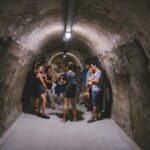
A highlight here is the Stone Gate, which is described as an important element in the historical romance novel Zlatarevo zlato and also the trademark of Zagreb connected to its patron saint, Our Lady Mary. That combination—literature and devotion—makes the landmark more than a photo background. It’s a cultural anchor that ties art and identity together.
Admission for this portion is included, so you don’t have to decide on the spot whether it’s worth paying. Use the time well: this is where you can take a slower walk through the lanes, look for architectural details, and notice how the city’s layout supports views.

St. Mark’s Church portal: art overload in the best way
From Gornji Grad, the tour heads to St. Mark’s Church. You’ll spend about 10 minutes here, but with an important caveat: admission is not included.
What you can get during your time—without paying for extra entry—is still impressive. The church is described as an artistic composition, known for the number of statues and for having the richest and most valuable Gothic portal in southern Central Europe. In other words, it’s a stop built for visual attention. Even if you don’t go inside (or if you choose not to pay), the façade details can be the main event.
If you do want to go in, plan to handle the ticket separately since it isn’t covered. If you’d rather keep your budget tight, you can still enjoy the portal and exterior details during the included viewing time.
My advice: treat this like a “look, then compare” stop. Look for the dominant shapes first, then move your eyes across the statue areas. It’s easier than trying to study everything at once.
Lotrščak Tower and the funicular line: views with a bit of history
Next comes Lotrščak Tower, where you’ll spend about 15 minutes. Like St. Mark’s, admission isn’t included, but it’s still an important stop because the tower itself has a clear historic role. It dates to the 13th century and was built to guard the southern gate of the Gradec town wall.
This is a good transition from “cathedral and church art” to “city defenses and movement.” Towers give you perspective—literally and historically. They help you understand how this city controlled entry points and protected itself, which changes how you see the surrounding streets.
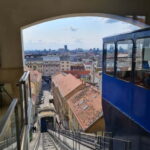
After that, you’ll walk along the funicular railway, about 10 minutes. The info notes it’s being renovated, which means your best plan is to expect the line and viewpoints rather than a perfect, photo-ready ride experience. Admission is not included here either.
What I like about ending with this direction is that it sets you up for onward exploring. If you still have energy, you’ll be in the right area to keep moving on foot.
Coffee on a city-walk: why it’s more than a break
The tour name includes coffee, and that matters because it signals a pacing choice. Instead of pushing from stop to stop with no reset, the tour builds in a chance to slow down. That makes the history and architecture feel less like information and more like something you experience.
Even if you’re not a “coffee person,” I’d see this as a mental reset. Zagreb has enough charm that you’ll appreciate a pause to sit for a moment, look around, and decide what you want to revisit later. You’ll also likely notice details you missed during earlier stops—like doorways, small street angles, and how people move through the market area.
If you’re picky about coffee, you can still use this as a social break, then hunt for your favorite brew later based on what you liked during the walk.
Price and what’s actually good value here
At $35.50 per person, this tour sits in a very reasonable range for a guided walk that covers multiple headline stops. The real value isn’t just that you get a guide. It’s that you also get some admissions covered across the route, so the total cost doesn’t spike when you reach each sight.
Here’s how the admission coverage shakes out across the tour stops:
- Ban Josip Jelačić Square: admission ticket included
- Cathedral of Zagreb: admission free
- Dolac Market: admission ticket included
- Upper Town Gornji Grad: admission ticket included
- St. Mark’s Church: admission not included
- Lotrščak Tower: admission not included
- Funicular railway: admission not included
For me, that mix is fair. You get guided access and included entry for several major segments, but you also keep flexibility at the points where tickets aren’t included. If you’re trying to control spending, you can simply focus on what you can see during the included stop time. If you want the full experience at St. Mark’s, Lotrščak, or the funicular, you can add those separately.
One more value point: the walk is private, so your guide can slow down, answer questions, and adapt at the group level. That can be worth a lot more than people expect when the route includes a lot of visual detail.
What you should bring and how to pace yourself
Because this is a concentrated route through squares, churches, and viewpoints, the biggest “bring” is comfort. You’ll walk enough that good shoes matter, and the short stops reward you for being ready to look up and around quickly.
Also, keep your expectations aligned with timing. Many stops are 5 to 10 minutes, which means you’re looking for “best angles” rather than “read every plaque.” Use your time like a photographer: find one solid view, then switch angles once. After that, let the guide’s context sink in.
Weather matters. The experience requires good weather, so if rain is likely, you’ll want to check the day-of conditions and dress for quick changes.
Who this tour fits best
This is ideal if you:
- want a guided overview of Zagreb’s key historic zone without spending half a day
- like architecture, markets, and city landmarks tied to clear explanations
- prefer a route that ends near another interesting area (the flower market)
- travel in a small group and want it to feel personal rather than crowded
It’s also a good choice for first-timers, because the route covers a range: civic square, cathedral, market, upper town, and viewpoints.
If you’re the type who wants long museum-style visits at each stop, you might feel the schedule is tight. But if you like efficient and well-paced sightseeing, this format is strong.
Should you book Zagreb_walk and coffee?
If you want a compact, high-impact way to understand central Zagreb, I’d book it. The guide, Petra, is a standout in the way she shares information—friendly, clear, and focused on helping you connect what you see to what it means. The route also covers enough major landmarks that you’ll feel like you gained direction for the rest of your stay, not just a photo session.
I’d only hesitate if you’re counting on every single major sight being fully covered by the ticket price. Since St. Mark’s Church, Lotrščak Tower, and the funicular have admission not included, budget those extras if they matter to you.
FAQ
FAQ
How long is the Zagreb_walk and coffee tour?
It runs for about 1 hour to 1 hour 30 minutes.
Is the tour offered in English?
Yes, it’s offered in English.
How much does the tour cost?
The price is $35.50 per person.
Where does the tour start and end?
It starts at Park međunarodnoga priznanja Republike Hrvatske, Ul. Augusta Cesarca 4, and ends at the Flower market, Trg Petra Preradovića 3.
Is this a private tour?
Yes. It’s private, and only your group will participate.
Which stops include admission tickets?
Admission tickets are included at Ban Josip Jelačić Square, Dolac Market, and Upper Town Gornji Grad. The Cathedral of Zagreb is free. St. Mark’s Church, Lotrščak Tower, and the funicular are not included.
Are service animals allowed?
Yes, service animals are allowed.
What happens if the weather is bad?
The experience requires good weather. If it’s canceled due to poor weather, you’ll be offered a different date or a full refund.
Is free cancellation available?
Yes. You can cancel up to 24 hours in advance for a full refund. If you cancel less than 24 hours before the start time, the amount you paid won’t be refunded.