REVIEW · ZAGREB
Historical & Cultural Walking Tour in Zagreb
Book on Viator →Operated by Free Tour Expert · Bookable on Viator
Zagreb’s center tells its story fast. On this historical and cultural walk, I love how the guide stitches together big, obvious landmarks with the smaller details that explain why the city looks like it does today—starting right at Ban Josip Jelačić Square and the Mandusevac Fountain. You’ll also get a strong dose of church architecture, including the Cathedral of Zagreb, and the kind of religious buildings that make you slow down even if you normally don’t.
My favorite part is the way the tour turns streets into evidence. You’ll see how old water routes shaped medieval neighborhoods, then keep walking past markets and bridges that still carry those older boundaries in their layout. One possible drawback: it’s a 2 hours 30 minutes walk through the core of town, so if you hate walking outside for long stretches, plan your pace and bring comfortable shoes.
In This Review
- Key highlights you can look forward to
- Starting at Ban Josip Jelačić Square
- Mandusevac Fountain and the water that shaped Zagreb
- Cathedral of Zagreb: tallest building, rebuilt again and again
- Dolac market: why Zagreb still shops outdoors
- Tkalčićeva Street: the creek turned into a corridor
- Krvavi Most: the bridge between rival medieval towns
- Stone Gate and the rest of the route (with surprises)
- Price and timing: what $28 buys you in Zagreb
- What to do with your free time after the tour
- Tips to make the most of the walking pace
- Who this tour is best for in Zagreb
- Should you book this Zagreb walking tour?
- FAQ
- How long is the Zagreb Historical & Cultural Walking Tour?
- What does the tour cost?
- How many people are in the group?
- Where does the tour start, and what time does it begin?
- What kind of ticket do I get?
- Is there free cancellation?
- Is admission included for the stops?
Key highlights you can look forward to
- Mandusevac Fountain and the city-name water story right near the start
- Cathedral of Zagreb, Croatia’s tallest building, rebuilt after earthquakes and wars
- Dolac Market, open-air shopping where locals and farmers have sold produce since 1930
- Tkalčićeva Street traced along the line of a former creek
- Krvavi Most and its bridge-between-rival-towns energy
- Stone Gate plus a few extra surprise stops along the route
Starting at Ban Josip Jelačić Square
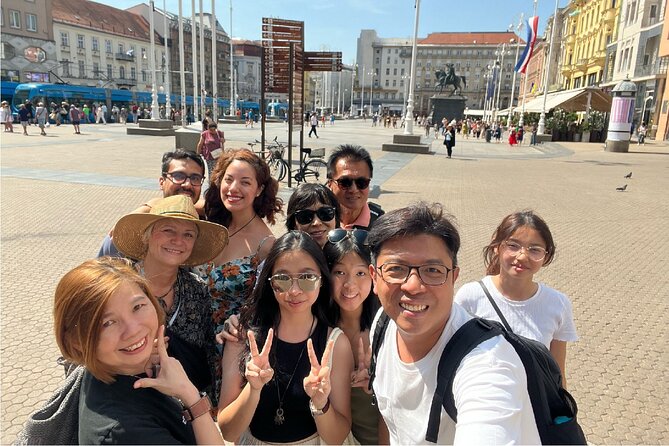
Your tour begins in the city’s main square, a place built for meeting up, gathering, and watching major events. Standing here at the start gives you a useful anchor: you get your bearings fast, then the guide can zoom from modern Zagreb back into medieval times and the early days of city life.
I like that you’re not just walking between postcard spots. The square sets up how Zagreb behaves day to day—public, social, and designed for people to move through it. Even if you only spend about twenty minutes here, it helps you understand why later stops feel connected rather than random.
You can also read our reviews of more tours and experiences in Zagreb.


Mandusevac Fountain and the water that shaped Zagreb
Next comes Mandusevac Fountain, one of the most story-rich spots in central Zagreb. The key detail is that it marks the historical source of water for the city—and it’s tied to the origin of the name Zagreb. That’s the kind of link I love on a walking tour: a simple object that becomes a clue to a much bigger narrative.
What makes this stop valuable is how it changes your eye. After the guide explains how the water source mattered, you’ll start noticing how geography and basic needs shape what a city builds and where it grows. You’re looking at a landmark, but you’re also learning why a city’s layout often begins with survival basics, not grand ideas.
Cathedral of Zagreb: tallest building, rebuilt again and again
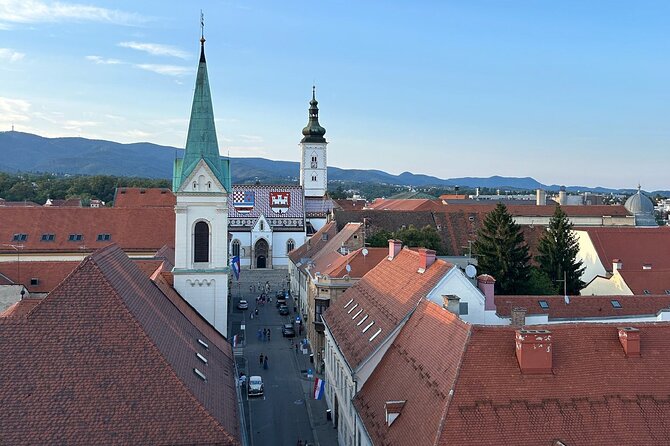
Then you move to the Cathedral of Zagreb, which stands out because it’s the tallest building in Croatia. This is not a one-and-done story, either. It’s been rebuilt several times after earthquakes and wars, and that reality adds weight to what you see.
You’ll get about twenty minutes here, and that time is perfect for two things: absorbing the sheer scale and hearing the rebuilding story in context. If you’re the type who likes architecture, this stop rewards you. If you’re not, it still gives you a reminder that cities don’t stay frozen—Zagreb has adapted, repaired, and re-made itself.
Dolac market: why Zagreb still shops outdoors
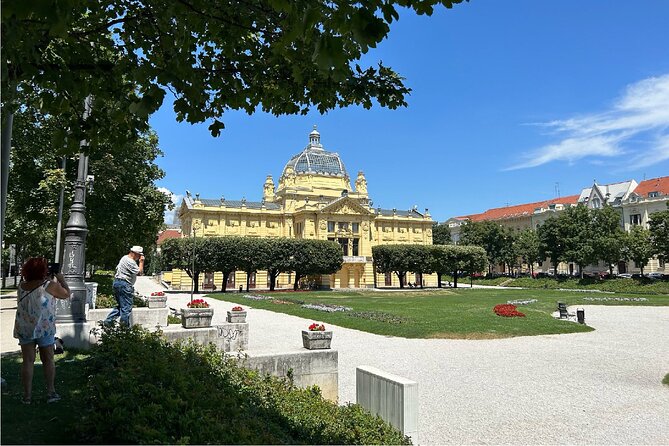
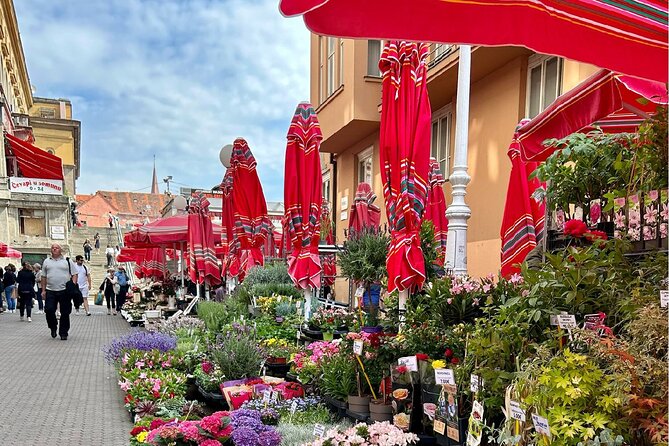
Dolac is where the tour shifts from monuments to daily life. You’ll spend time at this open-air market, where local farmers have sold fresh produce daily since 1930. That date matters. It tells you this is not a tourist-made scene; it’s part of the rhythm of town.
Even if you don’t plan to buy anything, the market is a great learning stop. You can watch how people flow through stalls, how vendors present products, and how the market’s location keeps it close to the rest of the city center. It’s also the kind of place where the guide’s food instincts can be useful—one review highlights that the guide suggested places for traditional desserts and dinner, and that advice can make the rest of your day feel more local.
One small consideration: markets can be busy depending on the day and time. If you prefer quiet photos and slow browsing, arrive with patience and use the stop time to scan first, then decide.
Tkalčićeva Street: the creek turned into a corridor
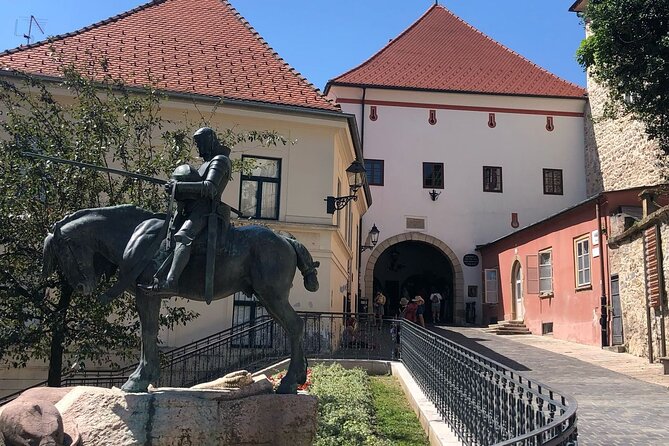
After Dolac, you’ll walk along Tkalčićeva Street, a historic street built over a former creek. The tour explains that this creek once split two medieval settlements, and now the street reads like a continuation rather than a barrier.
This is where the tour earns its “historical” label. You’re not only hearing about the past—you’re seeing how the past got redesigned into something practical for modern life. A creek that once divided communities becomes a pedestrian-friendly path that connects them, and that transformation says a lot about Zagreb’s evolution.
At about twenty minutes on this stretch, you’re in “good pace” territory: long enough to understand the layout and short enough not to feel like you’re trudging. I like routes like this because the guide can point out patterns you’d miss if you wandered alone.




Krvavi Most: the bridge between rival medieval towns
Next is Krvavi Most, the Bloody Bridge. This bridge historically connected two rival medieval towns known for frequent street fights. The name alone makes you want to slow down, but the value is what the story does to the landscape: it turns an ordinary crossing into a reminder that this area used to be tense, territorial, and loud.
You’ll spend around twenty minutes here, and that’s enough time to appreciate the bridge as a hinge in the city’s geography. Bridges always matter because they show how people wanted to move between sides. In this case, you also get a human element: competition and conflict were part of daily life, not just legend.
If you’re the type who collects city stories like souvenirs, this stop delivers. It’s memorable, and it connects neatly to the tour’s theme of old boundaries reshaped into today’s routes.
Stone Gate and the rest of the route (with surprises)
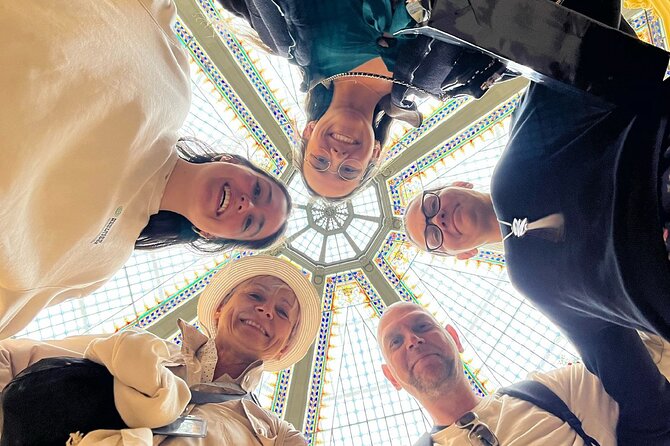
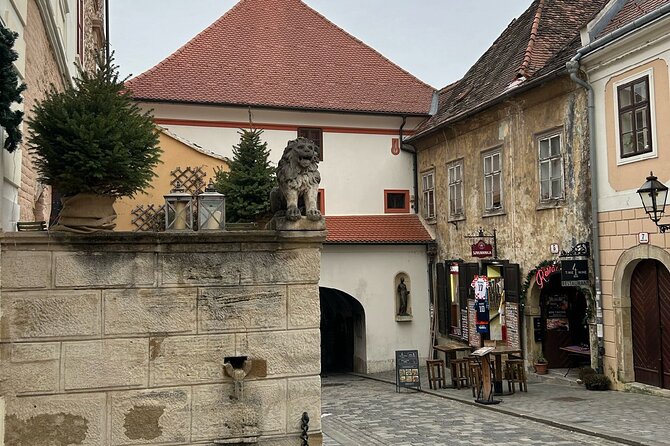
As you continue, the walk includes a few additional stops, kept as surprises so you stay curious. Then you reach Stone Gate, a medieval reminder that Zagreb once had a stronger sense of edges—literal entry points, walls, and controlled movement.
This final segment works well because it lets the tour end with a feeling of arrival. You’re no longer just learning new facts; you’re seeing how the earlier stops fit together. The city-name water story leads into the market and streets, and the medieval boundary theme leads naturally into gates and crossings.
By the time you wrap up, the downtown area feels more legible. You don’t just know what the sights are—you understand how they connect.
Price and timing: what $28 buys you in Zagreb
At $28 per person for an approximately 2 hours 30 minutes guided walk, this tour is priced for real value rather than “pay for views” pricing. The duration is long enough to cover multiple anchors in the city center, and the group size stays small (maximum 15 travelers), which usually means you can actually hear the guide and ask follow-up questions.
Another value factor: the listed stops have free admission. That means your money goes into the guided storytelling and route planning, not into tickets for one-off attractions. You also get a mobile ticket, so you don’t lose time hunting for paper.
Logistically, it ends back at the same meeting point, which matters on a short trip. You can plan your afternoon without needing a complicated second transport step.
What to do with your free time after the tour
This walk is designed to help you build a base layer of understanding. Once you finish, you’ll likely have an easier time picking where to eat and what to explore next because the guide’s route gives you context for neighborhood feel.
Here’s how I’d use it:
- If you want food, ask the guide for a simple next step (traditional desserts and dinner suggestions were a highlight for at least one group experience).
- If you want photos, revisit what you liked most while the area is still fresh in your mind—church details, squares, and the market street scenes often photograph best when you’re not rushing.
If you have extra time, use the remaining daylight to explore nearby streets that match the tour’s theme: water lines, older boundaries, and the way Zagreb links its public spaces.
Tips to make the most of the walking pace
For a tour like this, you’ll enjoy it more if you show up prepared for the basics. Zagreb’s center is best experienced on foot, but you still want to feel comfortable.
A few practical tips:
- Wear shoes you can walk in for a couple hours without discomfort.
- Bring water, especially if you’re doing this in warm months.
- Keep your phone charged. You’ll likely want to save names you’ll hear at the cathedral and market area.
- When the guide explains why a creek became a street, don’t just listen—watch the line of the street and how it connects your route.
And don’t be shy about asking questions. One of the best parts of a small group tour is that you can ask something specific—like what to notice at the next stop—without feeling like you’re interrupting a show.
Who this tour is best for in Zagreb
This is an excellent choice for first-timers who want a strong overview without bouncing between far-flung neighborhoods. If you care about how cities work—how water, markets, and conflicts shape streets—this route fits your interest.
It also suits couples and small groups well because the pacing supports conversation, not just silent sightseeing. The stop mix is balanced: you get major public space (the main square), a water landmark tied to the name, a major cathedral, and then everyday-life anchors like Dolac.
If you’re traveling with limited time, the payoff is real. In just a couple and a half hours, you cover a big slice of downtown and learn the logic behind it.
Should you book this Zagreb walking tour?
I’d book it if you want your Zagreb first day (or first downtown afternoon) to feel organized and meaningful. The combination of major squares, a water-source story at Mandusevac Fountain, the scale-and-rebuild story at Cathedral of Zagreb, and the street-to-creek connection on Tkalčićeva Street makes it more than a checklist.
I’d skip it or rethink it if you want a slow, mostly indoor experience or if you dislike walking outdoors for extended stretches. Otherwise, for $28 and a small group format, this is a solid way to understand central Zagreb quickly, then enjoy the rest of your time with better instincts.
FAQ
How long is the Zagreb Historical & Cultural Walking Tour?
It lasts about 2 hours 30 minutes.
What does the tour cost?
The price is $28.00 per person.
How many people are in the group?
The tour has a maximum of 15 travelers.
Where does the tour start, and what time does it begin?
It starts at RX7G+8W8, Zagreb, Croatia and starts at 10:00 am. The activity ends back at the meeting point.
What kind of ticket do I get?
You’ll receive a mobile ticket.
Is there free cancellation?
Yes. You can cancel for a full refund if you cancel at least 24 hours before the experience’s start time. Cancellation is free up to that cutoff.
Is admission included for the stops?
The listed stops are marked as ticket free, so you’re not paying admission fees at those points.