REVIEW · ZAGREB
Walking tour of Zagreb
Book on Viator →Operated by pathfinder TOURS · Bookable on Viator
Zagreb is easier on foot with a guide. This small-group walk strings together the city’s main sights in a smart loop, with stories that connect old politics, daily life, and modern Croatia. I especially like the licensed guiding (names like Marko, Robert, and Lucia came up in guides I saw mentioned) and the fact you get the funicular ticket when it’s operating, not just a photo stop. One key consideration: the funicular is closed for renovation until March 2026, and the WWII tunnels/funicular can also be affected on certain dates.
You’ll move at a pace that feels like sightseeing with purpose, not a marathon. The tour is built for orientation: by the end, you know where Upper Town is, where markets fit in, and how locals spend time along the streets below.
If you’re the type who likes to ask questions, you’ll probably feel more relaxed in a group capped at 25 people. Just dress for actual weather and be ready for some areas around major landmarks (like the cathedral) to have construction barriers if conditions require it.
In This Review
- Key Things You’ll Notice Right Away
- What You Get for $24.20 in Zagreb
- Starting at Zrinjevac: the Park Meet and the Fast Orientation
- Bogovićeva Street to Trg bana Josipa Jelačića: City Life on Display
- Cathedral Stop: Landmark Views and Real-World Construction
- Dolac Market: Your Senses Get a Zagreb Lesson
- Tunel Gric: WWII History You Can Actually Walk Through
- Funicular Railway: The Hill Climb Without the Sweat (If It’s Running)
- Lotrščak Tower and the Noon Cannon Story
- Gornji Grad (Upper Town): Views, Churches, and Zagreb’s “Big Picture”
- Petrini Pyli: A Medieval Gate Moment
- Tkalčićeva Street: The Downhill Unwind
- Small-Group Dynamics: Why the Guide Matters
- Weather, Walking Comfort, and What to Wear
- Should You Book This Zagreb Walking Tour?
- FAQ
- How long is the Zagreb walking tour?
- What is the price per person?
- What’s included besides the walking?
- Where does the tour start and end?
- What language is the tour offered in?
- Is the funicular always part of the experience?
- Do I need a print ticket?
- Can I get a refund if plans change?
Key Things You’ll Notice Right Away
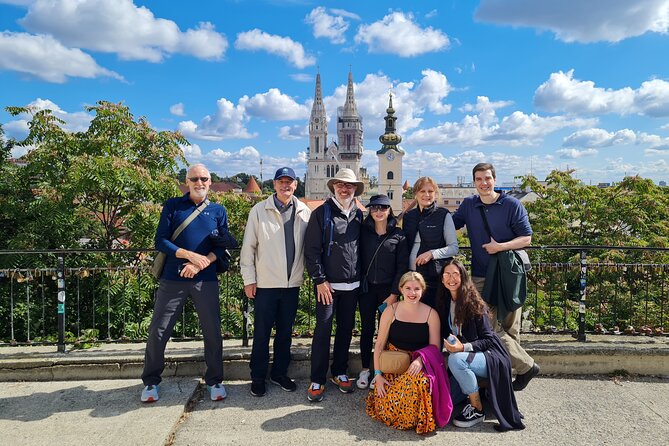
- A real “first-day” route that links Zrinjevac, Upper Town, and the pedestrian café/bar streets
- Tunel Gric: a WWII-era tunnel that’s both short and memorable, plus handy as a shortcut
- Dolac Market: you’re guided through what to notice, not just where it is
- Lotrščak Tower timing: the cannon routine at noon is part of the story you’ll hear
- Small group size (max 25) that makes questions actually fit into the walk
- Funicular included when operating, but the schedule can change, so plan with flexibility
What You Get for $24.20 in Zagreb
This is priced at $24.20 per person for a tour lasting about 2 to 3 hours. For that, you’re not only paying for someone to point at landmarks. You’re paying for context: how Zagreb fits together across hills and neighborhoods, and why certain squares and streets matter.
Two inclusion details make it feel like good value. First, it’s a walking tour with a licensed guide, so you’re getting explanations tied to what you’re seeing. Second, the Zagreb funicular ride is included if it’s operating. If you’ve walked uphill in other cities, you know why that matters. It’s also a classic ride that helps you understand the “upper town vs. lower town” divide in real time.
The main thing to watch is timing and operations. The funicular is closed for renovation until March 2026, and the WWII tunnel/funicular may not run on certain dates. So, treat this as a highlights-and-history walk first, and the funicular as a bonus when available.
You can also read our reviews of more tours and experiences in Zagreb.

Starting at Zrinjevac: the Park Meet and the Fast Orientation
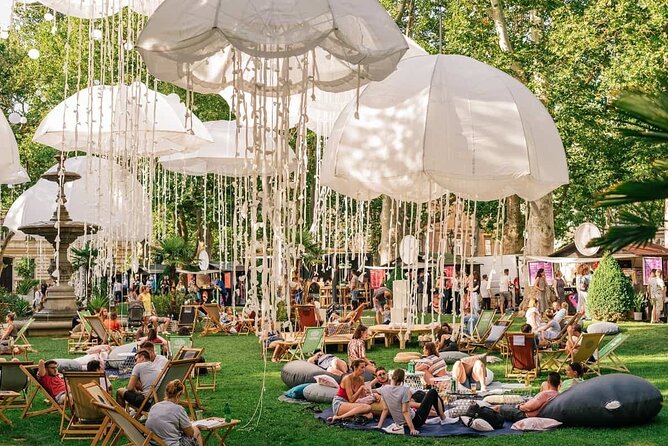
You begin at Zrinjevac Park (Zrinjevac 2, 10000 Zagreb). This matters because Zrinjevac isn’t just a park. It’s a gentle introduction to Zagreb’s rhythm before you start climbing and zig-zagging through the sights.
You’ll get stories right from the start, plus some easy photo opportunities. One practical tip that really helps: directions in Google Maps and Apple Maps can be off for the exact meet spot, so arrive a few minutes early and look for the clock in the park. That detail can save you from the small panic of wandering around with a phone held at arm’s length.
After this, the tour flows downhill and uphill in a way that makes sense. You don’t feel trapped by the hill—your route teaches you how the city is laid out.
Bogovićeva Street to Trg bana Josipa Jelačića: City Life on Display
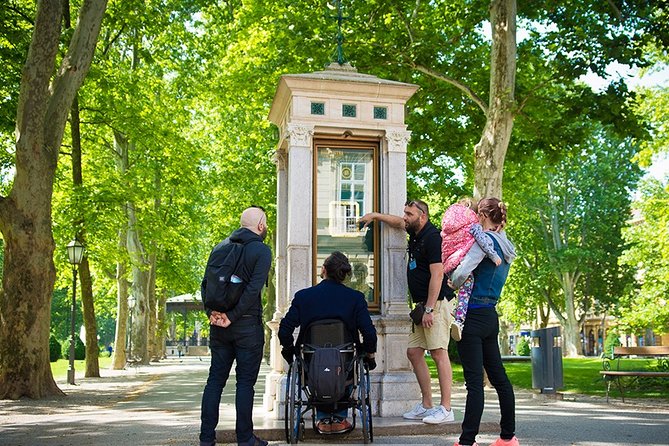
Next comes Bogovićeva ulica, known for bars and restaurants. This stop is short on purpose. It’s your “this is where people actually hang out” moment, not an overlong detour. If you like to understand a place beyond monuments, you’ll enjoy this little slice of day-to-day Zagreb.
Then you reach Ban Josip Jelačić Square, the big meeting point in the center. It’s one of those places where everything feels connected: it’s a natural anchor for orientation, and it helps you picture where you are even after the tour ends. If you’re arriving to Zagreb and want a mental map fast, starting here is smart.
Even if you’ve never been to Zagreb, the square will click as the center of gravity.
Cathedral Stop: Landmark Views and Real-World Construction
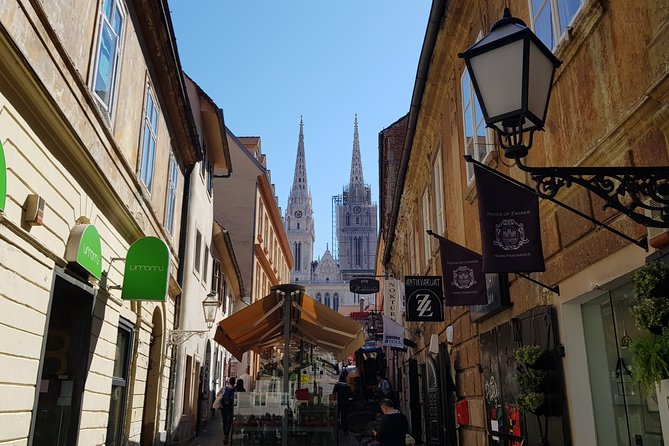
The walk continues to the Cathedral of Zagreb. This is the kind of monumental historic building that instantly signals you’re in the old core. The guide’s job here is to connect architectural importance to the city’s longer story, so it doesn’t feel like a quick outside-only stop.
One thing to plan for: due to earthquake-related renovation and general construction, you may find barriers or limited access. Some people specifically noted they couldn’t go inside or felt blocked by construction materials. That’s not a reason to skip the tour—this is still a must-see landmark from the outside—but it’s a reason to keep expectations flexible.
If you’re photographing, take your pictures, then move on. The tour is timed so you’ll get your views without getting stuck waiting around.
Dolac Market: Your Senses Get a Zagreb Lesson
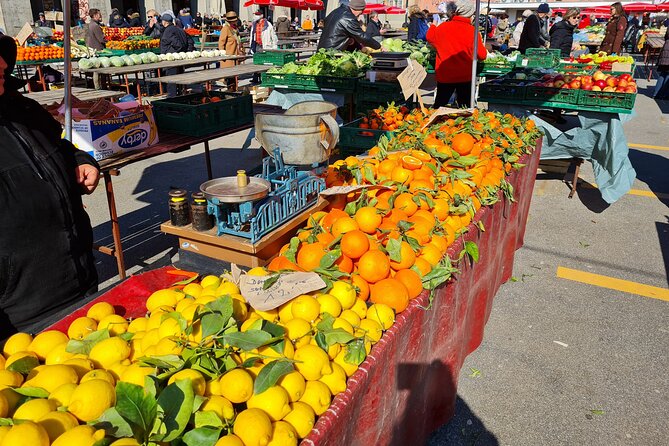
Then you hit Dolac Market, described as the oldest green market in Zagreb. This is one of the best stops for travelers who like food culture. Instead of treating it as a random market photo op, the guide explains what to notice—local food products, what the market is known for, and why it functions as a daily hub.
Dolac is also a great break in the walk. Your feet keep moving, but the atmosphere shifts. You’re standing in a place where people come for real purchases, not just sightseeing.
If you’re planning meals later, this stop helps you learn what to look for so you’re not guessing blindly when you wander into restaurants.



Tunel Gric: WWII History You Can Actually Walk Through
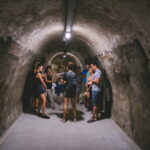
One of the most standout moments is Tunel Gric, a WWII tunnel under Grič Hill. The big advantage here is that it’s short and direct. You don’t need to be a military-history expert. You just walk through a real structure that turns the war story from distant history into something physical.
The tunnel is also described as a shortcut through the city center, so you get both meaning and practical value. It’s a rare combo: history plus efficiency.
In the reviews I saw reflected in the tour’s reputation, the tunnel was often called a highlight. If you only like a few guided elements, this is the one to prioritize.
Funicular Railway: The Hill Climb Without the Sweat (If It’s Running)
After the tunnel, the tour includes the Zagreb Funicular Railway. It’s the “best way to climb” to historic Upper Town, and it’s often described as the shortest funicular ride in the world.
Here’s the reality check. The tour says the funicular ticket is included if operating, but the info provided also states it’s closed for renovation until March 2026. That means your experience could be adjusted depending on when you go.
If it’s running during your dates, this ride will feel like a shortcut into old Zagreb. If it isn’t, you’ll still get the idea of Upper Town in a more walking-heavy way. Either way, the tour is structured so you don’t miss the core upper-town views and stops.
Lotrščak Tower and the Noon Cannon Story
Next is Lotrščak Tower, a historic guard tower that houses the famous Grič cannon. This is one of those stops that works whether you’re a history person or not, because it’s visual and it has a daily rhythm.
One review-style detail you might hear from your guide: the cannon fires daily at noon. Even if you’re there at a different time, the story helps you understand why locals and visitors treat this tower like more than a static viewpoint.
The tower stop is brief, but it sets up the rest of Upper Town by giving you a sense of defense, watchfulness, and city pride.
Gornji Grad (Upper Town): Views, Churches, and Zagreb’s “Big Picture”
Now the tour opens up into Upper Town (Gornji Grad). This is your main panoramic segment: more space, more viewpoints, and more of the city spread out below.
You’ll get time for photos and for landmarks that help you map the old city:
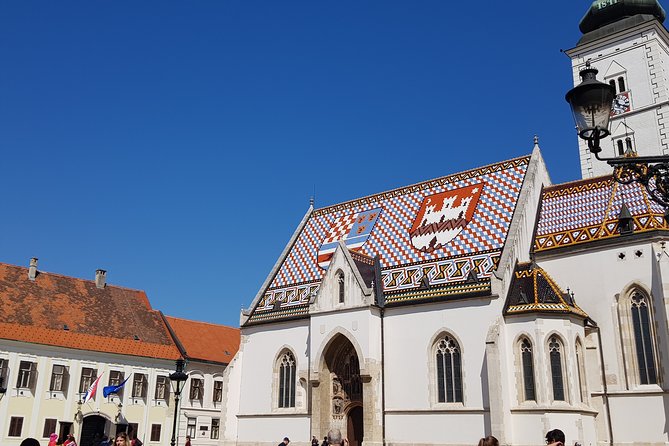
- St. Mark’s Church with its distinctive colorful roof
- Museum of Broken Relationships
- the Croatian Government Building and Croatian Parliament
The guide’s storytelling usually ties these together into one coherent picture—how the city’s identity shifted over time, and how the hilltop remains a cultural and civic center.
This is the part where I think the tour delivers most for newcomers. You’re not just seeing buildings. You’re learning how Zagreb organizes its importance on a hillside.
If you’re travel-pinched (short on days), this segment gives you a lot of “what matters” in one go.
Petrini Pyli: A Medieval Gate Moment
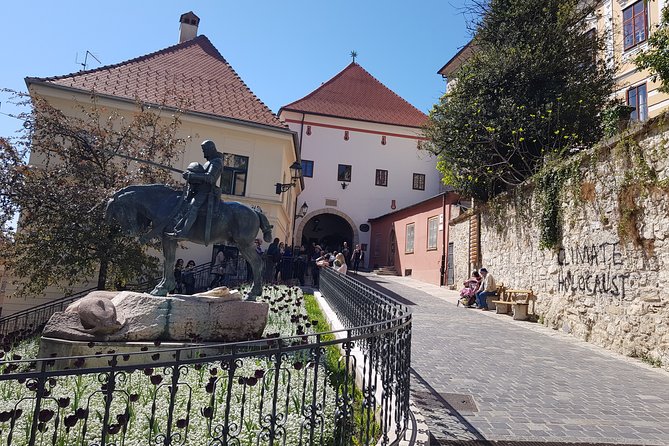
After Upper Town, you walk through Petrini Pyli, a medieval city gate. This is a quick stop, but it’s exactly the kind of detail that makes a guided walk feel more than a checklist.
Gates are useful. They teach you where edges were, where movement was controlled, and how a city once defended itself. Even if you move fast, you’ll feel the shift from open views back into street-level texture.
Tkalčićeva Street: The Downhill Unwind
Then you descend to Tkalčićeva Street, Zagreb’s famous pedestrian zone packed with bars and restaurants. It’s a smart ending because it gives you an easy transition: after the hill and history, you get a lively street where you can keep your night going without thinking too hard.
This stop isn’t about a single monument. It’s about atmosphere. The guide helps you link what you saw in the upper city to where you can actually relax and eat.
If you want a plan for dinner, this is often where the “what should I do next” tips kick in.
Small-Group Dynamics: Why the Guide Matters
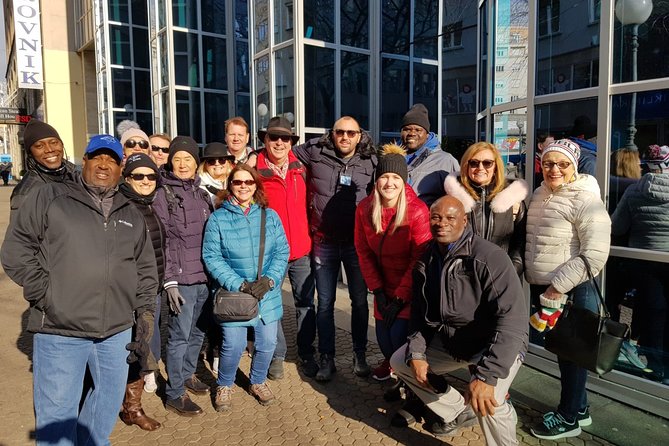
The tour’s biggest repeat praise is the guide quality. Names that came up in the guide conversation include Robert, Marko, Lucia, Marco, and Iva. That matters because Zagreb can be confusing if you’re just wandering with a map. A licensed guide helps you connect the dots.
What stands out in the feedback style is how guides handled both history and everyday life. Many were described as funny, relaxed with questions, and able to explain politics, military actions, and modern life without turning it into a lecture.
One very practical payoff: several people noted the guide offered restaurant recommendations and took extra time after the tour to help. That kind of added guidance can easily turn the tour from “nice walk” into “I saved myself time later.”
Weather, Walking Comfort, and What to Wear
This experience requires good weather, which is a polite way of saying: don’t plan it like a rainy-day museum visit. The route is outdoors for most of the time.
Also, dress for the real temperature. One caution I saw emphasized dressing warm, especially since you’re up and down between parkland, hill viewpoints, and street segments.
The tour is doable for most people, but it is still a walking day. If you have mobility limits, consider asking what alternatives might be available when operations change.
Should You Book This Zagreb Walking Tour?
Yes, if you want a fast, guided way to understand Zagreb’s layout and priorities. This tour is especially worth it early in your trip because it gives you a foundation: major squares, Upper Town context, and a market-and-street ending that sets you up for meals.
Book it if you care about WWII history in an easy, physical way (Tunel Gric) and if you like viewpoints and landmark clusters more than isolated museums.
Skip or be extra flexible if you specifically planned around the funicular ride. With renovations scheduled until March 2026, you might not get that included element on your dates. You can still do the rest, but manage expectations.
My simple test: if you’d rather learn Zagreb from a local guide than stitch the city together solo with a phone, this is a smart use of time.
FAQ
How long is the Zagreb walking tour?
It runs about 2 to 3 hours.
What is the price per person?
The tour costs $24.20 per person.
What’s included besides the walking?
You get a funicular ticket if it’s operating, plus the walking tour with a licensed guide.
Where does the tour start and end?
It starts at Zrinjevac 2, 10000 Zagreb and ends on Ban Josip Jelačić Square near the starting area.
What language is the tour offered in?
The tour is offered in English.
Is the funicular always part of the experience?
Not always. The WWII tunnel and the funicular might not operate on certain dates, and the funicular is closed for renovation until March 2026.
Do I need a print ticket?
You’ll use a mobile ticket.
Can I get a refund if plans change?
Free cancellation is available. You can cancel up to 24 hours in advance for a full refund. If you cancel less than 24 hours before, the amount paid is not refunded.