REVIEW · ZAGREB
Zagreb: Cravaticum – Museum of The Cravat Entry Ticket
Book on GetYourGuide →Operated by Cravaticum · Bookable on GetYourGuide
Zagreb has a museum for neckties, and it works. Cravaticum turns a small topic into a surprisingly fun lesson, with interactive, modern exhibits that make the story easy to follow. The best part is how it connects the tie to real people and real events, not just fashion trivia.
I really liked the guided tour approach, especially the way the English explanations make the history click. I also enjoyed the hands-on moment where you design your own necktie, because you leave with something more than photos. The only drawback: it’s a niche museum. If you’re not into ties or Croatian history, the visit may feel a bit short for the ticket’s vibe.
In This Review
- Key Highlights You’ll Care About
- Zagreb’s Cravaticum: Why a Tie Museum Feels Worth Your Time
- Price and Value: Is $10 a Fair Deal?
- The Core Story: How Croats Helped Create La Cravat
- The Guided Tour in English: What You Gain from a Live Guide
- Interactive Exhibits: Modern Presentations That Keep It Moving
- Make Your Own Necktie: The Hands-On Moment That Seals the Deal
- How to Plan Your Day: Timing, Flow, and What to Watch For
- Who This Museum Suits Best (And Who Might Skip It)
- Should You Book Cravaticum in Zagreb?
- FAQ
- What does the ticket include?
- How long is the experience?
- What time is the museum open in Zagreb?
- Is the guided tour available in English?
- Is Cravaticum wheelchair accessible?
- Can I cancel or pay later?
Key Highlights You’ll Care About
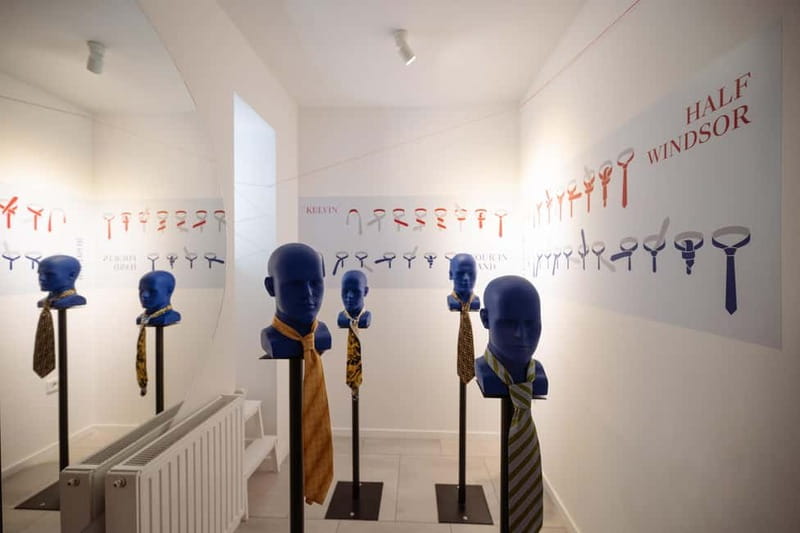
- Croatian origins of the necktie story: The museum links ties to Croats, the Thirty Years’ War, and the nickname La Cravat.
- Interactive, visually impressive exhibits: You don’t just read panels; you move through modern presentations.
- A guided English tour included: A live guide helps you connect the dots along the way.
- Make your own necktie: The design activity is a real payoff, not a token add-on.
- World’s only museum dedicated to necktie history: If you like oddball, specific museums, this one is exactly that.
Zagreb’s Cravaticum: Why a Tie Museum Feels Worth Your Time
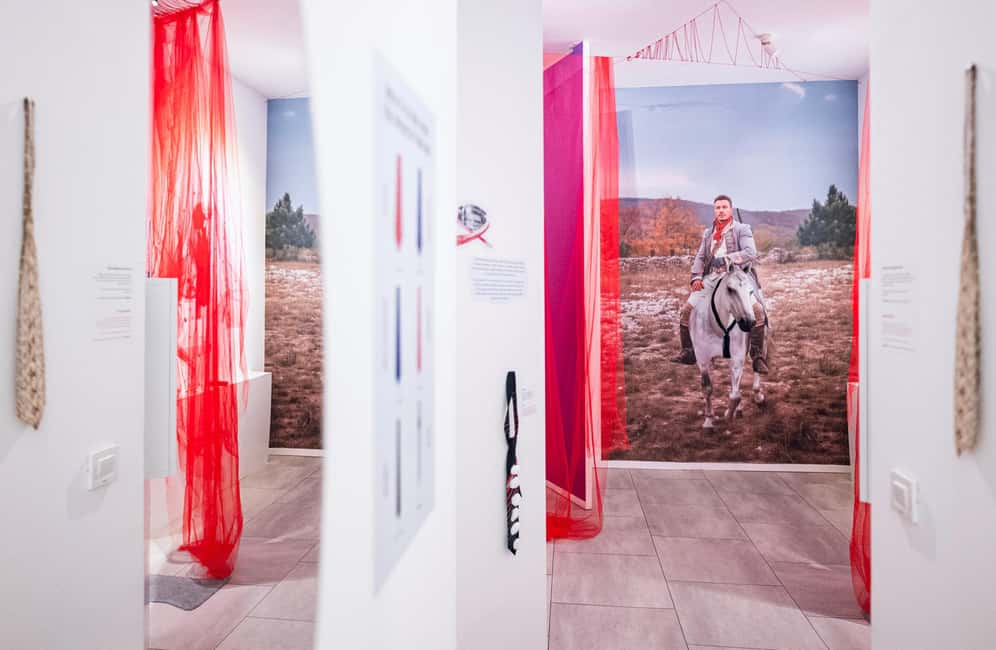
A tie museum sounds like a joke until you see how the story is told. Cravaticum is built around one clear idea: the necktie is not only style. It’s culture, identity, and even wartime history in disguise.
What I appreciate is the way the museum treats the tie as a historical object with a path. You start with origins tied to Croatian life, then you move through how the look traveled under foreign flags and turned into a named tradition. That context makes the exhibits feel grounded, even when the presentation gets playful.
And yes, the museum is in Zagreb, so you get that extra bonus: a break from the usual parade of churches and plazas. This is a quick detour into something unusual, with enough structure to keep it from feeling random.
You can also read our reviews of more tours and experiences in Zagreb.



Price and Value: Is $10 a Fair Deal?
At about $10 per person, Cravaticum is priced like a smart, casual cultural stop. You’re not paying premium museum money for a vague “fashion” display. You’re paying for a real package: entrance, interactive exhibits, visual presentations, and a live English guide.
Also, the duration helps. It’s listed as 1 day, and the opening hours run every day from 10am to 8pm, which gives you flexibility. You can fit it into a travel day without sweating a strict time window.
If you’re the type of traveler who enjoys hands-on activities, the value rises. The museum’s tie-design moment and interactive areas aren’t just decoration. They’re part of what makes the visit memorable for me, even if the museum is smaller than the big-ticket sites.
The Core Story: How Croats Helped Create La Cravat
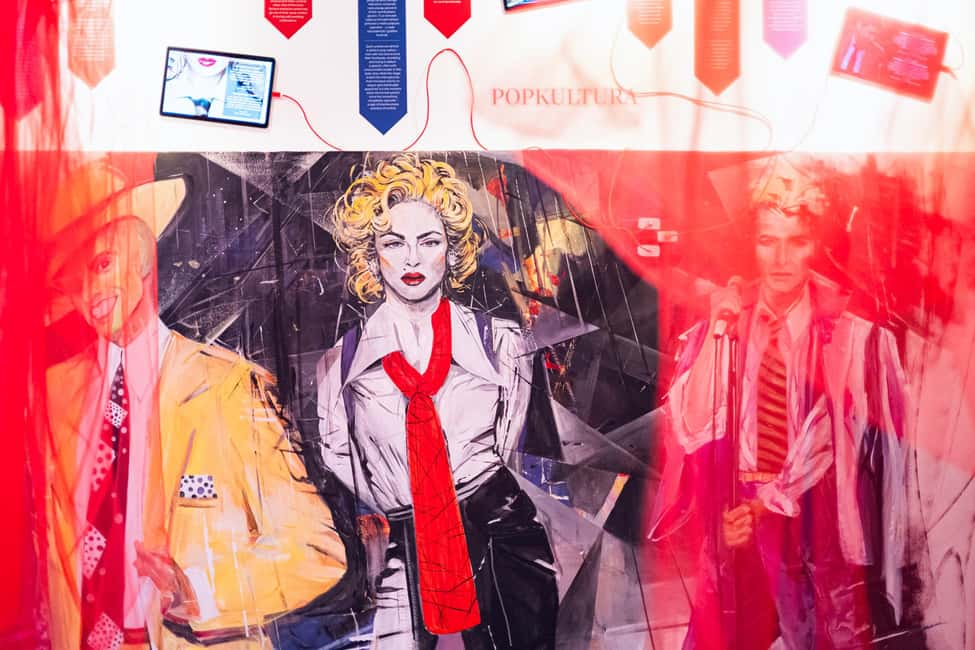
The museum’s heart is the origin narrative. You learn that ties connect back to Croatia through the movement of people and uniforms during the Thirty Years’ War. The story is built around a simple, human idea: when men left, women and girls made ties for them.
Here’s what the museum emphasizes:
- The first ties were made by girls and women for men going from Croatia to the Thirty Years’ War, with the hope of luck and a safe return home.
- Croats fought under the French flag, and their neckwear became known as La Cravat, tied to the word Croat.
- After the war, in 1667, a special regiment called the Royal Cravates was formed in France and named for the Croats who fought there, with ties as part of their identity.
That’s a lot of history for something that looks like an everyday accessory. But it makes sense in the museum’s logic: the tie becomes a symbol people recognize, copy, and eventually formalize.
The Guided Tour in English: What You Gain from a Live Guide
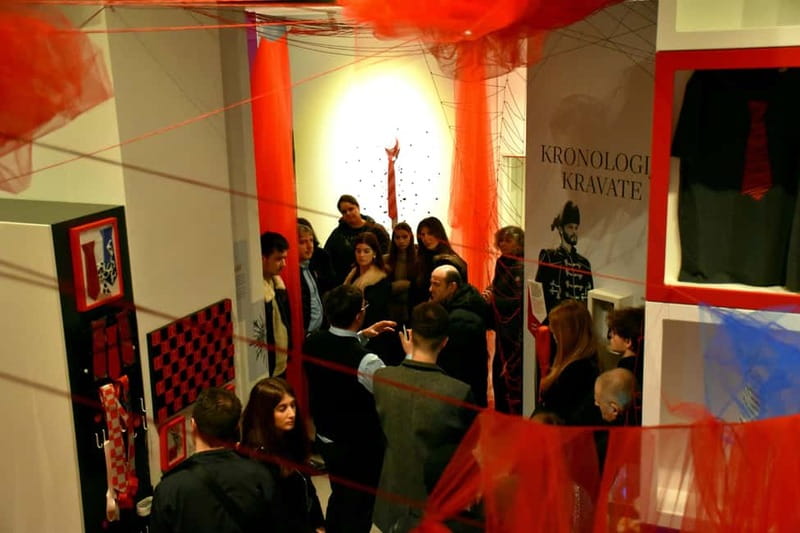
Cravaticum includes a guided tour, and that matters more than you’d think with a museum this specific. A live guide helps you avoid the “I walked through, I saw a bunch of stuff” problem. Instead, you get a clear thread.
The vibe is friendly and practical. The museum staff are described as local, warm, and full of knowledge, and that lines up with how these exhibits are designed. When the story shifts from wartime origins to later evolution, having a guide makes the connections feel smoother.
There’s also a small real-world detail from experience: if a QR code doesn’t work properly, the staff are willing to help. That’s the kind of thing that can turn a museum visit from mildly annoying into genuinely pleasant. It’s also a good reminder for you to keep a backup method ready (like having the info on your phone, not only relying on a single scan).
Interactive Exhibits: Modern Presentations That Keep It Moving
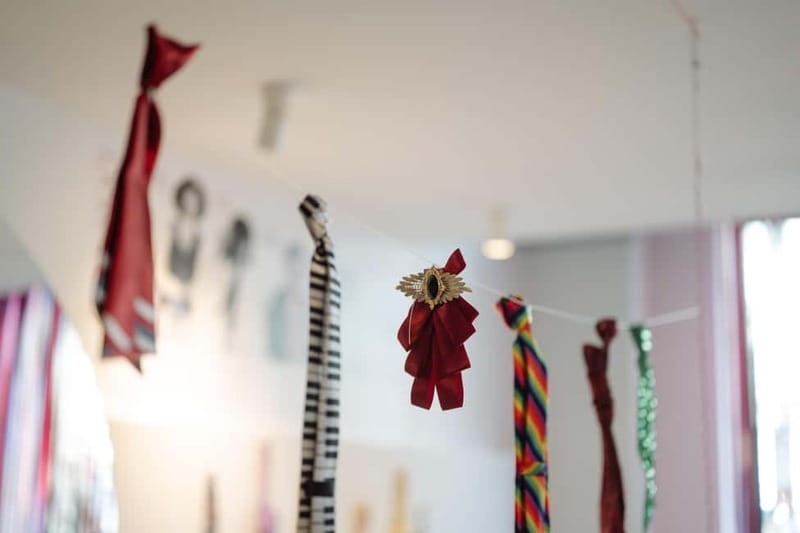
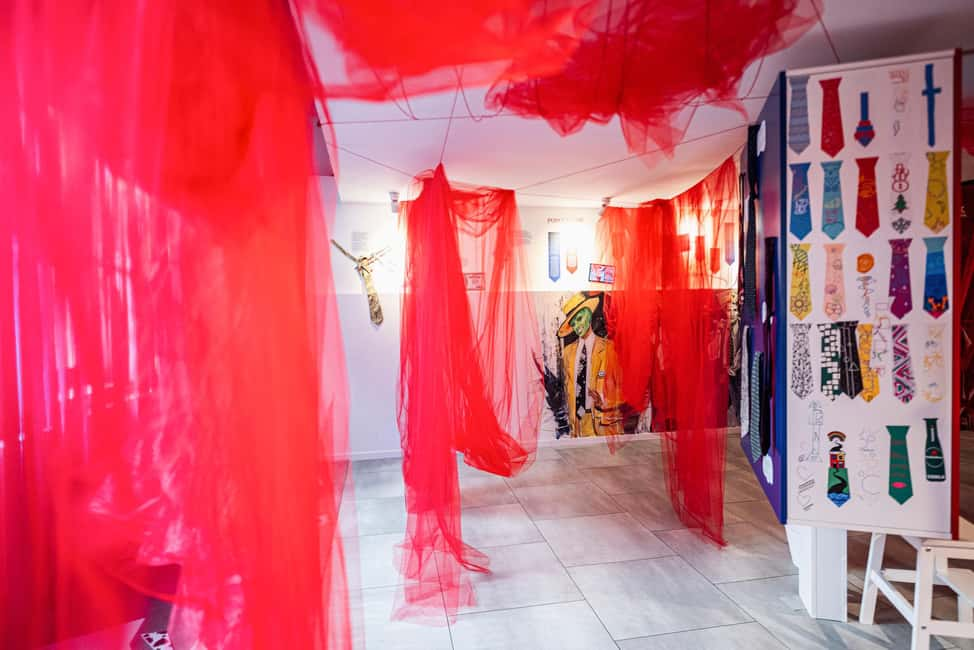
This museum doesn’t rely on silence and glass cases. The exhibits are described as interactive and modern, with visual presentations that make the history easier to grasp.
In practice, that means you’re not stuck reading one long wall of text. You’re looking at displays that explain the evolution of the necktie and how it changed over time. You also get the sense that the museum was designed for people who learn by doing, not only by staring.
For me, the best interactive museums are the ones where the activity supports the story. Here, interaction supports the “how we got here” journey. You’re led from romantic beginnings to a more avant-garde future, which keeps the arc from feeling stuck in the past.





Make Your Own Necktie: The Hands-On Moment That Seals the Deal
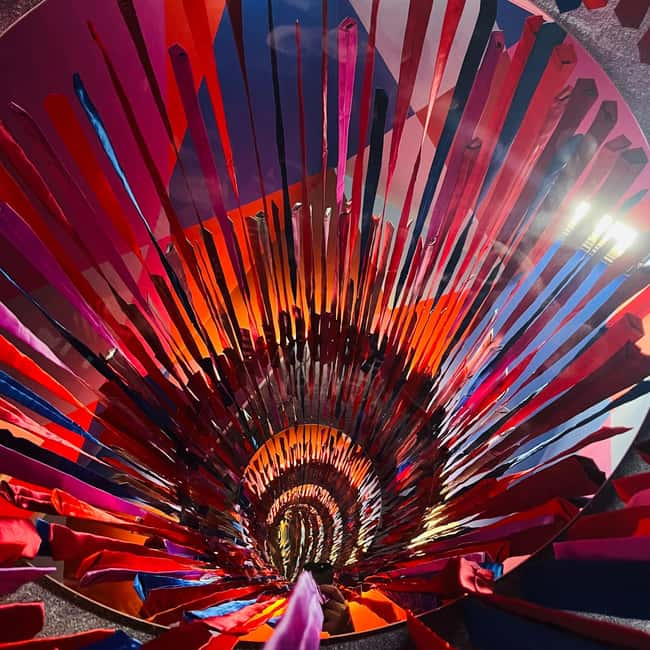
If you only remember one part of Cravaticum, make it this. The highlight isn’t just that the museum talks about ties; it lets you create one.
That design activity is valuable for two reasons:
- It turns passive learning into a small skill you can feel. You stop treating the tie as a picture and start treating it as an object with choices.
- It gives you a souvenir with meaning. A photo captures an exhibit. A designed necktie captures a moment you participated in.
You don’t need to be crafty to enjoy it. The point is the experience and the connection to what you learned about evolution and style.
How to Plan Your Day: Timing, Flow, and What to Watch For

Cravaticum is open 10am–8pm every day, which is great because you can choose a time that matches your pace. If you like museums with less pressure, aim for a slot earlier in the day or mid-afternoon. If you’re combining it with other Zagreb sights, the late opening makes it easy to fit in after lunch or on an evening stroll.
You’ll go to the museum entrance on your own, then join the included guided experience once you’re there. Plan for enough time to move through both the storytelling side (history and evolution) and the hands-on side (the design portion).
One more practical note: because the museum has interactive elements, it’s smart to keep your phone accessible and your attention up. If your ticket access uses QR scanning and it misbehaves, staff support is reported as helpful, but you’ll still enjoy the visit more if you don’t spend the whole day troubleshooting.
Who This Museum Suits Best (And Who Might Skip It)
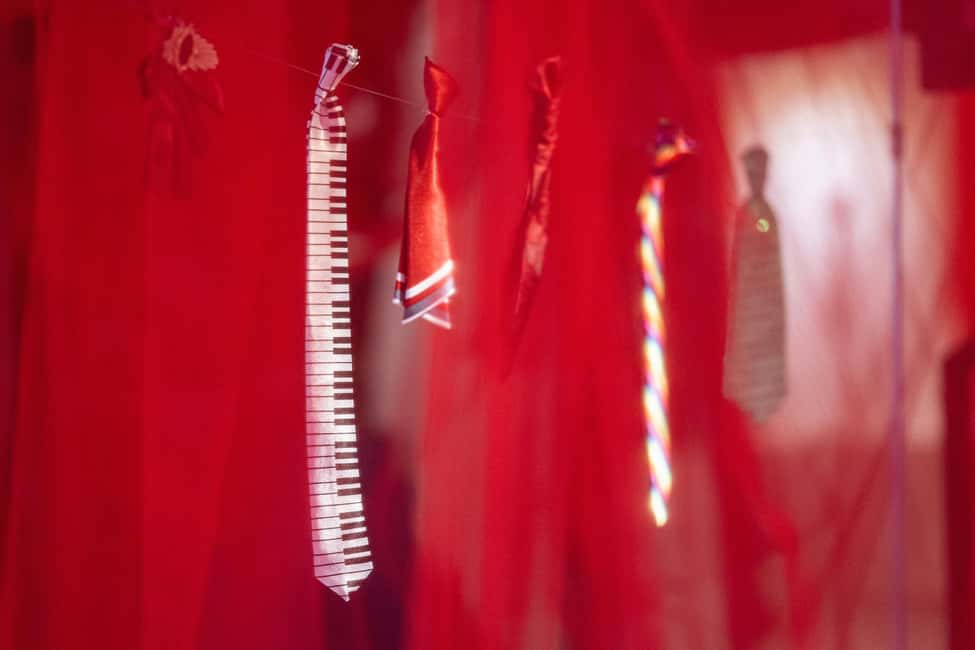
Cravaticum works best if you like:
- Unusual, tightly themed museums
- Croatian history told in a creative way
- Hands-on activities inside a cultural setting
- Fashion history with real-world roots, not just trends
It may not be the right match if you want huge collections, famous artworks, or a broad overview of European fashion. This museum focuses on one subject, and that focus is the point.
There’s also a practical limitation to know upfront: it isn’t suitable for wheelchair users. If mobility access is part of your planning, you’ll want to consider that before booking.
Should You Book Cravaticum in Zagreb?
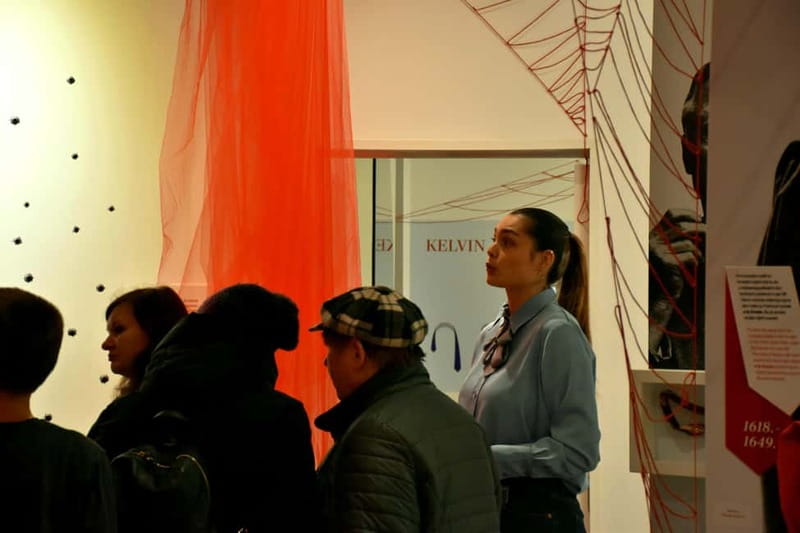
I’d book Cravaticum if you enjoy learning through something a bit offbeat, and if you get satisfaction from interactive exhibits and a hands-on activity. At around $10, the value is strong because the ticket includes a live English guide plus the design experience, not just entrance to displays.
Skip it only if neckwear history doesn’t sound at all interesting to you. If that’s your vibe, you’ll likely want a different museum instead.
If you do go, treat it like a short, quirky education stop. You’ll leave understanding why a tie can carry identity, travel, and history—right down to the name La Cravat.
FAQ
What does the ticket include?
Your ticket includes entrance to the Cravaticum museum, interactive exhibits, visual presentations on the history of the necktie, and a guided tour.
How long is the experience?
The experience is listed as valid for 1 day.
What time is the museum open in Zagreb?
The museum is open every day from 10am until 8pm.
Is the guided tour available in English?
Yes. The live tour guide is listed as English.
Is Cravaticum wheelchair accessible?
No. It is listed as not suitable for wheelchair users.
Can I cancel or pay later?
Free cancellation is available up to 24 hours in advance for a full refund. You can also reserve now & pay later.