REVIEW · ZAGREB
Zagreb History Walking Tour
Book on Viator →Operated by Happy walk · Bookable on Viator
Two hours of Zagreb history, on foot. I love how this walk keeps things simple and tightly planned, hitting key spots from Ban Jelačić Square up to the Cathedral without adding museum detours. I also like the included funicular ticket, so you get the fun part of Zagreb’s layout without extra planning.
The only real catch: you’re mostly outside, and the schedule depends on good weather. Also, Dolac Market is noted as closed in the afternoon, so timing matters if you’re booking later in the day.
In This Review
- Key Highlights You’ll Feel Immediately
- Zagreb’s 2–2.5 Hour Walking Tour: What It’s Like on the Ground
- Ban Jelačić Square: Your Zagreb Orientation Point
- The Funicular Railway Ride: A Short Hop With Big Payoff
- Upper Town (Gornji Grad): Streets, Slope, and Guide-Led Clarity
- Petrini Pyli: The Old Town Entrance You Can Still See
- Tkalčićeva Street: The Famous Street Stop Without the Headache
- Dolac Market: The Zagreb Symbol Stop (With One Timing Warning)
- Zagreb Cathedral: Ten Minutes That Actually Land
- Price and Value: Why This Walk Usually Feels Fair at $42.06
- Logistics That Matter: Timing, Weather, and Getting Around
- Should You Book This Zagreb History Walking Tour?
- FAQ
- FAQ
- How long is the Zagreb History Walking Tour?
- What is the price per person?
- What’s included in the tour?
- Which sights are included during the walk?
- Are museums or galleries included?
- Is Dolac Market open during the tour?
- What if the tour is affected by bad weather?
- What’s the cancellation cutoff for a full refund?
Key Highlights You’ll Feel Immediately
- Small group of up to 6 means fewer crowds and more chances to ask questions.
- Funicular Railway ride included on one of Europe’s shortest funicular routes.
- Old Town pacing that fits 2–2.5 hours without rushing every stop.
- Clear route from Lower Town to Upper Town with an easy end point at Ban Jelačić Square.
- Dolac Market included on the route with a heads-up that it closes in the afternoon.
- Cathedral stop with guide-led stories in about 10 minutes, focused and practical.
Zagreb’s 2–2.5 Hour Walking Tour: What It’s Like on the Ground
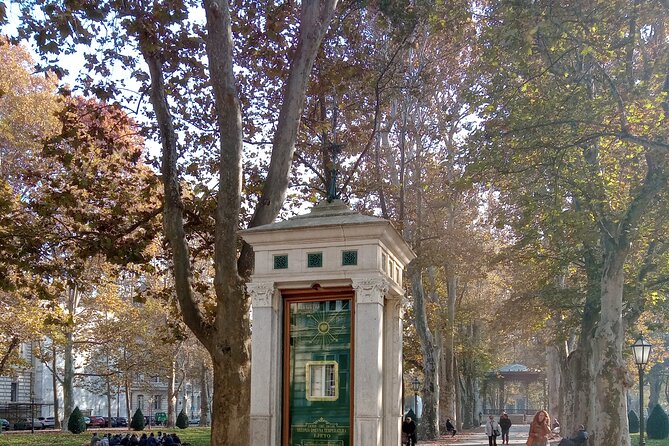
This is the kind of tour that helps you get your bearings fast. You start in the Lower Town area, then work your way into the Upper Town (Gornji Grad) where Zagreb’s older streets live. The pace is built for walking plus a handful of short landmark stops, so you spend more time outside your head and less time waiting around.
With a group capped at 6 travelers, the tour feels calmer than the big-van style history tours. That matters in Zagreb, because you’re often standing in public spaces—squares, gates, and street edges—where crowds can turn a 10-minute stop into a 25-minute shuffle. Here, you’ll generally keep moving.
One more practical detail I appreciate: you don’t need to plan ticket logistics for the funicular. The tour includes the Funicular Railway ticket, while the other featured sights are listed as free to access during the walk.
You can also read our reviews of more tours and experiences in Zagreb.


Ban Jelačić Square: Your Zagreb Orientation Point
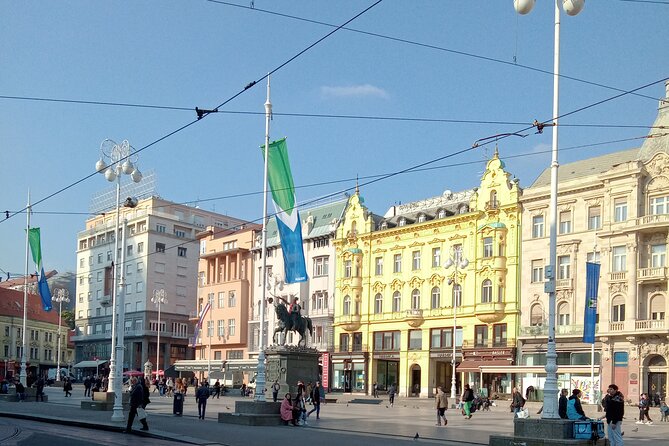
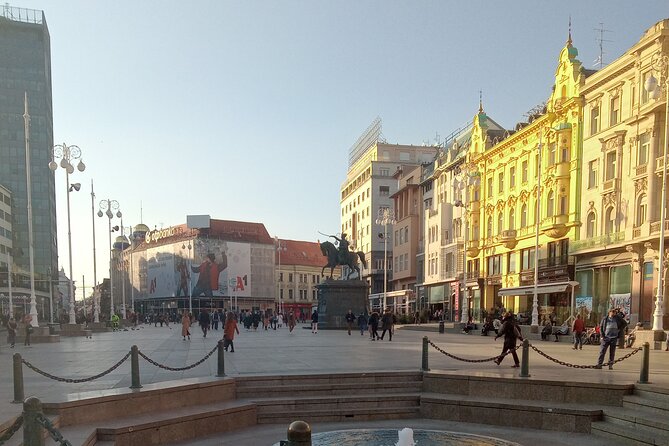
You begin at Ban Josip Jelačić Square, the central social hub of Zagreb. Even before you move anywhere, this stop helps you read the city layout. The guide points out where people naturally gather—especially the spots “under the clock” on the west side of the square and “under the horse’s tail.”
That kind of small, concrete guidance is more useful than it sounds. It’s the difference between wandering in a pretty place and understanding where you are in relation to the rest of town. If you’ve got only a day or two in Zagreb, starting here gives you an anchor point for the rest of your sightseeing.
Tip for your walk: take 30 seconds when you arrive to locate the clock area and the horse’s tail side. After that, the rest of the route will feel more logical, not just a list of attractions.
The Funicular Railway Ride: A Short Hop With Big Payoff
Next up is the Funicular Railway, one of the shortest funiculars in Europe. This is the practical bridge between Zagreb’s Lower Town vibe and the Upper Town streets above.
The ride is short (about 10 minutes in the tour flow), but it’s a payoff stop because it teaches you something about Zagreb’s vertical design. Even if you don’t love the mechanics of trains and cables, you’ll still feel how the city is built for movement between levels.
And again—value check. You get the funicular ticket included, so you’re not doing last-minute calculations like Will I buy the right thing? What if I miss the ride? It’s handled.
Upper Town (Gornji Grad): Streets, Slope, and Guide-Led Clarity
From the funicular, you move into Upper Town (Gornji Grad) for a longer stretch (about 40 minutes). This is the part where the tour earns its name: history walking, not just landmark sightseeing.
You’ll stroll through streets of the older quarter while the guide explains what you’re looking at and why it matters. The goal here isn’t to memorize dates. It’s to understand the city’s story as you walk—so that when you later see a building or square on your own, you can connect it to something you heard.
Because the time is limited, you won’t be stuck at a single viewpoint for ages. Instead, it’s a steady walking rhythm: look up, listen, move on, repeat.
Consideration: you’ll want comfortable shoes. Gornji Grad streets tend to be uneven and old-town textured, and this tour doesn’t include a museum break to “sit down and reset.”
Petrini Pyli: The Old Town Entrance You Can Still See
You then stop at Petrini Pyli, described as the only remaining entrance to the old town. Even with just about 15 minutes here, the stop feels meaningful because it’s a physical reminder of how Zagreb once controlled access to the older area.
This is exactly the type of detail I like in a walking tour: it’s not just a famous building you can photograph from afar. It’s a structure that helps you visualize boundaries—where the old city started and how people moved in and out.
If you enjoy “how cities worked” more than “what year was it built,” this is a great moment. The guide can turn a small gate into a story about movement, defense, and daily life.



Tkalčićeva Street: The Famous Street Stop Without the Headache
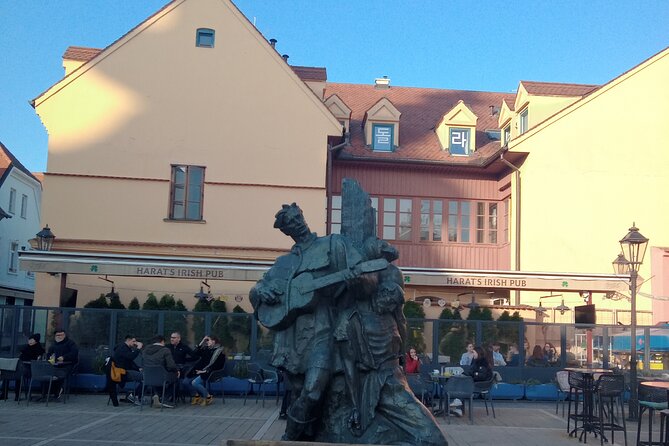
Next is Tkalčićeva Street, one of Zagreb’s most famous and visited streets. You’ll spend around 10 minutes here, enough time for the guide to give you the key thread—what this street is historically associated with and how it developed into a major pedestrian corridor.
This stop is useful even if you don’t end up eating or shopping on the street. It helps you place Zagreb’s day-to-day life next to its older layers. When you later walk here on your own, you’ll notice details you would have otherwise missed.
Short stop, clear purpose: this is the kind of tour structure that works well for people with limited time and high curiosity.
Dolac Market: The Zagreb Symbol Stop (With One Timing Warning)
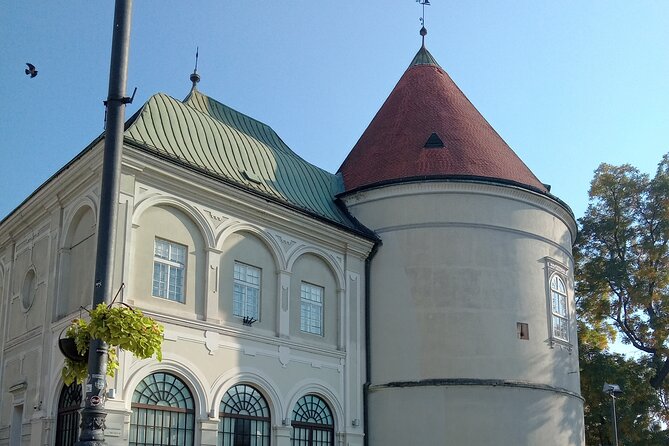
You’ll finish this mid-route segment at Dolac Market, Zagreb’s famous market symbol. The tour gives you about 10 minutes at the market area, focused on the feel of the place—people coming and going, vendors, and the sense that this is where local life intersects with tourist life.
Here’s the one drawback built into the plan: Dolac Market is closed in the afternoon. If you’re trying to see the market portion, don’t gamble on a late start. Choose a morning or earlier slot if you can, so the market is actually active when you arrive.
Even if you’re not buying anything, the market stop is still valuable. It’s one of the fastest ways to see what Zagreb tastes like day-to-day, especially when paired with the older-town stops before it.
Zagreb Cathedral: Ten Minutes That Actually Land
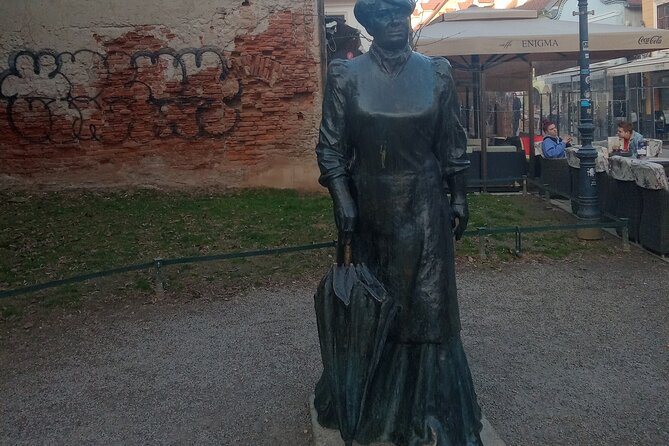
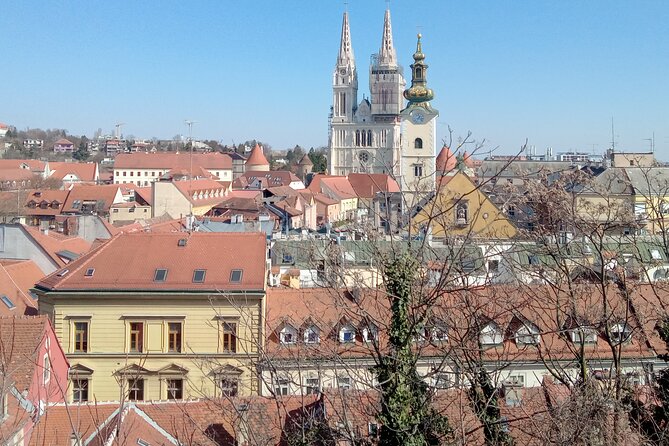
The last major stop on the walk is the Cathedral of Zagreb. You’ll spend about 10 minutes there, with the guide sharing the most notable facts from its history—described as turbulent.
This is a smart use of time. The cathedral is visually dominant, and a good guide can keep the story understandable even in a short window. You get the big picture without turning your day into a museum day.
What I’d do if you have a few extra minutes later: after the tour ends, if the cathedral area is open and you still have energy, you can linger on your own. The tour doesn’t try to force a long visit here; it sets you up so your longer stop later makes more sense.
Price and Value: Why This Walk Usually Feels Fair at $42.06
At $42.06 per person for about 2 to 2.5 hours, this is priced like a value-focused city tour. Here’s why it can work well:
- You’re paying for a guide who stitches the route together so you don’t waste time guessing what you’re looking at.
- The funicular ticket is included, which removes one small but annoying cost and planning step.
- The group size is capped at 6 travelers, so you’re more likely to feel like you’re part of a conversation than a crowd.
Also, the tour doesn’t promise museum tickets you’d still need to spend extra time using. You’re buying a focused walking experience, not a half-day commitment to indoor sites.
If you’re the type who likes to learn and walk at the same time, this price-to-time ratio is usually solid. If you want a slower, deeper multi-hour museum-style exploration, this may feel short.
Logistics That Matter: Timing, Weather, and Getting Around
This experience runs on a walking schedule that depends on good weather. If rain or bad conditions hit, you’ll be offered a different date or a full refund. That matters because the whole tour is built on outdoor stops.
You’ll also appreciate that the tour is near public transportation. Zagreb is very walkable in the central areas, but having transit nearby makes it easier to reposition if you arrive early or get off at the wrong stop.
The tour uses a mobile ticket, and confirmation happens at the time of booking. If you like knowing your details are handled, that reduces friction.
On the people side: service animals are allowed, and “most travelers can participate.” The route does involve walking between stops, so it’s not a no-effort stroll.
One more thing I like seeing in the reviews: the guide is described as very willing to explain and adapt even when children are with the group. That’s a good sign for families because it suggests the tour doesn’t treat kids like they’re an afterthought.
Should You Book This Zagreb History Walking Tour?
Book it if you want Zagreb history in a way that doesn’t eat your whole day. This tour is best when you’re curious but short on time: you’ll get a clean route through central landmarks, plus practical city context that helps you navigate later.
Skip it or adjust your expectations if your top priority is museum-style depth or a long cathedral visit. This is more about orientation and stories you carry with you, not long indoor exhibits.
My final take: if you’re visiting for a weekend or a first trip to Zagreb, this walk is a smart early move. Start with it, then explore the streets you liked most on your own afterward—Dolac Market in the morning if you can, and the cathedral area if you want a longer look.
FAQ
FAQ
How long is the Zagreb History Walking Tour?
It lasts about 2 hours to 2 hours 30 minutes.
What is the price per person?
The price is $42.06 per person.
What’s included in the tour?
You get a local guide (licensed), plus the funicular ticket and entry/admission for the Funicular Railway.
Which sights are included during the walk?
The stops include Ban Josip Jelačić Square, the Funicular Railway, Upper Town (Gornji Grad), Petrini Pyli, Tkalčićeva Street, Dolac Market, and the Cathedral of Zagreb.
Are museums or galleries included?
No. Visits to museums and galleries are not part of the tour program.
Is Dolac Market open during the tour?
Dolac Market is noted as closed in the afternoon, so it’s best timed earlier in the day.
What if the tour is affected by bad weather?
If it’s canceled due to poor weather, you’ll be offered a different date or a full refund.
What’s the cancellation cutoff for a full refund?
You can cancel up to 24 hours in advance for a full refund. Canceling less than 24 hours before the start time isn’t refunded.