REVIEW · ZAGREB
Zagreb in Ink and Coffee: A Feminist Café Chronicle
Book on Viator →Operated by Tales & Spirits of Old Zagreb · Bookable on Viator
A walking tour that feels like a story you can touch. Zagreb in Ink and Coffee threads Marija Jurić Zagorka’s life through the streets and cafés of the Lower Town, turning everyday corners into a lived-in feminist chronicle. It’s anchored by a costumed guide, short stops that actually stick, and a pace that helps you notice details you’d otherwise miss.
What I like most is how clearly it connects place to ideas: from journalism and women’s publishing to the café scene that hosted progressive conversation. I also appreciate the small-group feel and the way the guide can slow down when a question matters, which makes the whole experience more personal than a checklist tour.
One thing to consider: this is a good-weather type of outing. If it’s rainy or miserable, you’ll want backup plans for your schedule, and you should expect some flexibility if the tour date changes.
In This Review
- Key takeaways before you go
- Why this Zagreb tour works: Zagorka’s ink meets real streets
- The walk, step by step: the route and what each stop adds
- Stop 1: King Tomislav Square (Trg Kralja Tomislava)
- Stop 2: Strossmayer Square (Strossmayer Square)
- Stop 3: Zrinjevac (outside Kavana Zagreb area)
- Stop 4: Masarykova ulica (the Lower Town pulse)
- Stop 5: Gundulićeva ulica and Obzor newspaper
- Stop 6: Varšavska ulica and Ženski list (1925–1938)
- Stop 7: Ilica and Café Corso (ideas at a corner)
- Stop 8: Ban Josip Jelačić Square and the memory of Velika Kavana
- Stop 9 (Optional): Radiceva and House of Spirits liqueur tasting
- Price and value: what $65.53 buys you (and what to watch for)
- Group size, pacing, and the kind of questions you’ll want
- My honest take on the guide experience (including Đurđica)
- Who should book this tour?
- Should you book Zagreb in Ink and Coffee?
- FAQ
- FAQ
- How long is Zagreb in Ink and Coffee?
- How much does the tour cost?
- What language is the tour offered in?
- Where does the tour start and end?
- Is the tour a private experience?
- Does the tour include the liqueur tasting?
- Is the tour mostly outdoors?
- What should I expect during each stop?
- Is good weather required?
- Do I need to pay for admissions at the stops?
Key takeaways before you go
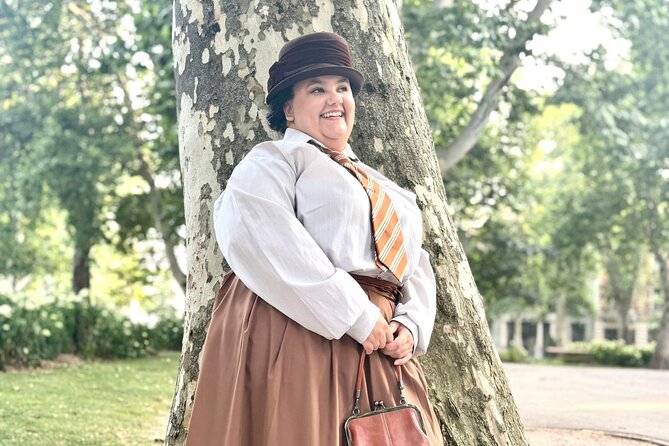
- Costumed storytelling with Đurđica: you get Zagorka’s voice in the moment, not just facts on a phone screen.
- A tight Lower Town route: major squares and street names linked to media, cafés, and women’s publishing.
- Coffeehouse culture, not just coffee: you’ll see how cafés shaped conversation and community.
- Optional guided liqueur tasting: add-on in an atmospheric distillery setting near the center.
- English guide, small group, private format: you’re with your group only, and you can ask questions.
- Stops stay outdoor-friendly: most parts are walk-and-look, with short stops built in.
Why this Zagreb tour works: Zagorka’s ink meets real streets

Zagreb can feel like a “pretty capital” until you learn how people used ideas to push back. This tour is built for that shift. You start at Trg Kralja Tomislava (King Tomislav Square) and end at Ban Jelačić Square, but the real journey is through Zagorka’s world—journalism, women’s publishing, and the café culture where talk became momentum.
The setup is simple and smart: short time at each stop, enough context to understand why the place matters, and a guide who gives you language for what you’re seeing. The guide doesn’t treat the Lower Town like a museum floor. Instead, it’s a living map of press and social change.
Two things make the experience click. First, you’re not just told that Zagorka was a journalist—you’re shown where her work intersected the city’s institutions. Second, the café stops are used as social history, not decorative scenery. That’s the point: ideas didn’t float around in theory. They met people, argued, and brewed into action over cups of coffee.
You can also read our reviews of more tours and experiences in Zagreb.
The walk, step by step: the route and what each stop adds
This is a 2 to 3 hour guided walking tour in English, priced at $65.53 per person. It runs in the Lower Town area of Zagreb and is typically booked about 15 days in advance on average. You’ll receive a mobile ticket, and it’s a private format for your group. That combination matters: you get organization without the “everyone lines up” feeling.
Also, the itinerary is built with short stops—around 15 minutes each—so you’re never stuck in one place too long. It’s also mostly outdoor, so your comfort will depend on weather. Plan layers if you’re going in shoulder season.
Stop 1: King Tomislav Square (Trg Kralja Tomislava)
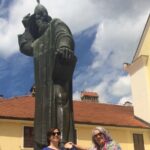
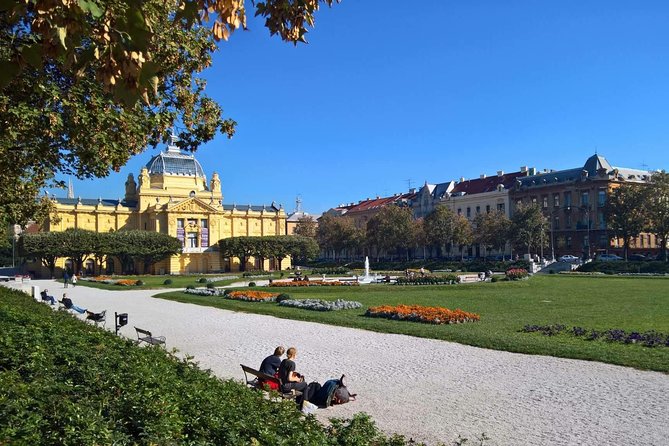
You kick off at Trg Kralja Tomislava 1, where the grand statue dominates the view and the square acts like a busy gateway. This is a good starting point because it puts you in the mood of the Lower Town right away: city life in motion, history in the background.
What I like here is the contrast. You’re not starting in some quiet archive. You’re starting in a public space where people move through daily routines—exactly where ideas needed to travel to matter.
Stop 2: Strossmayer Square (Strossmayer Square)
Next is Strossmayer Square, a green pause in the city. The story connects the square to Josip Juraj Strossmayer, a key figure in Croatian cultural life. Even before you start thinking about Zagorka, you see the broader network: intellectuals, writers, artists—people who shaped what got discussed and printed.
This stop is a useful reset. You’ll get a clearer sense of the “thinking” Zagreb environment, so later café and press locations land harder.
Stop 3: Zrinjevac (outside Kavana Zagreb area)
You move near Zrinjevac Park and explore the significance of the café scene around Kavana Zagreb, staying outdoors. The point isn’t that you’re sitting down for a scripted coffee moment. It’s that you’re placed near a legacy of gathering—writers, social talk, and revolutionary conversations that shaped Zagorka’s circle.
I find this stop works especially well because it trains your eyes. You begin to notice how close cafés sit to cultural hubs and promenades. That proximity is where serious conversation becomes normal conversation.

Stop 4: Masarykova ulica (the Lower Town pulse)
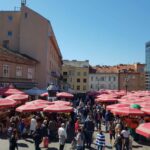
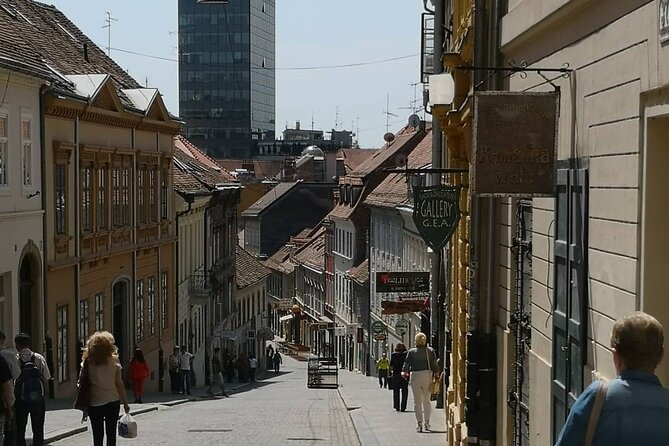
Now you’re on Masarykova Street, a lively corridor in the Lower Town. The tour uses it to show how daily city rhythms shaped Zagorka’s portrayals of urban society.
This is where the tour stops being only “where she worked.” It becomes “where her world functioned.” You’ll pass shops, theaters, and café life as you learn to read the street as a social system. That’s a big part of why the story feels grounded rather than abstract.
Stop 5: Gundulićeva ulica and Obzor newspaper
At Gundulićeva ulica, you pause at the site of the former editorial office of Obzor newspaper, where Marija Jurić Zagorka worked as a journalist. This stop is one of the most direct links between Zagorka and public voice.
You get a clear takeaway here: print wasn’t just a job. It was leverage. The tour frames how a woman using the press to challenge norms could change what people accepted as normal.
Practical note: this stop is short, so if you want extra context, ask your guide a question while you’re standing there. The guide’s pace is designed for quick clarity and then movement.
Stop 6: Varšavska ulica and Ženski list (1925–1938)
Then comes Varšavska Street, a transition from the busier Lower Town toward more residential quarters. The tour uses that shift to highlight social contrast in Zagorka’s era—how different parts of the city reflected different levels of freedom, pressure, and expectation.
Here you learn about the Ženski list headquarters, founded and edited by Zagorka from 1925 to 1938. That’s the kind of detail that changes your understanding of her. This wasn’t only commentary on women’s roles. It was institution-building: women’s issues, education, and rights being argued for in print when public discussion was limited.
If you love women’s history that’s specific (names, years, institutions), this is the stop you’ll remember later when you think about why publishing mattered.
Stop 7: Ilica and Café Corso (ideas at a corner)
You head to Ilica, focusing on Café Corso, described as a beloved institution and a rendezvous for progressive thinkers. The tour points out its location at the corner of Ilica and Gundulićeva Street, then connects it to Zagorka’s frequent visits and the kind of conversation cafés made possible.
This stop is a smart reminder that movements aren’t only made in speeches. They’re made in side conversations, in habitual meeting places, in the informal talk that helps people test ideas safely.
Also, this is where the storytelling style really lands. One of the standout elements in the experience is watching the guide bring Zagorka’s presence into the scene—more character than lecture.
Stop 8: Ban Josip Jelačić Square and the memory of Velika Kavana
Near Ban Josip Jelacic Square, you pause around the former site of Velika Kavana (Grand Café). The café itself no longer stands, so the tour leans into memory: what those spaces meant, and how voices of the past still echo through city layout and landmark proximity.
This stop works as a quiet finale for the main walk. You get to feel closure without pretending the city freezes time. It’s a reflective moment before you head to your own Zagreb time.
Stop 9 (Optional): Radiceva and House of Spirits liqueur tasting
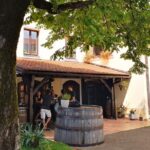
If you choose the add-on, you’ll head toward Radiceva area for an optional guided liqueur tasting at House of Spirits. It’s a 20-minute experience, and reservation is required for the tasting. The tour describes it as an atmospheric boutique distillery near the city center.
The tasting is framed as a sensory toast to Zagreb’s café culture and Zagorka’s bold words. Expect traditional Croatian liqueurs, with flavors described broadly as herbal to fruit-infused blends.
Even if you don’t make a huge habit of spirits, I like this option because it’s not random shopping energy. It’s tied back to the theme: drinks as social ritual, and conversation as culture.
Price and value: what $65.53 buys you (and what to watch for)
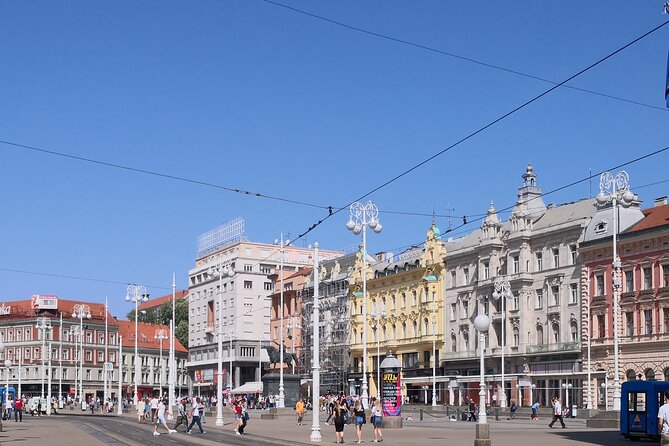
At $65.53 per person for a 2–3 hour guided walk, this isn’t the cheapest thing in Zagreb. But the value is in execution: you get a costumed guide, structured storytelling tied to real locations, and a small-group, private format for your group. That’s not just “a guide with a headset.” It’s a narrative tour designed to make you understand why specific addresses matter.
You’ll also see that the tour includes outdoor stops with free admission tickets listed per stop—so you’re not hit with museum entry fees along the way. The optional liqueur tasting includes alcoholic beverages as part of that add-on, and it’s handled via reservation.
Two practical considerations for value:
- If you’re price-sensitive, decide early whether you’ll do the liqueur tasting. The main tour alone is already substantial.
- If you’re going on a day with weather uncertainty, plan for that. The experience explicitly requires good weather, so keep your schedule flexible.
Group size, pacing, and the kind of questions you’ll want
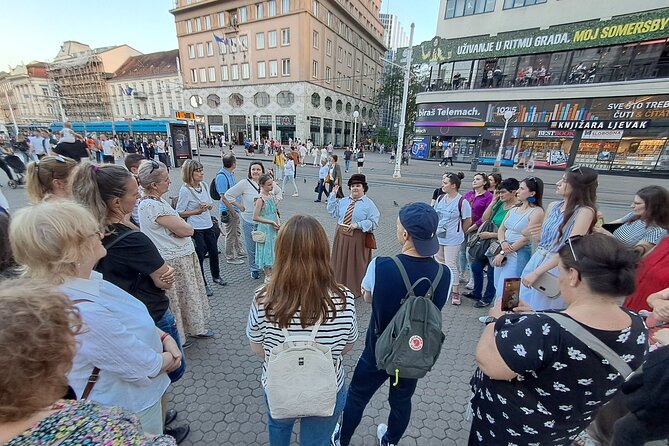
This is a small group experience with personalized attention. It’s also private, meaning only your group participates. That combination matters more than people think. Zagorka’s story has angles—women’s rights, journalism, and café culture—and if you’re in a large crowd, those connections get flattened.
Here, the guide can actually respond to questions. In a tour like this, I love asking stuff like:
- How did a women’s newspaper survive in that era?
- Why did cafés become safe meeting spaces?
- What made Zagorka’s journalism stand out?
If you want a tour where you’re not just watching, this format supports that.
My honest take on the guide experience (including Đurđica)
A key strength of this tour is the costumed, character-driven approach. One guide named Đurđica was singled out for portraying Zagorka with passion and charm, with storytelling that feels personal and powerful. That matters because the tour relies on voice and presence to connect the stops into a single narrative.
If you’re the type who enjoys history told like a human story, not a script, you’ll likely enjoy the way the guide turns street corners into scenes. It’s theatrical, but it still stays practical: you’re given enough context to understand what you’re seeing before you move on.
Who should book this tour?
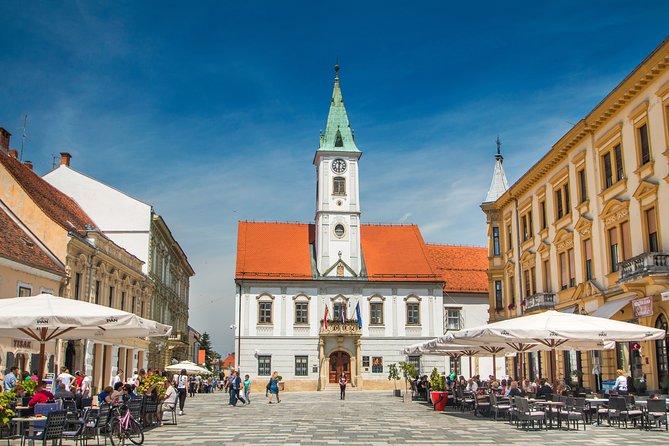
This is ideal if you:
- Like women’s history tied to real places, not only general timelines.
- Enjoy walking tours that connect culture to everyday life (café culture included).
- Want an English-led guide with time for questions.
- Prefer a structured route rather than wandering and guessing.
It may not be your best choice if you:
- Hate outdoor walking in variable weather.
- Want a purely factual museum-style experience with minimal storytelling.
- Are looking for deep indoor time at each stop.
Should you book Zagreb in Ink and Coffee?
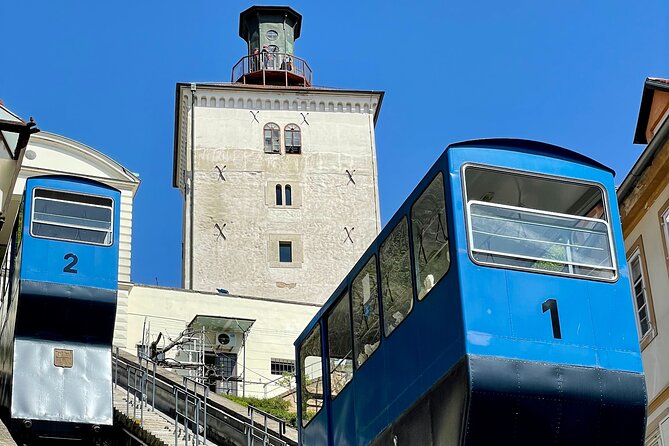
I think it’s a strong pick if you’re curious about Zagorka and want Zagreb through a feminist lens that actually reaches street level. The combination of specific locations, a costumed guide approach, and the tie-in to publishing and café culture makes it more than a themed walk.
Book it if you want to come away with a mental map of Zagreb that includes women’s voices, journalism, and the places ideas got tested over coffee. If your schedule is tight or the weather looks questionable, you’ll want a backup date in mind—but if the forecast is decent, this one delivers.
FAQ
FAQ
How long is Zagreb in Ink and Coffee?
The tour runs about 2 to 3 hours.
How much does the tour cost?
It costs $65.53 per person.
What language is the tour offered in?
The tour is offered in English.
Where does the tour start and end?
It starts at Trg Kralja Tomislava 1, Zagreb and ends at Ban Jelačić Square (Trg bana Josipa Jelačića).
Is the tour a private experience?
Yes. It’s listed as a private tour/activity, so only your group participates.
Does the tour include the liqueur tasting?
An optional guided liqueur tasting is available at House of Spirits. Alcoholic beverages are included as part of that add-on, and reservation is required.
Is the tour mostly outdoors?
The route is a walking tour through central Lower Town stops, and the itinerary includes multiple outdoor pauses. Weather matters.
What should I expect during each stop?
Each stop is structured as a short pause (about 15 minutes on most main stops) with storytelling tied to Zagorka, media, and Zagreb’s café culture.
Is good weather required?
Yes, the experience requires good weather.
Do I need to pay for admissions at the stops?
The itinerary lists admission ticket free for the stops shown. The optional liqueur tasting has its own reservation requirement.