REVIEW · ZAGREB
Zagreb: Museum of Illusions Entrance Ticket
Book on GetYourGuide →Operated by Museum of Illusions Zagreb · Bookable on GetYourGuide
Illusions are the best kind of reality check. Zagreb’s Museum of Illusions is a fun, brain-stretching walk through visual and sensory tricks, and I like the sheer variety of hands-on photo moments and the big-name hologram exhibition draw. One thing to keep in mind is that the experience can feel a bit repetitive in places, and the layout may feel messy when it’s busy with groups and kids.
This is an easy, low-stress plan for a day in Zagreb: you pre-book your entry, show your voucher at the main entrance, and spend as long as you want within your 1-day ticket window. Bring a camera, plan for lots of standing and moving, and note the basics like captions in multiple languages and that it’s not suitable for wheelchair users.
In This Review
- Key points worth knowing before you go
- Tickets, entrance, and what to do first at the Museum of Illusions
- What you’re actually buying: 70+ exhibits built around perception
- Europe’s hologram highlight: why this exhibition is worth planning for
- Gravity-defying rooms and the illusions that make you stop moving
- Mirrors, ceiling climbing, and the classic optical misdirection
- The Rotated Room: plan time for the end-of-visit photo
- The playroom: puzzles and educational games for different ages
- Crowds, repetition, and how to get the best value from 1 day
- Quick practical notes before you book
- Should you book Zagreb’s Museum of Illusions?
- FAQ
- What’s included in the Zagreb Museum of Illusions entrance ticket?
- How long is the ticket valid?
- Where do I show my voucher?
- What should I bring, and what’s not allowed?
- What languages are available for captions?
- Is the museum suitable for wheelchair users?
Key points worth knowing before you go
- Europe-scale holograms: one of the largest hologram exhibitions in Europe is a major highlight.
- Classic brain-bending rooms: gravity-defying scenes and optical setups that play with perception.
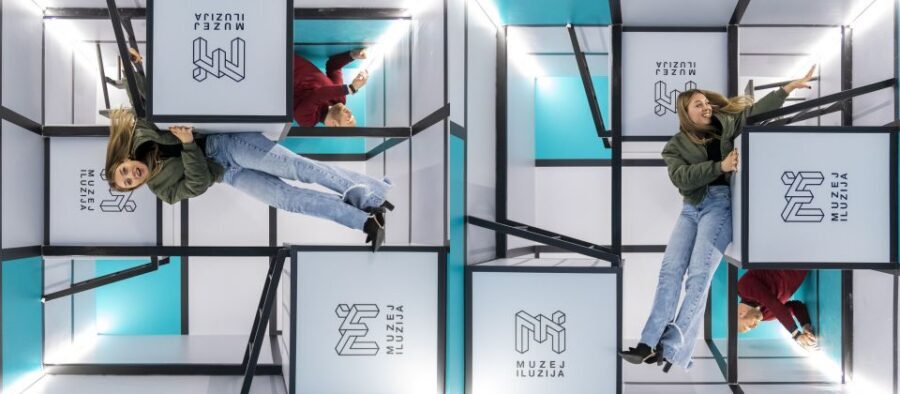
- Photo-first design: you’ll find lots of spots where posing is basically part of the exhibit.
- Maze-of-mirrors energy: expect visual tricks that can feel like a game, not a lecture.
- Playroom add-on: puzzles and educational games for people who like to test their senses.
- Rotated Room photo moment: save time for that end-of-visit photo.
Tickets, entrance, and what to do first at the Museum of Illusions
Zagreb’s Museum of Illusions is straightforward to enter. You’ll show your voucher at the museum’s main entrance, and the onsite host or greeter can help in English or Croatian.
Because your ticket is valid for 1 day, I like treating this as a no-pressure activity. You can start when you arrive, take breaks between exhibits, and slow down for the rooms that really catch your eye.
Before you walk in, pack smart. The museum suggests bringing a camera, and you’ll be standing in front of installations that are designed for close viewing and photos. Also know the rules up front: no pets and no food and drinks, and service animals are permitted.
One practical note: captions are available in English, German, Italian, and Croatian. That matters here, because a lot of the fun is understanding what your brain is doing wrong and why the illusion works.
A few more Zagreb tours and experiences worth a look



What you’re actually buying: 70+ exhibits built around perception
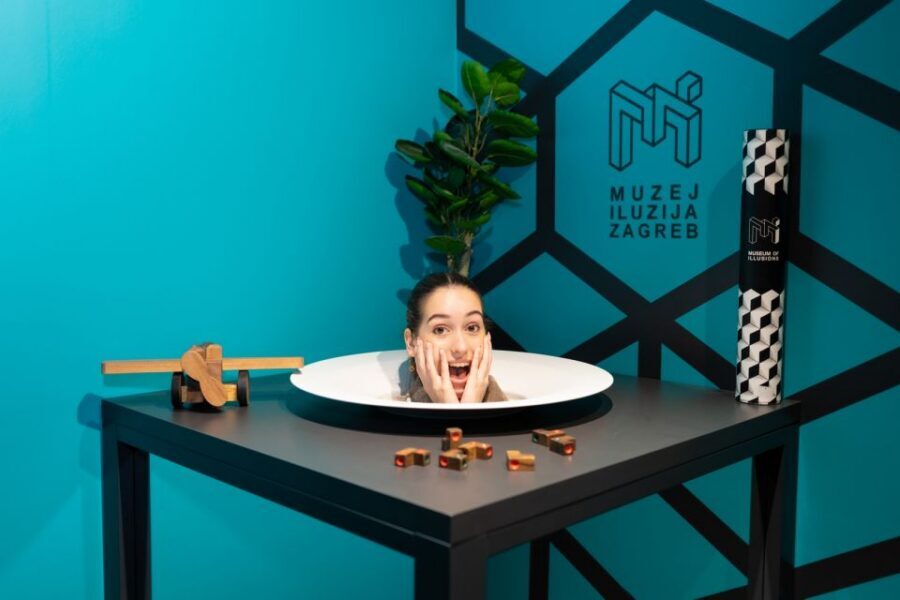
Your ticket gets you access to over 70 exhibits, and the theme is consistent: your eyes collect information, your brain interprets it, and sometimes the interpretation is the problem.
That’s why this place works for both adults and kids. The best rooms do not just show an illusion, they challenge your expectation of how the world should look, then prove you’ve been fooled by the rules your brain normally uses.
In other words, you’re not visiting a quiet gallery. You’re visiting a series of interactive installations meant to trigger wonder, curiosity, and the kind of laughter that comes from seeing your friends react in real time.
If you prefer a slow museum where you read every label, you may have to pace yourself. If you like moving, testing, and taking photos quickly, you’ll probably enjoy the flow more.
Europe’s hologram highlight: why this exhibition is worth planning for
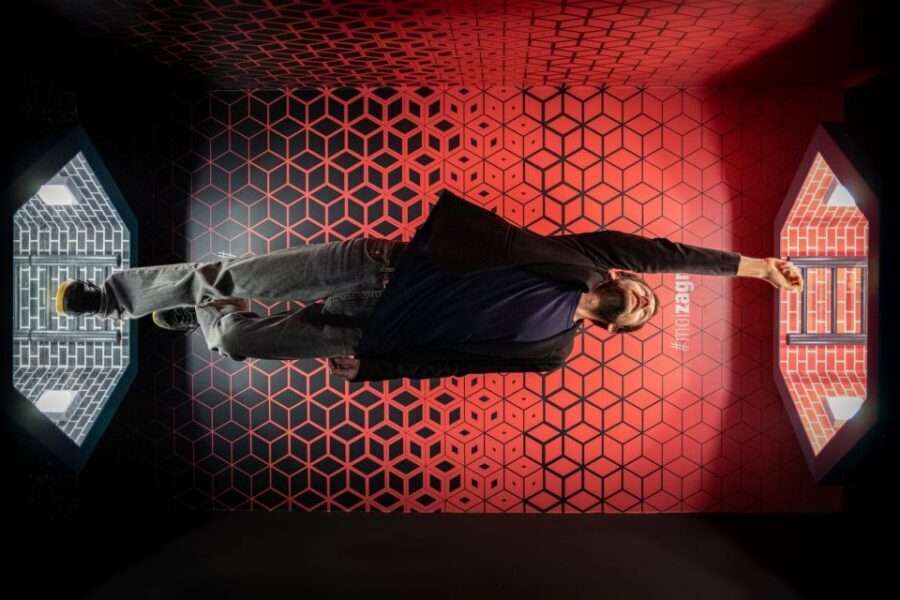
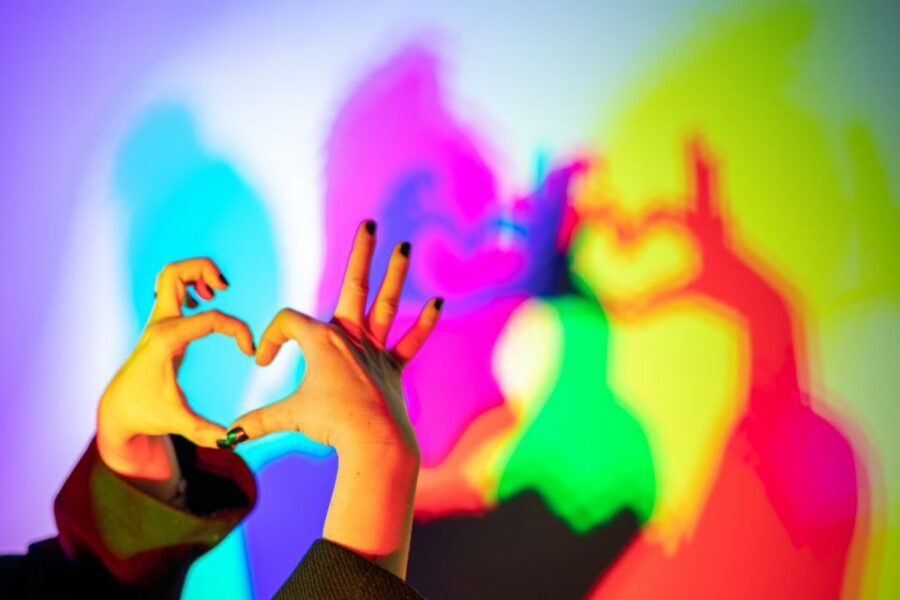
One of the headline attractions is a large hologram exhibition, described as one of the largest in Europe. Holograms can sound like a tech demo, but here the point is perception—how your brain reads depth, movement, and shape when the image is doing something tricky.
I’d treat this as your anchor exhibit. See it early enough that you’re fresh, then come back with the mindset of spotting what your brain is doing, not just what the screen is showing.
Also, hologram rooms tend to be the most “photo-friendly.” Plan for a little patience if it’s popular, because the best viewing often comes from being in the right spot at the right angle.
Gravity-defying rooms and the illusions that make you stop moving
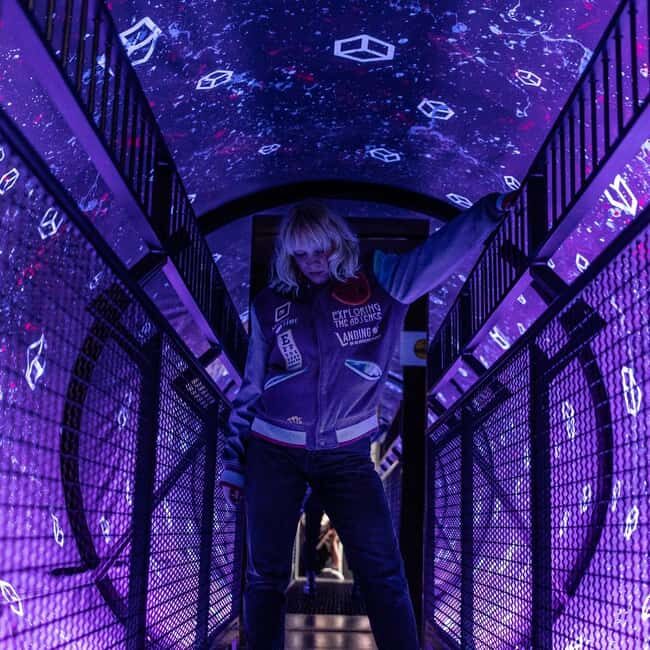
A few of the installations are the kind that make you freeze for a second and then want to test it again.
You can expect scenes that play with physics and your sense of up and down, including a room where water flows uphill. Another room uses scale tricks where you can watch someone’s size shift—friends can appear to grow or shrink right before your eyes.
These are the kinds of exhibits where a quick glance isn’t enough. The effect is strongest when you slow down and watch the whole sequence, because your brain tries to “correct” the impossible.
That’s also why this works as more than entertainment. The museum’s educational angle is basically: you’re seeing how perception works, not just what a machine can do.
Mirrors, ceiling climbing, and the classic optical misdirection
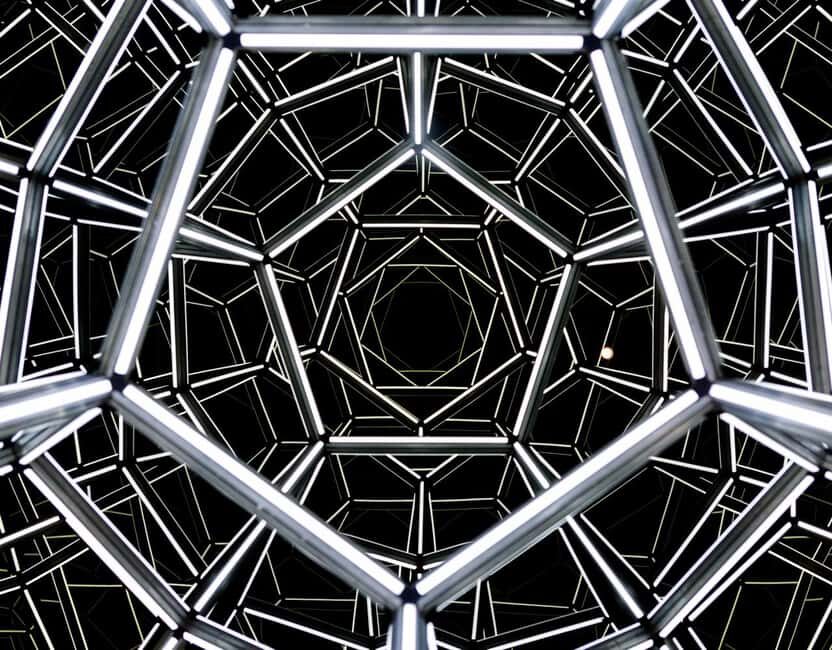
Mirrors are a major ingredient in the Museum of Illusions. Expect a maze-of-mirrors setup that turns simple movement into a visual puzzle, where it’s hard to trust what you think you’re seeing.
There are also installations that push you into the action. You may find experiences where you can climb onto the ceiling or interact in a way that makes your body part of the illusion.
One more memorable type of display is the food-plate style concept where you’re positioned to “serve” something like a head on a tray. It’s playful and it’s designed for photos, but it also reinforces the same idea: context changes what your brain thinks is real.
If you’re the kind of person who enjoys poking at visual assumptions—like why lines look bent, why shapes seem to shift, or why motion feels wrong—you’ll likely have fun. If you only want subtle, quiet art, you might find it more theatrical than you expected.
You can also read our reviews of more museum experiences in Zagreb



The Rotated Room: plan time for the end-of-visit photo
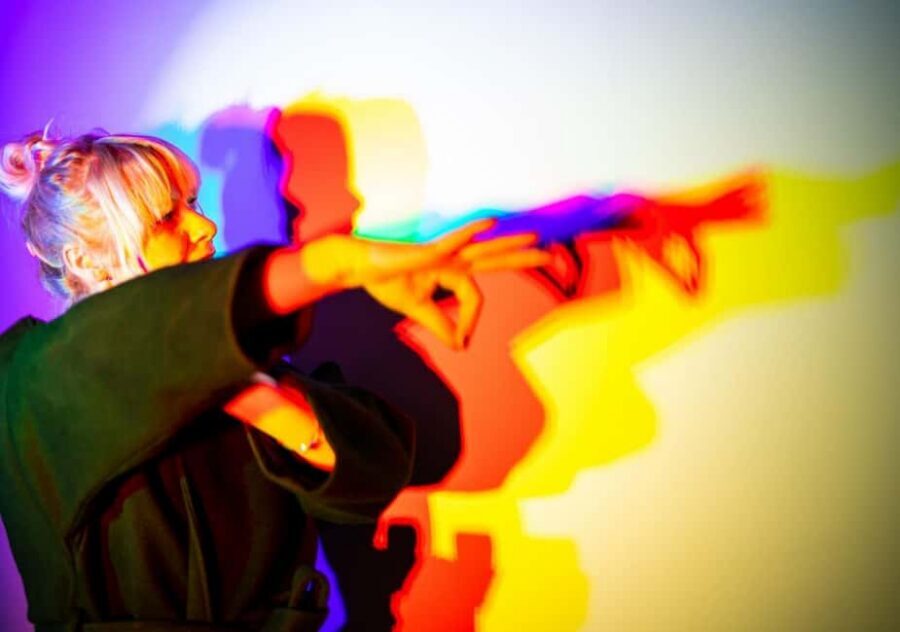
By the end of your visit, make time for the Rotated Room. The museum specifically encourages a photo of your accomplishment there, which tells you two things.
First, this is a designed moment where the illusion is meant to be experienced through posing. Second, it’s likely one of the final experiences that ties the theme together—your perception can be rotated, twisted, and corrected only by changing what you see.
If you care about getting a great picture, don’t treat it as a last-minute dash. You’ll want enough time to line up your shot and try a couple of angles.
This is also a good stopping point to reset your energy. After hours of standing and looking, a photo mission gives you a clear goal.
The playroom: puzzles and educational games for different ages
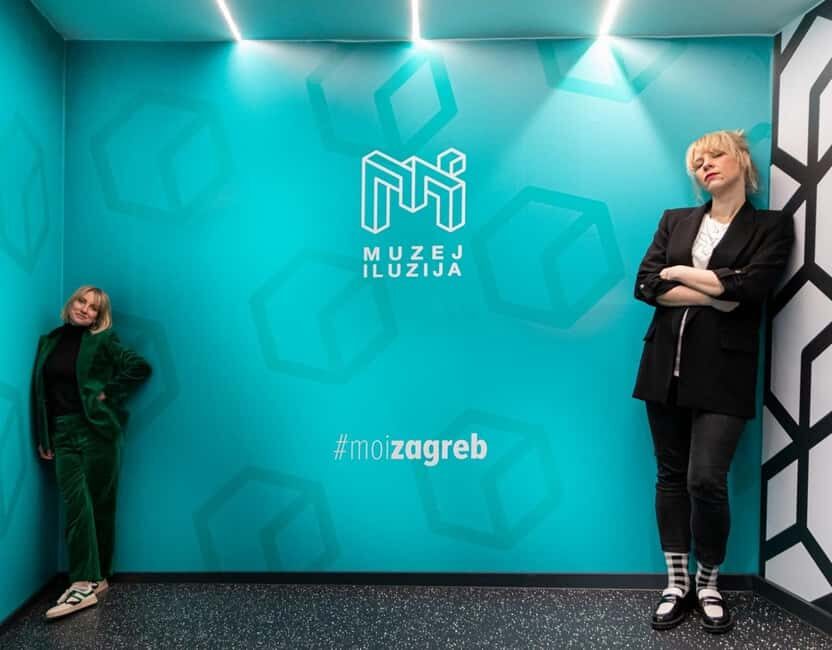
Not everything is about visual tricks. The museum also has a playroom with educational games and puzzles, aimed at turning curiosity into something you can work on.
This section is helpful because it gives your eyes and brain a break from nonstop optical illusions. It also helps if you’re visiting with kids, because not every child wants to repeat the same mirror or gravity gag over and over.
I like this balance. You can switch from “watch and react” to “do and solve,” which keeps the visit from feeling like one long photo session.
And if you’re traveling with a mix of ages, this kind of variety is a lifesaver. Everyone can find something that matches their energy level.
Crowds, repetition, and how to get the best value from 1 day
The ticket price is about $14 per person for the entry. That feels reasonable here because you’re paying for a set of interactive installations, a dedicated hologram attraction, and a full-day window to move at your pace.
That said, value depends on your expectations. One review experience highlights creativity but notes the exhibits can feel a little repetitive, and the path can feel messy when the museum is busy with kids and groups. Another negative viewpoint calls the museum too small and not great.
So here’s my practical take: if you’re expecting a sprawling museum with a strict, guided route, you might feel less satisfied. If you come ready to wander and pick favorite rooms, the experience tends to fit the mood well.
To make it feel more worth it, I’d do this:
- Pick your top two or three exhibits (the holograms and any room you’re most curious about).
- Spend more time there, and let the rest be a fun bonus.
- Treat photo stops as timed missions, not constant multitasking.
Also remember the basic movement reality. You’ll be standing and walking through multiple installations, so wear comfortable shoes and plan to take short breaks.
Quick practical notes before you book
This is not a wheelchair-friendly experience; it’s listed as not suitable for wheelchair users. If that affects your plans, you’ll want to pick an alternative activity.
The museum also has clear rules: no pets, and no food and drinks. Bring only what you need, and keep your energy for watching, posing, and experimenting with the illusions.
Captions are available in multiple languages, including English, German, Italian, and Croatian. That’s a real plus if you want to understand the science behind what’s happening instead of just treating everything like a trick.
Should you book Zagreb’s Museum of Illusions?
Book it if you want a hands-on, photo-friendly experience that plays with how your brain interprets what your eyes see. The hologram exhibition is a strong reason by itself, and the mix of gravity tricks, mirrors, and the Rotated Room makes it feel like more than a single gimmick.
Skip it or rethink if you’re expecting a large, super-organized museum layout or you don’t like interactive, stand-in-front-and-try-it settings. If you’re going during a busy time, the flow can feel chaotic, and you may notice repetition more than you’d like.
If you’re visiting Zagreb with friends, kids, or anyone who enjoys playful learning, this is a solid use of a day ticket. At around $14 per person, you’re paying for a concentrated dose of fun and perception science, with plenty of moments designed for your camera.
FAQ
What’s included in the Zagreb Museum of Illusions entrance ticket?
Your ticket includes entry to over 70 exhibits at the Museum of Illusions Zagreb.
How long is the ticket valid?
The ticket is valid for 1 day. Check available starting times for your chosen slot.
Where do I show my voucher?
Show your voucher at the museum’s main entrance.
What should I bring, and what’s not allowed?
Bring a camera. Pets, food, and drinks are not allowed. Service animals are permitted.
What languages are available for captions?
The museum offers captions in English, German, Italian, and Croatian.
Is the museum suitable for wheelchair users?
No, it’s listed as not suitable for wheelchair users.