REVIEW · ZAGREB
Zagreb – Rijeka – Opatija
Book on Viator →Operated by Nalu-Sava Transfers · Bookable on Viator
A day like this is all about contrasts: cliffs and coastline, then a food-and-craft hub steeped in history. I like that this is a private group setup, so you’re not stuck with a rigid crowd rhythm, and the first stop brings you into Opatija’s Učka foothills scenery. The pickup from Zagreb is also straightforward, so you lose less time to logistics and more time to being outside.
I also really enjoy how the Rijeka Central Market visit connects what you see on the ground to what people have called this place for centuries. Names like Tharsatica, Vitopolis, and Flumen all point to how long the city has been a crossroads along the river—meaning the market visit feels more meaningful than a quick look.
One consideration: the tour is focused on transport and time on-site, so you may find yourself wanting a bit more on-the-ground storytelling. In at least one experience, the driver was friendly and helpful, but the pacing of information wasn’t as detailed as you might hope—so I’d come with a couple questions ready, or read a little beforehand.
In This Review
- Key things to know before you go
- A private day that links Zagreb, Rijeka, and Opatija
- Kredenca Opatija: Učka foothills and a slower pace
- Timing and what you should expect on-site
- Rijeka Central Market: a river city told through food
- A quick history you can actually use while you walk
- Admission and pacing
- How the 8 to 12 hours actually plays out
- Price and value: paying for privacy, not just miles
- The car, the driver, and how to get better info
- Practical tips for a day from Zagreb to Opatija and Rijeka
- Should you book this Zagreb to Rijeka and Opatija experience?
- FAQ
- How long is the Zagreb to Rijeka and Opatija experience?
- Is this a private tour?
- Is pickup available from Zagreb?
- Is the tour offered in English?
- Are admission tickets included?
- What kind of fitness level do you need?
Key things to know before you go
- Private, group-only experience: you won’t be mixed with strangers, which makes small detours easier to discuss.
- Kredenca Opatija near Učka Nature Park: ideal for a nature pause at a calmer edge of the tourist zone.
- Rijeka Central Market with deep roots: you’ll connect the market stalls to the city’s Roman and early medieval layers.
- Driver flexibility shown in the real world: a friendly driver (Anto, in one case) can help with extra stops like a nearby beach or wine store.
- Tickets may be extra: stop 1 is listed as admission not included, so budget a bit for entry where needed.
A private day that links Zagreb, Rijeka, and Opatija
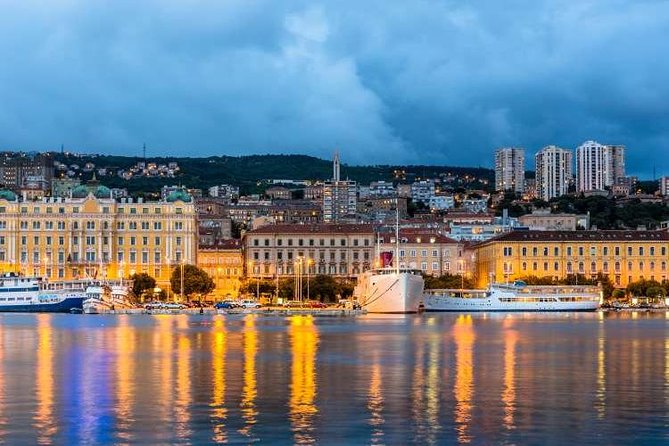
This is the kind of outing that works best when you want more than just A to B transport. You get a private day with a driver, you’re free to move at a pace that fits your group, and the route has two distinct vibes: a nature-focused stop in the Opatija area, then a city-stop that feels local—Rijeka’s Central Market.
The route also helps you see why this stretch of Croatia feels different from the long-sun, postcard-only Adriatic. You get the sub-Mediterranean side around Opatija (think slightly cooler temps and more clouds/rain than the far south), and then you shift into Rijeka’s identity as a historical port-and-river city. That contrast is the value here: you’re not just collecting views, you’re collecting context.
You can also read our reviews of more tours and experiences in Zagreb.
Kredenca Opatija: Učka foothills and a slower pace
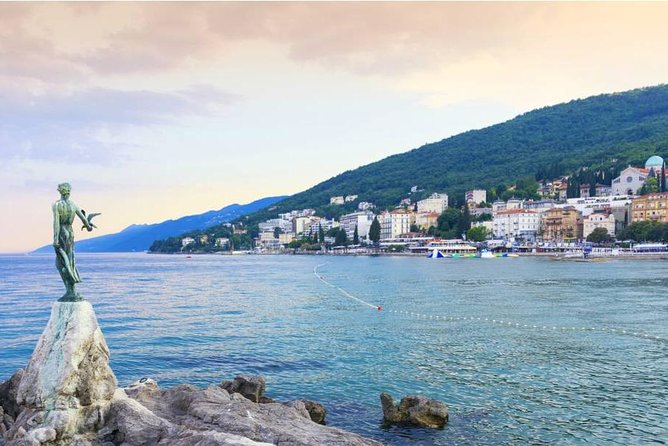
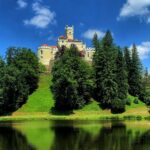
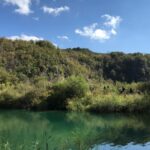
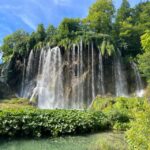
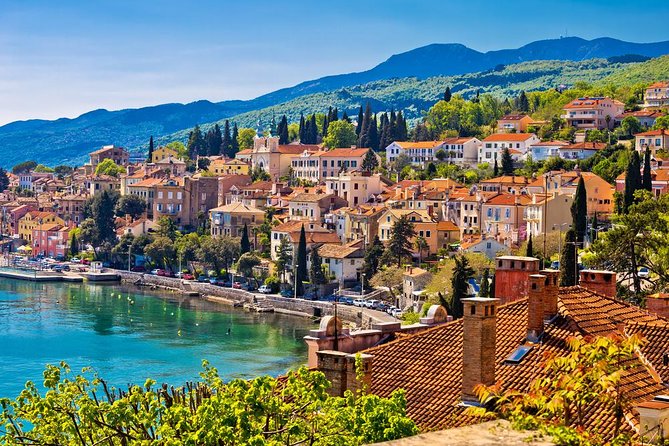
Your first stop is Kredenca Opatija, set at the foot of Učka Mountain and within the broader Nature Park area. Opatija is known for its visitor history that goes back roughly 160 years, but this stop is less about the postcard promenade and more about getting a nature-and-town feel from the edge of where the hills meet the coast.
What I like about this part of the day is the way it sets expectations. Opatija’s climate is described as sub-Mediterranean—temperatures tend to run a bit lower than in Dalmatia, and there are often more cloudy days and rainfall. That’s not a reason to skip it; it’s a reason to pack smart. Bring a light rain layer and wear shoes that handle damp ground, because walking near hillsides can get slick.
You’ll also get a sense of how Opatija relates to the wider region. The area is tied to the Liburnian zone, stretching along the coast and through the Učka and Ćićarija mountain range toward places like Rupa and Kastav. In other words: you’re not just in a tourist bubble. Even if you don’t go deep on geology, the setting quietly explains why this coast has always attracted visitors—summer escape, winter calm, and a landscape that changes fast with the weather.
Timing and what you should expect on-site
The stop is listed for about 3 hours, and admission is marked as not included. That tells me two things you should plan for:
- you’ll likely have some on-foot time (easy walking mixed with viewpoint time),
- you may need to pay a separate entry fee if a specific area or attraction requires it.
If your group is comfortable with moderate walking, this is a good start to the day. If not, you can still enjoy it by prioritizing easier paths and viewpoint moments rather than pushing for every side trail.
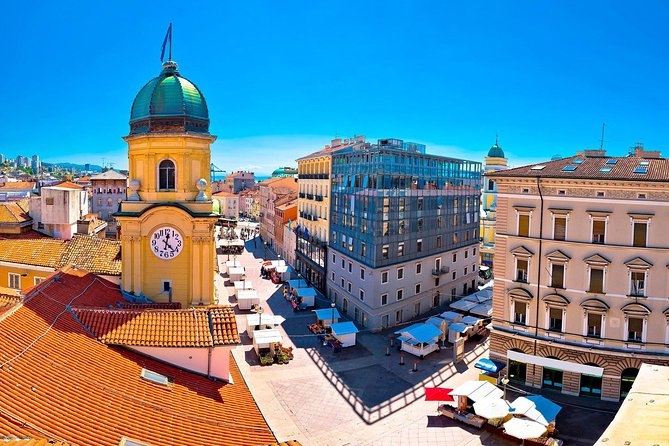
Rijeka Central Market: a river city told through food
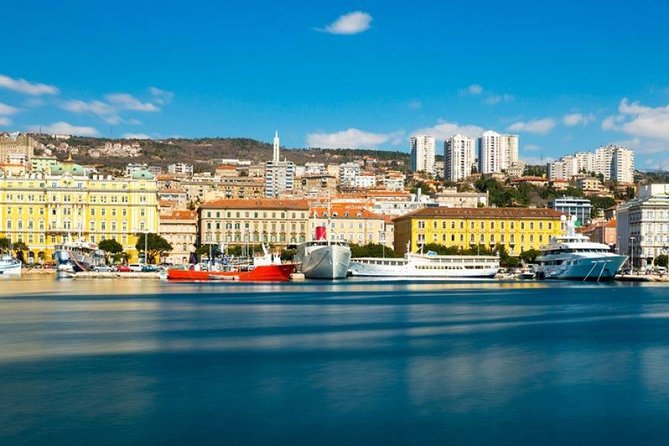
After Opatija, you head into Rijeka and make your second main stop at the Central Market. This is where the tour shifts from scenery to everyday life, and it’s also where the history gets interesting fast.
Rijeka has been called many names, and the tour framing leans into that. The city has ties to:
- Tharsatica (earlier Celtic settlement linked to modern Trsat),
- Vitopolis (city of Saint Vito),
- Flumen (Latin for river),
and even different local and foreign versions—Italian Fiume, German Sankt Veit am Pflaum, Slovene Reka.
The key idea I’d take from this: this city’s identity is tied to water and movement. The “river” theme isn’t just trivia; it helps explain why Rijeka has historically acted like a meeting point—Roman rebuilding, medieval fortifications, and long stretches under different powers.
A quick history you can actually use while you walk
Here’s the short version of what you can keep in your head while you browse stalls and local goods:
- Early modern settlements are traced to Celtic Tharsatica and the Liburni mariners in the natural harbour below.
- Romans rebuilt Tharsatica into a municipium Flumen, tied to the nearby Rječina river.
- From the 4th century onward, the city was rededicated to St. Vitus, which is why the name Vitopolis shows up.
- The city kept layers: Frankish attack on Trsat, rule changes across kingdoms and empires, and rebuilding under the Frankopans.
- In 1288, Rijeka citizens signed the Law codex of Vinodol, noted as one of Europe’s oldest law codes.
You don’t need to memorize this to enjoy the market. But having the storyline makes the browsing feel less like just shopping and more like walking through a city that has long been shaped by trade, ports, and river routes.


Admission and pacing
The market stop is also listed for about 3 hours, and admission is noted as not included. In a market context, that usually means you’re paying if you want specific activities or guided components—not a general entry fee. Still, I’d bring a bit of cash or card for snacks, local specialties, and any small purchases you want.
How the 8 to 12 hours actually plays out
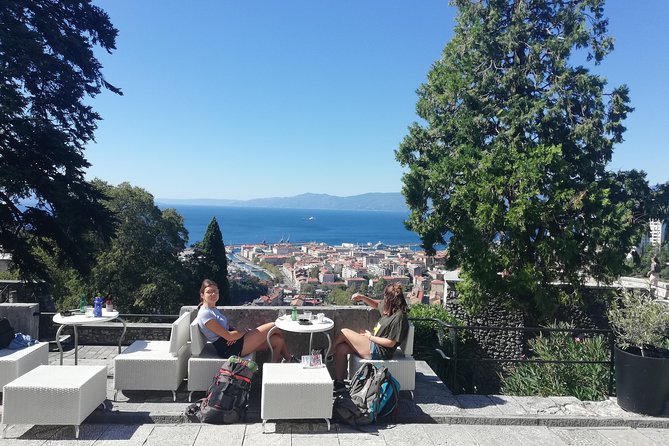
The overall duration is listed as 8 to 12 hours, which is a big window on purpose—this kind of route depends on pickup distance, traffic, and how much time your group wants at each stop.
What you can reasonably plan for:
- time spent at Kredenca Opatija (about 3 hours),
- time spent at Rijeka Central Market (about 3 hours),
- plus the driving time and any “in-between” breaks.
This timing structure is good for people who want a full day without turning it into a marathon. It’s not one of those trips where you get dropped for 45 minutes and rushed out. You’ll have enough time to slow down and actually see the places, even if your group isn’t speed-walking through everything.
Also, the tour notes mention a moderate physical fitness level. That’s usually a clue that at least part of the day has some walking on uneven ground (especially around nature or viewpoint areas). For me, this is where shoes and layers matter more than athletic ability.
Price and value: paying for privacy, not just miles
The price is listed as $650.91 per group, up to 8 people. At first glance that can sound steep—until you break down what you’re paying for.
You’re not paying for a seat on a big bus. You’re paying for:
- a private setup restricted to your group,
- pickup offered (and Zagreb pickup is listed as free),
- English availability,
- and time designed around two meaningful stops rather than a long string of fast photo stops.
If you’re traveling as a pair or small family, the per-person cost will be higher than a shared tour. If you’re a group of four to eight, it can start to feel more like a smart way to buy flexibility. And flexibility matters here: one experience included extra kindness from the driver, like taking the group to a beach near Opatija after the tour, plus a stop at a wine store on the way back when the request came up.
That kind of day-smoothing is hard to get on fixed, no-questions-asked itineraries. Here, the private structure makes it easier to adjust the day to what your group actually wants.
The car, the driver, and how to get better info
One small detail from a real-world experience stands out: the car was nice and clean, and the driver—named Anto—was friendly and service-minded. That may sound basic, but comfort and attitude are a huge part of a day like this, especially when you’re sitting through driving time between coast and city.
There’s also a useful caveat. In that same experience, the feedback was that the driver could provide more information about the places. That doesn’t mean you’ll be left guessing. It means you should treat this as transport plus time, not a fully scripted, deep-dive lecture.
My practical suggestion: come with 2–3 questions. For Kredenca/Opatija, ask what to look for in the Učka foothills and what kind of weather changes to expect. For Rijeka Central Market, ask how the different historical names connect to the city’s river and patron saint identity. If you’re curious, you’ll get a better day.
Practical tips for a day from Zagreb to Opatija and Rijeka
If I were planning this day, I’d pack for two climates: coastal and hillside.
- Bring a light rain layer. Opatija’s sub-Mediterranean climate can mean more clouds and rainfall than you expect if you’ve only based your mental weather on Dalmatia.
- Wear comfortable shoes with grip. Kredenca’s setting near Učka foothills suggests uneven ground and damp spots are possible.
- Budget time for snacks at the market. Even if you don’t buy much, you’ll likely want a quick bite while you’re there.
- Plan for tickets as needed. Stop 1 specifically notes admission not included, so it’s smart to have a little extra money set aside.
For groups, this day works especially well for:
- friends sharing costs,
- couples who want a private pace,
- people who like city-market browsing with a side of historic storytelling,
- travelers who want a nature moment without losing the convenience of a guided day structure.
Should you book this Zagreb to Rijeka and Opatija experience?
Book it if you want:
- a private, group-only outing with English support,
- solid time at Kredenca Opatija and Rijeka Central Market rather than rushed stops,
- and the chance to adapt the day with a friendly driver.
Skip it (or pair it with extra reading) if:
- you need heavy, formal, lecture-style guiding and lots of specific details at every moment,
- your group doesn’t like any walking at nature-adjacent sites,
- or you dislike planning around possible extra entry costs for specific stops.
For most people doing a first or second visit to this region, this is a good value use of time—because it mixes nature, coastal identity, and a market that feels tied to place, not just to shopping.
FAQ
How long is the Zagreb to Rijeka and Opatija experience?
The duration is listed as about 8 to 12 hours overall. Each main stop is listed at around 3 hours.
Is this a private tour?
Yes. It’s a private tour/activity, and only your group participates.
Is pickup available from Zagreb?
Yes. Pickup is offered, and the pickup price for Zagreb is free. Pickup from other locations in Croatia is also available.
Is the tour offered in English?
Yes. The experience is offered in English.
Are admission tickets included?
Not always. Admission ticket is not included for the Kredenca Opatija stop (and the market stop is also noted as admission ticket not included).
What kind of fitness level do you need?
The experience notes a moderate physical fitness level, so expect some walking, including at the nature-adjacent Opatija area.