REVIEW · ZAGREB
Zagreb to Dubrovnik via Plitvice Lakes NP, Split & Mostar: 3 – Day Private Tour
Book on Viator →Operated by Mapping Croatia · Bookable on Viator
Three days, four UNESCO stops, one private car. This Zagreb to Dubrovnik experience is interesting because it’s built around major sights without making you babysit directions, timing, or ticket details, in a private car with an English-speaking guide. On top of big scenery, you get classic stops like Rastoke’s watermills, Plitvice Lakes’ boat-and-train route, and the Old Bridge area in Mostar, plus drop-off in Dubrovnik where you can start walking the walled city fast. In past departures, guides such as Tomislav and Lea have shown up in the details that make a tight schedule feel human.
What I like most is the door-to-door pickup style logistics—no crowded bus shuffle, just ride, short breaks, and time on the ground. I also like the way Plitvice is handled: a structured walk through terraced lakes with a boat ride and a panoramic train ride, so you don’t waste the day guessing what to do first. The only real drawback to plan for is the driving time—there’s a fair amount of sitting in the vehicle, even though you’ll break it up with meaningful stops.
In This Review
- Key Points You’ll Care About
- Zagreb to Dubrovnik in 3 Days: Why This Works
- Rastoke’s Watermills in Slunj: The Quick Stop That Feels Like a Reset
- Plitvice Lakes National Park: Terraced Waterfalls, Plus a Boat and Train
- Arriving in Split: Real Time to Reset Before Day 2
- Klis Fortress: Views Above Split Without the Full-Day Commitment
- Trogir: UNESCO Streets, Churches, and Palaces in a Compact Old City
- Mostar’s Old Bridge Area: Ottoman-Style Streets and a Big Cultural Intersection
- Dubrovnik Drop-Off by Hotel or Cruise Port: Starting Your Walled-City Walk
- Time in the Car: The Trade You’re Paying for Convenience
- Price and What You’re Really Buying
- Who This Tour Suits Best (And Who Might Want to Think Twice)
- Should You Book This Zagreb to Dubrovnik Private Tour?
- FAQ
- How long is the Zagreb to Dubrovnik private tour?
- Where are you picking me up in Zagreb?
- Is this a private tour or shared with other people?
- What’s included in the tour besides transportation?
- Which UNESCO World Heritage Sites are included?
- Do I need to buy tickets for Plitvice Lakes National Park?
- Is Klis Fortress admission included?
- Where will I be dropped off in Dubrovnik?
- Is free cancellation available?
Key Points You’ll Care About
- Private, air-conditioned transport keeps the long route comfortable and cuts down on logistics stress.
- Four UNESCO World Heritage Sites are packed into three days, so you get more big hits per day.
- Rastoke + Plitvice gives you both a small historic river village and Croatia’s signature lake system.
- Plitvice includes a boat ride and panoramic train ride, not just a long walk.
- Split and Trogir are a smart pairing: fortress views in the morning, then UNESCO old-city streets later.
- Mostar’s Old Bridge area is a focused, walkable cultural stop before you roll into Dubrovnik.
Zagreb to Dubrovnik in 3 Days: Why This Works
This tour is built for people who want to see Croatia’s highlights fast without feeling rushed in the wrong way. You’re not doing a DIY road trip where you’re constantly checking maps, rerouting around traffic, or trying to interpret where the sights are relative to your lodging.
The payoff is a very clear rhythm: pickup in Zagreb, a full nature day at Plitvice, a historical-and-coastal day anchored by Split and Trogir, then Bosnia and Herzegovina for Mostar before ending in Dubrovnik. Even though the route covers a lot of ground, the plan is designed to get you moving on foot during the moments that actually deserve your attention.
You can also read our reviews of more tours and experiences in Zagreb.
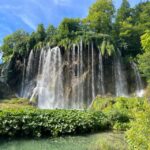

Rastoke’s Watermills in Slunj: The Quick Stop That Feels Like a Reset
Rastoke is the kind of place that works well as a break stop. You get about 30 minutes, which is short, but it’s long enough to take in the core idea: a historic watermill village built where the Slunjčica River flows into the Korana River, forming waterfalls and small lakes along the way.
It also has a “past and present” feel. The traditional architecture you see was damaged during the Homeland War, and locals have been encouraged to preserve and renovate parts of it because the village matters ethnologically and environmentally. That adds weight to what could otherwise be a simple photo stop.
Practical note: Rastoke’s admission is free on this plan, so you can spend time looking around without worrying about buying a timed ticket.
Plitvice Lakes National Park: Terraced Waterfalls, Plus a Boat and Train
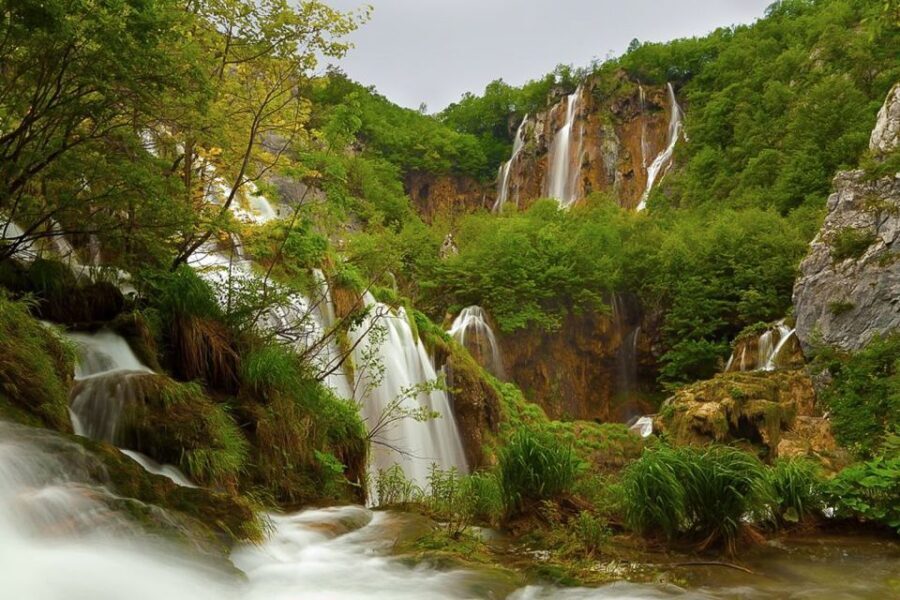
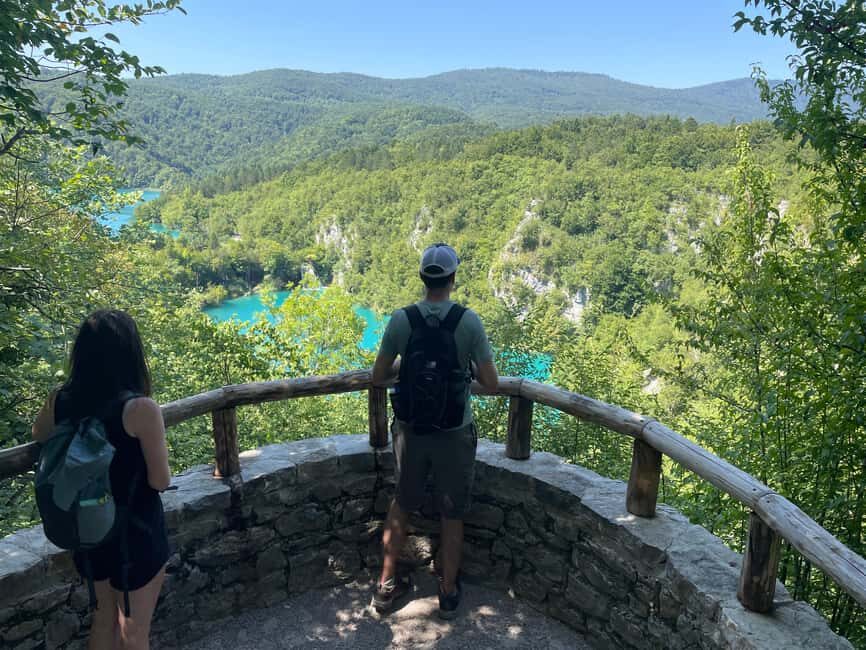
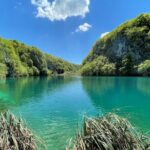
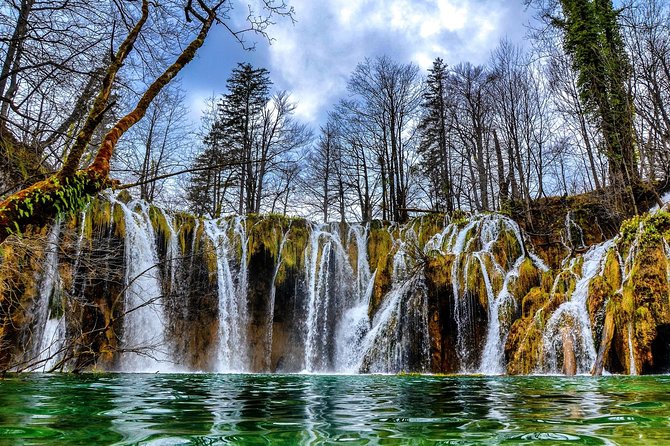
Plitvice Lakes National Park is where the trip flexes. This is the oldest and most visited Croatian national park, and you’re given a route that hits the iconic look: a walk through a series of 16 terraced lakes connected by waterfalls. It’s scenic, but the structure matters—terraces give you repeated viewpoints rather than one long, flat trail.
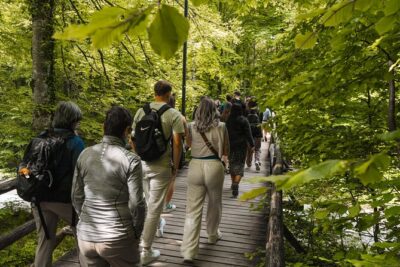
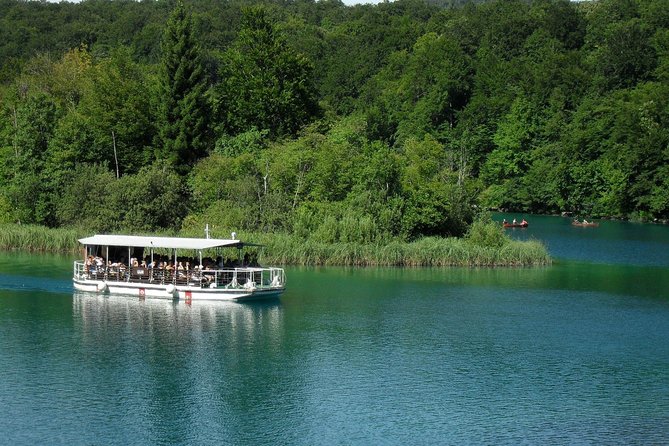
You also get a boat ride across the lake and a panoramic train ride. That’s a big value because it breaks up the walking and changes your perspective without requiring extra planning on your side. You’re not just standing in one place for waterfalls; you’re moving between vantage points.
What to expect from the timing: you’ll have about 3.5 hours here, and that usually lands you in the sweet spot between too-short and too-slow. If you’re the type who likes to stop for photos and take it in at an easy pace, this window usually works well.
Admission to Plitvice is not included, but once you’re in, the included activities (the walk route plus boat and panoramic train ride) are what make the day feel like more than just a transfer stop. Afterward, your guide can recommend a traditional Croatian restaurant for lunch, which is a helpful way to avoid decision fatigue after a hike.
Arriving in Split: Real Time to Reset Before Day 2
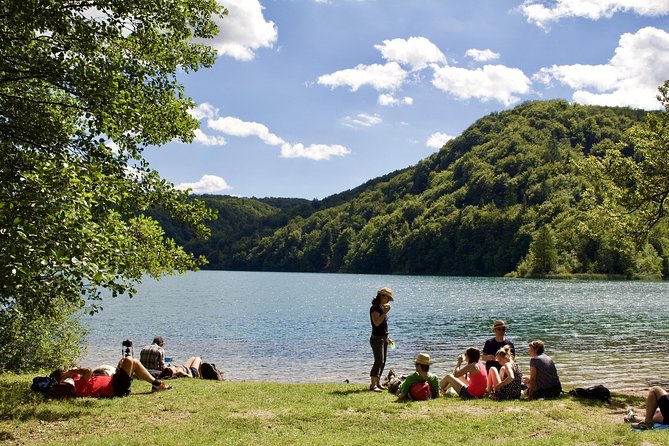
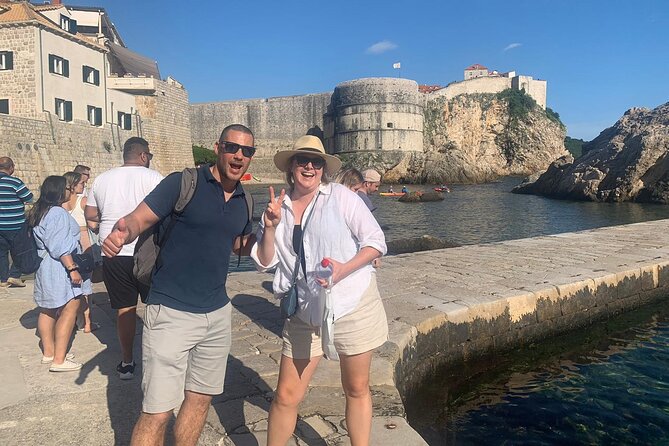
After Plitvice, the plan shifts from nature to cities and coast. You’ll check into your accommodation in Split, then have a free evening to wander or grab dinner.
That free time matters more than it sounds. When you’re traveling by private car across long distances, it’s easy to keep your brain in “transit mode.” This evening gives you a chance to slow down, take a walk, and get oriented so that the next morning doesn’t feel like another sprint.
If you want a simple tactic: pick one small area to explore, rather than trying to cover Split in one night. Your second day already includes its own major stops, so staying selective helps.
Klis Fortress: Views Above Split Without the Full-Day Commitment
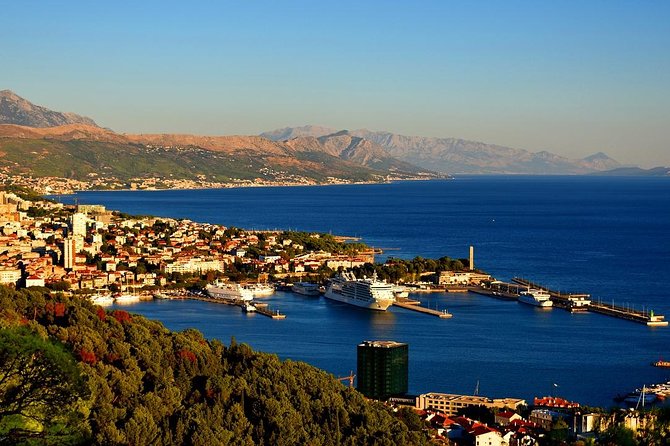
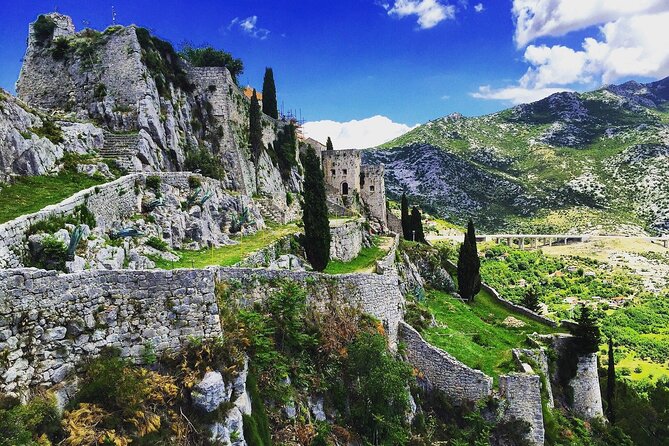
Day 2 starts with Klis Fortress. You’ll drive up early, then explore the ancient walls and towers from a height that gives panoramic views of the coastline and surrounding area. The point here isn’t to turn it into a museum marathon—it’s to get the big-sight viewpoint and understand why this spot mattered defensively across centuries.
You get about an hour at Klis. That’s perfect for fitting fortress views into a multi-stop day without draining the rest of your daylight. Just remember: an hour in elevated outdoor spaces often means you’ll want comfortable shoes and a light layer for breeze and shade changes.
Klis Fortress entrance fee is not included, so you’ll likely need to budget for that once you’re there.




Trogir: UNESCO Streets, Churches, and Palaces in a Compact Old City
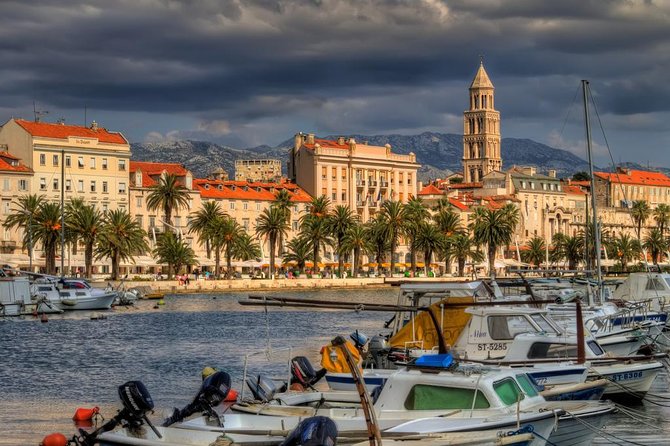
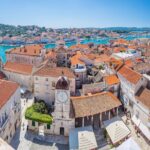
After Klis, you’ll head to Trogir, a preserved medieval city on a small island. Trogir is recognized as a UNESCO World Heritage Site, and what you’ll feel right away is the continuity: a street plan dating back to the Hellenistic period, plus Romanesque churches and Renaissance and Baroque buildings.
Trogir works especially well if you like walking through narrow cobbled streets where the city plan tells a story. The buildings reflect different eras without feeling like different cities stacked on top of each other. You can spend time looking at palaces and sacred architecture at a slow pace, which is exactly what you want on a day that otherwise includes more driving.
You’ll have around 2 hours here. After that, your guide drops you off at your hotel or in Split Old Town, and the rest of your afternoon is for free time. I like that layout because it gives you the option to focus on what you personally care about—sea views, market energy, or just a long coffee while you watch daily life pass.
Mostar’s Old Bridge Area: Ottoman-Style Streets and a Big Cultural Intersection
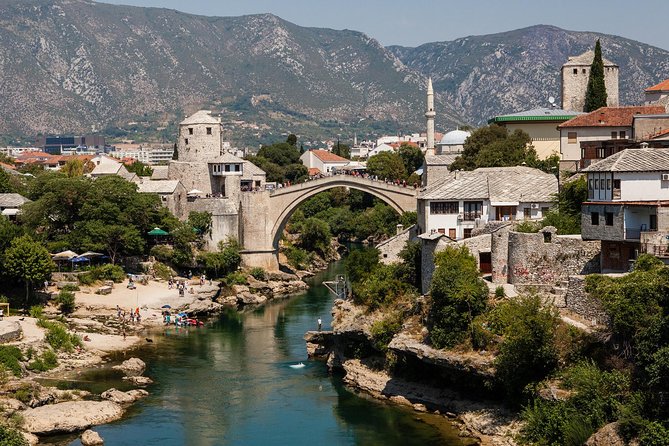
Day 3 turns toward Bosnia and Herzegovina to Mostar. Mostar is known for the Ottoman-style Old Bridge (Stari Most), and the Old Bridge area is a strong stop if you want a distinct shift from Croatia’s coast-and-lakes vibe.
What you’ll do here is a walking focus around the Old Bridge area. You get cobbled streets, with architectural influences that mix pre-Ottoman, Ottoman, Mediterranean, and western European elements. That contrast is not just aesthetic—it’s part of how the city grew and what it absorbed.
You also get time for the kind of small, human experiences that make a historical town feel lived in: browsing a colorful bazaar, drinking Turkish coffee in riverside cafes, and tasting ćevapi, a local specialty. This is where the “private tour” thing pays off—your guide can steer you toward options that fit your pace and preferences instead of dumping you into a crowd and hoping for the best.
About time: you’ll have roughly 3 hours in Mostar. That’s enough for a genuine walk and a couple of stops without turning the city into a checklist.
Dubrovnik Drop-Off by Hotel or Cruise Port: Starting Your Walled-City Walk
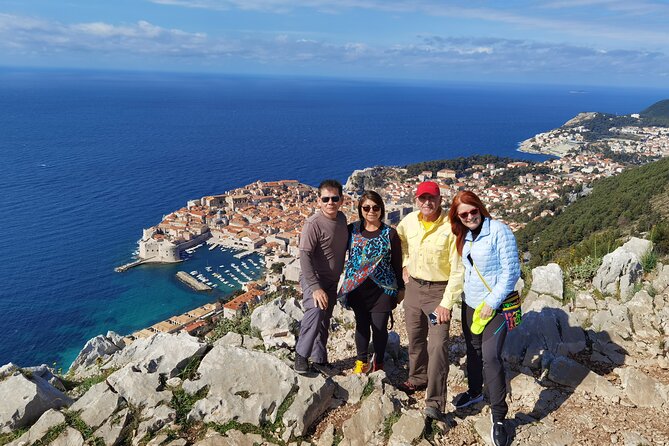
In the afternoon, you reach Dubrovnik, famous for its untouched walled city, recognized as UNESCO World Heritage Site since 1979. You’ll be dropped off at your hotel or in Dubrovnik Cruise Port depending on what your plan needs.
This is a smart ending point because Dubrovnik is easiest when you can step out and start moving immediately. Once you arrive, the biggest question becomes simple: where do you want to begin your first walk—inside the walls, toward a viewpoint, or straight toward dinner.
You’ll have about an hour for this final transfer window on this plan. It’s short on purpose. Dubrovnik is the kind of place where planning is better than rushing, and the best use of that time is to get you parked at the right doorstep.
Time in the Car: The Trade You’re Paying for Convenience
Let’s be real: you will spend a fair amount of time in the vehicle. That’s not a knock—it’s just what happens on a long south-to-south route packed into three days.
The good part is that you’re doing it in a private air-conditioned car with pickup and drop-off, not bouncing between shared vans and crowded buses. You can nap, recharge, and arrive at each stop with energy instead of starting the day already tired from logistics.
The practical consideration: if you’re prone to motion discomfort, it’s worth packing what you need and planning for frequent water breaks during longer drive segments. The itinerary does include activity stops that reset your legs and attention, so you’re not stuck in transit for the entire trip—but it’s still a factor.
Price and What You’re Really Buying
At $1,023.50 per person, this is not a budget day trip. You’re paying for a few specific things that add real value:
- Private transportation in an air-conditioned vehicle across multiple regions
- An English-speaking private tour leader for the full experience period
- Pickup in Zagreb and drop-off in Dubrovnik, including a planned handoff into Split
- Access to major sights through smart routing (plus the Plitvice boat and panoramic train components once you’re in)
What’s not included is also important: Plitvice Lakes NP entrance fee and Klis Fortress entrance fee are separate. So you should expect to add those costs on top.
From a value angle, this price makes the most sense if you care about time, comfort, and reducing planning overhead. If you love road trips and enjoy figuring things out yourself, a DIY approach might cost less. But you’d be trading that comfort and tight routing for extra work.
Who This Tour Suits Best (And Who Might Want to Think Twice)
This private route is a good match if you want a compact, high-impact Croatia-and-Bosnia experience: lakes, fort views, UNESCO old cities, then Dubrovnik walls. It’s especially good for couples or friends who want the benefits of a tailored pace without the stress of coordinating multiple tickets and transfers.
It’s also ideal if you prefer a guided structure for big nature days like Plitvice. The boat ride and train option are the kind of details that can turn into decision stress if you’re doing everything on your own.
The main reason to think twice is the car time. If you really want minimal driving and more time in fewer places, you might feel squeezed by the “see a lot” nature of this plan.
Should You Book This Zagreb to Dubrovnik Private Tour?
Book it if your priority is maximum sight coverage with minimal logistics hassle. The combination of Plitvice Lakes with boat and panoramic train, UNESCO stops across nature and city life, and a guided flow that ends in Dubrovnik makes this a strong choice for a first-time Croatia visitor with limited days.
Skip it or consider a different format if you hate long drives. The itinerary is built for movement—so if you want slow travel, you’ll likely feel the schedule pressure.
If you do book: plan to pack comfortable shoes for walks at Plitvice and Mostar, expect separate payments for Plitvice and Klis entrances, and keep one evening in Split more relaxed than ambitious.
FAQ
How long is the Zagreb to Dubrovnik private tour?
It’s planned for 3 days (approx.).
Where are you picking me up in Zagreb?
You’ll be picked up from your accommodation in Zagreb. You’ll need to provide your hotel name or private accommodation address.
Is this a private tour or shared with other people?
This is a private tour/activity, so only your group participates.
What’s included in the tour besides transportation?
You get an experienced English-speaking private tour leader during the entire tour, air-conditioned private transportation, and drop-off in Dubrovnik. A mobile ticket is also included.
Which UNESCO World Heritage Sites are included?
The tour highlights visits to UNESCO World Heritage Sites including Plitvice Lakes National Park, Trogir, the Old Bridge Area in Mostar, and the Old City of Dubrovnik.
Do I need to buy tickets for Plitvice Lakes National Park?
Yes. The entrance fee for Plitvice Lakes NP is not included.
Is Klis Fortress admission included?
No. The entrance fee for Klis Fortress is not included.
Where will I be dropped off in Dubrovnik?
You’ll be dropped off at your hotel or in Dubrovnik Cruise Port.
Is free cancellation available?
Yes, you can cancel for free up to 24 hours in advance for a full refund.