REVIEW · ZAGREB
Croatian cuisine cooking class with Dolac market tour
Book on Viator →Operated by Zagreb Gourmet Experience, vl. Karmela Karlovic · Bookable on Viator
Dolac to dinner in one morning. This small-group class turns a market stroll into a hands-on three-course cooking lesson. You’ll learn the why behind Croatian flavors, then sit down to eat what you made.
I especially like two things: the step-by-step guidance through a full starter-main-dessert menu, and the pairing with Croatian wine as part of lunch.
One thing to consider: there’s no hotel pickup, and you start at 10:00 am near Ban Jelačić Square, so timing matters.
In This Review
- Key highlights (quick read)
- Price and logistics: what makes this class worth $156.53
- Dolac Market stroll: Zagreb’s food marketplace lesson plan
- The short walk to the studio: why that five-minute transfer matters
- Cooking three traditional dishes: how the menu works
- Wine pairing with your meal
- Inside the class with Karmela: hands-on, casual, and actually organized
- A fun detail: a real-home vibe
- What you’ll bring home: skills, not just recipes
- Who should book this Zagreb market-to-kitchen experience
- Possible drawbacks (so you’re not surprised)
- Should you book this Dolac-to-cooking class?
- FAQ
- What is the duration of the Croatian cuisine cooking class with Dolac market tour?
- What time does it start, and where do I meet?
- How many people are in the group?
- What dishes will I cook and eat?
- Is wine included?
- Is the tour offered in English?
Key highlights (quick read)
- Dolac Market first: you get context on ingredients and local buying habits before you cook
- Small group, max 12: more attention while you’re chopping, stuffing, and cooking
- Three-region menu: a starter, main, and dessert from across Croatia
- Real lunch, not just demos: you eat what you cook, plus you’ll have wine
- Led by Karmela: a friendly host who ties the food to places and people around Zagreb
Price and logistics: what makes this class worth $156.53
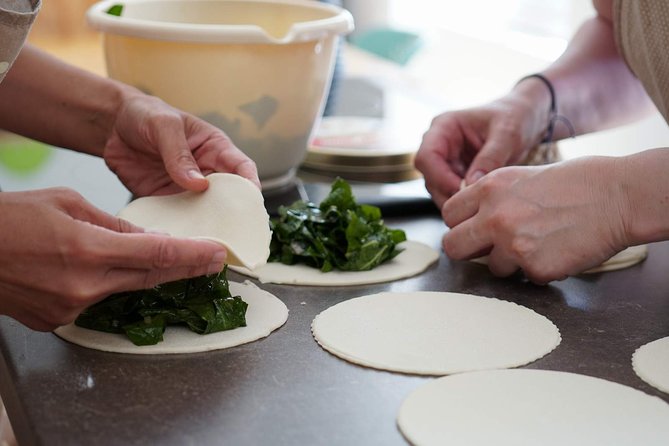
At about $156.53 per person for roughly four hours, this isn’t a cheap snack-and-watch type of activity. You’re paying for three big things: guided access to Dolac Market, hands-on cooking instruction, and a sit-down lunch (plus wine) that you actually prepare.
Also, you’re not stuck on a bus loop. The day is built around a walk-friendly center of Zagreb. The meeting point is Ban Jelačić Square (Trg bana Josipa Jelačića), right where you’ll be anyway if you’re doing central sightseeing. The class ends back at the same meeting point, which keeps the day simple.
One practical note: because there’s no hotel pickup, plan to arrive a bit early and check your route to Trg bana Josipa Jelačića. Start time is 10:00 am, and you’ll want your morning un-rushed.
You can also read our reviews of more tours and experiences in Zagreb.



Dolac Market stroll: Zagreb’s food marketplace lesson plan
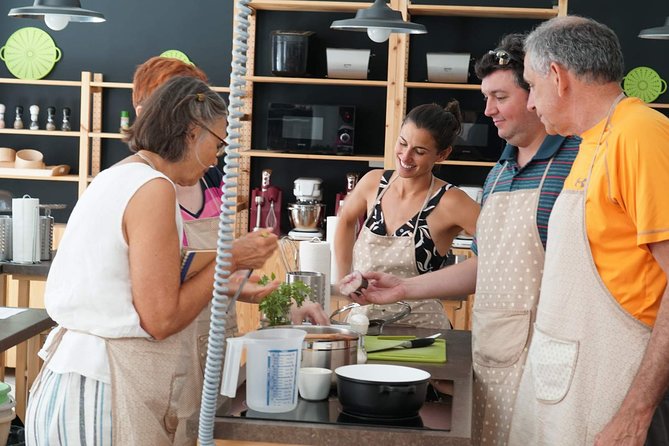
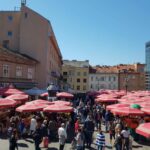
Dolac is one of the places you go to understand how Zagreb eats. It’s also a smart start for this kind of class because the market isn’t treated like a photo backdrop—it’s where the ingredients get meaning.
In a guided walk, you’ll look at traditional products and get stories about vendors and what’s typical to buy here. The goal isn’t to memorize stall names. It’s to learn how locals think about seasons, quality, and what goes into everyday cooking.
If you like food details, this stop is where the whole day clicks. You’ll be able to connect what you see—produce, prepared items, and local staples—to what you’ll later cook in the studio. It’s also a great way to get your bearings fast in the center of the city.
What to watch for as you walk: how the market offers ingredients that feel practical for home cooking, not just “restaurant-only” items. Even if you don’t buy much, you’ll come away with a clearer idea of what’s common in Croatian kitchens.
The short walk to the studio: why that five-minute transfer matters
After Dolac, you’ll take a short stroll—about five minutes—to the culinary studio. That matters more than it sounds. When the transition is quick, you avoid that awkward gap where hunger grows and people start forgetting what they were supposed to cook.
It also keeps the pace tight and friendly. You’ll likely feel like the day is one continuous flow: market context, then straight into prep and cooking. And with a small-group class capped at 12, you won’t be wedged into a crowd while you wait for instructions.
Cooking three traditional dishes: how the menu works
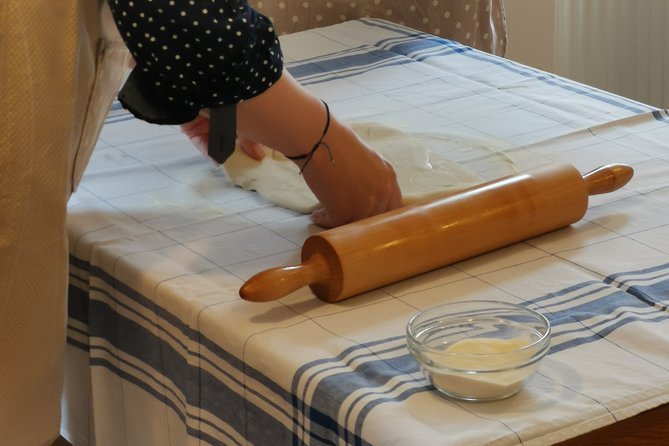
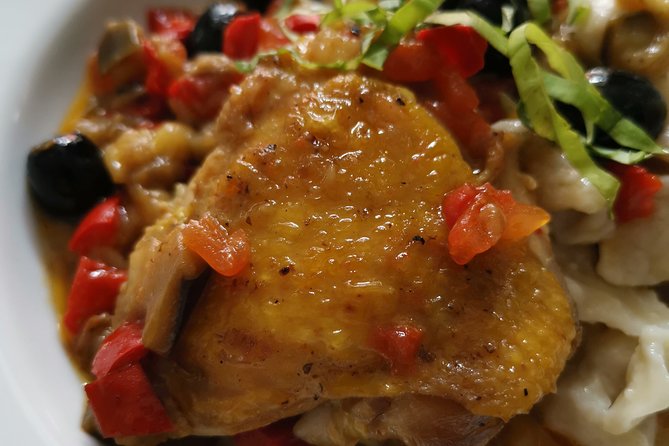
This is a real kitchen workshop, not a cooking demo. You’ll prepare three traditional Croatian dishes: a starter, a main course, and a dessert. Each dish is tied to a different region of Croatia, so you get a mini map of tastes rather than just one style of cooking.
The menu you’ll cook may include:
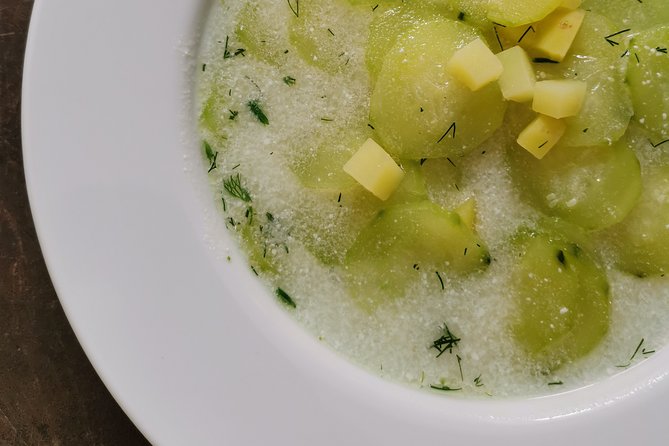
- Starter: chicken minestrone
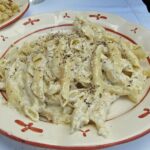
- Main: pork tenderloin stuffed with prunes in cream sauce with pasta
- Dessert: seasonal strudel
Even if you cook at home sometimes, this lineup has range. Minestrone gives you a comforting base and practical soup-building skills. The pork tenderloin with prunes in cream sauce is the kind of classic sweet-savory combination that makes Croatian cooking interesting on the plate. And strudel brings in pastry technique, plus that satisfying baked finish.
Wine pairing with your meal
Once your cooking is done, you sit down and savor the lunch you prepared. The dishes are paired with authentic Croatian wine, so the meal isn’t just food—it’s a guided taste of what works with it.
This is also where the class becomes part cultural and part social. You’re not sprinting to the next stop. You’re eating, talking, and making sense of how the recipes connect to ingredients you saw at Dolac.



Inside the class with Karmela: hands-on, casual, and actually organized
The biggest thing that comes through is how structured the instruction is. The kitchen session runs step by step, which is exactly what you want when you’re cooking three courses in one morning.
Karmela is the host and culinary expert behind the experience, and the teaching style is both relaxed and organized. In plain terms: you get enough guidance to feel confident, and you’re not watching from across the room.
Small group size (maximum 12) makes a noticeable difference. When there are fewer people, you’re more likely to get quick answers when questions pop up—whether that’s about timing, seasoning, or how to handle a pastry step.
A fun detail: a real-home vibe
The studio experience often feels personal. One of the quirky highlights people mention is that there’s a cat around during the class, hanging out while you cook. It sounds minor, but it matches the overall tone: friendly, not stiff.
If you’ve ever done a “class” where you feel like a student in a classroom, this one feels closer to cooking with someone who wants you to succeed.
What you’ll bring home: skills, not just recipes
The best kind of cooking class teaches you how to think, not just what to repeat. This one is designed around traditional recipes you can recreate back home.
What you should take away is the approach:
- how each dish is built (starter to main to dessert)
- how ingredients work together in Croatian flavor combinations
- how approachable many of these methods are when you’re guided step by step
People consistently flag that the recipes feel approachable and easy to make again at home—exactly what you want if you travel to learn and then want to keep cooking after you’re back.
Also, because the three dishes represent different regions, you’ll have a broader Croatian “palette” in your head. That helps when you’re cooking later and you’re trying to choose what kind of flavors to aim for.
Who should book this Zagreb market-to-kitchen experience
This class is a strong fit if you want more than a generic food tour. It works especially well for:
- Foodies who like hands-on learning and ingredient context
- Couples who want a shared activity that ends with a proper meal
- Families—the class format is built for participation, and kids can get involved in the process
- First-timers in Zagreb who want a morning anchor in the center of town
If you’re the type who enjoys markets but hates “standing around,” you’ll probably like the market-to-table structure. Dolac gives you the why. The studio gives you the how.
One more match: if you like traditional Croatian cooking but want recipes you can realistically redo at home, this menu is a good bet. It’s not trying to be fancy for fancy’s sake.
Possible drawbacks (so you’re not surprised)
Nothing’s perfect, so here’s what to weigh before you book:
- It’s not a private experience. It’s small-group, but you’ll cook with up to 12 people. If you want total one-on-one focus, you might prefer a private class.
- It’s centered on food. You should come ready to work in the kitchen and then eat. If you’re not comfortable with hands-on cooking, you may find it more effort than you expected.
- Timing and pickup. With no hotel pickup and a 10:00 am start near Ban Jelačić Square, you need to get there on time under your own steam.
If those points sound fine, you’re in the right place.
Should you book this Dolac-to-cooking class?
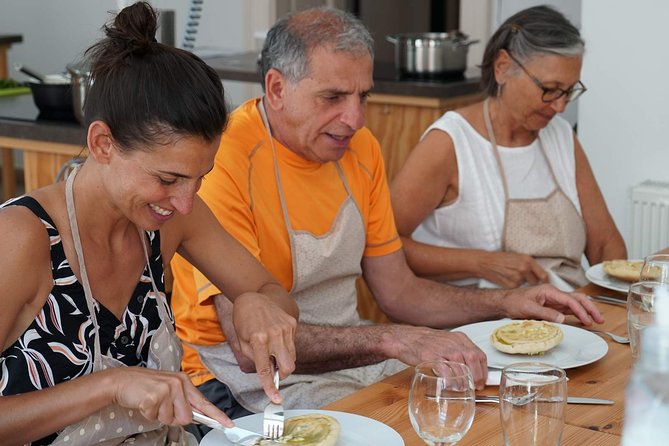
Book it if you want a Zagreb experience that’s practical, hands-on, and deeply connected to what you see in the market. The value isn’t just the meal—it’s the combination of Dolac context + guided cooking + a sit-down lunch with wine. For a four-hour block, that’s a lot of “do it, taste it, learn it,” packed into one morning.
Don’t book it if you’re only interested in light tasting, or if you’re avoiding cooking stations due to time, comfort, or kitchen skill level. Also skip it if getting to Ban Jelačić Square exactly on time sounds like a hassle.
If you do book: arrive hungry, wear comfortable shoes for market walking, and go in curious. This isn’t just about eating Croatian food. It’s about understanding why it’s made the way it is—then taking those habits back to your own kitchen.
FAQ
What is the duration of the Croatian cuisine cooking class with Dolac market tour?
It runs for about 4 hours.
What time does it start, and where do I meet?
It starts at 10:00 am at Ban Jelačić Square (Trg bana Josipa Jelačića, 10000 Zagreb). The activity ends back at the same meeting point.
How many people are in the group?
The class is capped at a maximum of 12 travelers.
What dishes will I cook and eat?
You’ll prepare three traditional Croatian dishes: a starter (chicken minestrone), a main (pork tenderloin stuffed with prunes in cream sauce with pasta), and a dessert (seasonal strudel). You’ll also eat the meal you make.
Is wine included?
Yes. Your lunch includes authentic Croatian wine paired with your meal.
Is the tour offered in English?
Yes, it’s offered in English, and you’ll receive a confirmation at booking time.