REVIEW · ZAGREB
Day trip to Nin and Zadar
Book on Viator →Operated by Dabi Abu · Bookable on Viator
Golden Adriatic towns in one long day.
This Nin and Zadar day trip is a smart way to see two very different Croatian coastal worlds without renting a car, and it’s paced for a small group with a guide who puts the stops in context. I like that pickup and drop-off in Zagreb reduce the stress, and I also like that the tour handles most of the admission fees, so you’re not constantly stopping to pay at windows.
What I especially appreciate is the range: Nin’s lagoon setting and healing-mud beach time, then Zadar’s monumental sights plus the Sea Organ along the waterfront. The main drawback to consider is simple: it’s about 13 hours and lunch isn’t included, so you’ll want to plan for food and stay comfortable during a long day.
In This Review
- Key highlights at a glance
- How a Nin and Zadar Day Trip Works from Zagreb
- Nin’s Lagoon Setting and Queen’s Beach: what to expect when you arrive
- Solana Nin Salt Museum: salt-factory history you can walk through
- St. Nicholas Church in Nin: the short stop with real identity
- Zadar Old Town in 3 Hours: how to make the most of limited time
- Church of St. Donatus and Cathedral of St. Anastasia: the medieval power center
- Sea Organ (Morske Orgulje): the waterfront stop that surprises people
- Price and logistics: is $333.29 good value for this day?
- The guide factor: when Domagoj turns stops into stories
- Who should book this Nin and Zadar tour (and who might skip it)
- Should you book this Nin and Zadar day trip?
- FAQ
- What is the duration of the tour?
- Where does the tour start?
- Which places are included?
- Are admission fees included?
- Is lunch included?
- How big is the group?
- Is transportation provided?
- What happens if the weather is poor?
- Is there free cancellation?
- How do I get the tickets?
Key highlights at a glance
- Small-group size (max 12): you get a calmer rhythm and more guide attention.
- Most admissions covered: fewer queues and fewer money moments.
- Nin + Zadar in one shot: lagoon beaches and Roman-to-medieval landmarks.
- Solana Nin Salt Museum: salt-factory history you can actually see.
- Icon stops in Zadar: Church of St. Donatus, Cathedral of St. Anastasia, Sea Organ.
- Comfort from Zagreb: air-conditioned transport and door-to-door service.
How a Nin and Zadar Day Trip Works from Zagreb
This tour is built for people who want the coast, but not the complications. You start in the morning (8:00 am) and spend roughly 13 hours out on the road. That’s a full day, but the schedule is designed to keep you moving between meaningful places rather than doing empty driving.
The big practical win is that private transportation and air-conditioning do the heavy lifting. If you’ve ever tried to combine Nin and Zadar on public transit, you know how quickly timelines can get slippery. Here, you’re handed the route, the stops, and the return to Zagreb.
You also avoid a common day-trip headache: admissions. With many ticketed sights already handled, you can stay focused on the experience—church façades, old stone squares, and that coastal engineering sound from the Sea Organ—rather than playing ticket roulette.
One more detail that matters: the group is kept to a maximum of 12 people. That number doesn’t sound huge on paper, but it changes the feel. It’s easier to hear the guide and easier to keep a steady walking pace without constant regrouping.
You can also read our reviews of more tours and experiences in Zagreb.

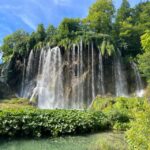

Nin’s Lagoon Setting and Queen’s Beach: what to expect when you arrive
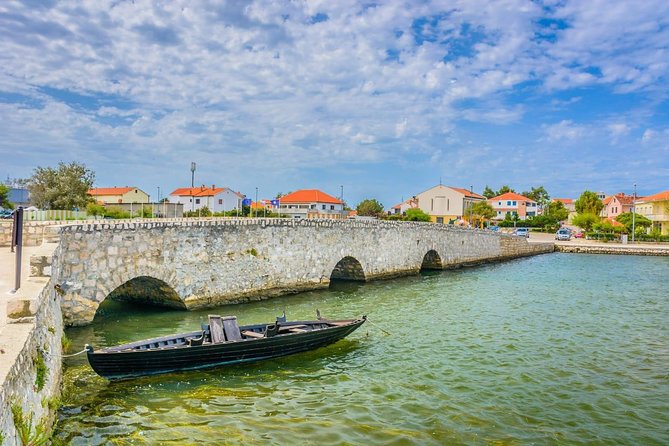
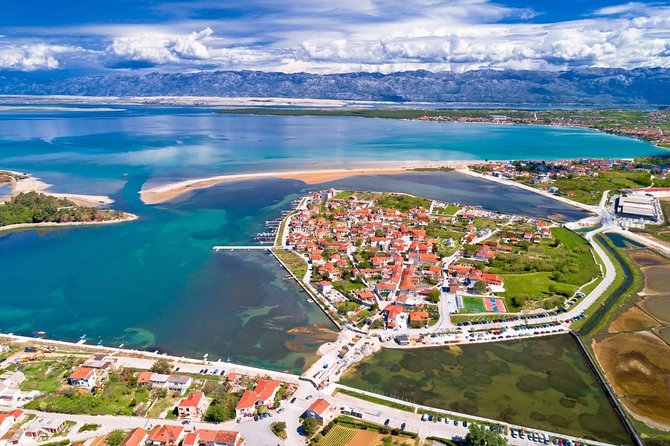
Nin is a small town, but the setting is the star. It sits in a distinctive lagoon area on the Adriatic coast, and that lagoon geography creates sandy beach time in a place that still feels protected and calm. The tour gives you time there before moving inland toward the salt museum.
The standout here is Queen’s Beach with healing mud. Even if you’ve never used mud for anything beyond a messy day on vacation, the concept is part of the region’s identity. You’re not just taking photos; you’re going to a place known for mud and the spa-like idea behind it.
In practice, this stop is best if you’re the kind of traveler who likes a short reset. You’ll get beach surroundings, a change of scenery, and a sensory break from cities. Still, keep expectations realistic: this is a day trip, so it’s not a long beach holiday. Think of it as a taste of the coast plus a chance to try the mud experience if you want.
Also, the lagoon atmosphere can change with wind and weather. This tour requires good weather, which usually means you’ll get better beach enjoyment and smoother waterfront walking in Zadar later.
Solana Nin Salt Museum: salt-factory history you can walk through
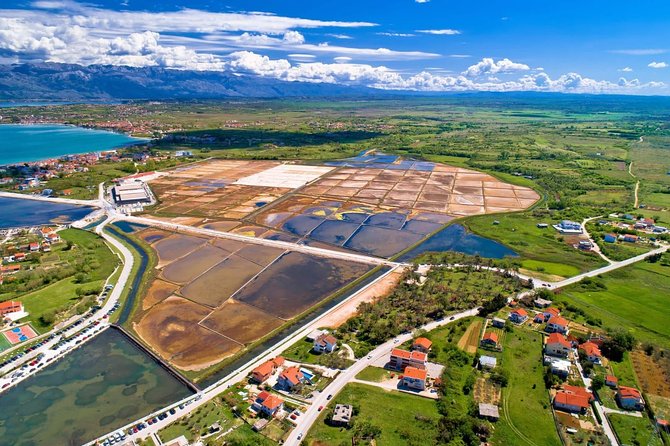
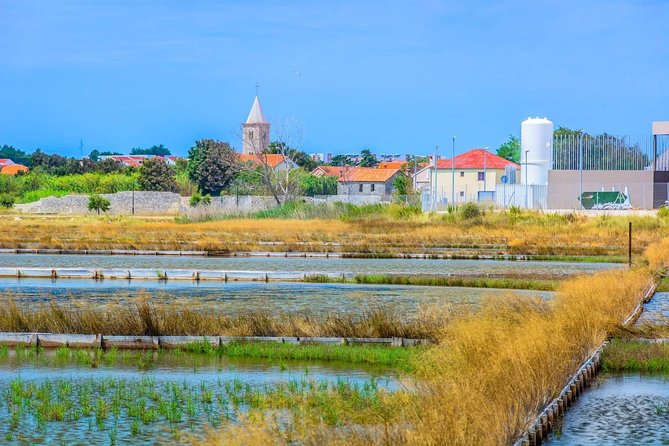
From Nin’s beach setting, you move to Solana Nin – Salt Museum, centered on the region’s famous salt production. This isn’t a stuffy museum. The way it’s described is practical: the whole area functions like an open history lesson.
Here are the facts worth anchoring to. Solana Nin draws a lot of visitors each year—between 70,000 and 100,000 annually—and the salt site is described as over 1500 years old. That’s a long stretch of human work shaping the landscape.
Why this stop is valuable is simple: salt is one of those industries that quietly shaped everyday life in coastal Croatia, and you can feel that logic when you’re standing near the production area. Even if you don’t get technical, you’ll probably come away with a clearer sense of why people built settlements around these coastal systems.
You’ll also get a structured block of time (about 1.5 hours here), and ticket access is included. That matters because you can concentrate on learning and walking at a comfortable speed, instead of squeezing around doors and payment counters.
If you’re a photo person, this is also a good place for it—there’s texture in salt works, light on low water, and a “worksite turned heritage” vibe that feels real rather than staged.
St. Nicholas Church in Nin: the short stop with real identity
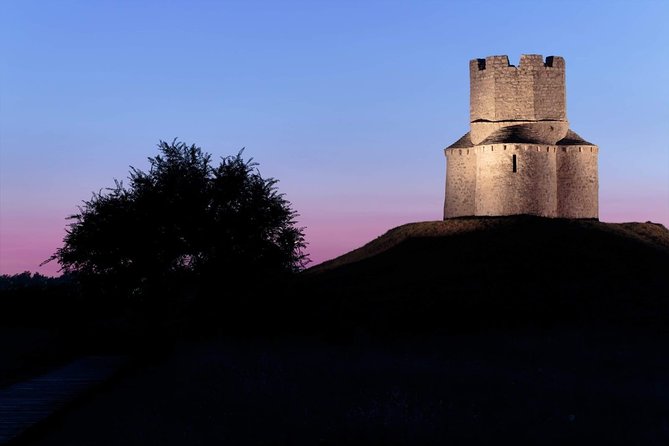
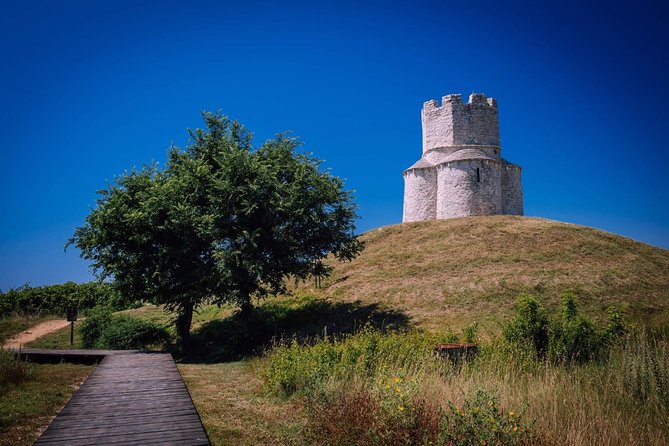
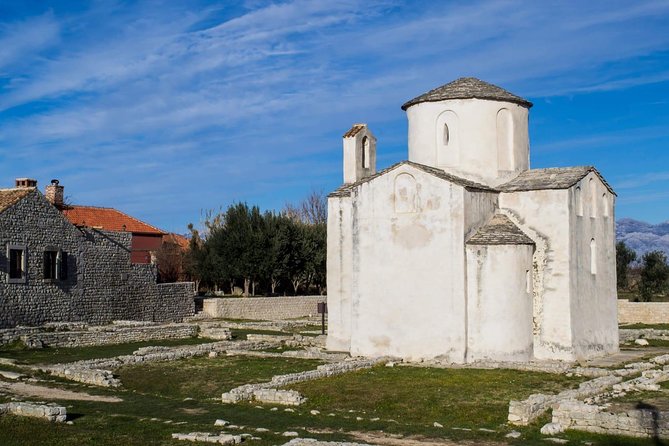
The next Nin highlight is a fast one: St. Nicholas Church (Sv. Nicholas). In a short time window, you’ll get a famous symbol for Nin, tied to local dynastic history and the Croatian tradition.
This is the kind of stop that works best when you let the guide frame it for you. Even 15 minutes can feel too short if you treat it like a checklist. But if you listen for what the church represents—both for Nin and for Croatian historical figures—you’ll understand why it’s a signature stop.
The tour positions the church in the Prahulja field area. That helps you orient: this is not just a standalone building dropped in a random place. It’s part of the way Nin’s landscape is arranged, and the church is described as one of the most recognizable symbols of the town.
One consideration: because it’s brief, it’s not the stop to spend your entire energy sprinting for photos from every angle. Use it to get the context, take a few solid shots, then move on with the group.
Zadar Old Town in 3 Hours: how to make the most of limited time
Once the tour reaches Zadar, you get about 3 hours to explore. That’s enough time to see the big names, but it’s not enough to get lost for hours. So your best strategy is to use the guide’s route as your backbone and let yourself wander only in small pockets.
Zadar is described as the former capital of Dalmatia, with monumental heritage you can still see around you. You’ll encounter Roman-era structure references (including a Roman Forum from the 1st century) and the sense that different periods layered into the same streets.
Even if you’re not a formal history buff, that layered feel makes Zadar worth the effort. Churches, squares, and waterfront features are close together enough that the city reads visually fast. The tour’s timing helps you hit the key stops without spending too long in transit inside the city.
You’re also not waiting around for tickets, since the major church admissions included in the itinerary make it smoother. That’s a big deal in places like this where small delays can cascade and steal time from the next monument.
For walking: you’ll be on foot, likely with some uneven surfaces. Wear shoes you trust. Zadar’s charm is partly in its old-stone texture, and that texture doesn’t always love flip-flops.




Church of St. Donatus and Cathedral of St. Anastasia: the medieval power center

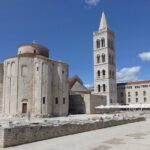
Two of the most famous Zadar church stops are Church of St. Donatus and the Cathedral of St. Anastasia.
St. Donatus is described as a famous early Middle Ages (9th century) symbol of the city, and you’ll see it as a round pre-Romanesque building. It’s one of those structures that gives you instant “I’m in Croatia” context because the shape and style look unmistakably historical rather than decorative.
Then the day moves to the Cathedral of St. Anastasia (Sv. Stosije / Anastazije). This is described as a three-nave Romanesque building and the largest church in Dalmatia, built in two main phases: the 12th and 13th centuries. That two-stage detail matters because it helps explain why big cathedrals like this often feel like a blend rather than a single moment in time.
The included time blocks for these stops are short (about 20 minutes each), so treat them like quick “look and learn” moments. If you try to read every plaque or take a hundred photos, you’ll run out of time before you even get the emotional sense of the buildings.
Sea Organ (Morske Orgulje): the waterfront stop that surprises people
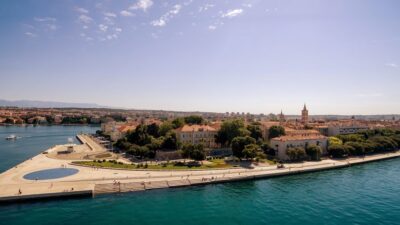
If you’ve only heard about the Sea Organ in passing, this is where you’ll understand the appeal. It’s located on the western part of Zadar’s waterfront, and it’s described as a cascading coastal profile that interacts with the movement, retention, and descent of the sea.
This matters because it’s not just a pretty waterfront feature. It’s a piece of coastal engineering that turns wave movement into sound. When you’re standing there, you get the idea right away: the sea is the instrument, and the structure shapes the output.
The tour gives you about 30 minutes here, which is about the right length. You can stand, listen, look at the shoreline setup, and still rejoin the group comfortably.
This is also a nice contrast to the churches. The day moves from stone and centuries to sound and ocean rhythms. Even if you’re not sure what to expect, the Sea Organ is one of the few moments on the coast where your senses feel like they’re doing the exploring.
Price and logistics: is $333.29 good value for this day?
The price is $333.29 per person, and you’re paying for more than sightseeing. You’re paying for a one-day structure that includes pickup and drop-off in Zagreb, private transportation, and air-conditioned vehicle. You’re also paying for all fees and taxes, and the itinerary clearly includes entry tickets for the key sights.
That’s the real value equation: admission coverage plus transport plus a small group guide is often what makes day trips either feel great or feel overpriced.
The part to watch is what’s not included: lunch. If lunch planning is your weak spot, bring a simple backup plan. Even a light meal or snack break can keep the day enjoyable rather than turning it into a fatigue spiral by late afternoon.
Duration also affects value. Thirteen hours isn’t short, but it’s the trade-off for seeing Nin and Zadar in the same day. If you only want one city and a slower pace, you might feel rushed. If you’re trying to make the most of your time in Croatia and want a structured overview, it’s a fair deal.
Booking timing is also a clue about demand: it’s commonly booked about 34 days in advance. If your dates are fixed, don’t wait until the last moment.
The guide factor: when Domagoj turns stops into stories
A day trip succeeds or fails on the guide’s ability to connect dots quickly. The included guide role here seems to land well. In particular, Domagoj is described as friendly, informative, flexible, and sympathetic, which is exactly the kind of personality that makes a long day feel easier.
When you have a guide who can adjust pacing while still keeping the itinerary on track, you get two benefits:
- you understand what you’re seeing faster, without feeling lectured
- you spend less time hunting for meaning on your own
That’s especially helpful in Nin and Zadar, where there’s a lot of historical identity packed into compact spaces. The churches are quick, the beach stop is time-limited, and the salt museum needs context. A good guide supplies that context so the day doesn’t become a series of photos.
Who should book this Nin and Zadar tour (and who might skip it)
This tour is a strong fit if you:
- want coast time but don’t want to handle transport logistics
- like a guided hit of major sights in a short window
- enjoy seeing different types of places in one day: beach mud, salt production heritage, medieval churches, and a modern waterfront feature
It might be less ideal if you:
- hate long days (about 13 hours is required)
- need a lot of unstructured free time
- expect lunch to be included (it isn’t)
The small-group size makes it especially friendly for solo travelers too. The guide interaction tends to feel more personal, and you spend less energy figuring out where to stand in a crowd.
If you care about comfort, the air-conditioned vehicle is a practical plus, especially for the drive from Zagreb and back.
Should you book this Nin and Zadar day trip?
I’d book it if you want a well-paced, guided way to see Nin’s lagoon and mud beach plus Zadar’s top monuments in one day, with most admissions already covered. The combination of covered fees, pickup convenience, and a small group max of 12 is what makes the value feel real.
I wouldn’t book it if your ideal day is slow, flexible, and centered on just one area. This is a structured day. You’ll get a lot of highlights, but it won’t feel like you’re living in the beach for hours.
If your dates match good weather and you can plan for lunch on your own, this is a smart use of time in Croatia.
FAQ
What is the duration of the tour?
The tour runs for about 13 hours.
Where does the tour start?
It starts at 8:00 am, with pickup offered in Zagreb.
Which places are included?
You visit Nin and Zadar, including Solana Nin – Salt Museum, St. Nicholas Church in Nin, Church of St. Donatus, Cathedral of St. Anastasia, and the Sea Organ.
Are admission fees included?
Most admissions are taken care of, and tickets for the listed attractions such as Solana Nin Salt Museum, St. Nicholas Church, St. Donatus, and the cathedral are included.
Is lunch included?
No, lunch is not included.
How big is the group?
The tour has a maximum of 12 travelers.
Is transportation provided?
Yes. Private transportation in an air-conditioned vehicle is included, with pickup and drop-off in Zagreb.
What happens if the weather is poor?
The tour requires good weather. If it’s canceled due to poor weather, you’ll be offered a different date or a full refund.
Is there free cancellation?
Yes. You can cancel up to 24 hours in advance for a full refund.
How do I get the tickets?
You receive a mobile ticket. Confirmation is also provided at booking time.