REVIEW · ZAGREB
Discover Zagreb: Small-Group Tour with a Local
Book on GetYourGuide →Operated by Happy walk · Bookable on GetYourGuide
Zagreb clicks fast with a local guide. On this 2-hour walk, Dorotea shares the city she grew up in, starting in Zrinjevac and moving up into old Zagreb with stories you won’t get from a brochure.
I especially like the small-group size (max 6), which keeps the pace easy and the questions flowing. I also like that the tour includes the funicular ticket, so you get the classic Upper Town shortcut without extra planning.
One consideration: this is not wheelchair accessible, and the walking includes slopes and cobblestones—so comfortable shoes matter.
In This Review
- Key moments you’ll love on this Zagreb walking tour
- Why this 2-hour Zagreb loop works so well
- Meeting in Zrinjevac: where the city starts to feel friendly
- Ban Jelačić Square: the main stage of modern Zagreb
- Up Ilica Street and the funicular ride to Gornji Grad
- St. Mark’s Square: Zagreb pride in tiled colors
- An old pharmacy and the Stone Gate chapel story
- Radićeva Street, the Bloody Bridge, and Tkalčićeva’s pedestrian life
- Opatovina Park and Dolac Market: local routines at street level
- Finishing at the Cathedral: big landmark, human story
- Price and value: why $41 makes sense for what you get
- Who should book this Zagreb walking tour?
- A few practical tips before you go
- Should you book Discover Zagreb with Dorotea?
- FAQ
- Where do we meet for the tour?
- How long is the Zagreb tour?
- What’s the maximum group size?
- What’s included in the price?
- Is the tour wheelchair accessible?
- What languages is the tour available in?
Key moments you’ll love on this Zagreb walking tour
- Max 6 guests for a more conversational tour, not a cattle-line stop list
- Funicular included for the shortest trip up to Gornji Grad
- St. Mark’s Square details (the tiled coats of arms and what Zagreb symbols mean)
- Stone Gate with its chapel and the patron-saint connection
- Dolac Market + Cathedral to see both everyday life and major landmarks in one loop
Why this 2-hour Zagreb loop works so well
Zagreb can feel like two cities stitched together. You have the street-level town with its daily rhythms, and then you have the medieval Upper Town (Gornji Grad) with viewpoints, old stone, and civic pride. This tour is built to connect those halves fast.
The length is perfect for a first visit. Two hours is long enough to get bearings, learn what matters, and see major landmarks without turning your day into a marathon. And because this is guided personally by Dorotea, it feels like a conversation with someone who actually lives here—not a script read at group volume.
For me, the best part is how the route keeps asking a simple question: why does Zagreb look the way it does, and how did people live inside these walls? Even if you only have one afternoon or a short layover day, you’ll walk away with a mental map that makes the rest of your trip easier.
You can also read our reviews of more tours and experiences in Zagreb.
Meeting in Zrinjevac: where the city starts to feel friendly
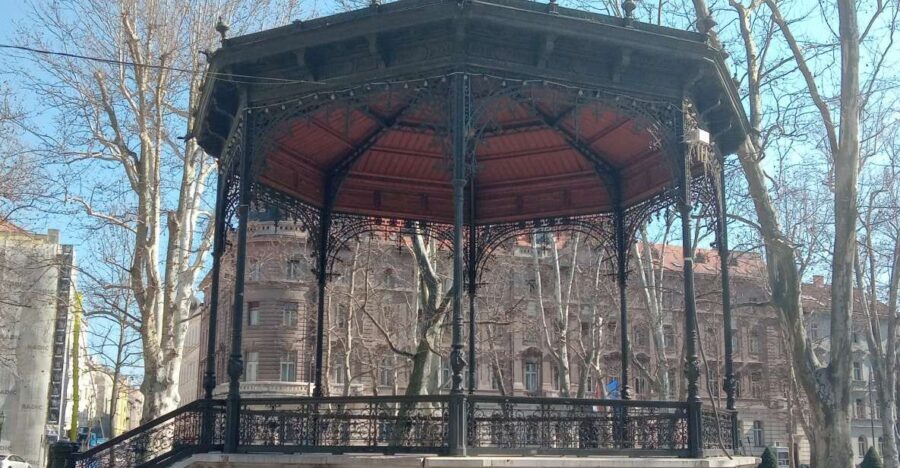
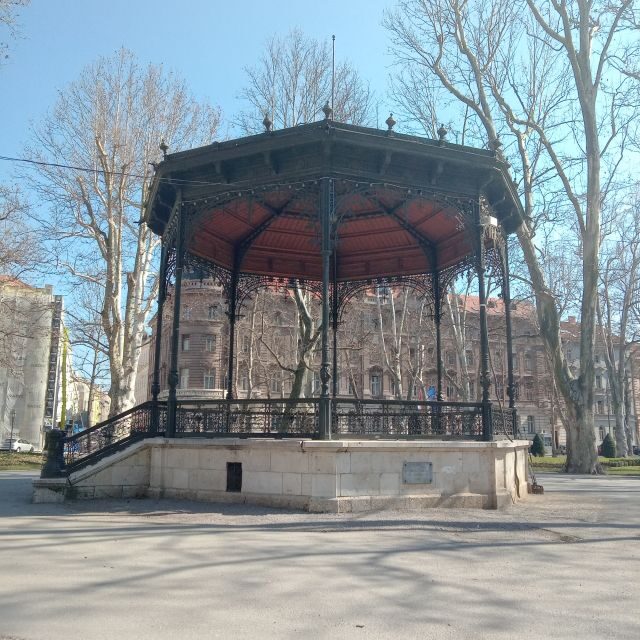
You meet in Zrinjevac Park by the music pavilion. Your guide stands in front of the pavilion with the inscription My happy walk—an easy landmark to spot.
This is a smart start. Zrinjevac is green space in the middle of town, and it helps you shake off the travel stress before you head into streets and stairs. Plus, the pavilion area gives you a natural first “breath” before Ban Jelačić Square and the climb toward Gornji Grad.
If you like tours that help you orient, not just tick sights, this meeting point sets the tone: relaxed, local, and practical.
Ban Jelačić Square: the main stage of modern Zagreb
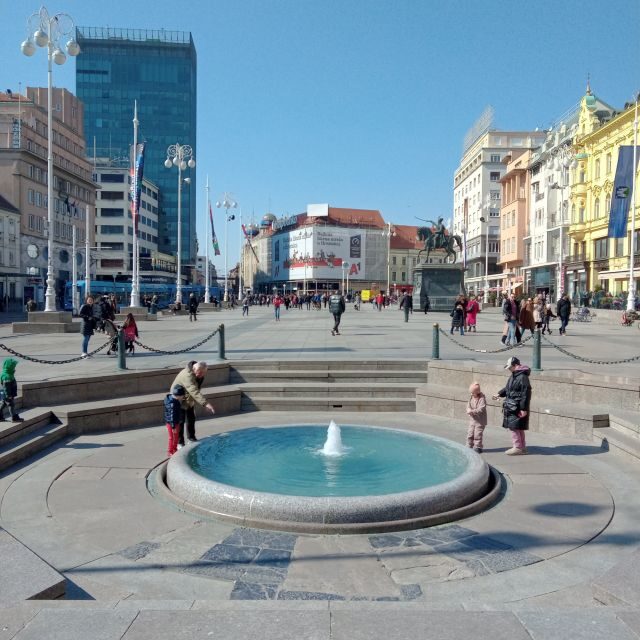
From Zrinjevac, you head to Ban Jelačić Square, Zagreb’s main square. Dorotea shares facts about the city’s history and what the square means to locals today.
Here’s why that matters. If you understand why a square is important—politically, socially, or historically—you stop treating it like a random photo stop. Instead, you start noticing how people actually use it: where they gather, how the streets flow out from it, and how the city centers its identity in public space.
It’s also a good moment to get small travel tips from your guide so the rest of the day runs smoothly. You’ll likely hear practical suggestions on what to prioritize next and where to spend your time beyond this tour.
Up Ilica Street and the funicular ride to Gornji Grad
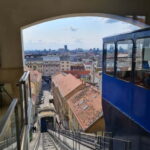
Next comes Ilica Street to the funicular. The tour includes your ticket, and you’ll take the shortest funicular ride up to the Upper Town.
This is one of those “do it once the easy way” moments. The funicular gives you quick elevation without turning the day into a sweat session right at the start. More importantly, it marks the transition from everyday Zagreb to the older, more ceremonial streets where the city’s symbolism becomes visible.
Once you’re up on the cobblestones, Dorotea walks you through what you’re seeing and what came before. You’ll hear stories from everyday life in the past and local legends that don’t feel like trivia—they explain how people thought and organized life in older Zagreb.
St. Mark’s Square: Zagreb pride in tiled colors
St. Mark’s Square is next, and it’s famous for the colorful tiled roof. The roof shows the coats of arms of Croatia, Dalmatia, Slavonia, and the city of Zagreb. Dorotea connects the symbols to identity, not just architecture.
This is where the tour earns its keep for first-timers. Many visitors see the roof and move on. On this walk, you’ll understand what you’re looking at and why it matters. You’ll also get the sense of how Zagreb presents itself—confident, regional, and proud of its place within Croatia.
Even better, the square works as a mental reset point. You’ve climbed into the Upper Town. Now you pause in the political and symbolic heart of the city, and you learn the language of what you’re seeing.


An old pharmacy and the Stone Gate chapel story
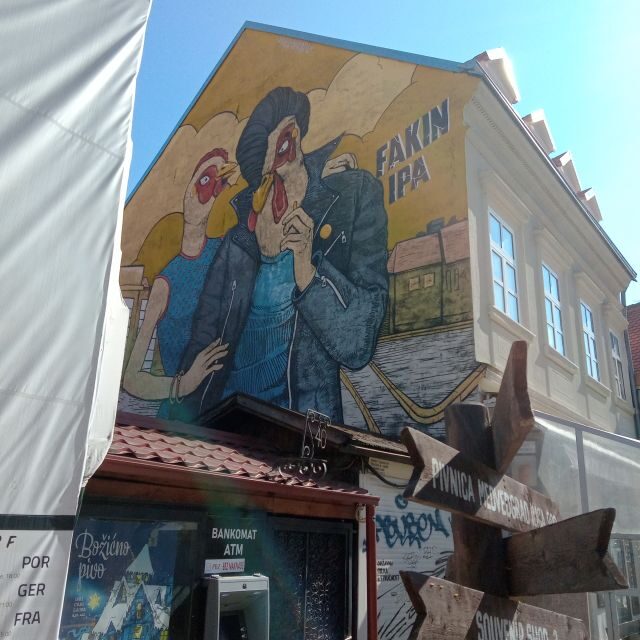
As you move through the older streets, you’ll pass the oldest pharmacy in Zagreb. Dorotea explains how medicines were made in the Middle Ages and how people sought cures and remedies long before modern pharmacy.
That kind of stop is valuable because it changes how you interpret a landmark. Instead of treating old buildings as decorative backdrops, you start imagining the people who used them—how they survived, what they feared, and what they hoped medicine could do.
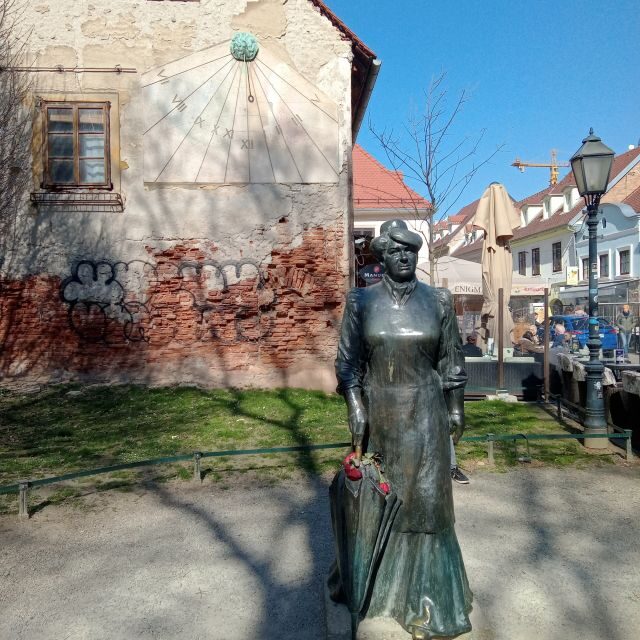
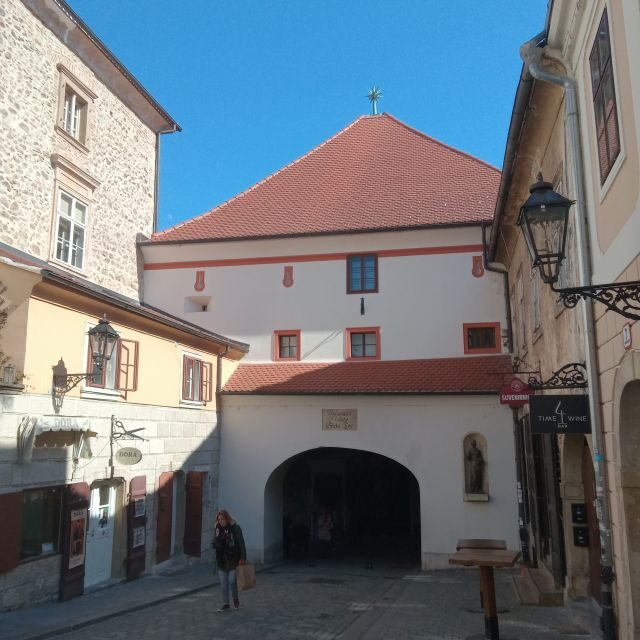
Then you’ll reach the Stone Gate, described as the only preserved city gate. A small chapel sits inside it, dedicated to Zagreb’s patron saint. Dorotea tells you why that chapel is there and why it’s still beloved.
This is a strong “hidden in plain sight” moment. Stone Gate looks like a preserved remnant. The chapel turns it into something personal and continuing—proof that even old structures stay meaningful when they’re tied to community identity.
Radićeva Street, the Bloody Bridge, and Tkalčićeva’s pedestrian life
After the Stone Gate area, the route descends along Radićeva Street. You’ll cross a tiny alley called the Bloody Bridge, and Dorotea explains how it got its name.
Even if you don’t love spooky stories, this stop works because it gives you a concrete reason to pay attention to a small crossing. You’ll remember where it is and what it signifies, which helps you navigate later without feeling lost.
From there, you enter Tkalčićeva Street, one of the liveliest pedestrian streets in Zagreb. This section shifts the mood back to street-level reality—people walking, talking, and making the city feel alive through everyday movement rather than monument viewing.
This mix is a big part of why the tour feels honest. You’re not only shown what’s important on paper. You’re also shown where life happens now.
Opatovina Park and Dolac Market: local routines at street level
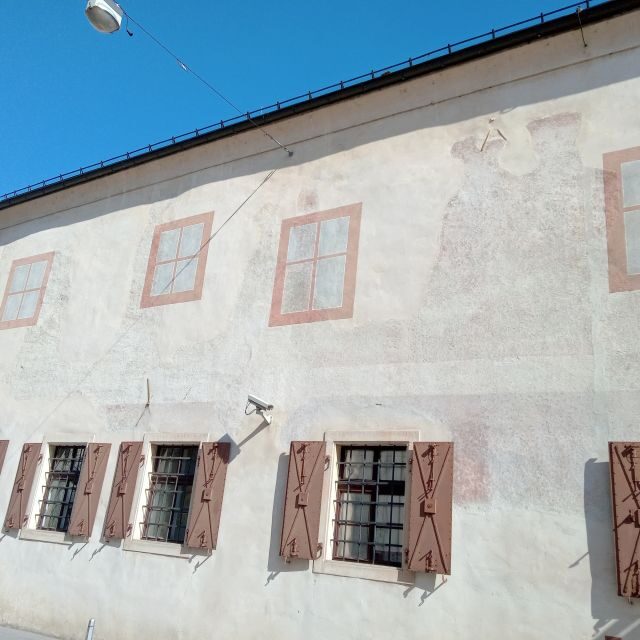
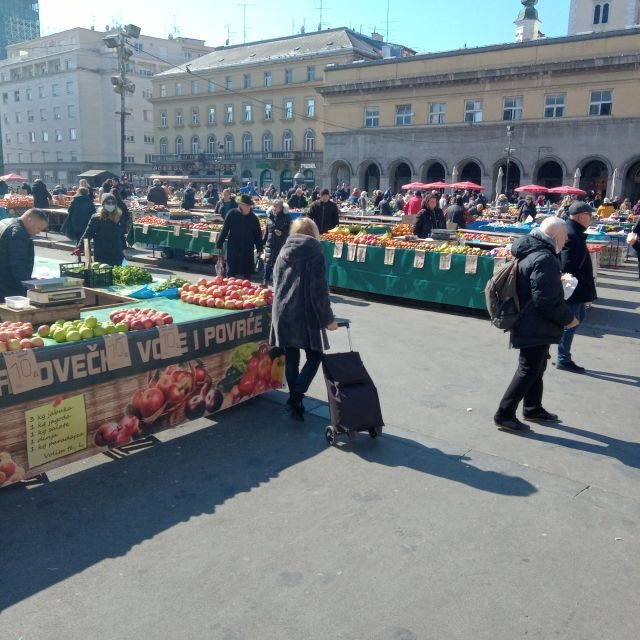
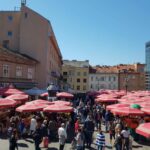
Next is Opatovina Park, followed by Dolac Market. Dolac is Zagreb’s famous open-air market, and Dorotea sets expectations for what you’ll see.
If your start time happens to be in the morning, this is when the market is at its most energetic: the colors, scents, and sounds that locals have appreciated for generations. Even if you’re not planning to buy anything, it’s one of the best places to understand daily Zagreb—what people cook, what they choose first, and how the market shapes the neighborhood.
A note: this tour doesn’t include food or drinks. That said, Dorotea is the type of guide who can point you toward what’s worth your time nearby, so you’re not stuck guessing once the tour ends.
Finishing at the Cathedral: big landmark, human story
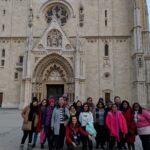
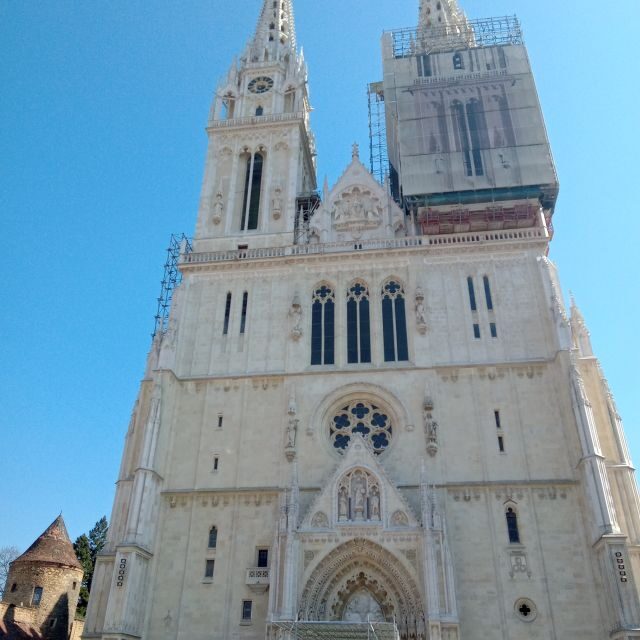
The final landmark on the walk is Zagreb Cathedral. Dorotea shares its long and fascinating story, giving you the context to understand why this building is a centerpiece.
A common problem on short tours is that people rush through the last stop with no reason to care. Here, you’ll have enough background from earlier stops—symbols, civic identity, and daily life—that the Cathedral doesn’t feel like yet another impressive structure. It feels like the next chapter in the same city story.
The tour ends back at Ban Jelačić Square. Dorotea closes with the city-name story—how Zagreb got its name—so you leave with a finishing piece that ties the whole loop together.
Price and value: why $41 makes sense for what you get
At $41 per person for a 2-hour small-group walking tour, the value comes from four practical ingredients:
- A max 6 group size, which usually means less time waiting and more time talking
- A licensed local guide who can connect landmarks to everyday meaning
- Funicular ticket included, removing a common “extra cost + extra planning” hassle
- A tight, efficient route, so you don’t spend your limited time zigzagging across town
You’re also not paying for museum entry or a long sit-down experience. This is a walk-first tour focused on the streets, the symbols, and the stories you can later use to explore on your own.
If you like the idea of building context before you go deeper elsewhere, this is a smart buy. If you’re the type who hates walking or wants lots of free time at major attractions, you might feel time-pressured.
Who should book this Zagreb walking tour?
This tour is a great fit if you:
- are visiting Zagreb for the first time and want a clean intro route
- like learning the meaning behind landmarks (symbols, civic identity, local legends)
- want a guide you can talk to in a small group
- want a practical mix of Upper Town sights and market-and-street life
It’s less ideal if you:
- need wheelchair access (this tour isn’t suitable for wheelchair users)
- prefer totally flat routes or long stretches of free time
A few practical tips before you go
Wear shoes you trust. Cobblestones and slopes are part of the Upper Town experience. Dress for weather—Croatian city weather can shift quickly, and you’ll be outside for the full walk.
Also, think of this as your “set-up tour.” After it ends, you’ll have a clearer sense of where to spend more time—especially around the Cathedral area and the market zone.
Should you book Discover Zagreb with Dorotea?
Yes, if you want a short, high-value Zagreb experience that makes the city make sense. The standout factor is the personal guidance by Dorotea, combined with a route that mixes the iconic (St. Mark’s Square, Stone Gate, Cathedral) with the memorable local details (the old pharmacy, Bloody Bridge, and Dolac Market).
If you’re staying only a day or two and you don’t want to waste time building your own itinerary from scratch, this tour is an efficient start. And if you enjoy asking questions—about how Zagreb thinks, how it marks identity, and how daily life has changed over centuries—this is the kind of walk that turns landmarks into context.
FAQ
Where do we meet for the tour?
You meet in the heart of Zrinjevac Park at the music pavilion, and your guide stands in the pavilion area with the inscription My happy walk.
How long is the Zagreb tour?
The tour lasts 2 hours.
What’s the maximum group size?
The group is limited to a maximum of 6 participants.
What’s included in the price?
The tour includes a walking tour, a professional licensed local guide, and a ticket for the funicular.
Is the tour wheelchair accessible?
No, it is not suitable for wheelchair users.
What languages is the tour available in?
The live guide offers the tour in English and Croatian.