REVIEW · ZAGREB
From Zagreb: Rastoke and Plitvice lakes Guided Day Trip
Book on GetYourGuide →Operated by pathfinder TOURS d.o.o. · Bookable on GetYourGuide
Plitvice in one day feels almost unfair. You get the storybook waterfalls of Plitvice Lakes National Park plus the quirky watermill village of Rastoke, all with a live English guide and smooth A/C transport from Zagreb. I especially love how the day is built around timed movement—coach out, guided park route, then back—so you’re not stuck guessing where to go. The second big win is the guide’s Croatia context on the drive, from history to everyday culture. The one consideration: you’re looking at a real walk inside Plitvice (about 8–8.5 km in high season), and parts of the park can be restricted in bad weather.
If you’re aiming for an easy first visit to one of Croatia’s most famous nature spots, this works because it bundles the heavy lifting. Entry tickets to Plitvice are handled for you (not included in the price), and the park experience is arranged with boat and train-style transport when they’re operating. A possible drawback is seasonal changes: from November 1 to March 31, you’ll only visit the Lower Lakes, and in some winter conditions the train and electric boats may not run.
If you’re comfortable wearing solid shoes and walking at a steady pace, this is a high-value way to see Plitvice without getting lost.
In This Review
- Key highlights worth planning for
- The Zagreb-to-Plitvice setup: why this day trip works
- Rastoke: the watermill village stop that sets the mood
- Plitvice Lakes National Park: how the day actually flows
- The guided visit and photo stops inside the park
- Ferry and train segments when operating
- Lunch break and a short shopping window
- Boat, train, and weather: what you should expect when conditions change
- Price and value: what you’re really paying for
- What the guide adds (and why it matters at Plitvice)
- Pace, fitness, and what to pack
- Best time to go: high season vs winter Lower Lakes
- High season: more of the park, more running water views
- November to March: Lower Lakes only, but calmer vibes
- Who this day trip suits best
- Should you book this Zagreb Rastoke and Plitvice day trip?
- FAQ
- How long is the day trip from Zagreb?
- What’s included in the tour price?
- Do I need to buy the Plitvice National Park ticket separately?
- How much walking should I expect in Plitvice?
- Will there be a boat ride and train inside the park?
- Where do I meet for the tour?
- What should I bring?
- Is this tour suitable for young children or mobility impairments?
Key highlights worth planning for
- Rastoke’s watermills: a short stop that feels like you stepped into a classic postcard.
- Plitvice by foot plus park transport: you’ll combine walking with ferry and train segments when operating.
- A licensed live guide in English: history and practical routing, not just scenic talking points.
- Skip-the-line support: you get prebooked Plitvice entry handled for you.
- Winter-friendly option (with limits): Lower Lakes only from Nov–Mar, but often with calmer conditions.
The Zagreb-to-Plitvice setup: why this day trip works
This is one of those trips that makes sense if you want the big sights with less friction. You meet at the bus stop across from the Ethnographic Museum in Zagreb, then head out in an A/C coach. The drive time is part of the value: there’s enough time for explanations about Croatia while you’re moving, not just staring out the window.
A good practical touch is that the tour is organized around set park blocks. You get a guided tour of Plitvice and planned segments inside the park, including a ferry and a train ride when available. That matters because Plitvice can be confusing on your own—paths, routes, and viewpoint timing are easier when someone is guiding the pacing.
Transport quality also gets high marks. With about 90% of reviewers giving perfect scores for the ride, you can reasonably expect the coach to be comfortable enough for the long day.
You can also read our reviews of more guided tours in Zagreb
Rastoke: the watermill village stop that sets the mood
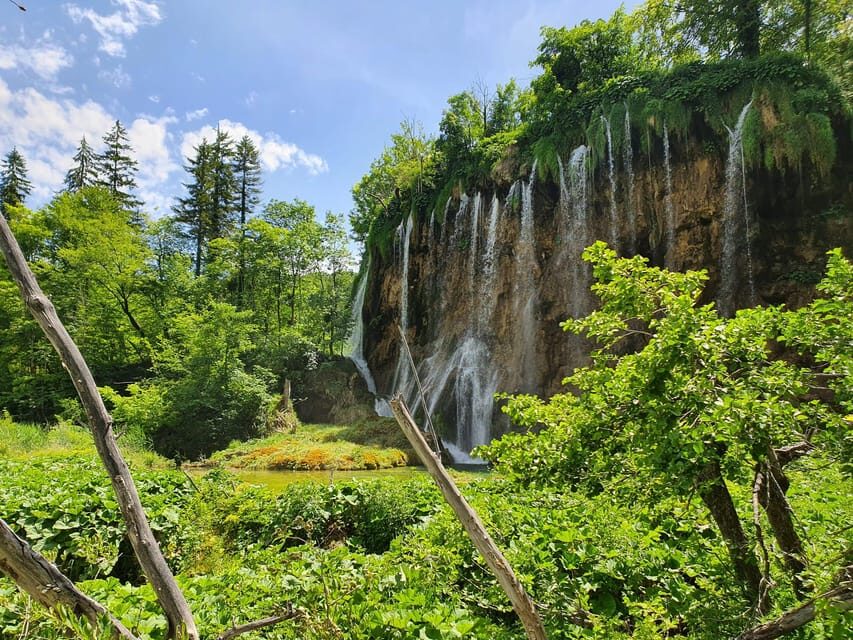
Rastoke is the appetizer before the main show. You’ll have a dedicated window for a break, photo stops, and a real visit, plus time to wander. Even though it’s shorter than Plitvice, it’s a smart inclusion because it makes the geography of the region feel real before you hit the national park.
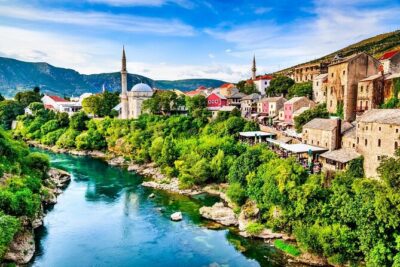
Rastoke is known for its 17th-century watermills, built into a network of waterfalls and water channels. The effect is almost theatrical: you’re standing among streams and old mill structures, with views and viewpoints coming at you from multiple angles. It’s the kind of stop where taking photos is easy because there’s always something moving—water, bridges, and mill buildings.
This stop also helps you psychologically. After a day of walking in Plitvice, it’s nice to have a lower-stakes environment first, where you can stretch your legs and ease into the nature focus.
Plitvice Lakes National Park: how the day actually flows
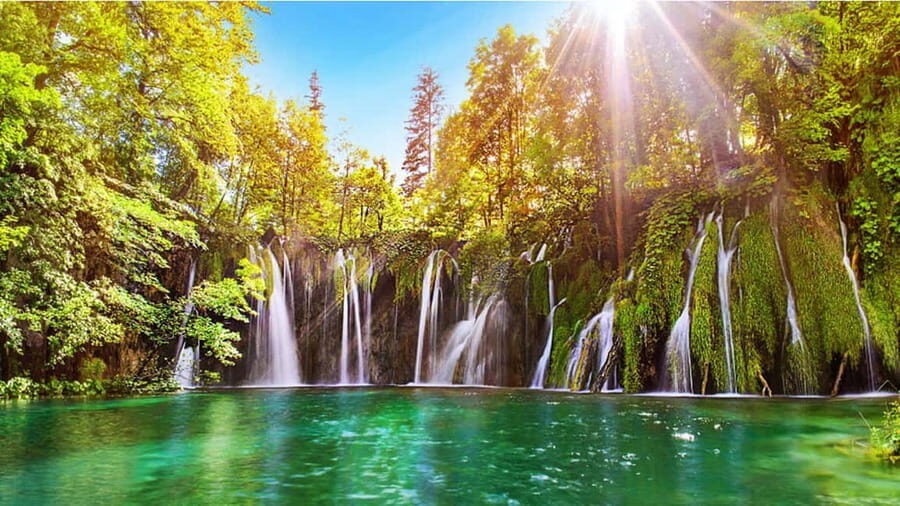
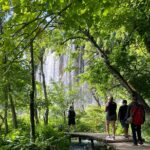
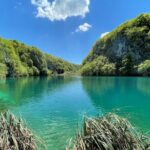
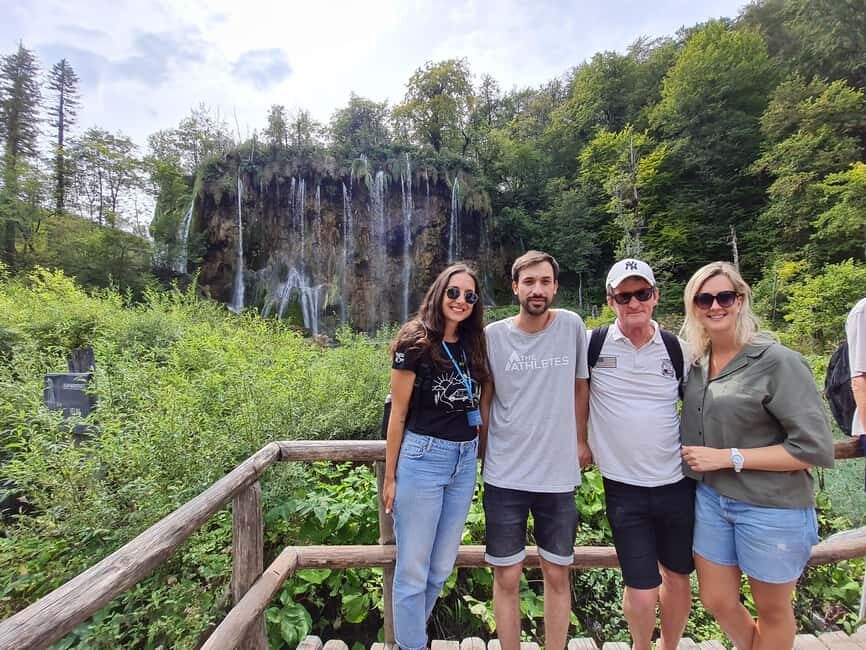
Plitvice is the reason you booked this. The park is famous for 16 lakes linked by waterfalls, and your day is structured to show the highlights without feeling like a sprint. Expect a guided route plus scenic viewpoint stops and time to take photos.
The walk component is significant but manageable. In high season, the walking tour is about 8.5 km (around 5.3 miles). The good news in the planning notes: there are no big inclines, so it’s more about steady comfort than climbing.
Here’s what the flow feels like, in practical terms:
The guided visit and photo stops inside the park
Once you’re in Plitvice, you don’t just get dropped at the entrance. You’ll have a guided tour and built-in walking segments, with time for sightseeing along the way. Your guide’s job here is twofold: point you to the best viewpoints, and keep the group moving at a pace that works for everyone.
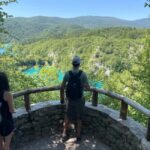
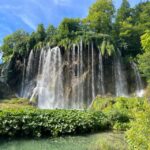
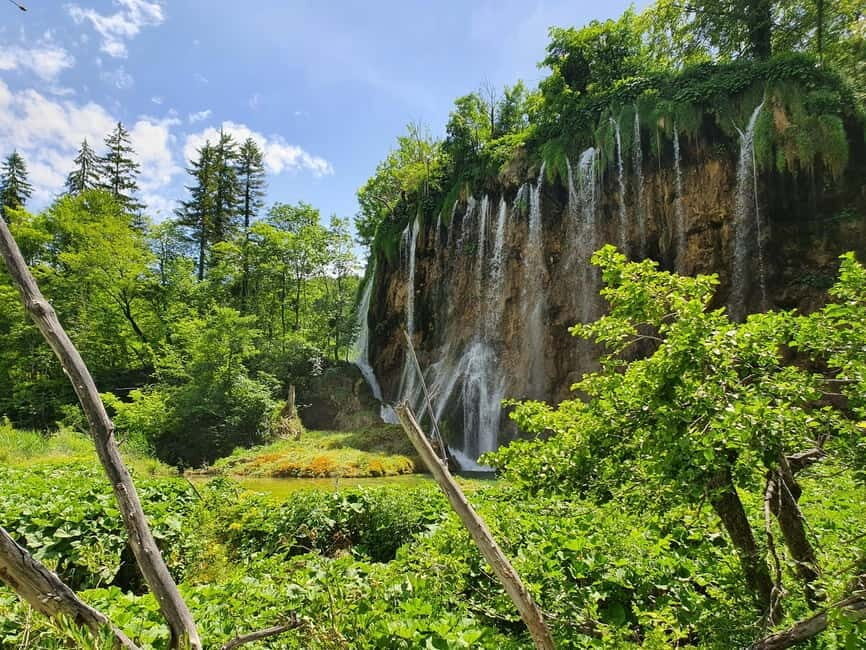
The viewpoints are the magic. Plitvice’s look comes from water meeting limestone and cascading across levels of lakes. As you move along the route, the water sound changes—sometimes loud and dramatic, sometimes calmer as you step away from the main falls.
Ferry and train segments when operating
You’ll also use park transport segments when they’re running. The day includes a ferry segment and a train segment inside the park. Even if you love walking, these rides help you cover distance and reduce fatigue, especially if your legs aren’t thrilled about a full day of trails.
One winter reality check: from November 1 through March 31, the route and access change. The plan notes say only the Lower Lakes can be visited, and the train and electric boats may not operate depending on weather. So if you’re traveling in winter, treat the transport as a bonus, not a guarantee.
A few more Zagreb tours and experiences worth a look
Lunch break and a short shopping window
You’ll get a set lunch time (about 30 minutes). After that, there’s a short break that includes a bit of shopping (about 15 minutes). I like this rhythm because it keeps the day from turning into a nonstop march. It’s enough downtime to reset before the last park segments and the ride back to Zagreb.
Boat, train, and weather: what you should expect when conditions change
Plitvice isn’t just “pretty all the time.” It’s a living system, and winter can change access quickly. The planning notes call out two big things:
1) Some parts may be restricted depending on weather.
2) From November 1 to March 31, you’ll only visit the Lower Lakes, and the train and electric boats may not run.
If that sounds limiting, here’s the upside: winter visits can feel calmer. Multiple guides in the trip’s writeups emphasize winter conditions like snow-covered scenery and fewer people on the paths. In December, you may find the park emptier than peak summer periods, which makes viewpoints feel more spacious.
Your best strategy is simple. Go in ready for an adaptable route. If your main dream is waterfalls, you’ll still get them. If your dream is a specific transport experience (train/boats), keep winter expectations flexible.
Price and value: what you’re really paying for
The base price is about $46 per person for this day trip from Zagreb. That’s not just bus fare. It includes transportation by A/C vehicle, a licensed live guide in English, the Rastoke village visit, and a guided Plitvice Lakes experience.
Entry to Plitvice is the one separate cost. The ticket isn’t included in the price, though the tour operator says they prebook the tickets for you and you get help skipping the ticket line. Your park fee depends on season:
- April, May, October: adults 21€, students 13€, children 6€
- June to September: adults 35€, students 24€, children 13€
- November to March: adults 10€, students 6€, children 4€
So your total cost is basically: tour price + seasonal Plitvice entry. For most people, the value comes from what’s bundled: guide time, organized routing, and park transport segments when they operate.
One more value factor: the guides. The tour’s reviews include guide names like Marko, Marin, Marco, Saša, Mario, and Patrick, and the repeated theme is that the guides don’t just recite facts. They guide pacing, answer questions, and keep the day running smoothly even in cold or rainy conditions.
What the guide adds (and why it matters at Plitvice)
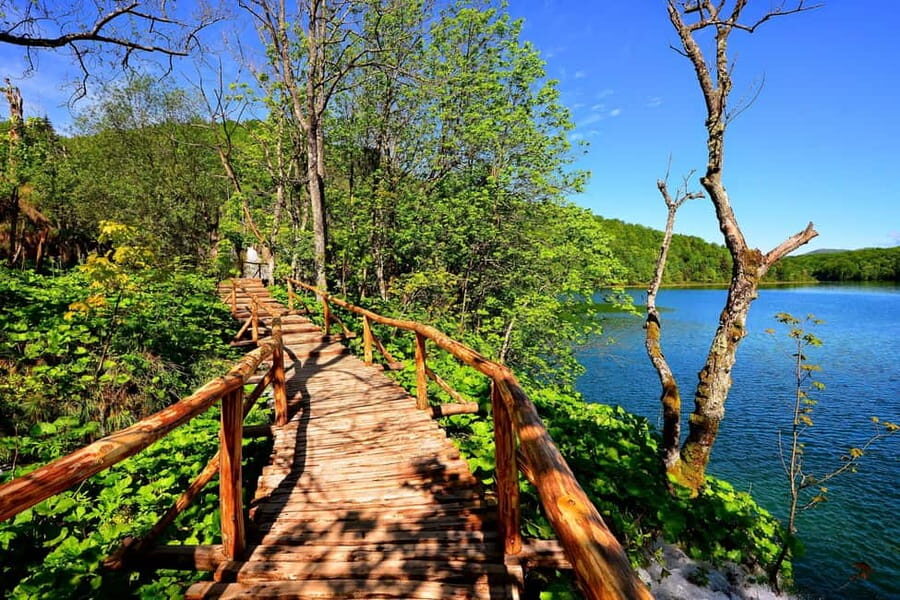
Plitvice can overwhelm you on a first visit because there’s water everywhere and multiple route options. A good guide turns that chaos into a readable plan. You’re not just seeing waterfalls; you’re learning how the park’s layers work and why the views appear when and where they do.
In the trip’s writeups, guides are praised for being friendly and supportive, with a sense of humor that makes long walking days feel lighter. People also mention that guides explain Croatia history and culture during the drive. That’s more than trivia. It helps you connect the scenery to the country—why these villages, waterways, and traditions matter.
You also get help with group management. In the notes, there’s an emphasis on keeping everyone safe and comfortable through the day, including helping people reroute if needed. That kind of “practical care” is exactly what you want in a big-name national park.
Pace, fitness, and what to pack
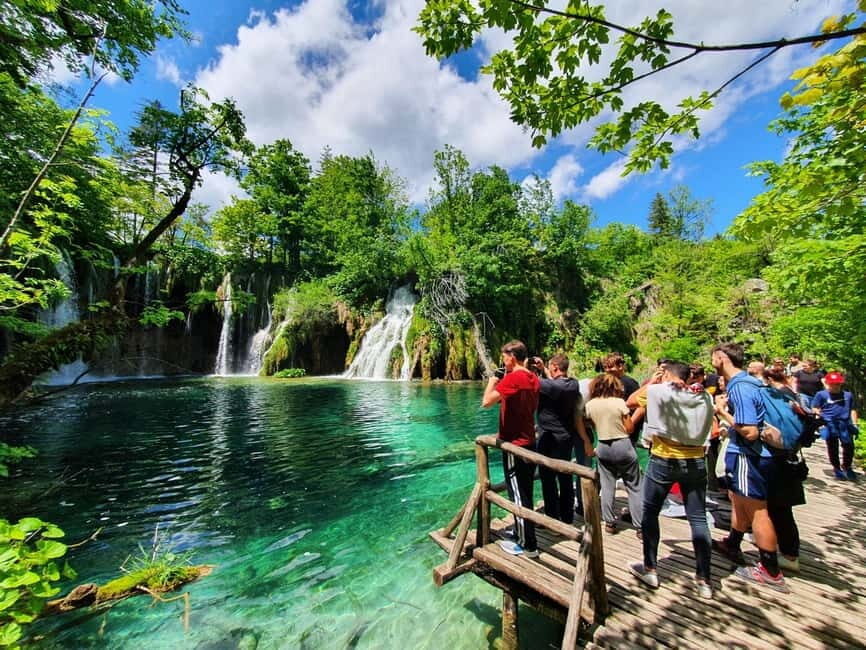
This isn’t a “sit on the bus all day” trip. It’s a day built around walking. In high season, expect about 8.5 km of walking inside Plitvice, with no big inclines described in the planning notes. Still, you should be honest with yourself: cold weather, wet surfaces, and long hours can make even an easy route feel harder.
What to bring:
- Comfortable shoes (non-slip if possible)
- Comfortable clothes for changing weather
A quick reality note: this tour is not suitable for children under 5 years and isn’t recommended for people with mobility impairments. If you’re unsure, it’s worth thinking about whether you can comfortably handle several hours of walking plus uneven paths.
Best time to go: high season vs winter Lower Lakes
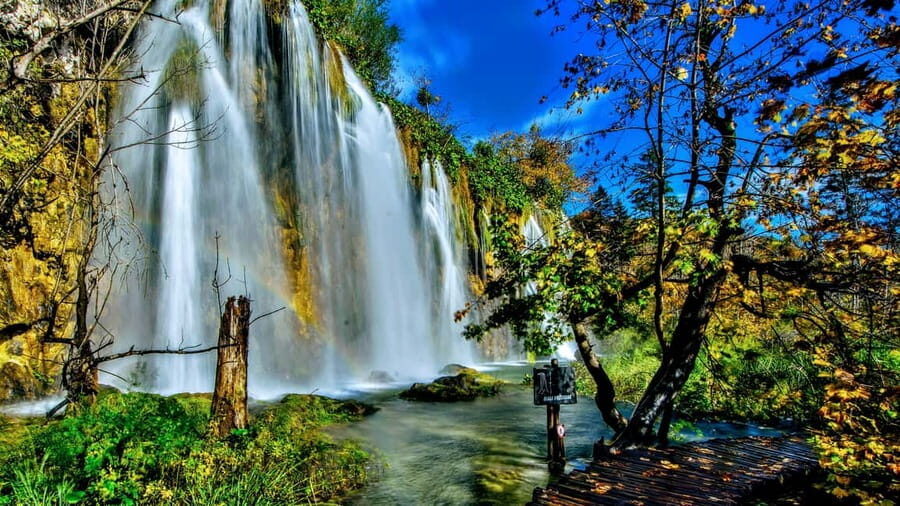
Timing changes the character of the day.
High season: more of the park, more running water views
In high season, you’ll walk about 8–8.5 km to see the highlights, and you’ll have the chance to use more park transport segments when operating. If your dream is to cover as much as possible in one day, this is usually the best window.
November to March: Lower Lakes only, but calmer vibes
From November 1 to March 31, only the Lower Lakes can be visited. Some transport (train/electric boats) might not operate depending on weather. The tradeoff is less coverage, but you may get a quieter feel and a winter atmosphere that many people love.
If you’re traveling in winter, plan for cold and damp conditions even when the sky looks okay in Zagreb.
Who this day trip suits best
This is a strong fit if:
- You want a guided first visit to Plitvice from Zagreb without self-planning logistics
- You don’t mind walking roughly 8+ km in high season
- You like learning a bit of history and culture while moving between stops
- You value smooth transport and a structured day with breaks
It’s not a great match if:
- You can’t do long walks (or you need mobility assistance on uneven paths)
- You’re traveling with a child under 5
- You’re expecting every transport segment to run in winter conditions
Should you book this Zagreb Rastoke and Plitvice day trip?
Yes, I’d book it if your priority is seeing Plitvice Lakes National Park and Rastoke in one organized day with a guide who keeps the pace sensible. The value math usually works out well because your tour includes transport, guidance, and planned park segments, while your Plitvice entry fee is handled separately by season.
Skip this one and look for an easier alternative if walking distance is a concern, or if you need a route that’s guaranteed to match summer-style transport. If you’re flexible—especially in November–March—you’ll still get the heart of Plitvice: waterfalls, lakes, and viewpoints that make the trip feel worth every hour.
FAQ
How long is the day trip from Zagreb?
The tour duration is about 10 hours.
What’s included in the tour price?
It includes A/C transportation, a guided tour of Plitvice Lakes with a licensed guide, a Rastoke village visit, and boat and bus rides inside the park if operating.
Do I need to buy the Plitvice National Park ticket separately?
Yes. The Plitvice entry ticket is not included in the tour price, but the tour says it will be prebooked for you and you can skip the ticket line.
How much walking should I expect in Plitvice?
In high season, the walking tour is approximately 8.5 km (about 5.3 miles). It’s described as enjoyable with no big inclines.
Will there be a boat ride and train inside the park?
Boat and train-style rides depend on whether they’re operating. In winter (November 1 through March 31), the train and electric boats do not operate depending on weather.
Where do I meet for the tour?
Meet at the bus stop across from the Ethnographic Museum Zagreb. The starting location is listed at Trg Antuna, Ivana i Vladimira Mažuranića 14.
What should I bring?
Bring comfortable shoes and comfortable clothes, since you’ll be walking inside the park.
Is this tour suitable for young children or mobility impairments?
No. It’s not suitable for children under 5 years and it’s not suitable for people with mobility impairments.