REVIEW · ZAGREB
Istria ‘original Tuscany’ Rovinj, Pula, Hum – Tour from Zagreb
Book on Viator →Operated by VIATICA TRAVEL d.o.o. · Bookable on Viator
A day trip that starts early and ends late. This Istria tour is built for a fast taste of what feels like Italy from Zagreb—Roman Pula, Venetian-flavored Rovinj, and a Tuscany-like vibe in tiny Hum—done by air-conditioned minivan with hotel pickup and a guide who handles the story. What I especially like is how the plan leans on major landmarks without making you fight for time (and the tour includes skip-the-lines perks).
Here’s the trade-off: it’s a long day. You’re looking at 10 to 12 hours, and if you prefer lots of deep commentary at each stop, you might want to ask questions and steer the pacing, because some parts can feel more like you’re getting dropped off and exploring on your own.
In This Review
- Key things I’d plan around
- The value in starting from Zagreb at 7:30 am
- Pula’s Roman stronghold: Arena vibes and the big-name monuments
- Rovinj: the Venetian-walled seaside town that feels Italian fast
- Poreč and the Euphrasian basilica: UNESCO without the stress
- Hum: that Tuscany-style hill town feeling
- Guide style and pacing: what you gain, what to watch
- Price and included value: what you get for $576.73 per group
- A realistic day plan: who this tour suits best
- Should you book Istria original Tuscany from Zagreb?
- FAQ
- What time does the tour start from Zagreb?
- Do I get picked up from my accommodation in Zagreb?
- How big is the group?
- Is the tour in English?
- Are entrance fees and lunch included?
- Is there a vegetarian option?
- What happens if weather is bad?
Key things I’d plan around
- 7:30 am departure from Zagreb so you get to Istria with energy (and better light).
- Small group limit (max 8), which keeps the feel flexible rather than rushed-school-bus.
- Pula’s best Roman set pieces, including the Arena and major historic gates/temple sites.
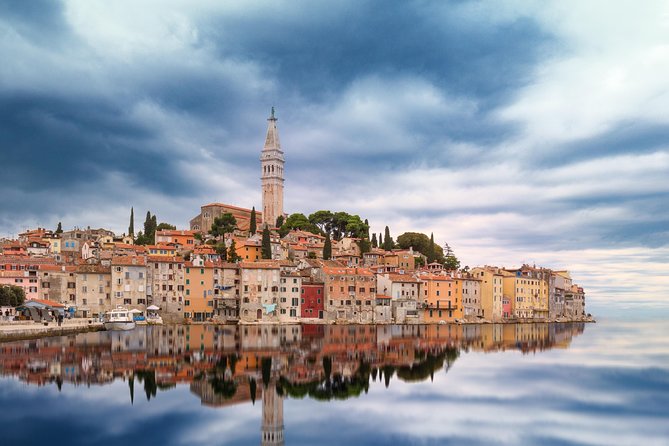
- Rovinj’s photo-walk effect, with Venetian-era walls and that seaside old-town charm.
- Hum for the Tuscany comparison, a small medieval stop that fits the hill-town mood.
- UNESCO-level stop at Poreč, anchored by the Euphrasian basilica area.
The value in starting from Zagreb at 7:30 am
If you’re doing Istria from Zagreb, timing is everything. You’ll leave at 7:30 am, and the drive to Pula is roughly 3 hours. That sounds like a commute, but it’s the difference between seeing highlights with daylight versus doing everything in a blur. I also like that you can choose the most convenient Zagreb spot for the start, and pickup is offered at your accommodation (you coordinate the exact pickup point with the provider).
The other practical win is comfort. This runs in an air-conditioned minivan, which matters once you’re in full sun along the coast. You also get a mobile ticket and the experience includes local professional driver/guide service, plus all taxes and fees—so you’re not piecing together what’s included on the morning of.
One small thing to keep in mind: the day runs long. The tour is designed to pack multiple towns into one stretch, so you’ll spend a meaningful chunk on the road. If your ideal pace is slow breakfasts, long museum time, and one town only, you might prefer a multi-day base instead. But if you want a greatest-hits day, this format is built for it.
You can also read our reviews of more tours and experiences in Zagreb.
Pula’s Roman stronghold: Arena vibes and the big-name monuments
Pula is where the tour turns from coastal postcard to serious ancient stone. It’s the largest city on the Istrian peninsula, with roots stretching back to ancient tribes, and then a Roman chapter that shaped the city’s bones. Your stop here centers on the kind of Roman architecture that still feels physically present—massive, durable, and not just “a photo of a ruin.”
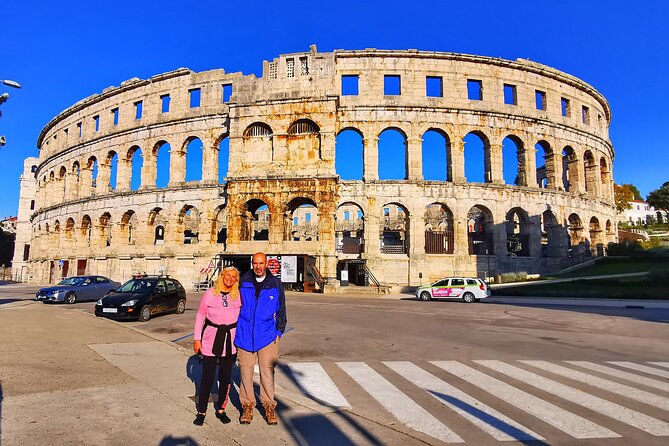
The headline attraction is the Arena—one of the best-preserved amphitheaters in the world. Even if you’ve seen other colosseums across Europe, you’ll likely feel the difference here. Reviews also highlight how intact it looks, and that’s exactly what you want from a one-day hit: not just history in theory, but structures you can still wrap your eyes around.
From there, you’ll also come across other Roman-era landmarks in the city, including:
- major city gates (like the Arch of the Sergii and the Gate of Hercules)
- the Temple of Augustus
What to expect on the ground: you’ll be guided through the key areas, then given time to walk and look. If you’re the type who likes to read while you walk, use the guide’s framing to spot details fast: arches, inscription-style stonework, and how the town’s layout echoes the Roman footprint.
Possible drawback? Roman towns can turn into “look, then move” if the narration time is short. One review pointed out a guide who didn’t say much at each destination. My advice: if you want more explanation, ask one or two pointed questions early—how the Romans used this spot, what to notice in the architecture, and how the city changed later. A good guide will usually respond with more detail.
Rovinj: the Venetian-walled seaside town that feels Italian fast
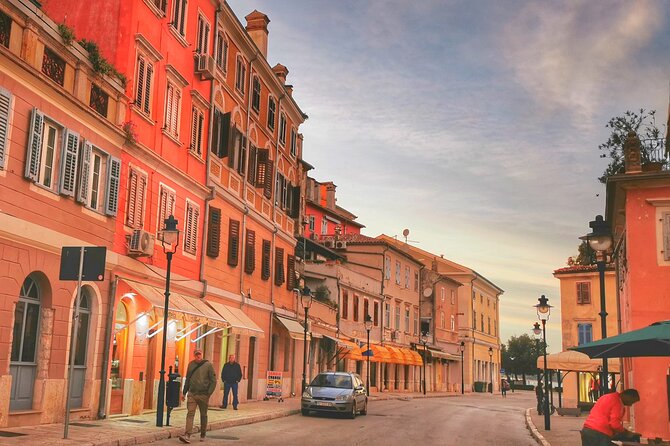
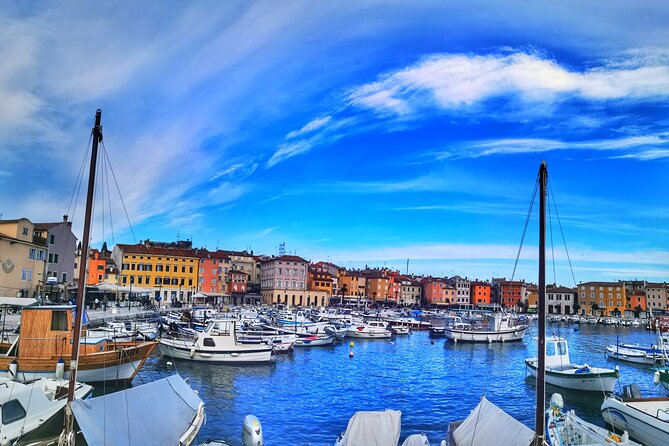
After Pula, the pace shifts into that “how is this still in Croatia?” feeling. The drive to Rovinj takes about 45 minutes, and Rovinj is built for wandering. The town started with Istrian tribes, but Venetian rule for centuries left clear traces—so clear that you’ll find both Italian and Croatian as official languages today.
Rovinj’s signature setting is its old-town layout: it was once on a small island near the mainland and later connected to it. You can still sense that island-town logic in the way streets fold inward and how viewpoints keep appearing. The tour time here is designed for a walking experience, not a bus-window experience.
What I like about Rovinj on this kind of trip:
- It’s easy to love without needing a lot of specialized knowledge.
- You’ll get photo opportunities constantly because the town is made of tight corners, church fronts, and sea-facing angles.
- The walls built during the Venetian era are visible in the town’s edges, giving you a sense of its old defense lines.
One review called Rovinj the jewel of the trip and said it has a real feel of Italy. I get that. Even if you’re not chasing every church detail, Rovinj rewards you for moving slowly and letting the streets “reveal themselves” rather than forcing a strict checklist.
Food-wise: the tour does not include lunch or a tasting. But at this stop, you’ll likely have the choice to grab something simple near the water. If you care about a sit-down meal with a view, I’d plan that you might use part of your free time here, because Rovinj is the kind of place where “I’ll just have a quick coffee” turns into an hour.
Poreč and the Euphrasian basilica: UNESCO without the stress
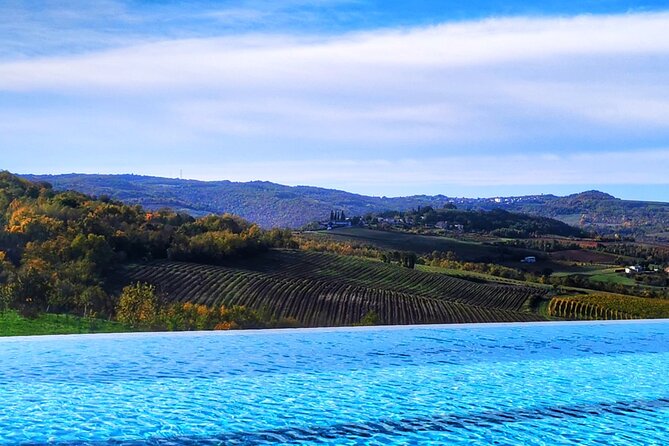
Next up is Poreč, about 45 minutes from Rovinj. This stop is the tour’s UNESCO anchor. The Euphrasian basilica is on the UNESCO World Heritage list, and it was built in the 6th century (often described with its later historical context around modern recognition). Even if you’re not a church-history person, the basilica area is worth your attention because it’s a concentrated “great art meets daily life” kind of site.
The tour includes walking through the main streets of the old town, and what you’re looking for is the layering of influences. The Roman influence is still noticeable in the town’s architecture and street patterns, and then the later basilica gives you a different kind of grandeur—more intimate and local than a huge civic ruin.
A practical tip: bring a quick plan for timing. If you arrive and the church doors or interior schedule create delays, you’ll lose the time you might want for wandering outside. On a day trip, you want to see the anchor site first, then loosen your grip for the side streets.
Also, note what’s included and what’s not. The tour mentions admission ticket free for the Poreč stop area, which helps. Entrance fees aren’t included overall, so always keep an eye on what’s marked free at each stop—but at Poreč, you should be able to enjoy the core highlight without the extra cost.
Hum: that Tuscany-style hill town feeling
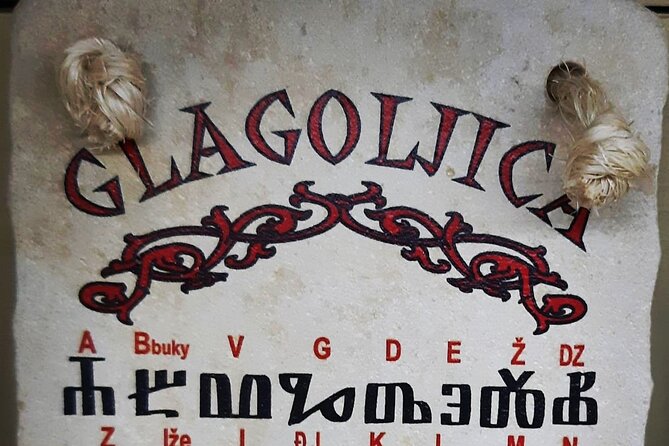
This tour is sold with “original Tuscany” energy, and that’s where Hum comes in. Hum is a medieval hill town vibe: small, compact, and built for slow looking rather than big-site sightseeing. Reviews specifically call it quaint and compare it to hillside towns in Tuscany, which matches the mood this region gives off—stone lanes, tight spaces, and a sense that the town exists because it has to, not because it’s trying to entertain you.
What you can reasonably expect from a Hum stop on a day trip:
- quick scenic viewpoints and photo angles
- a medieval feel in the street layout
- time to walk without needing reservations or big-ticket sites
Because the detailed minute-by-minute schedule for Hum isn’t spelled out in the info I have here, you should treat Hum as a flexible “character stop.” That’s the right mindset: don’t count on a long museum-style visit, but do expect it to add personality and variety to the day so the trip doesn’t feel like just coast-and-colliders.
If you’re a fan of Italian hill towns and you like the idea of a tiny place that still feels lived-in, Hum is exactly the kind of stop that justifies a long day.


Guide style and pacing: what you gain, what to watch
This tour runs with a local professional driver/guide and a minivan that moves you between towns. In theory, that’s how you save time and reduce decision fatigue. In practice, the quality of the day can hinge on how much the guide narrates versus how much they let you go off on your own.
The strongest reviews celebrate guides who were friendly, patient, and really willing to explain. One guide named Tonya was praised for being wonderful with kids and for making history feel lively and understandable. Another named Sasha was described as fun, honest, and kind, and also handled a late finish when weather shifted, waiting patiently. Those are the signs of a guide who adapts and communicates.
But there’s also a caution flag from one review: not every guide offers the same depth at each destination, and some days can feel like drop-off plus time limits. That doesn’t mean the tour is bad—it means your experience will vary based on the guide assigned and how your group prefers to learn.
My practical advice: be proactive. Ask for two things early:
1) what your guide thinks you should prioritize in each town
2) what the one or two “look for this detail” moments are
If your group wants more story and less free roaming, tell your guide that immediately after pickup. Small groups do respond to that.
Price and included value: what you get for $576.73 per group
Let’s talk value, not just cost. The price shown is $576.73 per group (and the listing indicates it’s for up to 1 traveler), so it reads like a small-group/private-style arrangement. The important part: you’re not only buying seats. You’re buying the structure that makes a one-day Istria tour realistic.
What’s included:
- hotel pickup and drop-off
- air-conditioned vehicle
- local professional driver/guide
- all taxes, fees and handling charges
- a guaranteed skip-the-long-lines element
What’s not included:
- beverages
- local food tasting or lunch
- entrance fees (though some specific tickets may be free at certain stops)
So where is the value? In the combination of (1) transport time management (this is a 3-hour drive each way area-wise), (2) door-to-door pickup flexibility in Zagreb, and (3) guided access to major sites like Pula’s Roman landmarks.
If you were to do this by yourself, you’d still need transit, parking hassle, and constant “what do we do now” decision-making. Paying for a guided format is often worth it when you only have one day and you want the big hits.
If you’re a super-budget traveler: be aware you may pay out-of-pocket for meals and any sites where entrance fees apply. The tour information here suggests some admissions are free (Poreč is called out that way), but not everything is bundled.
A realistic day plan: who this tour suits best
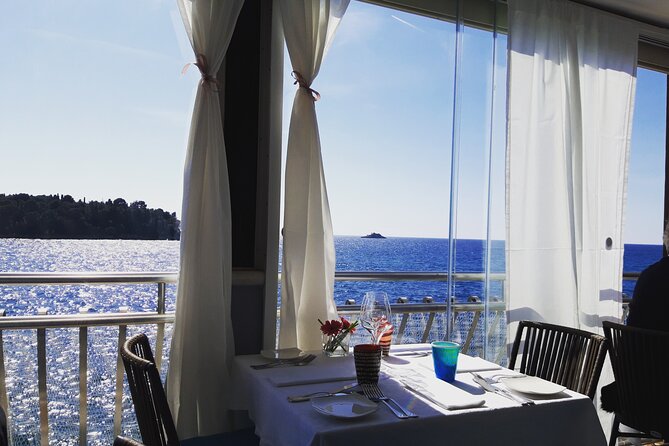
This is best for people who want a strong snapshot of Istria without rearranging their whole trip. It works particularly well if:
- you’re staying in or near Zagreb and want day-trip logic
- you love Roman sites but also want a coastal town feel
- you enjoy walking old towns and don’t mind long drives between stops
- you like flexible pacing in a max 8 group
It might feel too intense if:
- you hate early starts (7:30 am is non-negotiable in the plan)
- you want hours inside museums rather than short guided looks plus roaming
- you prefer a single region town rather than multiple different towns in one push
One more practical note: the tour requires good weather. If weather turns, the experience can be canceled and you’ll be offered another date or a full refund. For a coastal-and-stone-day, that matters.
Also, if you’re vegetarian, there’s an option available—just advise at booking. Since lunch and tastings aren’t included, having dietary needs flagged ahead of time helps you plan where and what to eat during free time.
Should you book Istria original Tuscany from Zagreb?
I’d book it if you want a one-day hit list that mixes the best Roman impact (Pula), the most postcard-friendly Italian-feeling town (Rovinj), and the hill-town Tuscany mood (Hum), with a UNESCO anchor at Poreč. The tour’s structure—pickup, A/C transport, skip-the-lines element, and a guided thread connecting the towns—turns a huge geography problem into a manageable day.
I’d think twice if you’re hoping for a slow, deeply narrated experience at every stop. This is a packing-the-day style tour. It can still be great (especially with an adaptive guide), but you’ll enjoy it most if you’re comfortable combining guided highlights with your own wandering time.
If you book, do yourself a favor: ask the guide what to prioritize at the first stop after pickup, and build one meal plan around your favorite town—Rovinj tends to be the one that wins people over fastest.
FAQ
What time does the tour start from Zagreb?
The tour starts at 7:30 am. It runs about 10 to 12 hours total.
Do I get picked up from my accommodation in Zagreb?
Yes. Pickup is offered at any accommodation in Zagreb that you agree on with the provider. The tour also has a stated meeting point at Meteorological PostZrinjevac.
How big is the group?
This experience has a maximum of 8 travelers.
Is the tour in English?
Yes, it’s offered in English.
Are entrance fees and lunch included?
Entrance fees are not included. Beverages, lunch, and local food tastings are also not included.
Is there a vegetarian option?
Yes. Vegetarian options are available if you advise the provider at the time of booking, along with any other dietary requirements.
What happens if weather is bad?
The experience requires good weather. If it’s canceled due to poor weather, you’ll be offered a different date or a full refund.