REVIEW · ZAGREB
Private Walking Tour of Zagreb
Book on GetYourGuide →Operated by Petros · Bookable on GetYourGuide
Zagreb has a way of surprising you on foot. This private walking tour threads medieval Zagreb, the city’s big landmarks, and the WW2 Tunnels into one smooth 2.5-hour plan.
I really like two things about this experience. First, it hits the key sights in a logical walking loop, starting in Zrinjevac and ending back at Ban Jelačić Square. Second, you get local context along the way, so places like the Cathedral, Dolac Market, and Tkalčićeva Street feel tied to real life, not just photos.
One thing to consider: the short funicular stop is more of a look-and-point moment because it’s closed for renovation until March 2026. If you were hoping for a ride up, this won’t be the tour for that.
In This Review
- Key highlights you’ll care about
- Where the tour starts: Zrinjevac Park and quick orientation
- Main Square to Zagreb’s name: Ban Jelačić Square basics
- Zagreb Cathedral: why it has survived and what to notice
- Dolac Market: the belly of Zagreb (and how locals live)
- Tkalčićeva Street: bar street energy without losing the story
- WW2 Tunnels: a moving detour you won’t regret
- The Upper Town (Gradec): medieval hilltop layout and rooftop views
- Saint Mark’s Church and the postcard skyline you can actually walk around
- Oldest pharmacy and the Stone Gate: medieval leftovers with meaning
- Witchcraft stories and small local surprises before returning to Ban Jelačić
- Funicular note: you’ll see it, but you won’t ride it
- Value check: is $76 per person worth your time?
- Who should book this private walking tour
- Should you book this tour?
- FAQ
- FAQ
- How long is the private walking tour of Zagreb?
- What is the starting meeting point?
- Does the tour include hotel pickup and drop-off?
- Is the tour private or group-based?
- What language is the guide speaking?
- What are the main highlights included in the route?
- Does the tour visit the WW2 Tunnels?
- Will I be able to ride the funicular during the tour?
- Where does the tour end?
- What is the price per person?
Key highlights you’ll care about

- Private pacing means you can go at a human speed, including on stairs and slopes
- WW2 Tunnels are built into the route, so you get more than sightseeing-only Zagreb
- Upper Town (Gradec) covers medieval streets, panoramic views, and the postcard skyline
- Dolac Market + Tkalčićeva bar street gives you both a food market and the local evening vibe
- Stone Gate + chapel details add a story you won’t notice wandering alone
- Funicular is nearby but closed until March 2026, so plan your expectations
Where the tour starts: Zrinjevac Park and quick orientation

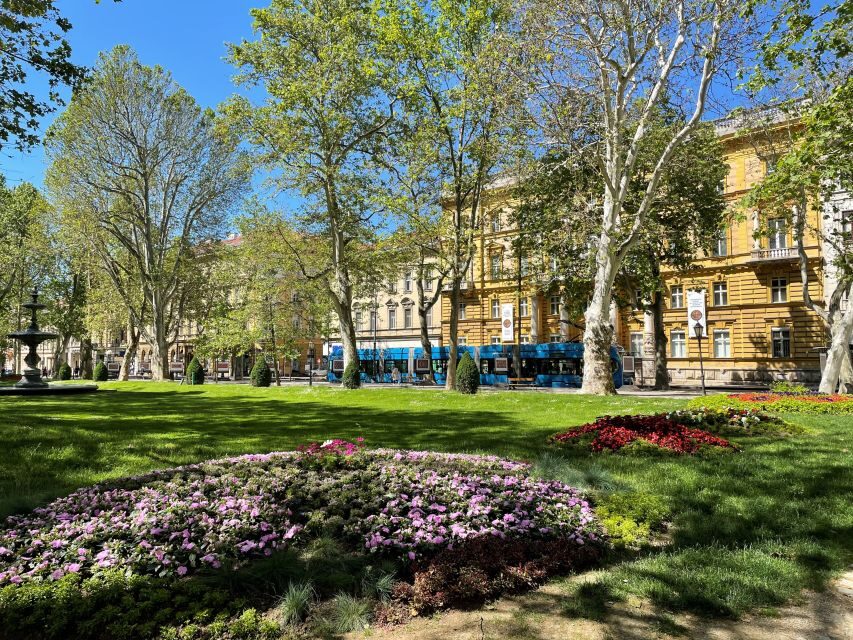
You begin at Trg Nikola Šubić Zrinski 2 in Zrinjevac Park, right next to the Meteorological station. On the north side of the park, there’s a display showing temperature and barometric pressure, which is a nice local touch while you get your bearings.
This start matters because Zagreb’s layout can feel layered. Your guide uses the opening walk to explain how the “two-part” feel of the city works: the lower core you’re about to explore, then the hilltop Upper Town (Gradec) later.
If you’re arriving with questions, this is the moment to ask them. A private format makes it easy to calibrate what you want more of: architecture, daily life, wartime stories, or views.
You can also read our reviews of more walking tours in Zagreb


Main Square to Zagreb’s name: Ban Jelačić Square basics
From the park, the route heads toward Ban Jelačić Main Square, the city’s best-known meeting point and the center of most walking plans. Here you’ll learn how Zagreb got its name, which is exactly the kind of background that makes later landmarks click.
This isn’t a speech where you get lost in dates. It’s more like the guide hands you a set of lenses: once you know what to watch for, the rest of the walk becomes easier.
As you move from the open square into the older lanes, you’ll notice how Zagreb balances grand spaces with tight streets. That mix is part of why the city works on foot.
Zagreb Cathedral: why it has survived and what to notice

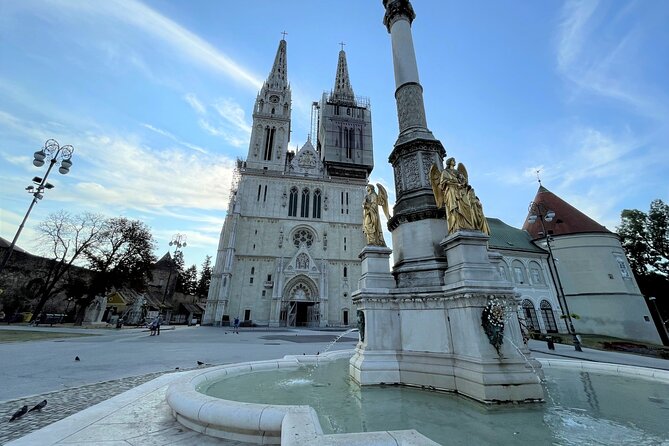
Next up is the Cathedral of the Assumption of the Blessed Virgin Mary, one of Zagreb’s most important landmarks. You’ll hear about its origins and the difficulties it has faced, plus what renovation has done over time.
Even if you know the cathedral’s name, the practical value is learning what to look for while you’re there. I love tours that teach you how to “read” a building instead of just pointing at it. You’ll also walk away understanding why the structure carries meaning beyond religion: it’s a visible timeline of the city.
If you like architecture, give yourself a second or two to slow down after the guide points out the key details. The cathedral works best when you actually see its proportions and setting in the streets around it.
Dolac Market: the belly of Zagreb (and how locals live)

From the cathedral area, the tour continues to Dolac Market, described as the belly of Zagreb. This stop is about more than shopping; it’s about daily rhythm—how people move, what they buy, and how the market anchors the city’s food culture.
What makes Dolac Market valuable in a guided format is interpretation. Your guide will connect the market to everyday habits, not just list what’s for sale. You’ll also get a sense of how Zagreb’s public spaces function during the day versus later in the evening.
If you’re hungry, this is the point where you might decide to snack or grab something light afterward. Even if you don’t buy anything, it’s a strong orientation stop for understanding the city.
Tkalčićeva Street: bar street energy without losing the story

Then comes Tkalčićeva Street, often called the bar street. The walk here is energetic—there’s a steady stream of people—but it’s not chaos. Your guide ties what you’re seeing to local “how we live” habits, including a philosophy of lounging and other everyday customs.
This is the kind of stop that helps you picture your evening plans. Zagreb doesn’t only run on museums and monuments. It runs on social life in public spaces, and this street is one of the clearest examples.
For practical reasons, wear comfortable shoes and keep your phone accessible. You’ll likely want a few quick photos, but you’ll also want to stay present enough to catch what the guide explains about local routines.
You can also read our reviews of more private tours in Zagreb



WW2 Tunnels: a moving detour you won’t regret

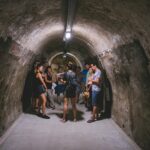
One of the biggest reasons this tour earns high marks is the inclusion of WW2 Tunnels. It’s a change of pace, and that’s a good thing. A lot of city walking tours stay on the surface; here you go underground and feel how the city responded during a dark period.
What makes this stop meaningful is that it’s not treated like a standalone museum visit. It’s woven into the rest of the walk so the story of Zagreb feels connected to the streets you already walked and the hilltop areas you’ll reach next.
If you’re sensitive to enclosed spaces or low light, plan accordingly and listen to your guide’s pacing. Even with a short visit, tunnels can be mentally and physically different from open-air streets.
The Upper Town (Gradec): medieval hilltop layout and rooftop views

After the tunnels, you head up to Upper Town (Gradec). This is one of the two medieval settlements that formed Zagreb, which helps you understand why the hilltop feels distinct.
Your walk includes the Strossmayer promenade, one of the best spots for panoramic views over Zagreb rooftops. This is where the city’s layout becomes visible at human scale. You stop, look, and suddenly the earlier streets make sense from above.
Next you’ll see Lotrščak Tower and Saint Mark’s Church. The church’s picturesque rooftop is the one most often sent from Zagreb on postcards, but the benefit of seeing it in-person is context—what it’s doing in the skyline and how it anchors the hilltop.
Saint Mark’s Church and the postcard skyline you can actually walk around
Saint Mark’s Church is famous for a reason, but the guided value is knowing where to stand so you can appreciate the roofline properly. You’ll get a feel for why this image keeps getting reproduced.
In a private tour, you can also linger for a few extra seconds without holding up a group. If you care about photos, this is one of your best moments to slow down and capture Zagreb’s signature view before continuing.
Oldest pharmacy and the Stone Gate: medieval leftovers with meaning
When you come back down through the old-town areas, the tour includes the oldest pharmacy in Zagreb, dating from the 14th century. Stops like this are small in scale, but big in atmosphere. They remind you that history isn’t only in squares and churches—it’s in everyday places too.
Then you’ll walk through the Stone Gate, part of the city walls and noted as the only gate that has survived. Inside, there’s a small chapel housing a miraculous picture depicting Our Lady, the patron saint of Zagreb.
This part of the tour feels special because it connects defense, faith, and civic identity. The gate is a physical remnant of protection, and the chapel adds the spiritual layer that shaped community life.
Take a breath here. It’s easy to move fast in old towns, but this is the moment where slowing down helps you actually register what the space is telling you.
Witchcraft stories and small local surprises before returning to Ban Jelačić
After the old-town sights, the guide shares stories about witchcraft and shows some smaller city surprises. This is where the tour shifts from monument mode into folklore mode, with a tone that’s meant to make the city feel lived-in and a bit mysterious.
Even if you’re not into folklore, this works because it keeps Zagreb from feeling like a checklist. The guide helps you see how locals remember, retell, and reshape the past in ordinary ways.
Finally, the tour returns to Ban Jelačić Main Square, where you finish and can head off on your own.
Funicular note: you’ll see it, but you won’t ride it
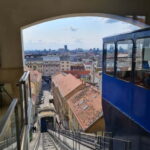
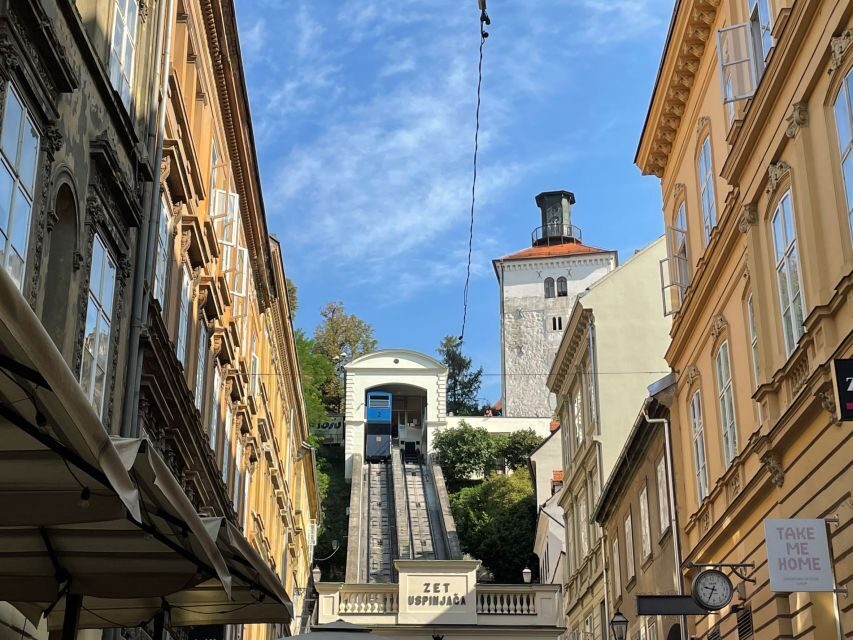
A short stroll away from the Upper Town area is the funicular, described as the oldest form of public transportation in Zagreb and in operation for over 135 years. The catch is timing: it’s closed due to renovation until March 2026.
This won’t change the walking route, but it can affect what you want from the experience. If riding the funicular is a must-do for you, you’ll need another plan for that day. If it’s more about the views and historic hilltop walk, the tour still delivers.
Value check: is $76 per person worth your time?
At $76 per person for 150 minutes, this sits in the “worth it if you like guided context” category. You’re paying for three things that are hard to copy on your own:
- A licensed local guide who explains what you’re seeing as you walk
- A route that includes both major landmarks and the WW2 Tunnels
- Hotel pickup and drop-off for centrally located hotels/hostels, which saves time and reduces hassle
Because it’s a private format, you’re also buying flexibility. If someone needs a slower pace, you don’t get stuck waiting for a group rhythm.
The biggest value gain is the connections. The guide ties cathedral stories to the rest of the city, connects market life to street behavior, and makes the hilltop feel like the same story rather than a separate attraction.
Who should book this private walking tour
This is a strong match if you want:
- A high-impact Zagreb overview in a short time
- A tour that mixes wartime history + medieval landmarks + everyday life
- A private pace for comfortable walking, even on stairs and slopes
- A guide approach that helps you understand what you’re looking at, not just where to stand
It may be less ideal if you:
- Need zero walking or zero stairs (the route is still a city walk)
- Are fixated on the funicular ride (it’s closed until March 2026)
Should you book this tour?
I’d book it if you want a guided backbone for Zagreb. The route makes practical sense: start in Zrinjevac, move through the main square and cathedral, hit Dolac and Tkalčićeva, go underground to the WW2 Tunnels, then finish with Gradec views and old-city details like the Stone Gate.
If you’re the kind of traveler who enjoys learning what places mean while you walk through them, this feels like a very efficient use of a day. And if you’re traveling with someone who needs a calmer pace, the private format is a real advantage.
FAQ
FAQ
How long is the private walking tour of Zagreb?
It lasts about 150 minutes, or roughly 2.5 hours.
What is the starting meeting point?
You meet at Trg Nikola Šubić Zrinski 2 (Zrinjevac Park) next to the Meteorological station.
Does the tour include hotel pickup and drop-off?
Yes, it includes pickup and drop-off for centrally located hotels or hostels.
Is the tour private or group-based?
It’s a private group walking tour.
What language is the guide speaking?
The live tour guide speaks English.
What are the main highlights included in the route?
You’ll cover the core sights from Zrinjevac through Ban Jelačić Main Square, the Cathedral, Dolac Market, Tkalčićeva Street, the WW2 Tunnels, and the Upper Town area including Lotrščak Tower and Saint Mark’s Church, plus the oldest pharmacy and Stone Gate.
Does the tour visit the WW2 Tunnels?
Yes, the WW2 Tunnels are part of the itinerary.
Will I be able to ride the funicular during the tour?
The funicular is near the route, but it is closed due to renovation until March 2026, so expect it to be a viewing stop rather than a ride.
Where does the tour end?
It ends back at Ban Jelačić Main Square.
What is the price per person?
The price is $76 per person.