REVIEW · ZAGREB
Exclusive old Zagreb walking tour
Book on GetYourGuide →Operated by Domagoj Tours · Bookable on GetYourGuide
Zagreb makes more sense once you walk its layers. This old Zagreb walking tour threads together Kaptol and Gradec, key squares, and a few photo-ready stops so you leave with real bearings, not just postcard points. It’s also built for an even pace: 90 minutes that aim to cover a lot without feeling rushed.
What I like most is the way the guide connects landmarks to the bigger story of the city, and how the route keeps you moving through the main atmospheres—formal civic squares, religious sites, and the everyday market side. One possible drawback: it’s an evening walk, and some stretches can involve uphill ground and stairs near viewpoints, so wear comfortable shoes even if the tour is wheelchair accessible.
In This Review
- Key highlights worth showing up for
- Zagreb’s Two Neighborhoods, One Clear Story: Kaptol and Gradec
- From King Tomislav Square to Ban Jelačić: The Squares That Set Your Orientation
- Zagreb Cathedral and Kaptol: Church-Centered Origins You Can Actually Visualize
- Dolac Open-Air Market and Opatovina: Where the City Feels Normal
- Kamenita Vrata and Old Town Zagreb: A Corner You’ll Remember
- St Mark’s Square, Churches, and Gradec Lookout: Old Zagreb at Full Volume
- Strossmayer Walk to Tower Lotrščak: Night Photos Without Guesswork
- Ilica Street, Zagreb Octogone, and Flower Square: End Where Zagreb Winds Down
- Price, Pace, and How Much You Really Get for $35
- Who This Tour Fits Best (and Who Might Want Something Different)
- Should You Book Domagoj’s Old Zagreb Walking Tour?
- FAQ
- Where does the tour start?
- How long is the walking tour?
- What’s the price per person?
- What route will we walk through?
- Is the tour guided and in English?
- Is the tour wheelchair accessible?
- Can I cancel for a full refund?
- Can I reserve and pay later?
- Are there photo opportunities?
- Do I need to speak Croatian?
Key highlights worth showing up for
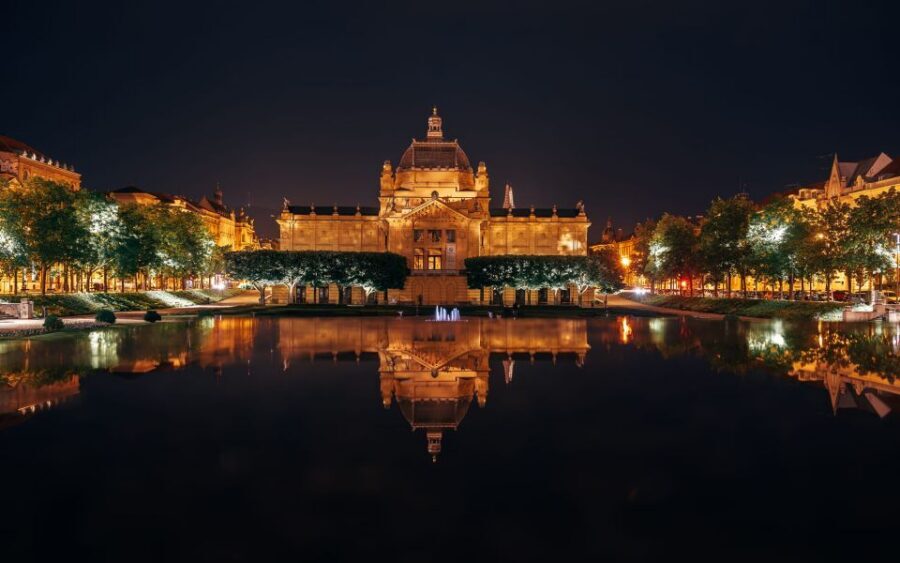
- King Tomislav to Ban Jelačić: Start in the city’s central civic rhythm, then trace what changed over time
- Cathedral + Kaptol: Understand Zagreb’s church-centered beginnings before you hit the viewpoints
- Dolac open-air market: See the local food pulse, then learn why this area matters
- Kamenita Vrata and St Mark’s Square: Old-town icons placed in context, not just pointed at
- Strossmayer walk to Tower Lotrščak: Night photos with the city laid out below
- Ilica Street to Flower Square: End where locals hang out when the day cools down
Zagreb’s Two Neighborhoods, One Clear Story: Kaptol and Gradec
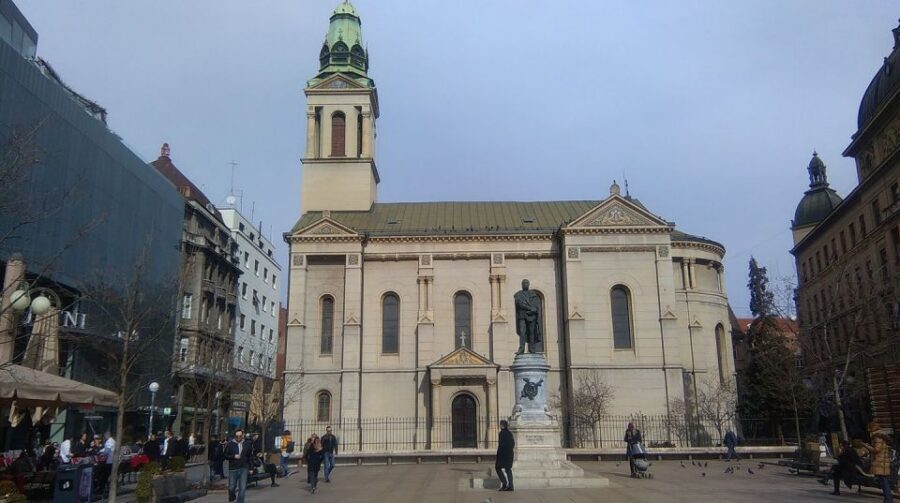
Zagreb’s geography is the cheat code. The city didn’t grow as one flat grid. It grew in two parts—Kaptol and Gradec—that rose up on opposite sides and, over time, shaped what Zagreb is today. This tour is smart because it doesn’t treat these areas like separate tourist zones. It connects them.
You’ll start with the religious and institutional side, including the cathedral area and Kaptol (the part tied to the Zagreb Archdiocese). Then you’ll shift to Gradec on the Medvednica slope—an older part of the city that, together with Kaptol, forms today’s Zagreb. That shift is more than a change of street names. It’s a change in vibe, power, and architecture.
The guide’s job is to translate the visible stuff into the logic of the city. You’ll hear how Zagreb’s buildings, squares, and street layout reflect the city’s past—who held influence, what got built where, and how that shows up when you stand in front of it. The result is you don’t just remember what you saw. You understand why it’s there.
You can also read our reviews of more walking tours in Zagreb


From King Tomislav Square to Ban Jelačić: The Squares That Set Your Orientation
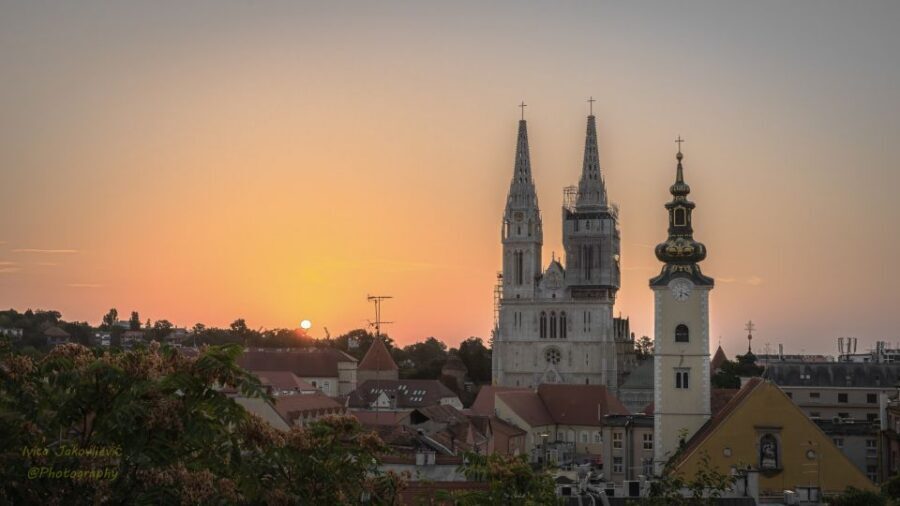
Most first-time Zagreb walks start late and end quickly. This one starts with a plan: you meet at King Tomislav Square in the evening hours, then work your way through the central squares that anchor the city.
From there, you go to Nikola Zrinjski Square, then continue to Ban Jelačić main square. These aren’t random stops. They help you learn the city’s center before you head into older streets and viewpoints. If you’ve ever walked into a new city and felt like you were spinning in circles, this is the fix.
Ban Jelačić Square is where Zagreb’s public life shows up fast—so it’s a good place to pick up context. The guide uses these squares as reference points for the rest of the route: you’ll start noticing how the city’s major directions line up and how the older parts relate back to the center.
A practical note: this is a 90-minute walk, so it stays moving. That can feel perfect if you want a focused orientation. If you’re the type who likes long museum time or lingering for snacks every ten minutes, you’ll probably want to pair this with a slower follow-up day.
Zagreb Cathedral and Kaptol: Church-Centered Origins You Can Actually Visualize
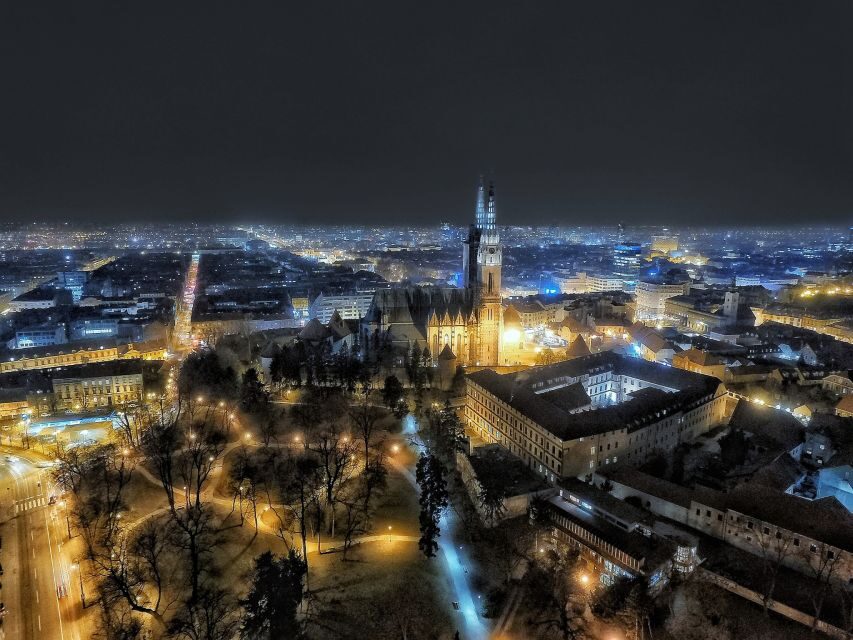
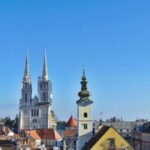
One of the best choices on the itinerary is stopping at Zagreb Cathedral and then getting into old Kaptol—part of the Zagreb Archdiocese. Cathedral areas can feel like a stop on a schedule. Here, the tour framing helps you see the cathedral and its surroundings as the physical result of long-term influence.
Kaptol isn’t just “where the big church is.” It’s part of the foundation story of how Zagreb formed. When you’re standing in the cathedral area, you’ll get better at reading the city’s architecture: what looks old, what looks rebuilt or expanded, and why this zone became a center of identity.
This is also where you’ll likely learn how art, culture, and architecture show up in daily life. A cathedral district is never only about religious buildings; it shapes the streets around it, the rhythm of movement, and the way the city organizes itself.
If you’re short on time, this section is high value. You’ll gain a foundation you can reuse later when you’re deciding what to visit on your own. The tour helps your eyes do the remembering.
Dolac Open-Air Market and Opatovina: Where the City Feels Normal
After the formal religious side, the itinerary shifts into a more human scale with Dolac, the open-air market, plus Opatovina nearby. This is one of the tour’s smartest pacing moves.
Markets like Dolac aren’t just for shopping souvenirs. They’re where locals pick up food, where the city’s daily routines show up, and where you can get a snapshot of what Zagreb values in everyday life. The guide also uses this area to connect history with what you can still see now.
Opatovina then acts like a bridge. It helps you transition from the market zone into the older fabric of the city, so you’re not jumping from one “major sight” to another without context. You come away feeling like you walked through different Zagreb personalities, not just checked items.
Keep in mind this is an evening walk. The market may feel different than it does at peak daytime hours, depending on timing. That’s not a downside—it’s just a reason to treat Dolac as a context stop: you’re learning what the market represents, not trying to do full grocery shopping.
Kamenita Vrata and Old Town Zagreb: A Corner You’ll Remember
Now you start moving into the old-town core, and two stops make that shift feel real: Kamenita Vrata and then the way you reach Old town Zagreb.
Kamenita Vrata is described as one of the best preserved monuments of old Zagreb, and it helps that it’s visually distinctive: a building shaped like a rectangular tower. That kind of landmark acts like a navigation marker, but the tour gives it meaning too—why it was built, why it survived, and why it matters in the larger story of the city.
From there, you’ll continue into older street territory where you can feel the difference in architecture and street layout. This is the part where you’ll likely think, Okay, so this is what people mean when they say Zagreb has layers.
The tour also mentions that you’ll see major civic buildings like the city council and parliament, plus the Museum of Broken Relationships. That museum might sound unusual, but it fits Zagreb well. It’s a place that turns a personal story into public art, and it reflects how the city talks about emotion and memory in a way that’s not purely official.
If you’re the sort of person who likes the official and the weird side of a city, this sequence is a win.




St Mark’s Square, Churches, and Gradec Lookout: Old Zagreb at Full Volume
St Mark’s Square is a key moment on the route. The tour includes St Mark’s Square, where you’ll see the city council area and several churches and historical buildings. It’s the kind of spot where the photos look good because the architecture is already dramatic—but the real payoff is understanding what you’re looking at.
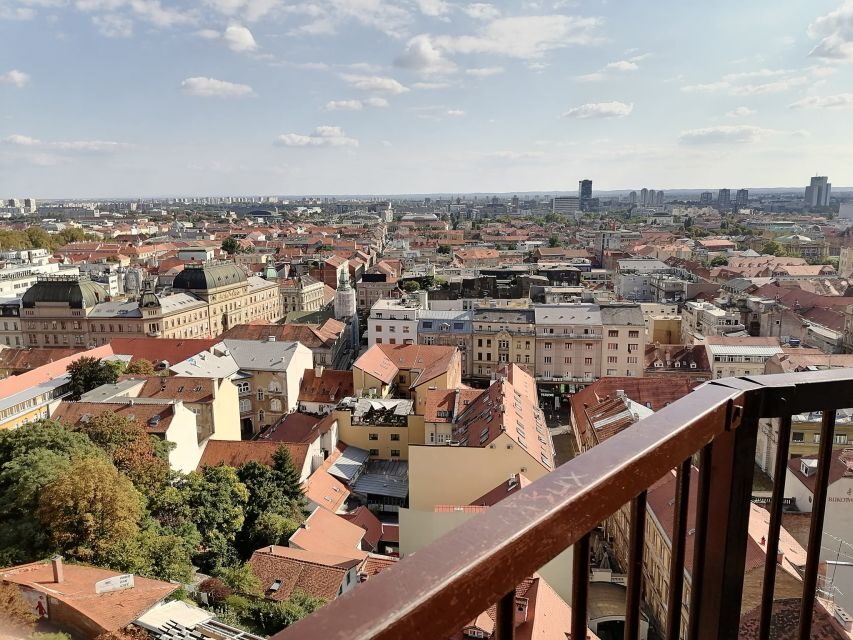
Then comes Lookout Gradec, which is where the “old town” part becomes “Zagreb in one frame.” When you’re standing in this area, you can connect earlier stops to what the city looks like from above.
You’ll also learn how Gradec and Kaptol together became the basis of today’s Zagreb. That line of explanation matters because it changes how you read the city: Gradec stops being just a pretty old area. It becomes one of the engines of Zagreb’s origin story.
And yes, you’ll get that sense of standing at a viewpoint where the city opens up in front of you. The tour aims to make sure you know where you are and why that spot is worth the climb.
Strossmayer Walk to Tower Lotrščak: Night Photos Without Guesswork
Here’s the part that makes this tour feel special: the itinerary includes the Strossmayer walk to a Zagreb viewpoint beneath the ancient Tower Lotrščak, timed for those evening moments when the city looks its best.
Tower Lotrščak is one of those anchors in Zagreb’s skyline. It’s also tied to the funicular line, and the tour uses that connection to keep navigation logical. When you know how the funicular and the tower relate, the city starts to feel less like a puzzle and more like a map.
The tour specifically highlights that you can take exclusive photos of Zagreb at night here. That doesn’t mean everyone gets perfect shots, of course. It means you’re guided to the correct area rather than hoping you’ll stumble into it later.
Strossmayer walk is also a nice change of pace. It’s not another “stand and listen” moment. It’s movement with a payoff: each step helps you reposition your view of Zagreb.
Practical tip: evening light can be tricky. If you have a phone, switch to night mode or use steady hands. If you’re using a camera, consider a higher ISO so the sky doesn’t go flat.
Ilica Street, Zagreb Octogone, and Flower Square: End Where Zagreb Winds Down
After the viewpoints, you head back into the street-level world. You’ll follow the line of the Zagreb funicular to Ilica Street, which the tour notes is the longest street in Zagreb. Then you’ll pass by the Zagreb Octogone and finish at Flower square, where Zagreb youth tends to hang out at pubs in the night time.
This ending matters. A lot of tours stop right after the scenic views. This one keeps the momentum going until you reach an area that feels like current-day Zagreb, not just old stones. Ilica Street is where you see the city’s everyday flow—shops, walkers, the kind of street energy that helps you plan a night out without wandering.
Flower square is a good final stop because it’s an easy place to transition into dinner and a drink. You can treat it like your launchpad: you now understand the direction you came from, and you know you’re in a lively zone after dark.
If you’re traveling with kids, a stroller, or someone who needs smoother pacing, this is another area where route planning helps. One common theme from the experience is that the itinerary works well for people who need practical accessibility, not just perfect photography.
Price, Pace, and How Much You Really Get for $35
At $35 per person for 90 minutes, this tour isn’t about buying time at a slow pace. It’s about buying orientation and context.
For that price, you’re getting:
- A live English-speaking guide, Domagoj
- A route that links major squares, cathedral/Kaptol, market life (Dolac), old-town monuments (Kamenita Vrata), civic landmarks, and night viewpoint spots
- A structured walk that reduces the mental load of figuring out where to go next
The biggest value is that the guide doesn’t just point. He connects what you see to what it means. If you’re spending only a day (or a night) in Zagreb, a focused tour like this can save you hours of map-checking. You’ll leave knowing what to prioritize later, and what to skip if you’re short on time.
Also, the tour is listed as wheelchair accessible, which is a real factor when older streets and hills usually make things harder. Even with that, you should still plan for evening walking: comfortable shoes matter for everyone.
This is also a good deal if you like history but hate lectures. The tour aims to be engaging and practical, including current affairs context alongside the city’s past. That mix makes the city feel like it’s still alive, not stuck in a museum.
Who This Tour Fits Best (and Who Might Want Something Different)
This one fits you well if:
- You want a fast, guided orientation of old Zagreb without getting lost
- You like history that’s explained in a way you can see on the street
- You plan to spend evenings in Zagreb and want a viewpoint that works for photos
- You need a route that’s more friendly for wheelchair users and strollers
It might be less ideal if:
- You want lots of time inside museums or churches (this is a walking orientation tour)
- You prefer fully daytime sightseeing with fewer evening crowds (you’re starting in the evening hours)
- You want a slow, lingering pace every few blocks
Still, the balance here is strong. It’s not just scenic. It’s organized. And the guide’s style tends to keep things relaxed, so you’re not trapped in a stiff group rhythm.
Should You Book Domagoj’s Old Zagreb Walking Tour?
If you’re trying to get your head around Zagreb quickly, I’d book it. The route is designed like a story, not a scavenger hunt: central squares first, then cathedral/Kaptol, market life, old-town monuments, civic spots, and finally viewpoints for night photos. You get a clear sense of where the city’s past shows up in the present.
At $35 for 90 minutes with an English live guide, it also feels like good value for travelers who want more than basic sightseeing. You’ll likely leave with a mental map, a better sense of Zagreb’s identity, and a few practical ideas for what to do next.
If you’re the type who enjoys learning while walking—and you want your evening in Zagreb to start off in the right place—this is a solid choice.
FAQ
Where does the tour start?
You meet at King Tomislav Square in the evening hours.
How long is the walking tour?
The tour lasts 90 minutes.
What’s the price per person?
The price is $35 per person.
What route will we walk through?
You’ll cover King Tomislav Square, then Nikola Zrinjski Square, and Ban Jelačić main square, with stops including Zagreb Cathedral, Kaptol, Dolac, Gradec, Kamenita Vrata, St Mark’s Square, Lookout Gradec, Tower Lotrščak viewpoint, Ilica Street, Zagreb Octogone, and Flower square.
Is the tour guided and in English?
Yes. There is a live tour guide and the tour is in English.
Is the tour wheelchair accessible?
Yes, the tour is listed as wheelchair accessible.
Can I cancel for a full refund?
Yes. You can cancel up to 24 hours in advance for a full refund.
Can I reserve and pay later?
Yes. The offer includes Reserve now & pay later, so you can book a spot and pay nothing today.
Are there photo opportunities?
The itinerary includes a viewpoint under Tower Lotrščak where you can take photos of Zagreb at night.
Do I need to speak Croatian?
No. The tour language is English, so you should be fine if you only speak English.