REVIEW · SPLIT
Split: Private Walking Tour with Diocletian’s Palace
Book on GetYourGuide →Operated by www.splitwalkingtour.com · Bookable on GetYourGuide
Split is one of those places where history feels close. This private walking tour threads together Diocletian’s Palace ruins and the older streets that grew around them, with a guide who shapes the route to your pace and interests. You’ll also get a strong mix of landmarks, from Roman walls and gates to churches and palace spaces that explain how Split became Split.
What I like most is the private, personalized format. It’s easy to ask questions, slow down when something grabs your attention, and avoid feeling herded. I also love the focus on the palace spaces that make sense on foot, especially areas like the Cathedral of Saint Domnius (St Duje) and the cellar/peristyle complex—sites you can’t really appreciate just by strolling past.
One thing to plan for: this is a walking tour and it’s not suitable for wheelchair users, so you’ll want to be comfortable on historic streets and steps.
In This Review
- Key highlights to look forward to
- Meeting at Golden Gate: the easiest way to get your bearings
- Pop culture meets Roman stones: the Game of Thrones Museum stop
- People’s Square, Fruit Square, and the daily rhythm of Split
- The Riva promenade: where the palace-town story feels modern
- Diocletian’s Cellars: learning the palace from the inside out
- Peristil: the palace courtyard that teaches architecture
- Cathedral of Saint Domnius (St Duje): the story of 311 AD
- Vestibul and the palace-to-town transition
- The family-friendly part of this tour (and why it works)
- How long is enough: 90 minutes vs. 5 hours
- Price and value for a private tour up to 2
- Who should book this tour
- Should you book this Split private tour?
- FAQ
- Where is the meeting point?
- How long is the tour?
- Is this a private tour?
- What languages are available?
- What sites will we visit during the walk?
- What should I bring?
- Is the tour wheelchair accessible?
- Is it flexible if my plans change?
Key highlights to look forward to
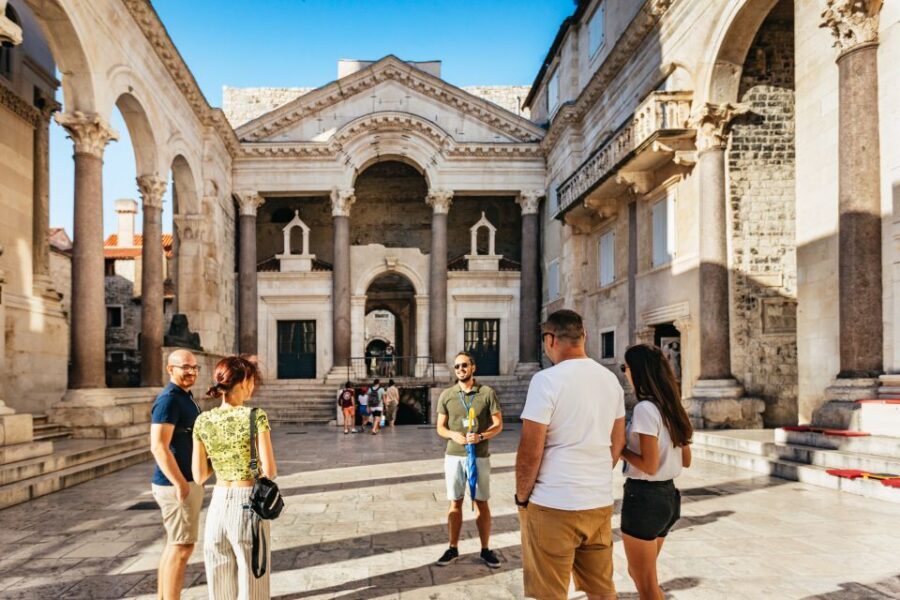
- Golden Gate start point at the North Gate of Diocletian Palace, with your guide easy to spot (blue umbrella).
- Flexible timing (90 minutes to 5 hours) so you can match the tour to your energy and schedule.
- Diocletian’s Palace areas you can actually connect: cellars, Peristil, Vestibul, and palace walls within the town fabric.
- St Duje Cathedral on the site tied to Diocletian’s burial (311 AD), with the story told in context.
- Old Town route variety, from Romanesque and Gothic touches to Renaissance/Baroque palaces and medieval squares.
- Local-guided stops that feel more human, with room for questions and practical recommendations.
Meeting at Golden Gate: the easiest way to get your bearings
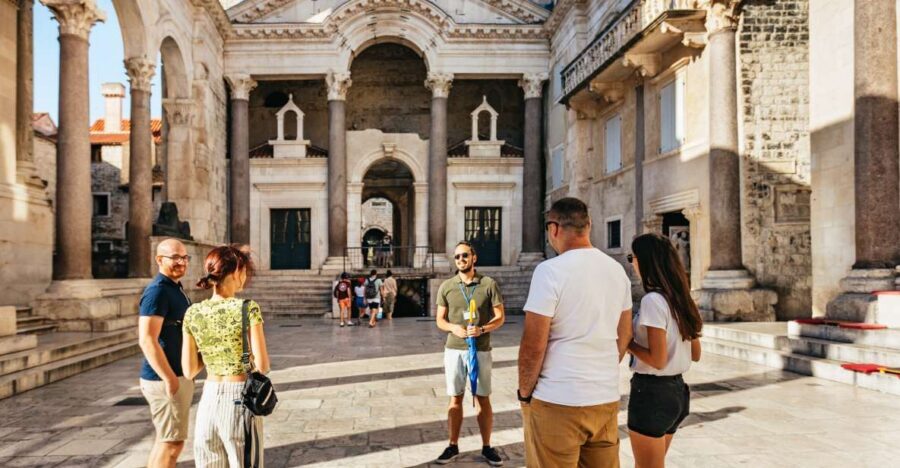
Your tour starts at Golden Gate, specifically the North Gate of Diocletian Palace. It’s a smart choice: you’re at the edge of the palace world right away, and from here Split’s street layout starts to click. When you arrive, look for your guide with the blue umbrella—simple and efficient, especially if you’re meeting in a busy area.
Golden Gate itself isn’t just a pretty entrance. It’s tied to the medieval evolution of the palace. Along the way, you’ll also hear about features like the tower-clock, which has kept time in Split since the 15th century. That’s the kind of detail that makes you see the city differently: timekeeping, architecture, and power changes all stacked on the same stone.
Potential drawback to consider: your first minutes may feel like orientation mode. If you prefer a slow start, you’ll likely enjoy this tour more than a lightning-fast highlights run.
You can also read our reviews of more walking tours in Split
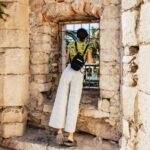
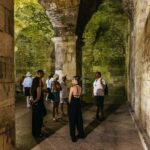

Pop culture meets Roman stones: the Game of Thrones Museum stop
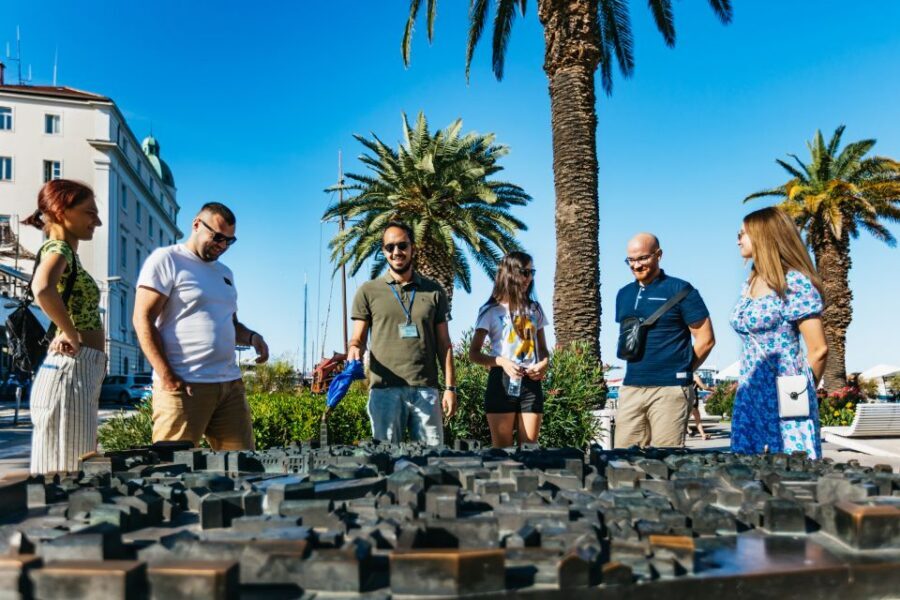
After Golden Gate, the route includes a quick stop at the Game of Thrones Museum. This is short, which matters. It gives you a reference point for visitors who like that layer of pop culture, without letting it take over the entire experience.
If you’re traveling with teens or you’re just curious about how the show’s popularity has affected tourist focus in Split, this stop can be a nice bridge. You can step out, reset your expectations, and then refocus on the older city.
Practical note: museums often feel cooler than the streets, which can be helpful if you’re walking in midday heat. And because your guide controls the pace, you can spend a bit less time here if your priority is architecture and palace ruins.
People’s Square, Fruit Square, and the daily rhythm of Split
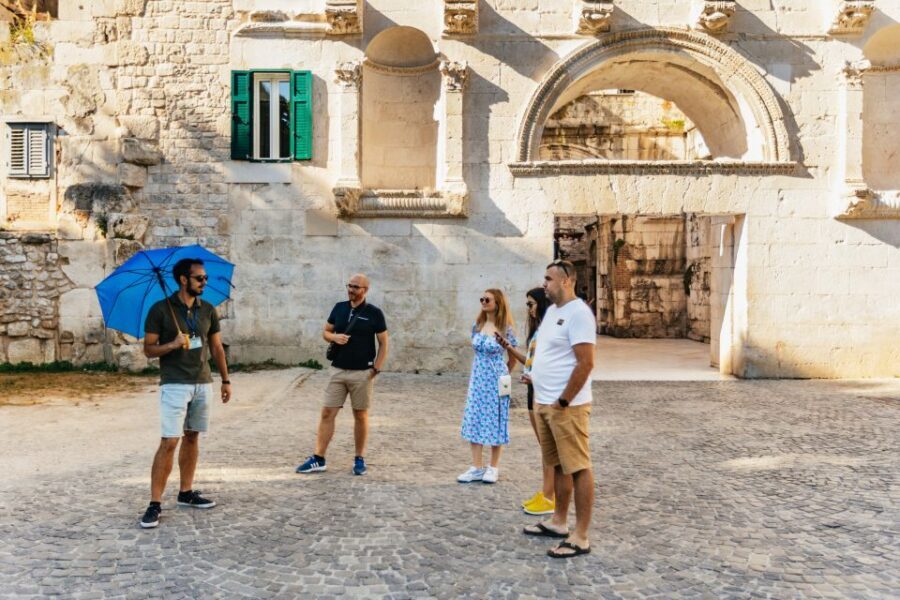
Next comes the more lived-in side of the medieval city. You’ll walk through People’s Square and Fruit Square, both timed as short guided moments. That structure works well: you get the meaning of the place, then you move before you get worn out.
Here’s why these stops are valuable. In historic cities, it’s easy to treat old buildings like museum exhibits. Squares break that habit. They show you where daily life happened, where people gathered, and where trade shaped the streets. Split’s layout is partly the story of the palace, but it’s also the story of how ordinary life kept building around it.
Near the tour’s route through this zone, you’ll also encounter places that the city treats as practical touchpoints—things like the Fish Market and the promenade over Riva Harbor. Even if you just observe, those sights help you understand why Split didn’t stay frozen in time. It kept functioning.
One small consideration: these areas can be brighter and more open, so bring the basics—sunglasses and a sun hat if the weather is strong.
The Riva promenade: where the palace-town story feels modern
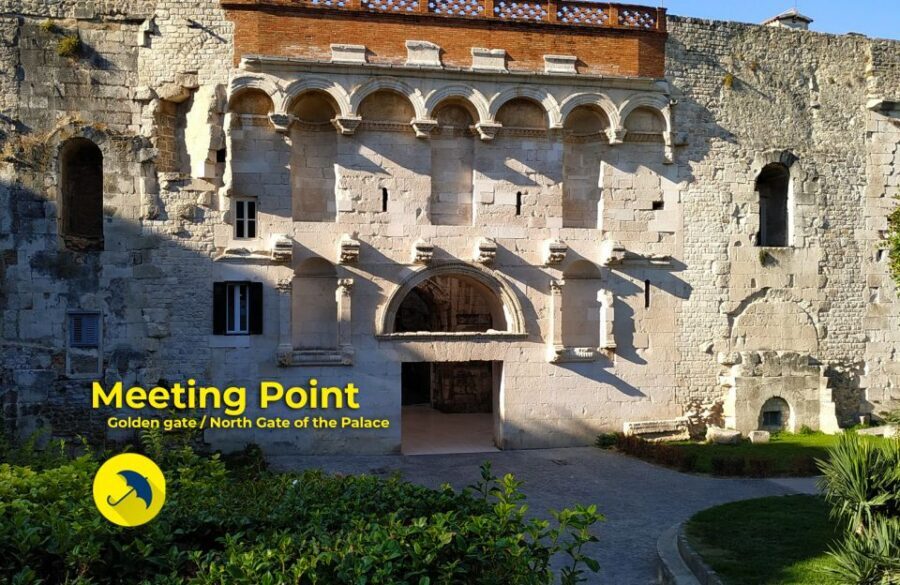
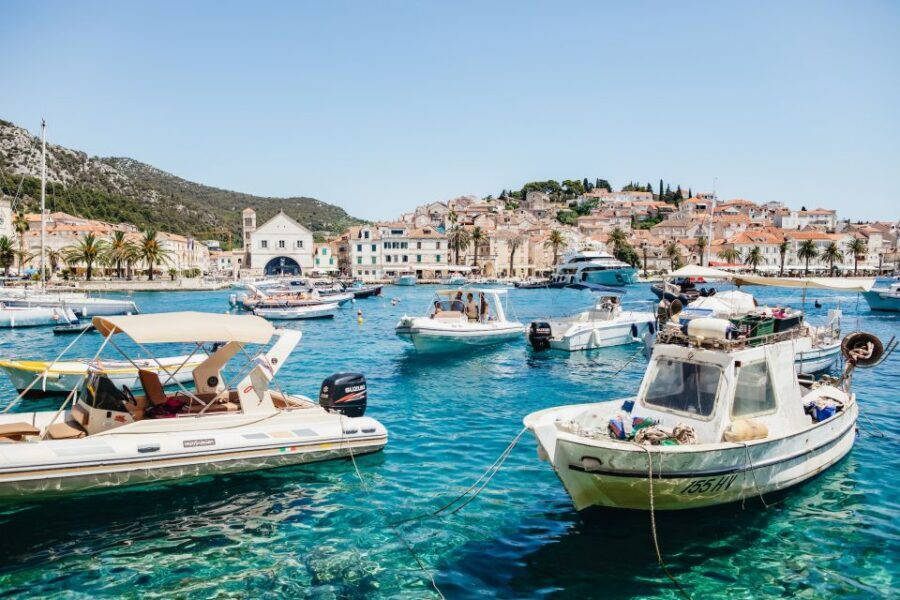
Riva is the moment when Split starts acting like a seaside city you could enjoy right now, not just a place you study. Your tour includes Riva, with time for a guided walkthrough and context.
Why I think this stop matters: it shows the contrast between the thick palace walls and the everyday energy outside them. You get to see how the palace world connects to the harbor world, and how that mix shaped the city’s identity.
If you’re wondering how to pace yourself, this is a good place to ask your guide for quick restaurant or coffee ideas, too. The format is private, so it’s easy to turn a sightseeing moment into a practical plan.
Diocletian’s Cellars: learning the palace from the inside out

Then you shift back into the palace itself. Diocletian’s Cellars are a standout because they’re not just a hallway of ruins. They’re part of how Diocletian’s complex worked as a living space—storage, support spaces, and built-in infrastructure under and around the ceremonial areas.
A guide makes this much easier. Instead of seeing arches and stonework and guessing, you’re guided through the logic of the palace plan. You start to connect what you’re walking on with what existed above it.
For your planning: cellars can mean cooler air and more shade, which is useful on hot days. The flip side is that you should still expect walking and steady attention, since the guide’s job is to connect each room to the larger story.
You can also read our reviews of more private tours in Split





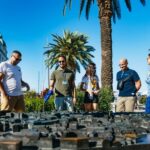
Peristil: the palace courtyard that teaches architecture
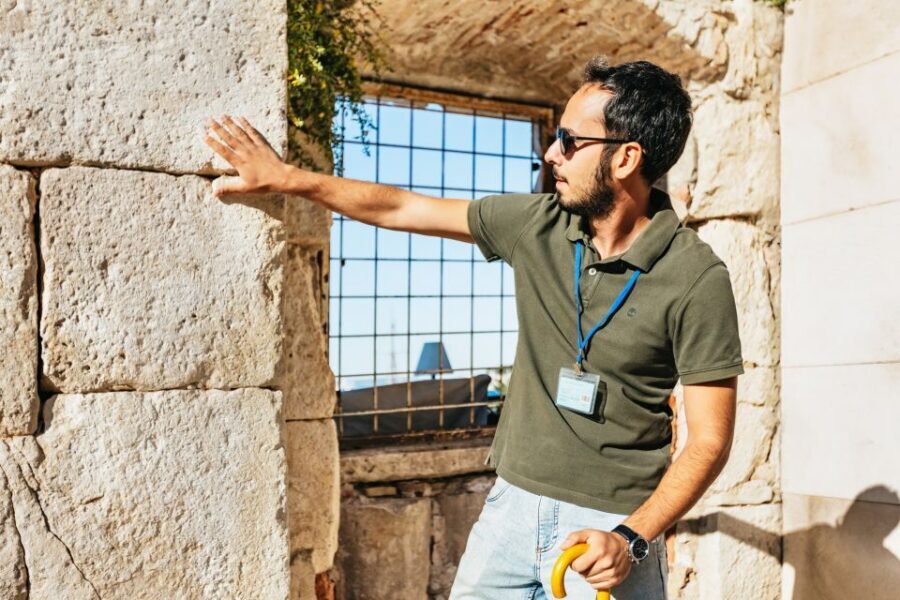
From cellars, the tour moves to Peristil. This is one of the best “aha” stops because a courtyard-level view helps you understand palace scale. It’s where the city’s imperial design starts to feel real—open space framed by architecture, with the palace’s structure telling you how movement and power were organized.
This is also the part where your guide’s tone can really shape the experience. If your guide is energetic—like some of the locals you may be matched with, such as Slavko in past tours—Peristil can turn into a lively explanation rather than a list of names and dates.
Even if you’re short on time, Peristil is where you’ll likely appreciate the tour most. You’ll understand not only what’s there, but how it fit together.
Cathedral of Saint Domnius (St Duje): the story of 311 AD
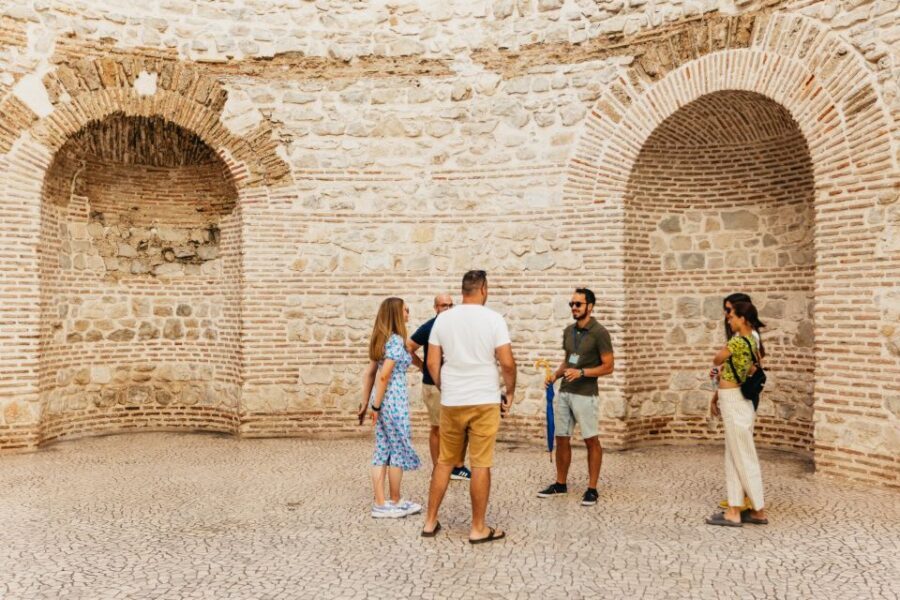
Next is the Cathedral of Saint Domnius, locally known as St Duje. The guide work here is crucial, because this church is both a religious landmark and an anchor point for Split’s Roman past.
You’ll learn that it was built in the 5th century on the site where Diocletian, the last famous persecutor of Christians, was interred in 311 AD. That single detail gives the whole stop emotional weight. You’re not just looking at an old building. You’re looking at the way power and belief changed over centuries, and how those shifts were physically placed into the city.
Drawback consideration: churches can involve steady standing time and watching your step on historic surfaces. If you like taking breaks, ask your guide to slow the pace for a moment before you go in deeper.
Vestibul and the palace-to-town transition
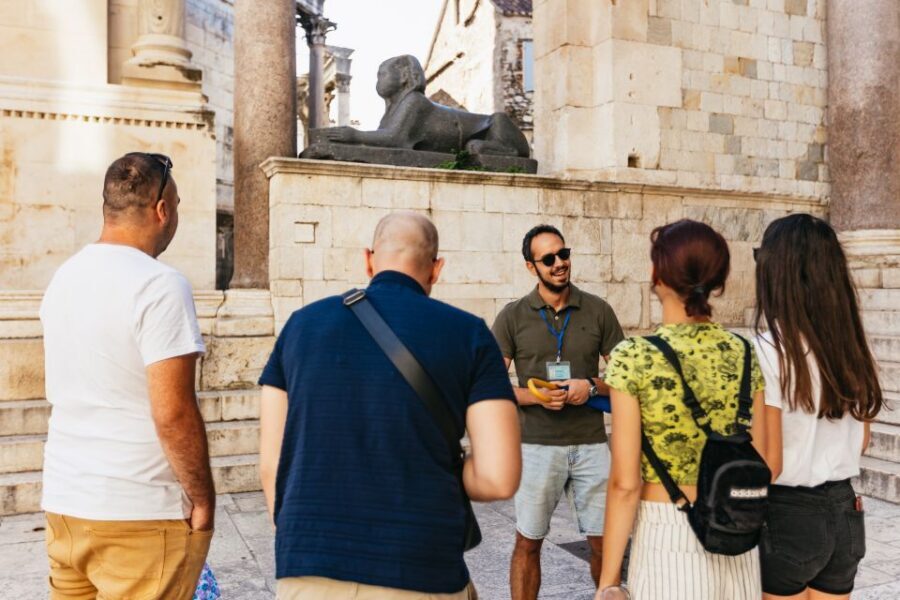
After the cathedral, the route includes the Vestibul. Think of it as the bridge. It helps connect the sacred and ceremonial parts of the palace to what surrounds them in daily Split life. It’s the kind of stop that feels smaller than Peristil from a distance, but gains meaning when you understand where it sits in the larger complex.
If you’re traveling with family, this is a good moment to ask your guide to tailor the explanation. A private format means you can go simple for kids or go deeper for adults without derailing the whole tour.
The family-friendly part of this tour (and why it works)
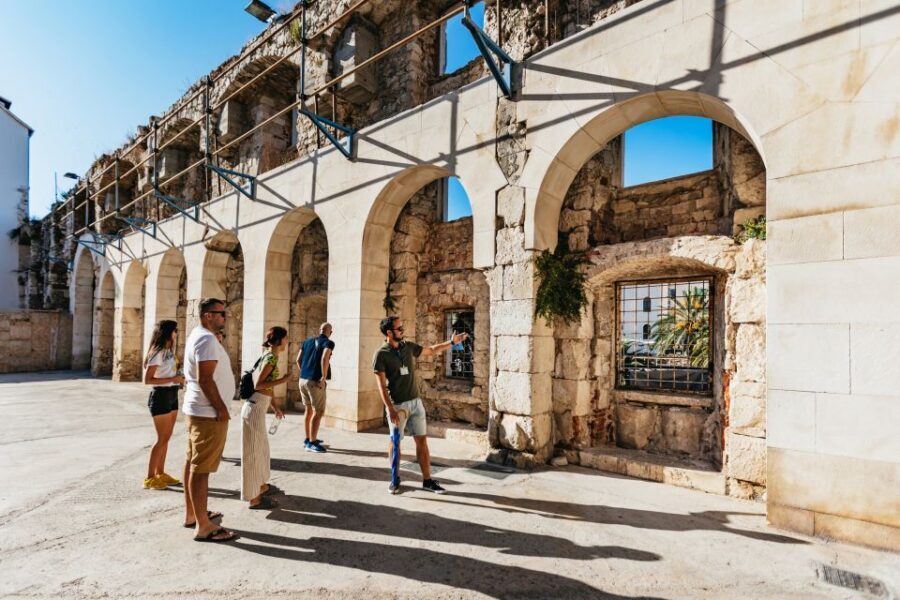
The tour is built to fit a range of ages. That’s not just marketing. A private guide can choose the right level of detail and adjust how long you linger at each stop. A good sign is when guides clearly enjoy answering questions—some guides tied to this experience have been praised for doing exactly that.
If you’re with kids, you’ll probably appreciate the mix of “storybook” landmarks (like gates and clock towers) and “real-world” stops (squares and markets). It keeps attention from flagging. If you’re traveling solo or as a couple, the private format keeps you from feeling trapped by other people’s pace.
How long is enough: 90 minutes vs. 5 hours
One of the most useful features here is the time range: 90 minutes to 5 hours. That flexibility matters because Split rewards walking at a human tempo. If you only have 90 minutes, you’ll likely focus on the palace core and key highlights. With more time, you can slow down in places that interest you and ask follow-up questions without feeling rushed.
My practical advice: choose based on energy and weather. In cooler conditions, you can safely lean toward longer time. In strong sun, a shorter tour can still give you a great “palace + cathedral” experience without cooking your brain.
Price and value for a private tour up to 2
This tour costs $117 per group for up to 2 people. On its face, that’s not “cheap,” especially if you’re comparing it to big-group walking tours. But this is where value matters.
You’re paying for:
- A professional local guide who can keep the route flexible,
- A private experience (so your questions don’t get cut off),
- And time in high-value sites like the palace areas, St Duje, and central squares.
For two people, the math often looks better than it first appears—especially because Split’s old town isn’t the easiest place to self-navigate if your goal is real context. Even if you love guidebooks, a private guide helps you connect the dots faster, so you spend your time seeing rather than guessing.
If you’re traveling alone and want one-on-one help, this still can be worth it when you consider how much easier it is to enjoy the city when you’re not doing all the interpretation yourself.
Who should book this tour
This is a strong match if you want:
- A private walking tour rather than a group shuffle,
- A guide-led explanation of how the palace connects to the rest of Split,
- A route that works for couples, friends, or families,
- And the ability to set the pace instead of following a strict schedule.
It may be less ideal if you hate walking, need wheelchair access, or prefer a purely self-paced photo hunt with no guided context.
Should you book this Split private tour?
If you’re going to Split once, I’d book it. The combination of Diocletian’s Palace spaces and St Duje gives you the heart of the city in a guided format that saves time and confusion. The private, flexible setup also helps you get a better experience than a one-size-fits-all route.
If you’re the type who loves asking questions and likes to understand what you’re seeing (not just snap photos), you’ll likely find this tour hits the sweet spot. Just wear comfortable shoes and plan for walking—this isn’t a sit-and-watch kind of visit.
FAQ
Where is the meeting point?
You’ll meet at Golden Gate – North Gate of Diocletian Palace in Split. Look for your guide with a blue umbrella.
How long is the tour?
The duration can range from 90 minutes to 5 hours, depending on starting times and how you want to pace the walk.
Is this a private tour?
Yes. It’s a private sightseeing tour with a private group format.
What languages are available?
The live tour guide is available in English, German, Spanish, and French.
What sites will we visit during the walk?
You’ll cover key areas such as Golden Gate, the Game of Thrones Museum, People’s Square, Fruit Square, Riva, Diocletian’s Cellars, Peristil, the Cathedral of Saint Domnius (St Duje), and the Vestibul.
What should I bring?
Bring comfortable shoes, plus sunglasses and a sun hat.
Is the tour wheelchair accessible?
No. It is not suitable for wheelchair users.
Is it flexible if my plans change?
Yes. You can reserve now & pay later, and you can cancel up to 24 hours in advance for a full refund.