REVIEW · ZAGREB
Traditional Workshop Experience Hearts Of Zagreb
Book on Viator →Operated by Hearts Of Zagreb · Bookable on Viator
A handmade heart in one hour? That’s the sweet spot here. In Zagreb, you step into a preserved traditional house and spend the evening with dancers in regional folk costumes, then get practical with two Croatian crafts. I especially like making a Licitar heart you can decorate yourself and keep, and I like that the visit doesn’t stop at crafts—it includes a guided house walk with culture facts plus rakija. One thing to consider: like any small, timed experience, if something goes wrong with scheduling, you could show up and wait for a guide.
You’ll find the whole format feels focused and friendly: create your souvenirs, learn how the pieces connect to Croatia’s regions, then meet the performers for questions and photos. My only caution is timing—this starts at 6:00 pm—so plan to arrive a bit early at Preradovićeva ul. 31 and don’t count on the workshop running long.
In This Review
- Key Things I’d Prioritize
- A Traditional Zagreb House With Folk Music Energy
- Making Your Own Licitar Heart (UNESCO-Recognized Symbol)
- Painting a Zagorje Wooden Toy With Traditional Craft Vibes
- The Guided House Tour: Geography, Cuisine, Ethnology
- Photos, Q&A, And Dancers in Authentic Folk Costumes
- Rakija Served: A Classic Croatia Finish
- Timing, Group Size, And English-Friendly Comfort
- Price and Value: What $48.16 Includes
- The One Potential Problem to Plan Around
- Should You Book This Zagreb Folk Workshop?
- FAQ
- Where is the meeting point for Traditional Workshop Experience Hearts Of Zagreb?
- What time does the workshop start?
- How long does the experience last?
- How much does it cost per person?
- Is the workshop offered in English?
- What will I make during the workshop?
- Is rakija included?
- How big is the group?
- Can I cancel or change the booking?
- Is the activity accessible for most people?
Key Things I’d Prioritize
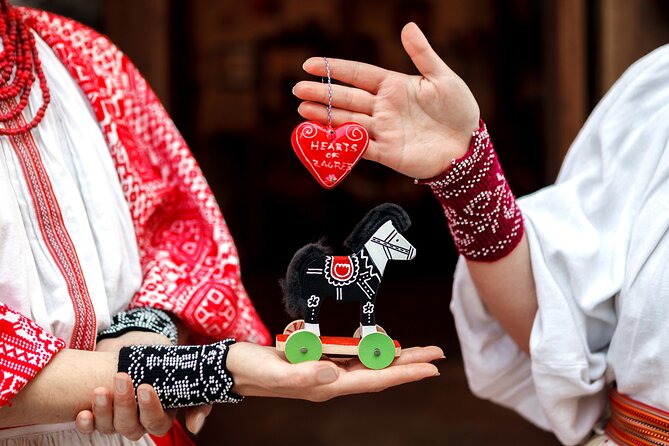
Making your own Licitar heart tied to a UNESCO-recognized symbol
Painting a wooden toy from the Zagorje region using traditional-style craft inspiration
A guided house tour covering Croatia’s geography, history, cuisine, and ethnology
Folk performers in costume with time for photos and Q&A
Rakija served after the workshop as a classic Croatia finish
Small-group feel with a maximum of 35 people and English offered
A Traditional Zagreb House With Folk Music Energy
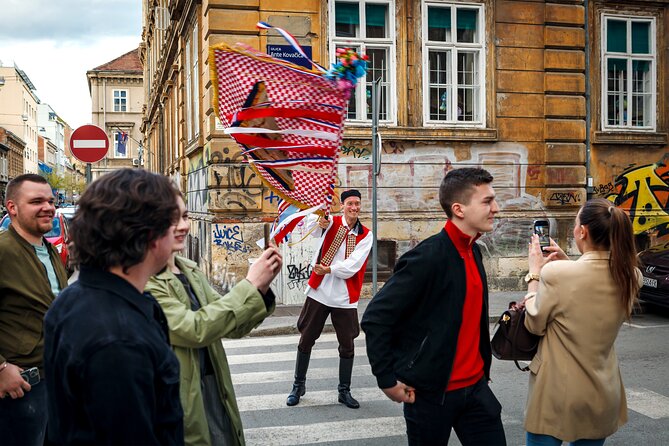
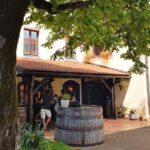
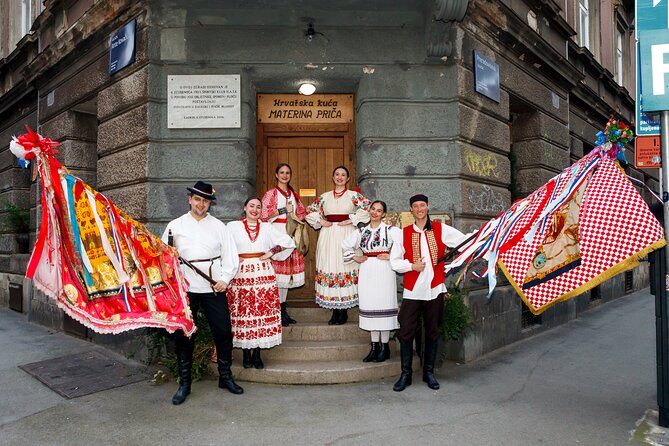
This workshop takes place in a beautifully preserved traditional Croatian house. You’re not just looking at artifacts behind glass—you’re in the same space where the performances and crafts happen. It’s a compact evening plan, but it’s designed to feel “hands-on” rather than “sit and watch.”
The start time is 6:00 pm, and it runs about 1 hour. That short window is actually part of the value. You get to make two items, hear cultural context from a guided tour, and still have time for photos and a drink.
You’ll meet at Preradovićeva ul. 31, 10000 Zagreb, and the experience ends back at the same place. Also helpful: it’s near public transportation, so you’re not stuck figuring out the last mile after dinner.
You can also read our reviews of more tours and experiences in Zagreb.



Making Your Own Licitar Heart (UNESCO-Recognized Symbol)
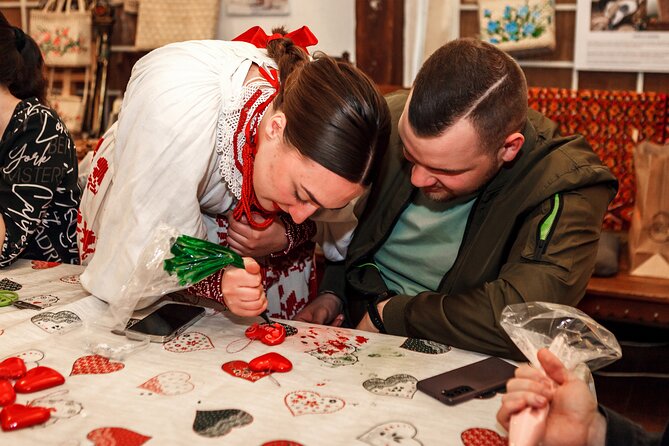
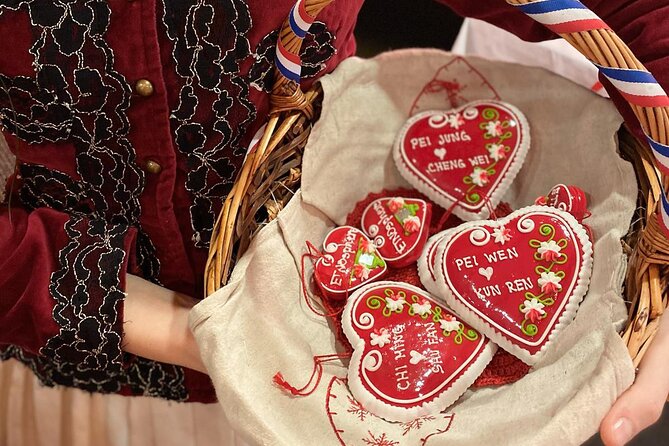
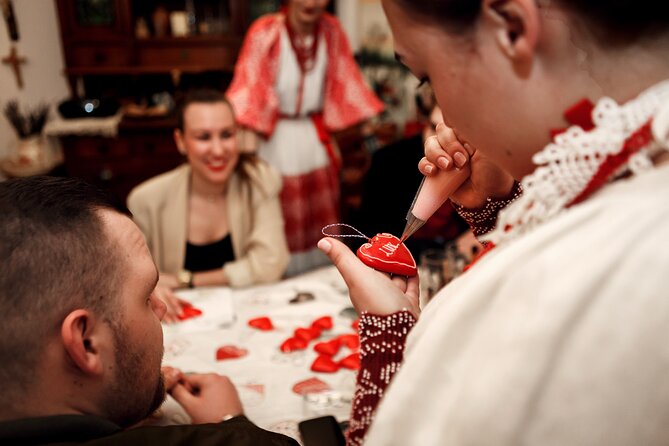
The first real “wow” moment is your Licitar heart. This is a beloved Croatian symbol that’s recognized by UNESCO, and here you create and decorate your own version. That matters because you’re not just buying a souvenir—you’re participating in the tradition.
Licitar hearts are usually all about color, pattern, and message-like symbolism. In this workshop, the practical takeaway is that you’ll have the materials and guidance to decorate your heart in a way that looks like the style you see in Croatia. You’ll leave with a personal craft you can pack easily as a keepsake.
Why I like this part for you: a craft workshop is one of the best ways to understand folk culture, because it turns “history” into something you can hold. And with Licitar, the recognition factor helps too. You’re making something with a well-known cultural identity.
What to watch for: because your time is limited (about an hour total), you’ll want to be ready to work quickly once you’re seated. If you tend to be a slow, careful crafter, just know you’ll still get a complete souvenir—this isn’t a multi-session art class.
Painting a Zagorje Wooden Toy With Traditional Craft Vibes
Next up is a classic second souvenir: a traditional wooden toy inspired by age-old craftsmanship from the Zagorje region. This isn’t a random “color a shape” activity. The Zagorje reference gives the toy a regional anchor, so the painting feels connected to real Croatian craft traditions.
You’ll paint the toy yourself. That means you choose the look—colors, patterns, and finishing touches—within the style you’re being guided toward. It also changes the pace from the Licitar heart: one is heart-shaped and symbolic; the other is a painted object with a character-like feel.
This part is especially good if you like souvenirs that aren’t just decorative. A painted toy reads as something meant for play, family stories, and old local traditions. Even if you hang it or display it, the “toy” identity makes it feel more personal and less like a generic shop purchase.
One consideration: wooden craft items can be a little more fragile than flat souvenirs. After you paint, handle it carefully during the workshop and pack it with a bit of protection so it survives your Zagreb transit.
The Guided House Tour: Geography, Cuisine, Ethnology
After the making part, you shift into guided context inside the same traditional house. The tour covers Croatian geography, history, cuisine, and ethnology—not as a long lecture, but as the kind of overview that helps you connect the dots while you’re surrounded by folk culture.
This is where the experience stops being only “craft time.” You’ll learn how regional traditions relate to where people lived, how they ate, and how culture developed. Since the dancers represent different regions of Croatia, the guide’s explanations can make those costumes and dances feel more meaningful rather than just pretty.
If you’re the type who likes travel with facts you can actually use later—like ordering food and recognizing regional differences—this is a good match. The house setting also helps. Being in a preserved home makes those topics feel grounded, not abstract.
The short duration means the tour is probably an efficient overview. So if you love deep textbook-style history, you may want to follow up with one extra reading session later. But for most people, this guided layer is what turns crafts into cultural understanding.
Photos, Q&A, And Dancers in Authentic Folk Costumes
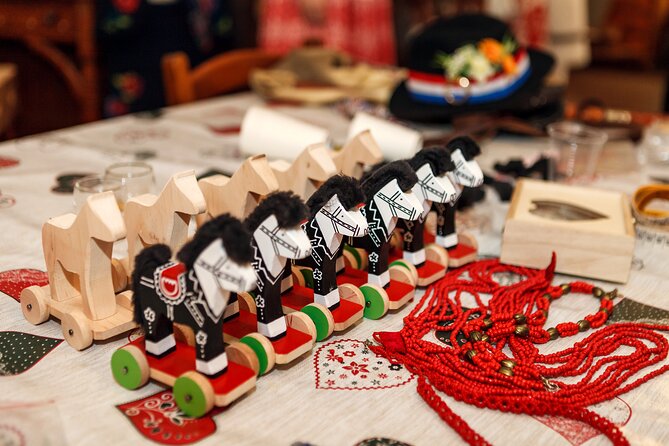
A big part of the fun is the performers. You’ll be welcomed by dancers dressed in authentic Croatian folk costumes representing different regions. Even if you’re not a dancer yourself, you’ll likely enjoy watching because the outfits are so specific and expressive.
This is also where you can ask questions. You’ll have a chance to talk to the performers about Croatian traditions, history, or dances. That Q&A time is one of those small features that can matter a lot. Folk dance can be tricky to interpret from the audience side. Asking questions is the fastest way to turn a performance into real understanding.
Then there’s the photo time. Take advantage of it. Traditional costume photos always look best when you’re present and engaged—rather than rushing through.
Practical tip: wear clothing that’s comfortable enough for close-up photos. You don’t need fancy outfits, but you do want something you’ll feel good in while you stand near the performers.



Rakija Served: A Classic Croatia Finish
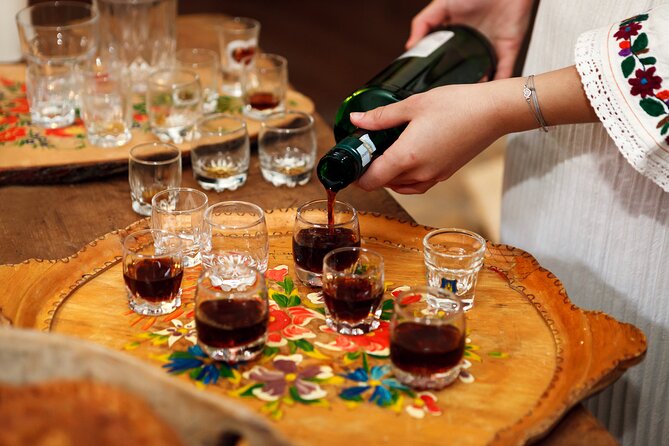
To end the workshop experience, authentic rakija (fruit brandy) is served. This is a classic Croatia drink, and having it here feels like part of the cultural ritual rather than a separate “bar stop.”
If you’re tasting rakija for the first time, keep it easy and sip slowly. It’s strong by design, and one drink can be plenty after an hour of standing and crafting.
I also like that it’s included. Food and drink can quickly become a budget drain in cities like Zagreb. Here, the workshop already accounts for a local tasting moment, which makes the evening feel more complete.
Timing, Group Size, And English-Friendly Comfort
The experience runs for about 1 hour and has a maximum group size of 35. That cap matters because a smaller group usually means you’re not lost in the shuffle. Even so, in a workshop setup, there will be a bit of movement and waiting your turn—so keep your expectations realistic.
The workshop is offered in English, and you’ll receive a mobile ticket. You also get confirmation at booking. These details reduce uncertainty, which is especially important for a time-based activity that begins at 6:00 pm.
On the overall “can I do this” front: the provider notes that most people can participate. That’s a reassuring line if you’re deciding whether a craft-and-tour format is worth your evening.
One more thing to think about: because this is a short session, it’s best for people who want a focused cultural activity rather than a long, slow tour day.
Price and Value: What $48.16 Includes
At $48.16 per person, this isn’t the cheapest way to spend an evening in Zagreb. But it also isn’t just an entrance ticket to a show.
Here’s what your money is paying for:
- Two handmade items: a Licitar heart and a painted Zagorje wooden toy
- A guided house tour with culture topics (geography, history, cuisine, ethnology)
- Folk performers with authentic costumes from multiple regions
- Rakija served
- English support, plus mobile ticket convenience
When you frame it this way, the price starts to look fair. Craft workshops have material costs and instructor time. And the experience includes more than “make something”—it layers in cultural context and a local tasting. For one hour, it’s a lot of cultural output.
Value tip for you: if you’re already planning to buy souvenirs anyway, try to think of the craft items as the “souvenir budget” that also comes with a guided experience attached. That usually makes the math work out better than shopping after a tour.
One booking note: this is typically booked about 31 days in advance on average. That doesn’t mean you must plan that far out, but it suggests it fills, especially for early evening slots.
The One Potential Problem to Plan Around
The experience has a strong overall score—4.6 out of 5 with 90% recommended—so most people likely get what they expected. Still, one operational failure can ruin a night.
There’s an example of a booking system error where someone arrived, waited about 20 minutes, and no guide appeared. The issue was that the booking wasn’t properly registered, so no guide got assigned.
You can’t remove that risk entirely. But you can reduce stress:
- arrive early enough to breathe
- double-check you have your confirmation and ticket details ready
- if the start time comes and nothing is happening, ask right away through the booking channel you used (or any host staff you can find on site)
Even with a good operator, timing matters with small tours. A couple of calm minutes can save a lot of frustration.
Should You Book This Zagreb Folk Workshop?
Book it if you want:
- a hands-on evening (not just watching)
- Croatian culture you can take home, literally, with two handmade souvenirs
- a short, well-structured experience that includes a house tour and rakija
- English support and a manageable group size (max 35)
Skip it (or at least think twice) if:
- you hate activities that start at a specific time and run on a tight schedule
- you need long free time to explore instead of a guided format
- you’re sensitive to the rare chance of scheduling errors—because this is a one-session event, a delay can be annoying
Given the strong rating and high recommendation rate, this is the kind of cultural workshop that tends to satisfy. If you like tangible souvenirs with context—and you don’t mind a packed one-hour evening—it’s a solid choice.
FAQ
Where is the meeting point for Traditional Workshop Experience Hearts Of Zagreb?
You meet at Preradovićeva ul. 31, 10000 Zagreb, Croatia. The experience ends back at the same meeting point.
What time does the workshop start?
The start time is 6:00 pm.
How long does the experience last?
It lasts about 1 hour (approximately).
How much does it cost per person?
The price is $48.16 per person.
Is the workshop offered in English?
Yes, it’s offered in English.
What will I make during the workshop?
You’ll create and decorate your own Licitar heart, and you’ll paint a traditional wooden toy inspired by craftsmanship from the Zagorje region.
Is rakija included?
Yes. Authentic rakija (fruit brandy) is served after the workshop.
How big is the group?
There is a maximum of 35 travelers.
Can I cancel or change the booking?
This experience is non-refundable and cannot be changed for any reason. If it’s canceled because a minimum number of travelers isn’t met, you’ll be offered a different date/experience or a full refund.
Is the activity accessible for most people?
The provider states that most travelers can participate. Service animals are allowed, and it’s near public transportation.