REVIEW · ZAGREB
VIP Experience Ticket: Video Game History Museum Zagreb
Book on GetYourGuide →Operated by Video Game History Museum · Bookable on GetYourGuide
A museum for people who still remember the sound of a boot-up. In Zagreb, the Video Game History Museum turns video-game culture into a clear, physical timeline from the 1960s to the early 2000s—and it does it with real machines, not just photos. I really liked how fast you can get the story of gaming’s growth, and how the museum mixes famous arcade names with lesser-known hardware details.
I also love that the VIP ticket comes with an intro tour plus little extras that make the visit feel more intentional, like the included playing cards and the museum store discount. You’re walking through 3,000+ exhibits over three floors, so even if you’re not a hardcore collector, there’s enough variety to keep you moving.
One drawback to keep in mind: not every interactive piece has to be working perfectly all the time. If you show up expecting every single controller to be ready for play, you might get a small letdown—though the overall setup still feels worth your time.
In This Review
- Key points before you go
- Video Game History Museum Zagreb: a 3-floor timeline in central Zagreb
- VIP Experience Ticket: what you gain with skip-the-line entry and the intro tour
- Walking the 1960s to early-2000s arc: how the museum tells the story
- The big names: arcade classics and why playable exhibits matter
- Rare consoles, computers, and the feel of real hardware
- When interactions disappoint: planning around machines that may not work
- Getting your day right: pacing, what to prioritize, and the museum store
- Is this worth $25? Value for gamers, families, and history nerds
- Should you book the VIP Experience Ticket for Zagreb?
- FAQ
- How long is the Video Game History Museum Zagreb VIP experience?
- What is the price per person?
- Where is the museum located?
- How many exhibits are on display?
- Is the museum interactive, or is it mostly displays?
- What does the VIP ticket include?
- What’s not included in the ticket price?
- What can’t you bring or do inside the museum?
- Is touching exhibits allowed?
- What’s the cancellation and payment policy?
- Is the ticket tied to a specific start time?
Key points before you go
- 3 floors, 800+ square meters: plenty of space to spread out and actually take your time
- 3,000+ exhibits: famous arcade machines plus rare consoles and computers
- Playable arcade machines: classics like Computer Space and PONG are part of the experience
- VIP extras: skip-the-line entry, intro tour, VGHM playing cards, and a 10% store discount
- No-touch rules: you can look closely, but you’ll need to respect the hands-off policy
- Best for history-minded gamers: the museum is built around evolution, not just nostalgia
Video Game History Museum Zagreb: a 3-floor timeline in central Zagreb
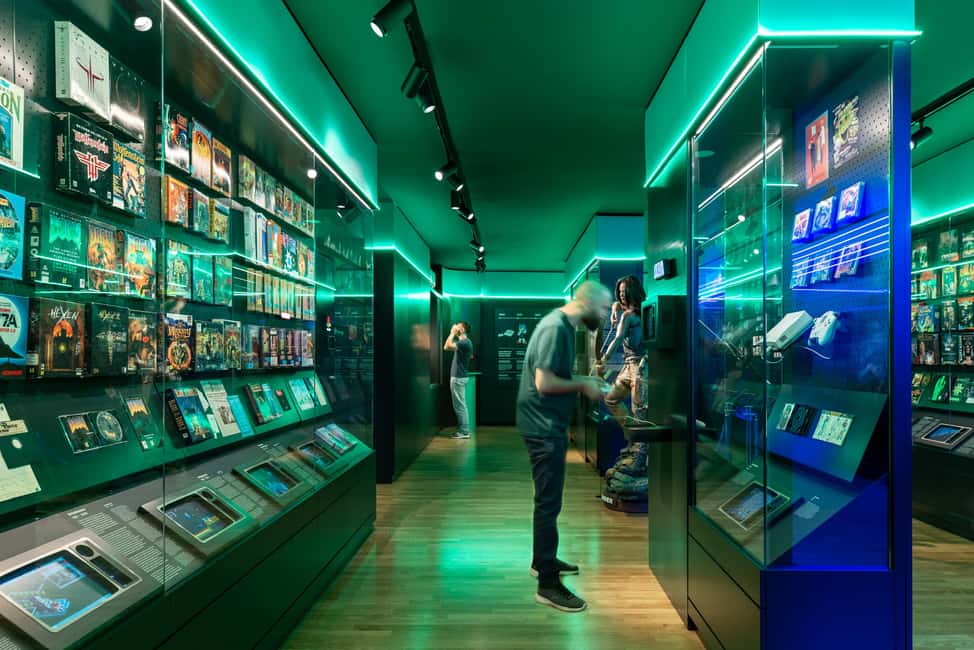
Zagreb is a great base for museum days, and this one is unusually specific—in the best way. The Video Game History Museum sits in the city center at Draškovićeva 10, so you can realistically fit it into a day without doing a long transit plan. The space itself is big: over 800 square meters across three floors, which matters because the exhibits aren’t arranged like a quick stop. You’ll feel the museum wants you to slow down and connect the dots.
What I like most is the way the galleries cover gaming’s evolution from the 1960s through the early 2000s. That arc isn’t just about new consoles replacing old ones. It’s about culture changing—how people played, how games were marketed, and how the hardware shaped what was even possible. If you’ve ever wondered why modern controllers feel the way they do, or why certain genres took off when they did, you’ll get a more grounded answer here.
Also, the museum’s focus isn’t narrow. Yes, you get nostalgia. But you also get a sense of scale: the museum highlights that gaming grew into an industry larger than film and music combined. That’s not a throwaway line. It’s what the collection is trying to prove with numbers (like the exhibit count) and with objects you can stand next to.
You can also read our reviews of more tours and experiences in Zagreb.



VIP Experience Ticket: what you gain with skip-the-line entry and the intro tour
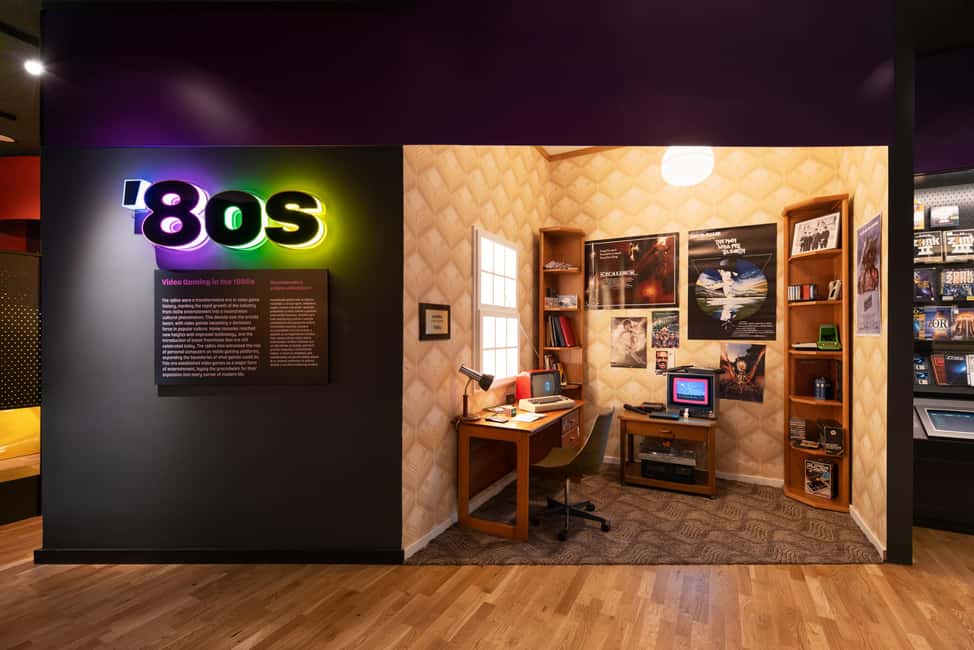
Your VIP ticket isn’t just a nicer label. It’s built around saving time and adding a bit of structure, which is smart for a place packed with tech details.
Here’s what your VIP ticket includes:
- Admission + physical ticket
- Skip-the-line entry
- Exclusive VGHM playing cards
- 10% discount at the museum store
- Intro tour
The skip-the-line part is the most practical benefit. Even in a museum that’s relaxed, lines can steal your momentum. Gaming history is the kind of attraction where you’ll want to start right away and not waste the first hour settling in.
The intro tour helps you set your personal “map” before you get lost among machines. You don’t need a deep background to enjoy it, but a quick orientation makes the displays easier to read—especially when you’re moving from early experimental systems through the era of arcades, home computers, and then console culture.
And the small extras are genuinely useful. The VGHM playing cards give you something to take home that feels connected to the place, not generic souvenirs. The 10% store discount also means you can plan a purchase without feeling like you’re overpaying.
Walking the 1960s to early-2000s arc: how the museum tells the story
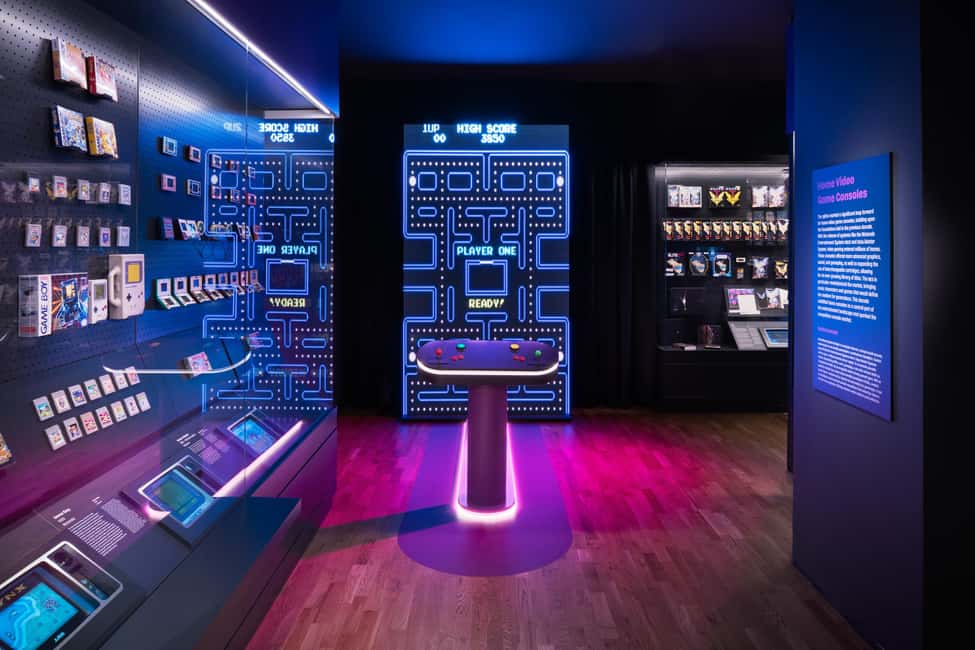
You should expect to spend a full day here. The museum is designed for wandering, not speed-running. With three floors and lots of dense exhibit areas, your best approach is to move through in loops: one pass for the big eras, another pass for the machines you keep returning to.
From the early timeline, you’ll see the “before it was obvious” phase—when games weren’t about big cinematic worlds yet. You’ll get a sense of experimentation: hardware that looks simple now but represented real breakthroughs at the time. This is where the museum’s focus feels different from generic gaming merch. You’re not just seeing what became popular—you’re seeing what came first.
As you move forward, the galleries shift naturally toward the arcade era and then toward home gaming. This matters because it explains why certain gaming habits formed. When you see the hardware and physical design side-by-side across decades, it’s easier to understand how companies learned what worked—how long sessions felt, how controls were laid out, and how the experience was engineered around a button-and-signal reality.
Then you reach the early 2000s part of the storyline. That’s a good stopping point because it leads into the modern era while still feeling distinct in style, tech, and presentation. You’ll likely notice how marketing materials and artwork fit into the story too, because the museum doesn’t treat games like isolated objects. It treats them like products with a cultural footprint.
The big names: arcade classics and why playable exhibits matter
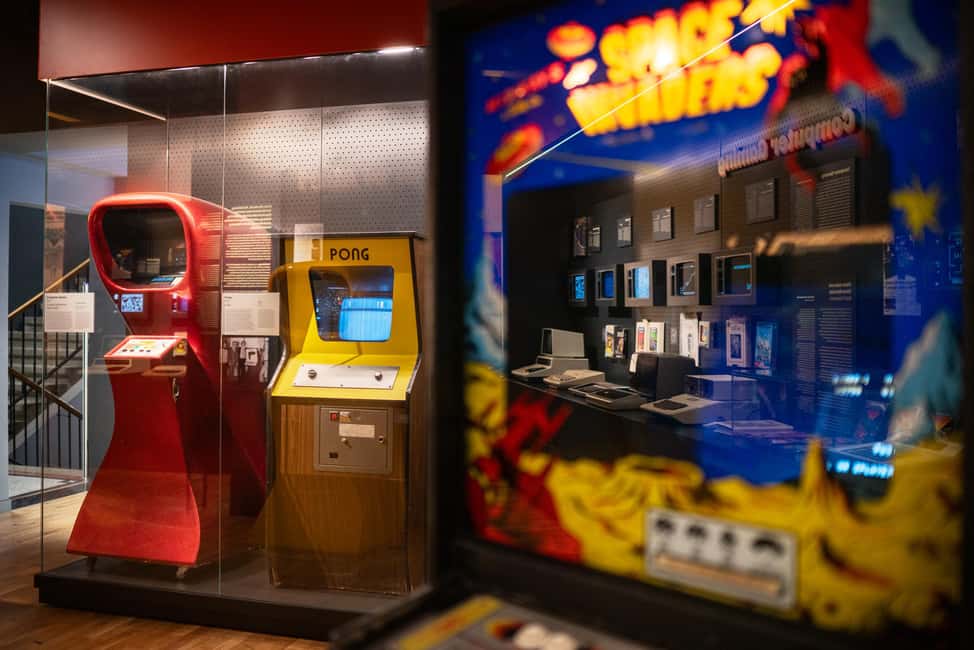
The headline for many people is the arcade component. This museum doesn’t just talk about history; it makes room for you to feel it. It includes legendary arcade machines, with Computer Space and PONG specifically called out.
Playable exhibits do something that static displays can’t: they turn “cool artifact” into “I understand what people meant when they played this.” Even if you’re not trying to break high scores, you’re interacting with the physical interface—how responsive the controls feel, how the feedback is delivered, how the game pacing works on real hardware.
At the same time, I’ll be honest about expectations. One of the few weak points you can run into is the condition of interactive devices. If some items aren’t working, it can be annoying, especially for hardware-focused visitors. In my view, the museum still succeeds because the collection is so large—you’re not betting your whole visit on one machine. But if “hands-on play” is your top reason for going, plan to be flexible.
One more thing: you’ll be dealing with rules that limit how you interact with displays. Touching exhibits is listed as not allowed, and you’ll also see a ban on things like food, smoking, drones, and weapons/sharp objects. So the vibe is closer to a careful museum than a free-for-all arcade floor. That’s fine—it protects the collection and keeps the experience from getting chaotic.
Rare consoles, computers, and the feel of real hardware
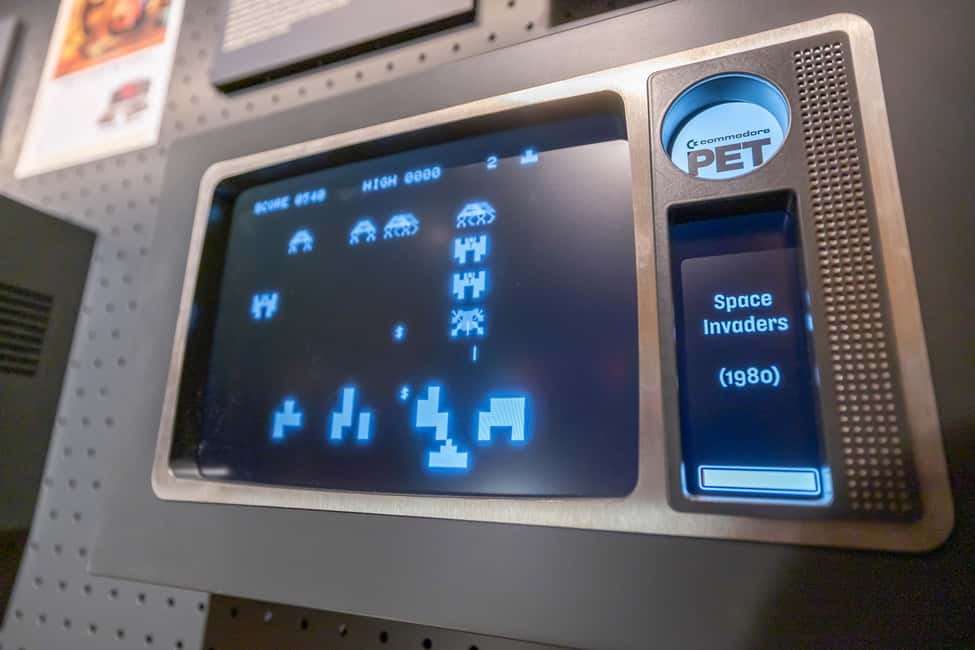
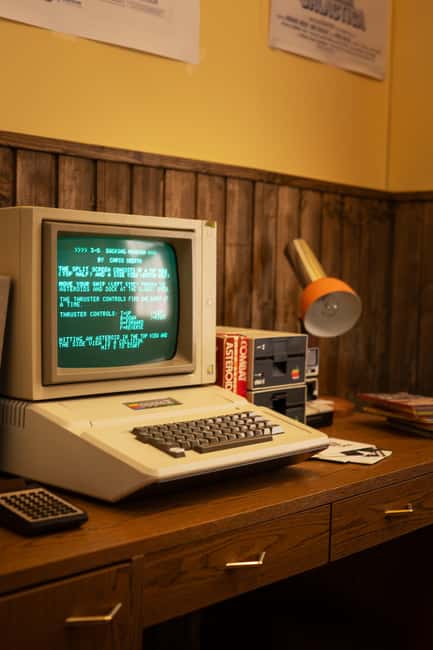
The museum’s collection includes rare consoles and computers, plus items like original artwork and promotional materials. This is the category that rewards the type of visitor who likes details: cables, design choices, labels, and the physical personalities of old systems.
When you stand in front of older consoles and computers, you start noticing patterns that are invisible when games live only on modern screens. You can see why certain interfaces became standard, and why some design decisions were shaped by manufacturing limits, not just aesthetics.
The “rare” part matters too. A lot of gaming history is trapped in private collections or lost to time. Here, you get the feeling of access—objects presented so you can understand their place in the broader timeline. And because the museum spans 1960s through early 2000s, the hardware changes don’t feel random. You see a line of progression.
The museum also includes promo and artwork. That might sound like filler if you’re only here for machines, but it actually helps explain why gaming took off. Video games didn’t grow just because tech improved. They grew because people learned what to expect, companies built brands around platforms, and the industry found a language for selling play.






When interactions disappoint: planning around machines that may not work
Let’s talk about the one thing that can sour the vibe: interactive pieces that aren’t functional. You can’t know in advance whether every playable exhibit will be ready, because tech is tech. Even with great care, older hardware can fail.
So how should you handle it?
- Treat interactivity as a bonus, not the core promise. The museum has enough exhibits that you can still have a full day even if a few machines are down.
- Spend extra time with the displays that aren’t dependent on gameplay. Visuals, artwork, promo material, and the hardware displays themselves still carry a lot of value.
- If you’re someone who cares about “seeing the era in action,” focus on the major arcade classics first—especially Computer Space and PONG, since they’re highlighted as key experiences.
I’d also keep expectations realistic if you’re visiting with kids or teens. The museum rules are hands-off, and you don’t want that tension to steal your attention. If you’re going as an adult with a history-minded goal, you’ll probably appreciate the museum’s calmer, rule-based approach—even when a few interactions don’t work.
Getting your day right: pacing, what to prioritize, and the museum store
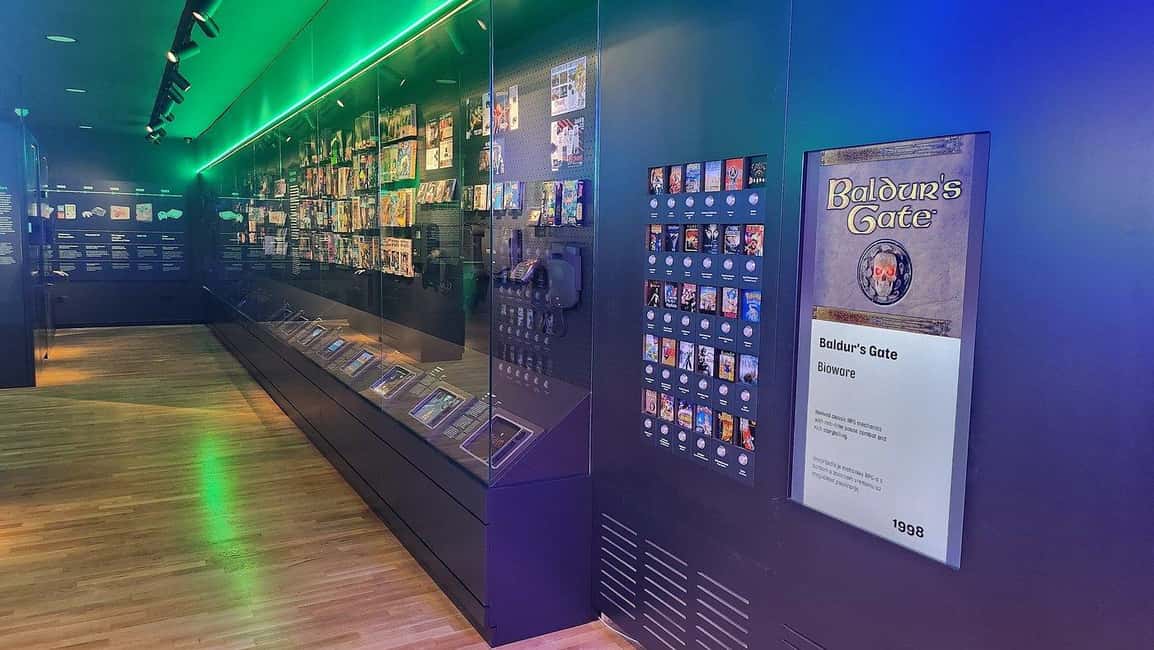
One day is enough if you plan how you want to feel when you leave. You don’t need to “see everything,” because the museum’s strength is in the connections you make between eras.
Here’s a practical way to pace it:
- First pass: walk the whole timeline and identify the machines/areas you keep returning to.
- Second pass: slow down where your interests show up—arcades, home consoles, computers, or the marketing/artwork side.
- Final hour: do your shopping with the 10% store discount in mind, especially if you want a small memory that ties to specific eras.
The museum store can be part of the experience if you’re buying something that matches the style you saw inside—rather than just grabbing random souvenirs. With a store discount included, it’s easier to justify a purchase without feeling guilty afterward.
Timing-wise, I’d suggest arriving with the idea that you’ll be walking. Zagreb center is walkable, and the museum’s location makes it easy to pair with other sights. The museum covers three floors, so comfortable shoes matter more than people expect for a “small ticket” museum.
Is this worth $25? Value for gamers, families, and history nerds
At $25 per person, this is priced like a dedicated museum ticket, not a budget activity. The question isn’t just whether it’s “cheap.” It’s whether you’re getting enough objects, space, and experiences to justify the spend.
Here’s why it can feel like good value:
- Scale: 3,000+ exhibits across 800+ square meters is a lot of material for one day.
- Hands-on element: playable machines like PONG and Computer Space add more than display value.
- Time saver: skip-the-line entry is worth something in any city-center museum.
- Extras: intro tour, playing cards, and a 10% store discount add small but real benefits.
Who gets the most from it?
- If you’re a gamer, you’ll like the platform story—how the hardware and culture evolved.
- If you’re a history-minded visitor, you’ll like the idea that gaming became a real industrial force, not just a hobby.
- If you like nostalgia, you’ll enjoy the feel of iconic machines—but you’ll also see the context behind them.
Who might not love it as much?
- If you only want modern gaming and you’re hoping for brand-new setups, this museum is focused on earlier decades up through the early 2000s.
- If every minute of your visit is built around “everything is playable,” a couple of non-working interactive units could frustrate you.
Should you book the VIP Experience Ticket for Zagreb?
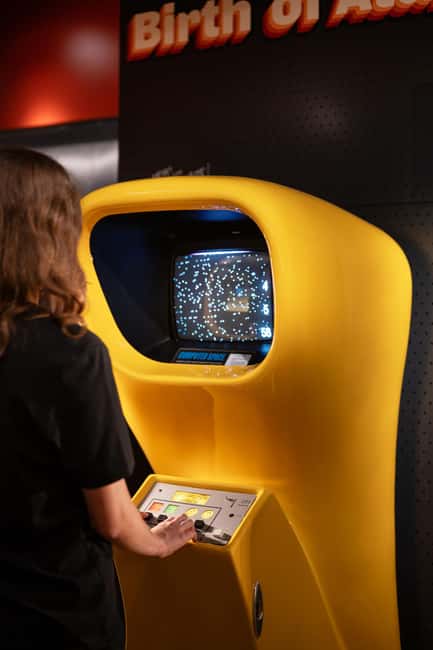
Book it if you want a structured, hands-on history day in Zagreb center with real machines, not just screens. The VIP ticket makes sense because you’re getting skip-the-line entry plus an intro tour, and the store discount + playing cards feel like thoughtful extras for a museum that’s already packed with stuff to see.
Skip it only if your expectations are very narrow—like you’re going for a specific game release era only—or if you’re the type who gets upset when even one interactive station isn’t working. For most people, the combination of 3,000+ exhibits, the timeline across three floors, and the chance to meet arcade classics in physical form makes this a strong use of a day in Zagreb.
If you’re nearby, plan one full day. Then give yourself permission to get curious.
FAQ
How long is the Video Game History Museum Zagreb VIP experience?
The activity is valid for 1 day, so plan a full visit day rather than a quick stop.
What is the price per person?
The VIP Experience Ticket is $25 per person.
Where is the museum located?
It’s in Zagreb city center at Draškovićeva 10.
How many exhibits are on display?
The museum features more than 3,000 exhibits.
Is the museum interactive, or is it mostly displays?
There are interactive playable machines included, including classic arcade machines like Computer Space and PONG.
What does the VIP ticket include?
It includes admission + a physical ticket, skip-the-line entry, an intro tour, exclusive VGHM playing cards, and a 10% discount at the museum store.
What’s not included in the ticket price?
The ticket does not include personal expenses.
What can’t you bring or do inside the museum?
The rules state that weapons or sharp objects, oversize luggage, smoking, food and drinks, drones, and pets (assistance dogs allowed) are not allowed. Touching the exhibits is also listed as not allowed.
Is touching exhibits allowed?
No. Touching the exhibits is not allowed.
What’s the cancellation and payment policy?
You can cancel up to 24 hours in advance for a full refund. There’s also a reserve now & pay later option.
Is the ticket tied to a specific start time?
The ticket is valid for 1 day, and starting times depend on availability, so you’ll want to check current available times.