REVIEW · ZAGREB
Zagreb: Group walking tour of Zagreb (funicular included)
Book on GetYourGuide →Operated by Zagreb Stories · Bookable on GetYourGuide
Noon cannon in a city walk? Yes: I love the small-group feel (no more than 15) and the way the guide strings facts and stories together stop by stop. I also like that the walk is led by locals, and Ines has shown up as a standout guide in recent departures, praised for being friendly, funny, and patient. One consideration: the funicular is currently closed for renovation, so you should confirm how that part will work on your date.
You start in Zrinjevac Park at the meteorological post area, then move into the core sights on both sides of town: the Cathedral and Kaptol area, the market and street life around Dolac and Tkalčićeva, and the medieval Gradec hill with Lotrščak Tower. Along the way, you’ll hear what certain places are called and why they matter, including the story behind Bloody Bridge and the miracle tale tied to Stone Gate.
The route runs about 150 minutes and ends at Ban Jelačić Square, so you get a clean introduction without losing half a day. This is a proper guided Zagreb walking tour in English, with enough pacing to ask questions, and enough landmark coverage to feel like you’ve actually learned your way around.
In This Review
- Key highlights worth planning around
- Getting Oriented at Zrinjevac Park and the Meteorological Post
- Bronze Model to the Cathedral: Understanding Kaptol and Church Hill
- Dolac Market and Tkalčićeva Street: Everyday Zagreb Stops
- Bloody Bridge and the Story Behind a Name
- Climbing Toward Stone Gate and Gradec’s Core
- Ćirilometodska Street to St. Catherine’s Church: Language, Theater, and Stucco
- Lotrščak Tower at Noon and the Funicular Decision
- Ending at Ban Jelačić Square: Your Post-Tour Next Steps
- Price and Value: Why $23 Can Work Here
- What This Tour Fits Best (and Who Might Skip It)
- Should You Book Zagreb Stories’ Funicular Walk?
- FAQ
- Where does the tour start?
- How long is the Zagreb walking tour?
- Is the tour in English?
- Does the tour include the funicular?
- What time is the cannon firing stop?
- Can I cancel, and do I pay right away?
Key highlights worth planning around
- Noon cannon at Lotrščak Tower built into the timing, so you can be there right when it fires
- Funicular ticket included, but the ride may be affected by current renovations
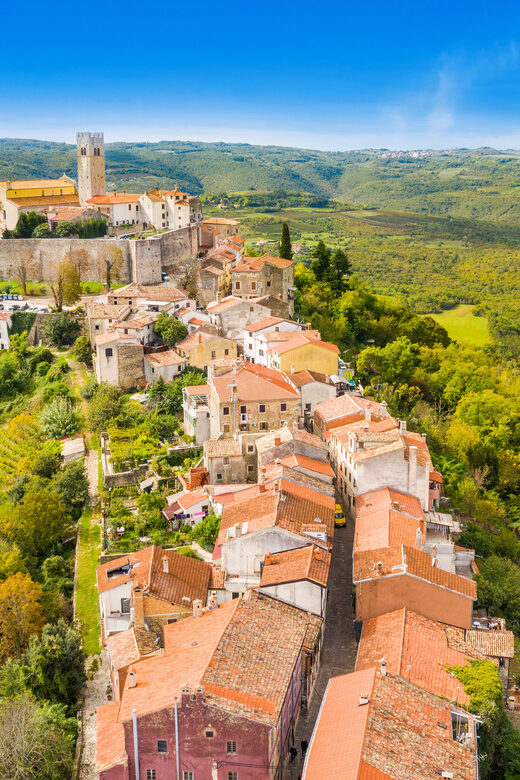
- Gradec hill + medieval walls route for a clear sense of how the old town sits above the city
- Stories with place names like Bloody Bridge and the miracle associated with Stone Gate
- St. Mark’s Church and St. Catherine’s Church for standout architecture and details
- A genuinely small group (up to 15) for a more personal feel and easier questions
Getting Oriented at Zrinjevac Park and the Meteorological Post
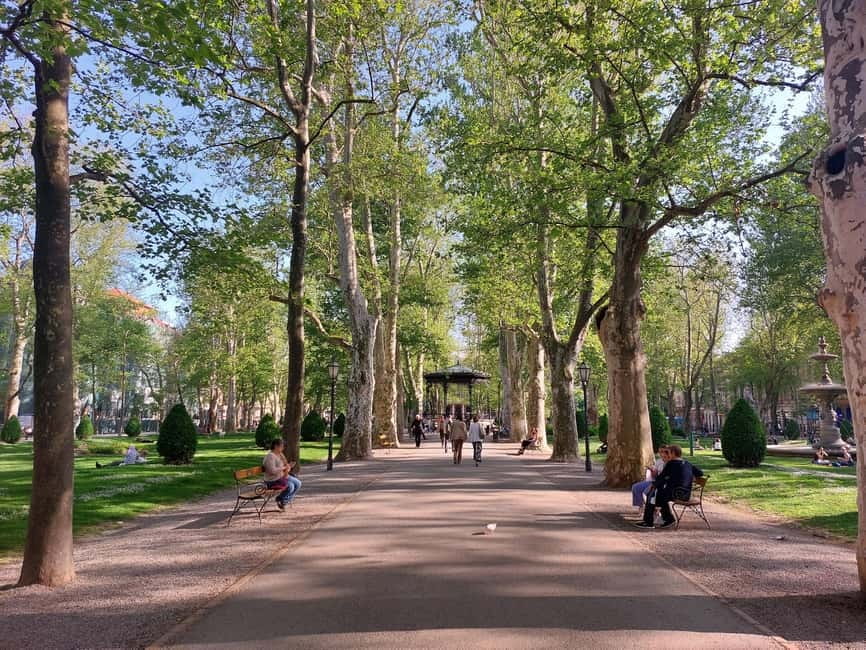
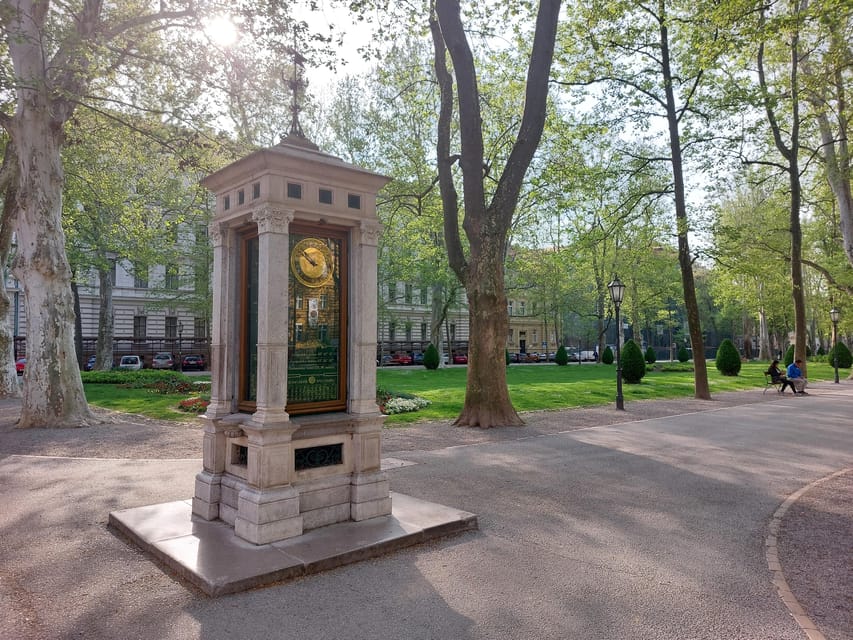
Most Zagreb days start with a great trick: get your bearings early, before you start zigzagging. This tour begins at Zrinjevac Park near the meteorological post, with your guide holding a Zagreb Stories sign. That matters because you’re starting in a well-known, central spot, not buried in a maze of side streets.
I like that the guide kicks things off with quick context—what you’re about to see and why those neighborhoods matter—so the rest of the walk doesn’t feel like a checklist. You’ll also get a few fun facts right away, which helps you pay attention to what you might otherwise glide past, like viewpoints and the street layout.
It’s a short intro stop, then you move into the early “this is what Zagreb looks like” moment. Even if you’ve seen photos of the city’s roofs and church towers, the first minutes here help you understand how the skyline and the historic districts connect.
You can also read our reviews of more tours and experiences in Zagreb.


Bronze Model to the Cathedral: Understanding Kaptol and Church Hill
After the first park stop, the tour moves to the bronze model of Zagreb. This is one of those simple, practical tools that pays off fast: you can “read” the city shape while someone explains what you’re looking at. It’s much easier to understand later parts of the walk when you already know how the old areas sit relative to each other.
Next comes the Cathedral area, where the guide ties the story of Zagreb’s founding to Kaptol and Church Hill. That’s more useful than it sounds. Instead of treating the Cathedral as just a building, you’ll learn how this part of town became a focal point—so the hill isn’t just scenery; it’s a historical anchor.
This is where the walk starts feeling like a guided narrative. You’re not only seeing sights, you’re building the mental map that makes everything click—especially when the tour begins heading up toward the medieval Gradec side later.
Dolac Market and Tkalčićeva Street: Everyday Zagreb Stops
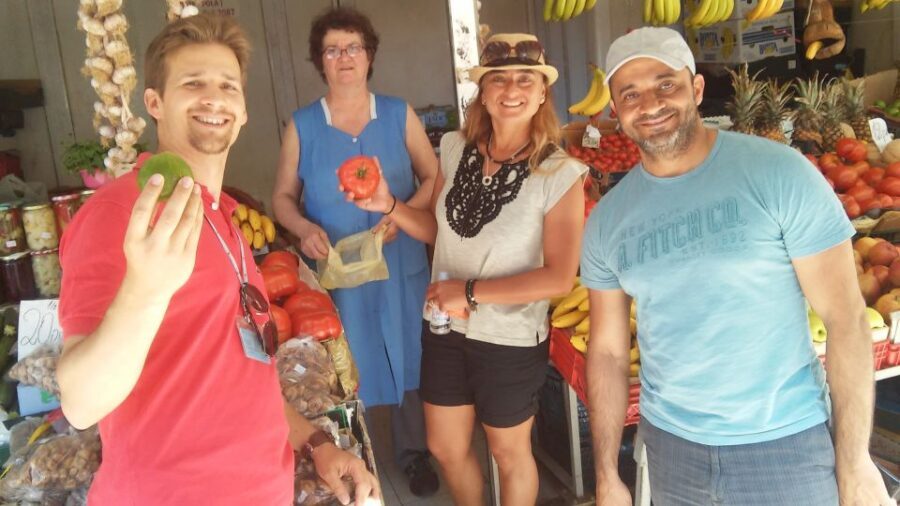
Dolac Market is one of the places that can make Zagreb feel real fast. The tour pauses here long enough for you to take in the atmosphere and hear what’s special about the market area, then move on with a better sense of local daily rhythms.
Right after that, you’ll walk Tkalčićeva Street, often treated like the city’s hangout artery. This stop is where the guide shifts tone slightly—from big-picture history into what locals do for fun and what legends live in local storytelling. If you like tours that explain culture, not just monuments, this is one of the strongest stretches.
And you’ll notice a pattern: the tour keeps alternating between “look up and around” landmarks and “listen to stories” street moments. That mix helps keep the walk from becoming too heavy, and it makes street names feel earned rather than random.
Bloody Bridge and the Story Behind a Name
The tour heads to Krvavi Most Street, commonly referred to as Bloody Bridge. Don’t treat this stop like a gimmick photo spot. The guide walks you through how such a lovely-sounding bridge street got its name, and that’s exactly the kind of local detail that turns a single landmark into a memorable story.
This is also a natural pause point because the area sits in your transition between the market/street scene and the hillier medieval core. As you move, you’ll feel the change in elevation and atmosphere, and the explanation helps you understand why Zagreb’s old layout isn’t flat and tidy.
I like stops like this because they’re easy to remember later. You can come back to Zagreb in your mind just by thinking of the name and the reason behind it.
Climbing Toward Stone Gate and Gradec’s Core
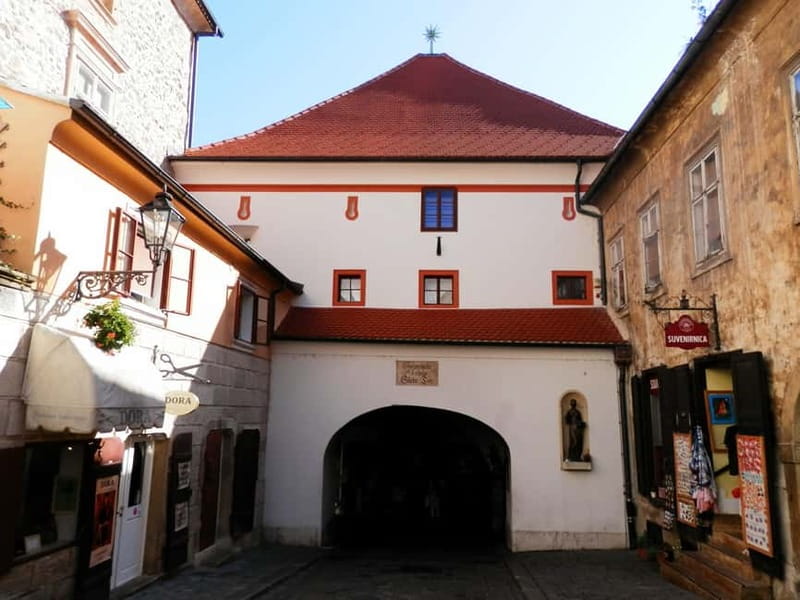
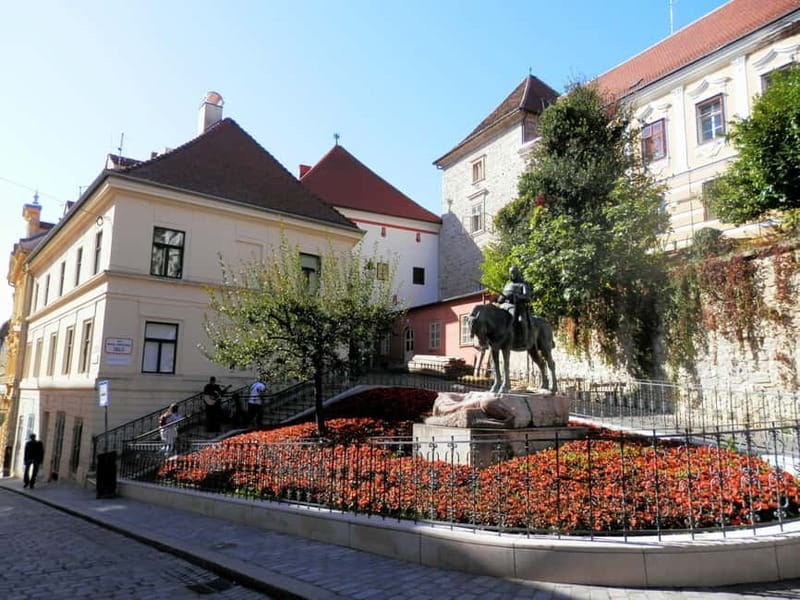
Next you start the climb up toward Gradec hill. The tour specifically takes you through the medieval Stone Gate area, where your guide shares a miracle story connected to the site. Whether or not you’re the type who chases legends, this works because the guide gives you a place-based narrative—how people in the past framed events and meaning.
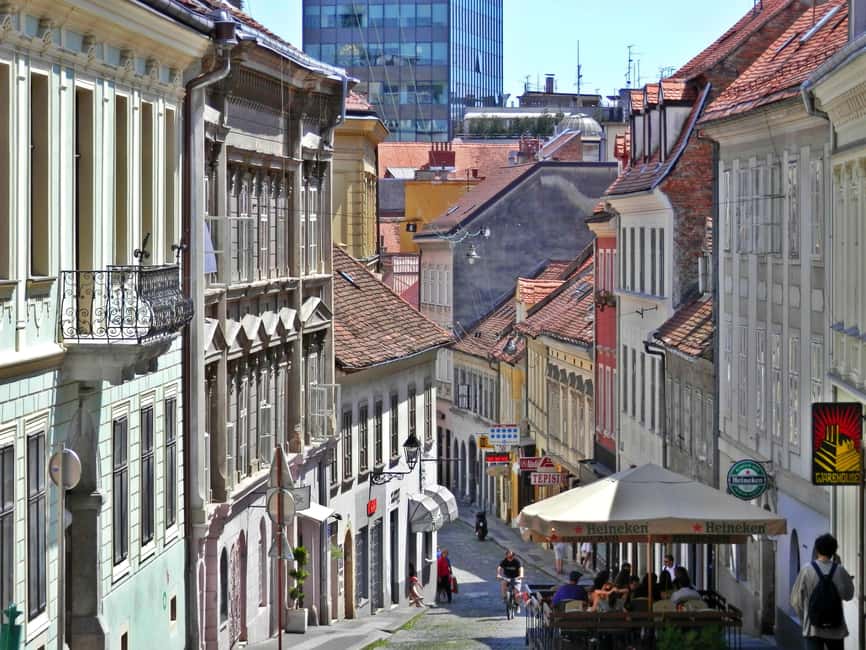
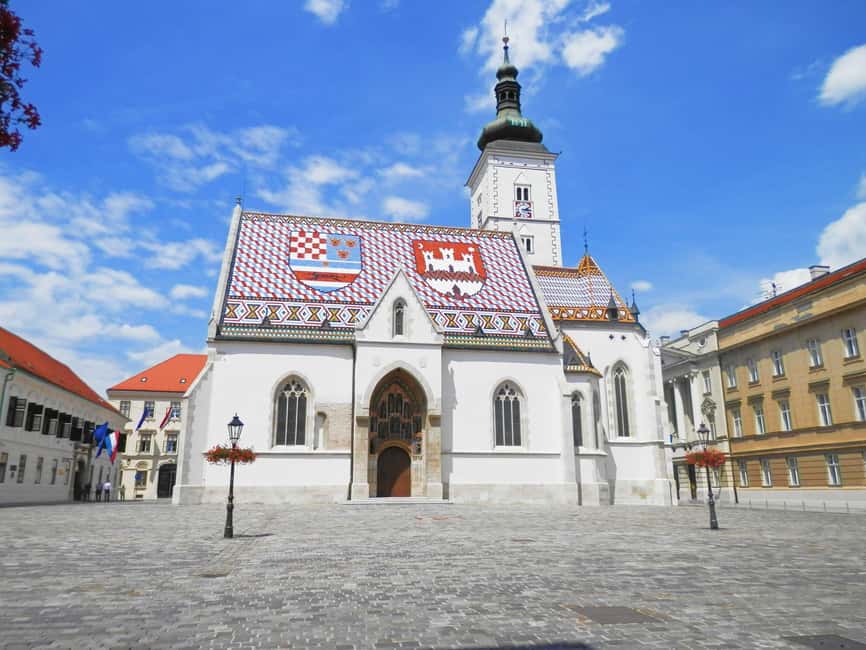
From there you’re in the heart of Gradec, walking toward St. Mark’s Church. The roof is the headline here, with the color and pattern that dominate views of the hill. This is one of those “take a moment” stops: you’ll want time to look up, notice details, and understand why it’s such an iconic visual marker for the area.
You’ll also pass the Parliament and Government buildings, which helps connect the medieval hill to modern civic Zagreb. It’s a reminder that the same neighborhoods that once mattered for defense and tradition now matter for political life. The walk keeps linking old and new without forcing it.



Ćirilometodska Street to St. Catherine’s Church: Language, Theater, and Stucco
As you go down Ćirilometodska Street, the guide brings in stories tied to alphabet, theater, witches, art, and marriage. That sounds like a lot, but the point is simple: these legends and cultural references help you see why Zagreb feels like it does—where people put meaning into everyday life.
Then comes St. Catherine’s Church, known for Baroque stucco decoration and a painted ceiling. This is a good contrast stop after street storytelling. You shift from cultural anecdotes to physical craft—details you can actually look at, even if you don’t read every plaque.
If you care about architecture, this is one of the moments where the tour gives you time to slow down. The church portion is short, but it’s targeted at what you’ll notice most: the sculpted surfaces and the ceiling artwork.
Lotrščak Tower at Noon and the Funicular Decision
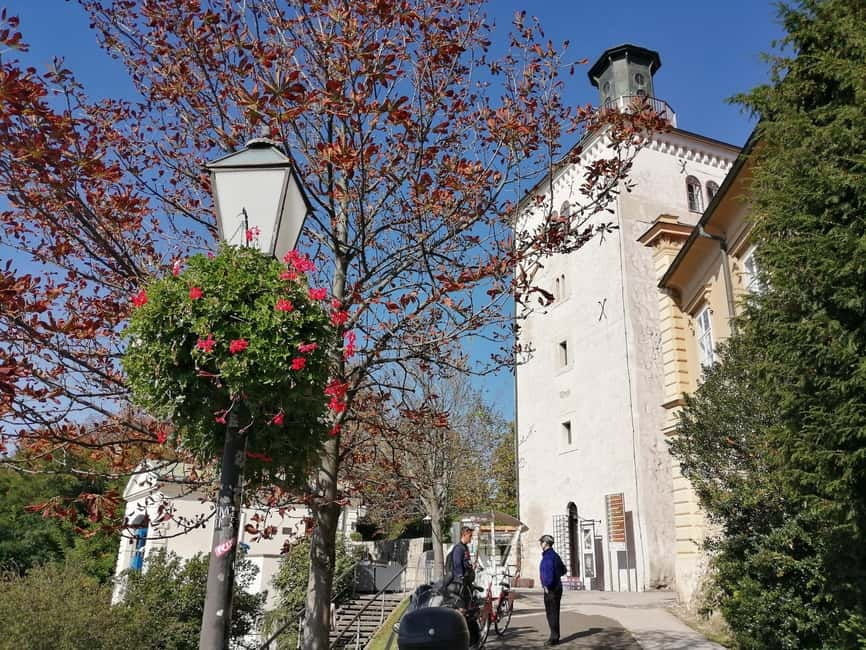
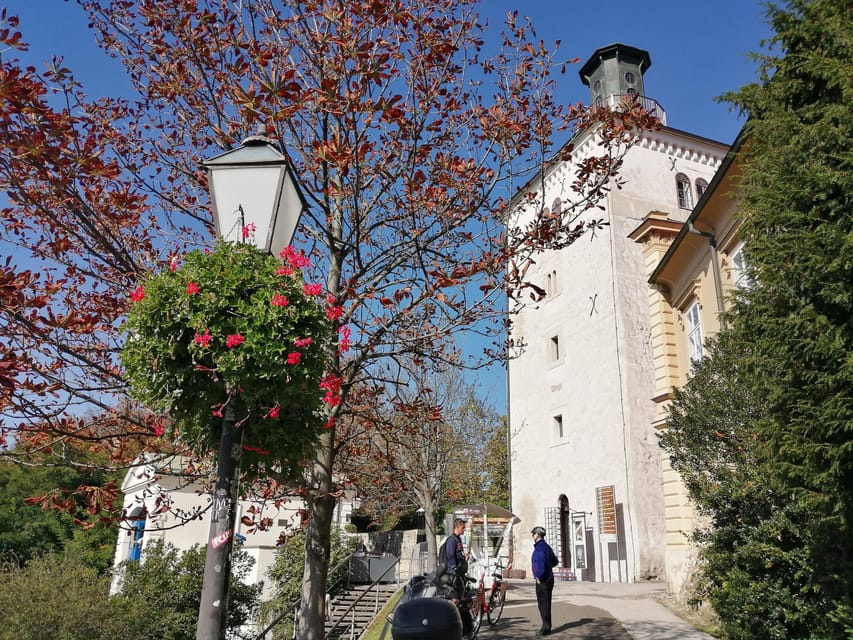
Lotrščak Tower is the turning point of the tour. The guide times the arrival so you can see and hear the cannon firing at noon. It happens every day, and the group is there for it—so you’re not just walking past a landmark and moving on. You can also relax about it: it’s part of the daily rhythm of the city, not a surprise event.
Right after that, the tour plans for the funicular ride. The funicular is described as the shortest ride in the world, and the ticket is included in the tour price. Here’s the practical catch: the funicular is currently being renovated and closed, with an expected reopening in March 2026. If your trip falls during the closure window, your ability to ride may depend on the operator’s current plan, so it’s smart to confirm before you go.
Even if the ride doesn’t happen on your date, you still get the payoff of being near the system that connects the tower area back down—so you leave with a clearer idea of how Zagreb moves between levels.
Ending at Ban Jelačić Square: Your Post-Tour Next Steps
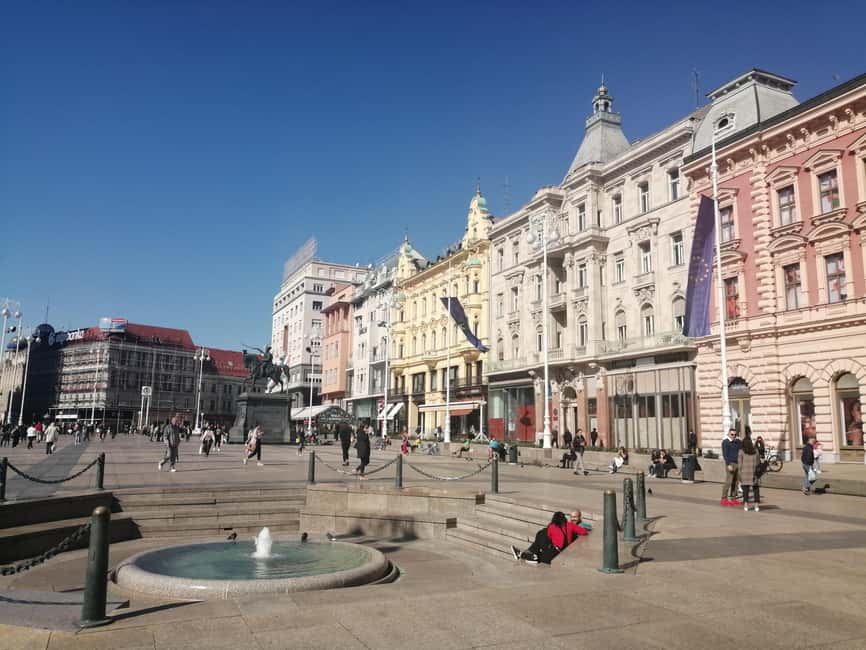
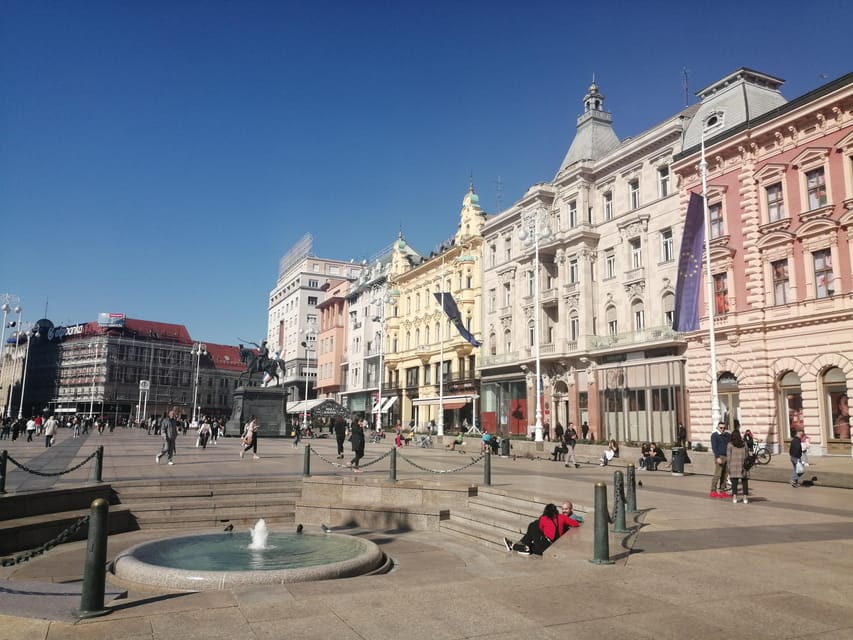
After the hill-and-views stretch, you finish at Ban Jelačić Square, the main hub of modern Zagreb. I like that the tour ends where it’s easiest to continue on your own, because you can quickly branch out: food, shopping, a tram ride, or just more exploring.
Before you leave, the guide is there with recommendations for the rest of your time in Zagreb. That kind of advice matters, especially if you don’t have a big plan yet. A local can point you to the next best neighborhood based on what you’ve already seen, and you’ll naturally feel more confident navigating because the walk has given you a map in your head.
This finish also makes the overall timing feel sensible. You don’t end in a hard-to-reach spot after 150 minutes of walking.
Price and Value: Why $23 Can Work Here
At about $23 per person for a 150-minute small-group tour, the value comes from three practical elements: a licensed English-speaking local guide, included guided coverage of many key sights, and the funicular ticket. In many cities, you either pay for the guide or pay for attractions; here you get a package approach.
The small group size (up to 15) is part of the value too. It’s not just marketing—fewer people means it’s easier for the guide to slow down, answer questions, and keep the group together as you move through tighter streets near the market and church areas.
The only real value risk is the funicular situation. Since it’s closed for renovations, you may not get the ride even though the ticket is included on the tour description. That doesn’t make the walk less worthwhile—it just means you should check expectations for that specific segment.
What This Tour Fits Best (and Who Might Skip It)
This tour is a great match if you want a guided Zagreb intro that covers the big landmarks and the place-name stories in a single session. It also works well if you like hearing how history connects to current life—markets, streets, and major civic buildings all get touched.
I’d be a little cautious if you’re only interested in one or two monuments and hate walking hills. The route includes a climb up Gradec hill, and it’s still a full 150 minutes on your feet.
If you’re traveling with limited time in Zagreb, this is one of those “make the first day count” choices. The mix of Cathedral, Dolac, Bloody Bridge, Gradec, churches, and the noon cannon gives you a solid cross-section without requiring you to plan every turn yourself.
Should You Book Zagreb Stories’ Funicular Walk?
Yes, if you want a local-guided Zagreb overview with strong story-to-place connections, and especially if the noon cannon timing interests you. The route hits many of the city’s most recognized landmarks, and the guides have been praised for friendly, patient explanations—Ines in particular has stood out for humor and clarity.
Book with one caveat: because the funicular is closed for renovation until March 2026, confirm what happens on your date. If the ride is replaced or omitted, the walk still makes sense because the rest of the sights and stories are tightly organized and ending at Ban Jelačić Square keeps your day flexible.
FAQ
Where does the tour start?
The meeting point is at Nikola Šubić Zrinski square (Zrinjevac). The guide waits next to the meteorological post and holds a Zagreb Stories sign.
How long is the Zagreb walking tour?
The tour lasts about 150 minutes.
Is the tour in English?
Yes. It’s a live guided tour in English led by a licensed local guide.
Does the tour include the funicular?
The funicular ticket is included in the tour, but the funicular is currently closed for renovations, with an expected reopening in March 2026.
What time is the cannon firing stop?
You’ll arrive at Lotrščak Tower right on time to hear the cannon fire at noon.
Can I cancel, and do I pay right away?
There’s free cancellation up to 24 hours in advance for a full refund, and you can reserve now and pay later to keep travel plans flexible.