REVIEW · ZAGREB
Zagreb: Traditional Workshop Experience and Cultural Tour
Book on GetYourGuide →Operated by Hearts of Zagreb · Bookable on GetYourGuide
One hour can feel like a whole evening of Croatia. You step into a preserved traditional Croatian house, meet dancers in regional folk costumes, then get hands-on with two take-home crafts: a Licitar heart and a painted wooden toy. After that, you get a guided walk through the house focused on Croatian geography, history, cuisine, and ethnology, plus a sip of authentic fruit brandy.
I love the hands-on part most. You make the souvenirs yourself—so you’re not just watching. I also like the human side: the folklore performers and guide give you context you can actually use, and you’re able to ask questions while they’re in costume.
One thing to consider is mess factor and timing. This is crafting and painting, so wear clothes that can take a hit, and note that one report complained about arriving to a dark, locked place—so confirm the meeting details before you go.
In This Review
- What You’ll Remember After This Zagreb Workshop
- Entering a Traditional Croatian House in Zagreb County
- Making a Licitar Heart (UNESCO-Recognized Croatian Symbol)
- Painting a Traditional Wooden Toy From Zagorje
- The Guided House Tour: Croatia Through Geography, Cuisine, and Ethnology
- Rakija Tasting and Homemade Cakes: The Social Part
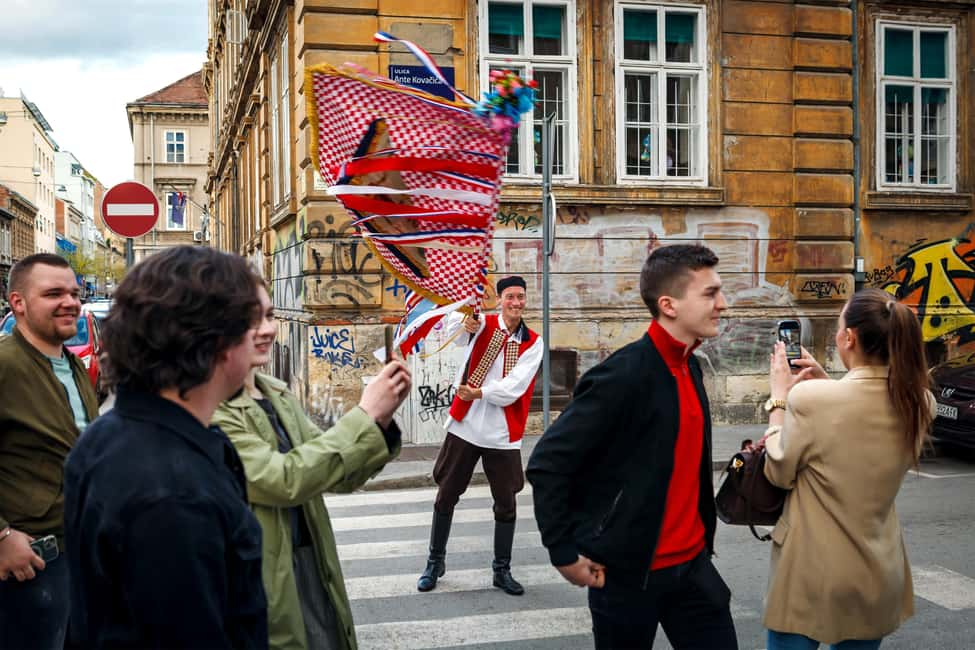
- Photos With Performers: Turning Costumes Into Meaning
- Price and Value: Is $50 Worth It for One Hour?
- Who This Zagreb Workshop Suits Best (And Who Might Skip It)
- A Few Booking Tips to Make the Hour Go Smoothly
- Should You Book This Zagreb Traditional Workshop?
- FAQ
- How long is the Zagreb traditional workshop experience?
- What can I make during the workshop?
- Is rakija included?
- Do I get to take photos with performers?
- What languages is the live guide available in?
- Is transportation included in the price?
- What should I wear?
- Are meals included?
What You’ll Remember After This Zagreb Workshop
- Two souvenirs you keep: a Licitar heart and a painted wooden toy, both made by you
- A guided house tour that ties Croatia together through geography, history, cuisine, and ethnology
- Folk performers in regional costumes, with photo time built in
- Rakija tasting: you’ll try authentic fruit brandy
- Personal attention, even when you’re solo (one recent solo booking matched the full experience)
Entering a Traditional Croatian House in Zagreb County
The experience starts in a traditional Croatian home that’s been kept in a way that feels lived-in, not staged. As you arrive, you’re greeted by dancers dressed in folk costumes from different Croatian regions. That immediately sets the tone: this isn’t a museum lecture. It’s culture you can see, ask about, and relate to.
Because the time window is short—about an hour—you’ll feel the structure right away. There’s crafting first, then the guided tour, then tasting and photos. It’s a smart flow. You don’t have to be patient for hours to get to the good parts.
If you’re thinking this is only for big tour groups, relax. One solo visitor described being welcomed one-on-one, especially during the off-peak period. That’s exactly what you want for an intimate craft-and-culture program: you can actually talk, not just nod.
Practical tip: arrive a few minutes early, and keep your phone charged. You’ll want photos with performers in traditional attire, and the lighting indoors may not look the same as outdoors.
You can also read our reviews of more tours and experiences in Zagreb.



Making a Licitar Heart (UNESCO-Recognized Croatian Symbol)
Licitar hearts are one of those objects you recognize even before you know the story. They’re part of everyday Croatian symbolism—sweet, decorative, and instantly recognizable. In this workshop, you’ll create your own Licitar heart, then decorate it with paint so it looks like your taste, not a template.
Why this matters for you as a visitor: a workshop craft turns culture into something physical. You’re learning the symbolism while your hands are busy. That sticks better than reading about it.
You’ll get guidance as you craft, but it’s still your work. You take the heart home afterward, which makes the experience feel complete. If you’ve ever bought souvenirs that end up stuck in a drawer, this is the opposite. This one is a story you can point to.
Wear clothes you don’t mind getting smudged. Even if the materials are controlled, painting always has a way of finding the sleeve. And because your time is limited to an hour, you won’t have time for super slow, careful perfection. That’s okay. The charm of folk art is that it’s human.
Painting a Traditional Wooden Toy From Zagorje
Next you move from the Licitar heart to a second craft: painting a traditional Croatian wooden toy, inspired by old craftsmanship from the Zagorje region. This is the part where your creativity actually gets to roam a little more. You’re not just filling a symbol. You’re interpreting a style that comes from how toys were made in the region long ago.
For many people, this becomes the souvenir they show off because it looks fun. For others, it’s the one they appreciate because it feels skill-based—like you’re touching a tradition that wasn’t born for tourists.
The workshop is designed so you finish within the time frame. That means you’re not going to spend hours on drying and re-coating. Plan to work steadily, follow the guide’s cues, and don’t overthink tiny details.
If you worry about being bad at crafts, don’t. A guide can help you avoid the common mistakes—like making colors too thin, or smearing while you switch tools. Your goal here is to make something clearly yours, not to win an art contest.
The Guided House Tour: Croatia Through Geography, Cuisine, and Ethnology
Once the crafts are underway—or after you finish them—you shift into the guided tour of the traditional house. This is where the experience becomes educational without turning into a textbook. You’ll learn about Croatian geography, history, cuisine, and ethnology as they relate to everyday life and regional identity.
Ethnology might sound academic, but in practice it’s about how people live, what customs mean, and how traditions vary from place to place. In a traditional house setting, those concepts make sense fast. You can connect the ideas to rooms, objects, and the folk costumes you already saw at the start.
This part is also good if you’re the type of traveler who hates long museum halls but loves context. The guide is a live person, and the language options include English, Croatian, and Serbo-Croatian, so you can choose what fits you best.
One smart thing to do: ask questions while you’re still in the cultural mood—before the event becomes just a memory. The folklore performers are available for interaction, and that’s often when you’ll get the most natural explanations of dances, symbols, and regional differences.
Rakija Tasting and Homemade Cakes: The Social Part
Then it’s time for the food-and-drink moment. You’ll taste authentic rakija, described here as fruit brandy. It’s a strong, traditional spirit in Croatia, and it’s served as part of the experience—not as an afterthought.
Because rakija is alcoholic, you should treat the tasting like an intentional stop, not a quick sip. If you’re sensitive to alcohol, go slow. If you’re driving later, plan accordingly. This isn’t just water being offered in small cups.
The activity also mentions homemade cakes. That’s a good pairing because sweet snacks help balance strong spirits. The combination also keeps the evening human and comfortable—something like what you might experience in a real home setting.
One recent solo visitor also mentioned local liqueurs paired with Croatian chocolate, which suggests the tasting can be a bit more than just one pour depending on the moment and host choices. The core here stays the rakija and the homemade sweets, but don’t be surprised if there’s a little extra Croatian-style pairing going on.




Photos With Performers: Turning Costumes Into Meaning
This tour doesn’t stop at crafts and lectures. You’ll get photo opportunities with folklore performers in traditional attire. That matters because costumes aren’t just decoration—they’re visual shorthand for regional identity. When you see them in the context of the guide’s explanations, the photos feel more meaningful.
Practical photo tip: ask your guide or the performers for the best spot for pictures. Indoor lighting can flatten colors and make costumes harder to read. A quick reposition can make a huge difference.
Also, don’t be shy about asking questions. You’re encouraged to ask about Croatian traditions, history, or dances. That’s where the experience turns from entertainment into conversation. You’ll likely remember the answers longer than you remember the exact paint colors.
The photos are also your payoff for time management. Since everything happens in about an hour, the best pictures are taken while the performers are still there and the energy is still high. Don’t leave it for the last two minutes.
Price and Value: Is $50 Worth It for One Hour?
At about $50 per person for a one-hour experience, you’re paying for a concentrated mix: two crafted items you take home, a guided house tour, rakija tasting, and photo time with performers.
Here’s how I think about value for you:
- Souvenirs made by you cost less than you’d spend in a shop for similar handmade items, especially if they come from recognizable Croatian traditions.
- A live guide plus indoor tour time means you’re buying interpretation, not just entry into a building.
- Rakija and homemade cakes are included, so you’re also getting a small cultural hospitality moment.
What’s not included is transportation. So if the meeting spot is inconvenient to reach, that could affect value in practice. If you’re already in the area, it feels like a fair trade for the intensity of the experience.
One more reality check: it’s short. You won’t get a half-day or full-day in-depth program. If you want hours of museum-style context, you may need to pair this with other time in Zagreb. If you want a compact, hands-on cultural evening that gives you something to carry home, it fits nicely.
Who This Zagreb Workshop Suits Best (And Who Might Skip It)
This is a great fit if you want culture you can touch. If you enjoy learning through making, and you like talking with locals, you’ll probably have a strong time. It’s also a solid choice for solo travelers who want connection without a big group dynamic—based on at least one recent solo booking where the host treated the experience as full and personal.
It’s also ideal for people who love folk traditions but don’t want to wade through long performances. You’re getting dance costumes and cultural context, plus the crafts, plus photos—within one hour.
Skip it or consider alternatives if:
- You hate any kind of crafting or messy activities. Painting is part of the package.
- You’re not comfortable with alcohol. Rakija tasting is included, and it’s explicitly alcoholic.
- You need a lot of time flexibility for late arrival. One negative report mentioned arriving at 18:00 to find the place dark and locked, so timing matters.
If you’re the type who likes a plan with clear outcomes—make two souvenirs, learn a set of topics, taste rakija, take photos—you’ll like this format.
A Few Booking Tips to Make the Hour Go Smoothly
Because the experience is timeboxed, your best move is simple: confirm the exact start time and meeting details with the provider ahead of going. One reported issue involved arriving at a specific time to a locked, dark site, and that’s the kind of avoidable hiccup you can prevent with a quick confirmation.
Also plan your clothing. Wear something you can get paint on. Bring a small towel or wipe if you’re the kind who cares about keeping your bag clean—nothing is mentioned as provided, so you should rely on your own basics.
If you’re traveling in colder months, consider that the workshop happens indoors in a traditional house environment. Layers are smart because you might go from outdoor temps to indoor spaces, and you’ll be sitting while crafting.
Finally, go in with curiosity. This experience gives you geography, history, cuisine, and ethnology in a house setting, but it’s even better if you ask questions during the moment when the performers and guide are right there.
Should You Book This Zagreb Traditional Workshop?
Book it if you want a short, friendly, hands-on cultural experience in Zagreb County. The biggest strengths are clear: you create two take-home crafts, you get a live guided house tour with cultural themes, and you taste rakija while getting photo time with performers in real folk attire.
I’d hesitate only if you’re strongly anti-crafting, avoid alcohol, or you dislike programs where exact timing matters. If that’s you, pick a different style of tour.
If you fall into the first group, this is a fun value buy. You’ll leave with souvenirs you made, stories you can explain, and photos that actually match the cultural context.
FAQ
How long is the Zagreb traditional workshop experience?
It lasts 1 hour.
What can I make during the workshop?
You’ll create and decorate a Licitar heart and paint a traditional Croatian wooden toy.
Is rakija included?
Yes. You’ll be served authentic rakija (fruit brandy) as part of the experience.
Do I get to take photos with performers?
Yes. There are photo opportunities with folklore performers in traditional attire.
What languages is the live guide available in?
The guide is available in English, Croatian, and Serbo-Croatian.
Is transportation included in the price?
No. Transportation to the location is not included.
What should I wear?
Wear clothes that can get dirty, since the experience involves crafting and painting.
Are meals included?
Homemade cakes are included, but other meals are not.