REVIEW · ZAGREB
Back to Socialism Bike Tour
Book on Viator →Operated by Blue Bike Zagreb city tours · Bookable on Viator
Zagreb changes fast when you ride it. This small-group bike tour is a smart way to see overlooked corners while a guide explains how socialist-era city planning shaped everyday life. I particularly like the free admission stops that keep your money focused on the tour itself, and I also like that you can pick morning or afternoon timing so the ride fits your day.
The tour is built for cycling, so if your legs or bike comfort aren’t great, the pace might feel like a workout rather than an easy stroll. That’s the one trade-off to keep in mind before you book.
In This Review
- Key things to know before you pedal
- A City Ride That Explains How Zagreb Was Built
- Price and Value: What $49 Really Buys
- Where to Meet at Blue Bike Zagreb and How It Works
- Stop 1: Blue Bike Zagreb and Getting Your Bearings
- Stop 2: Nikola Tesla Statue, Zagreb’s Genius in Plain Sight
- Stop 3: State Archives in an Art Nouveau Setting
- Stop 4: Museum of Contemporary Art and the City’s Newer Edge
- Stop 5: Park Bundek’s Green Space Meets Brutalism
- Stop 6: Lower Town, Middle-European Beauty, and the Big Planning Picture
- Small-Group Cycling with Real Explanations (Not Just “Look Here”)
- Morning or Afternoon Times: Pick the Mood
- What’s Included (and What You Should Plan For)
- Weather, Comfort, and Who This Tour Fits Best
- Should You Book Back to Socialism Bike Tour?
- FAQ
- How long is the Back to Socialism Bike Tour?
- How much does the tour cost?
- What’s the group size?
- Is the tour offered in English?
- Where do I meet the tour?
- Is biking gear included?
- Are any ticketed attractions included in the tour price?
- Is food included?
- FAQ
- Is the tour affected by weather?
- Can I get a refund if I cancel?
Key things to know before you pedal
- Small group size (max 12): you get more back-and-forth with your guide, not a lecture you can’t interrupt.
- All biking gear provided: you don’t have to hunt down a helmet or rental setup.
- Two-way look at planning: you’ll connect older city design with later socialist approaches.
- Parks + river routing: expect a change of scenery, not just streets and sidewalks.
- Free admission at every stop listed: you get several “ticketed” moments without paying again.
A City Ride That Explains How Zagreb Was Built
This isn’t just a bike loop for photos. The point is understanding how Zagreb works—how design choices affect housing, public space, and the feel of whole neighborhoods. You’ll cover more ground than on foot, but the stops aren’t random. They’re chosen to tell a story about urban planning across different eras.
One reason I like this format is the balance. You get classic sights in central Zagreb, then you get the less-obvious planning logic behind how the city expanded and reorganized. It’s also a very human tour style: your guide brings personal context, including how recent events have shaped how Zagreb operates.
And the best part for practical travelers? Zagreb is compact enough that a 2.5-hour ride feels like you really did something meaningful without stealing half your trip.
You can also read our reviews of more tours and experiences in Zagreb.

Price and Value: What $49 Really Buys
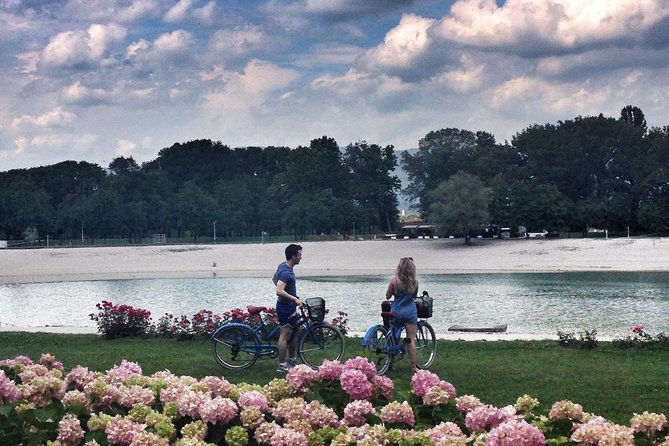
At $49 per person for about 2 hours 30 minutes, this tour sits in a friendly midrange price zone for bike experiences. What makes it good value is that several stops include free admission, so you’re not stacking extra ticket costs on top of your tour price.
For $49, you’re also buying three big conveniences:
- Bikes and necessary biking gear are provided.
- You get an English-speaking guide with a clear theme for the day.
- The pacing is structured, so you’re not guessing where to go next.
If you’re traveling solo, pair up with someone (the tour requires a minimum of 2 people per booking). If you’re traveling as a couple or small group, the price structure tends to feel fair because the group stays small.
Where to Meet at Blue Bike Zagreb and How It Works
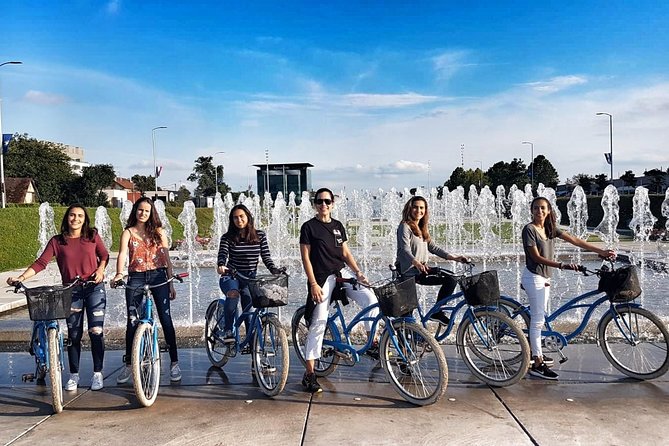
You’ll start and end right where it’s easiest to connect with the day: Zagreb Bike Tours at Blue Bike on Trg bana Josipa Jelačića 15, in the courtyard. It’s right near public transport, and that matters—getting there should be simple, even if your hotel isn’t in the exact center.
The tour runs as a true guided loop. You’ll get bike time, but you won’t be left on your own. Your guide keeps things moving and ties each location back to the theme: how Zagreb’s built environment evolved under different political and planning approaches.
Expect a maximum of 12 travelers, so the ride doesn’t feel like a moving bus. It’s small enough that you can ask questions and actually get answers without yelling into wind.
Stop 1: Blue Bike Zagreb and Getting Your Bearings
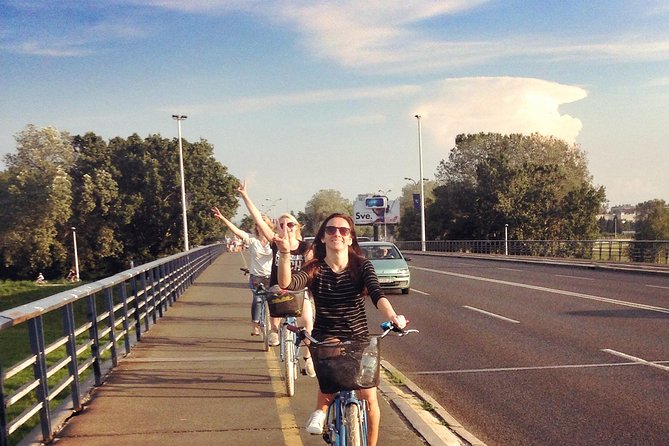
The first stop is practical: you begin at the base of Blue Bike Zagreb bike tours in the courtyard off Trg bana Josipa Jelačića. It’s where you’ll find your setup and settle into the flow of the ride.
This matters because bike tours can go two ways:
- chaotic, where you spend the first 20 minutes figuring out where to go,
- or organized, where you start rolling and learn quickly.
This one is organized. In that first stretch, you’re getting your bearings on the city’s layout and setting up the route so later stops make sense.
Stop 2: Nikola Tesla Statue, Zagreb’s Genius in Plain Sight
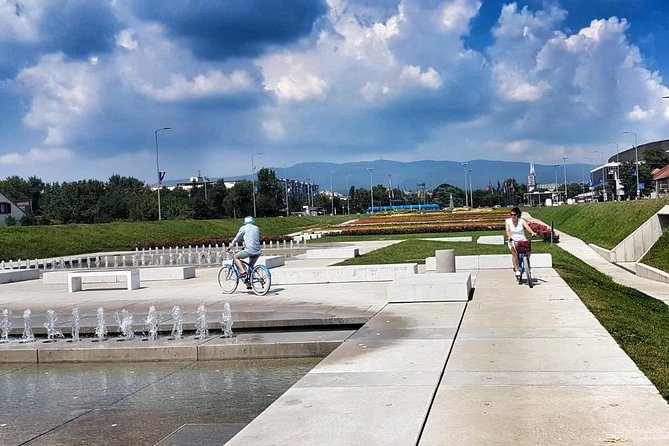
Next up is the Nikola Tesla Statue. It’s a quick stop—about 20 minutes—but it’s a useful anchor point. Tesla is one of those cultural touchstones that helps you understand Zagreb’s public identity: modernity and invention, not only architecture and monuments.
You’re also in the right mindset now: your guide has started framing how public space works—who gets celebrated, where those symbols appear, and how that fits into the city’s broader layout.

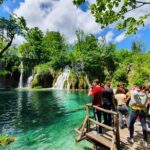
Stop 3: State Archives in an Art Nouveau Setting
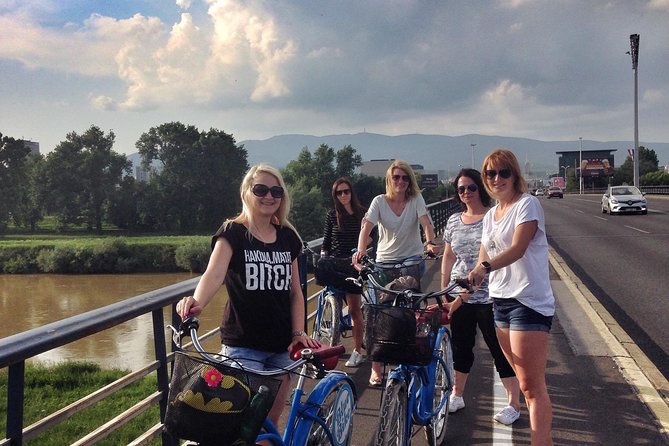
Then you hit the State Archives, described as a standout Art Nouveau building. You’ll have about 20 minutes here.
What to pay attention to:
- how the building’s style reads on the street,
- how the area feels compared with the more modern sections you’ll see later,
- and how architecture can reflect the priorities of the time it was built.
The tour keeps nudging you to think like a planner, not just a sightseer. That’s the difference between seeing a building and understanding why it sits where it does.
Stop 4: Museum of Contemporary Art and the City’s Newer Edge
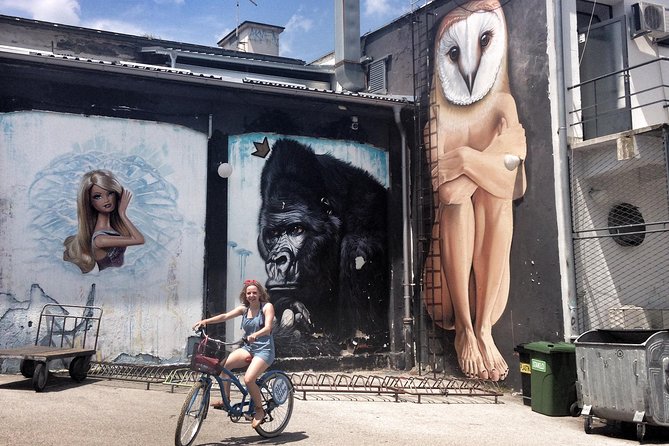
The Museum of Contemporary Art is next, around 20 minutes. This is one of the newer museums in Zagreb, and the timing works well: after looking at earlier design signals (like Art Nouveau), you get a contrast in what feels current and forward-looking.
Even if museums aren’t your main interest, this stop does something valuable for the bike theme. It gives you a chance to notice how newer institutions change the feel of the neighborhood—how “new” can reshape foot traffic, cycling routes, and local identity.
Stop 5: Park Bundek’s Green Space Meets Brutalism
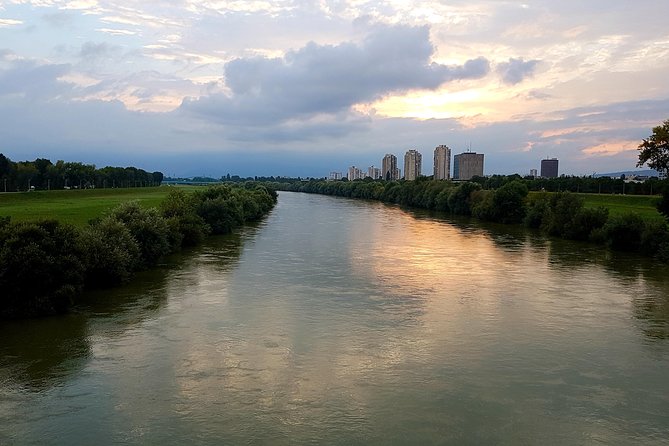
After the architecture and museum stop, you get a breather in Park Bundek. You’ll spend about 30 minutes here.
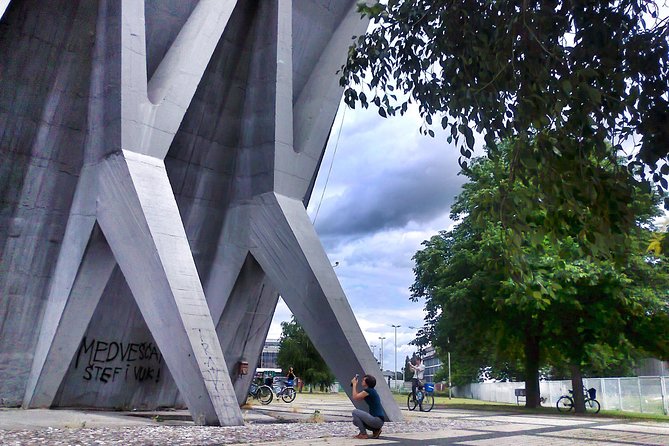
Park Bundek is especially worth the stop because of the contrast. You get lush greenery, but it’s positioned against a backdrop of harder-edged design elements linked to brutalism. That juxtaposition is exactly the kind of urban contrast planners talk about—how soft spaces and hard structures can sit next to each other and still feel functional.
In the reviews, I saw a consistent theme: people loved the way the ride included green “horseshoe” park areas. On this tour, that kind of routing helps you understand Zagreb not as a single center, but as a network of places where different city styles share space.
Stop 6: Lower Town, Middle-European Beauty, and the Big Planning Picture
Your final major stretch is Lower Town, with about 45 minutes. This is where the ride turns into more of a neighborhood experience—streets, scale, and atmosphere that feel distinctly Central European.
This is also where the theme gets stronger. Based on what guides emphasize on the ride, you’re not only looking at architecture. You’re connecting it to how the city’s expansion was planned. In practice, that means the guide explains how design choices show up in real life: where people end up, how movement works, and what public space feels like under different planning models.
One of the most memorable elements people highlight is the contrast created by moving across the Sava River and into areas associated with Nova Zagreb. That crossing gives you a clear before-and-after comparison. It’s easier to notice planning differences when you physically switch sides of the river, rather than trying to imagine it later from a map.
Your guide—often Alida, according to past guests—also brings personal experience into the explanation, including how modern realities like the COVID era and earthquakes have shaped how Zagreb functions day to day. That kind of context makes the planning story feel real, not academic.
Small-Group Cycling with Real Explanations (Not Just “Look Here”)
The best bike tours don’t overwhelm you, and they don’t treat stops like checklist items. This one tends to work because the guide connects dots.
You’ll hear about:
- how Zagreb’s city planning changed over time,
- how socialist years influenced practical urban design,
- and how leadership approaches—like the style associated with Tito—differed from the later Croatian administration you see today.
Even if those topics aren’t your default travel interests, you’ll likely enjoy the way the guide frames it: as something you can recognize in streets, parks, and the layout of neighborhoods.
If you’re the type of traveler who likes cities as systems—how they move, how they house people, how they shape daily life—this will land well. If you want only scenic sightseeing, you may find yourself thinking more than looking. That’s still a win, but it’s good to know what you’re signing up for.
Morning or Afternoon Times: Pick the Mood
You can choose either morning or afternoon timing. That choice matters because cycling comfort is seasonal and daylight-related.
Morning tends to feel:
- calmer on the streets,
- easier for focused sightseeing before evening energy kicks in.
Afternoon can be nicer when you want:
- a slower pace,
- better chances to catch the city in nicer light.
I’d choose based on what you’re doing the rest of your day. If you’ve got museums and indoor plans, morning cycling can balance your schedule. If you want to sleep in, the afternoon option keeps your day from feeling rushed.
What’s Included (and What You Should Plan For)
This tour includes:
- a local guide
- a professional guide
- the tour experience itself as a private tour format
It also includes biking gear, and that’s huge. It lowers friction. You can show up, get set up, and go.
Not included:
- food and drinks unless specified
- hotel pickup and drop-off
So plan to grab a snack before or after. Bike time can build appetite faster than you expect, especially if you’re pedaling at a steady pace.
Weather, Comfort, and Who This Tour Fits Best
This experience requires good weather. If rain or conditions are poor, the tour is designed to be rescheduled or refunded rather than pushed forward in bad conditions.
As for who it’s best for:
- Great for first-time Zagreb visitors who want orientation plus context.
- Great for travelers who like architecture and city planning, but don’t want a boring lecture.
- Also good if you want a practical “see more in less time” day.
Possible drawback:
- If you’re prone to getting uncomfortable on a bike ride or you prefer walking pace only, you might wish you had chosen a gentler option.
Children must be accompanied by an adult. If you’re bringing kids, make sure the bike setup and ride duration work for your family.
Should You Book Back to Socialism Bike Tour?
Yes—if you want Zagreb to make sense. This tour is especially worth booking because it mixes classic landmarks with a planning-focused lens, and it does that in a bike-friendly, time-efficient way.
Book it if:
- you like understanding how cities function,
- you enjoy contrasts (older vs newer planning, central vs expanded areas),
- and you value value-add stops with free admission.
Skip it if:
- you only want scenic sightseeing with minimal explanation,
- you’re not comfortable on a bike for about 2.5 hours,
- or you’re traveling when weather is likely to be unreliable.
If your trip has room for one “real Zagreb” experience, this is a strong choice.
FAQ
How long is the Back to Socialism Bike Tour?
The tour runs for about 2 hours 30 minutes (approx.).
How much does the tour cost?
It costs $49.00 per person.
What’s the group size?
The tour has a maximum of 12 travelers.
Is the tour offered in English?
Yes, it’s offered in English.
Where do I meet the tour?
Meet at Zagreb Bike Tours @ Blue Bike, Trg bana Josipa Jelačića 15, inside the courtyard.
Is biking gear included?
Yes, all necessary biking gear is provided.
Are any ticketed attractions included in the tour price?
The stops listed include free admission tickets.
Is food included?
No. Food and drinks are not included unless specified.
FAQ
Is the tour affected by weather?
Yes. The experience requires good weather, and if it’s canceled due to poor weather you’ll be offered a different date or a full refund.
Can I get a refund if I cancel?
Yes. You can cancel up to 24 hours in advance for a full refund.