REVIEW · ZAGREB
Croatia: Museum of Lost Tales
Book on GetYourGuide →Operated by The Museum of Lost Tales · Bookable on GetYourGuide
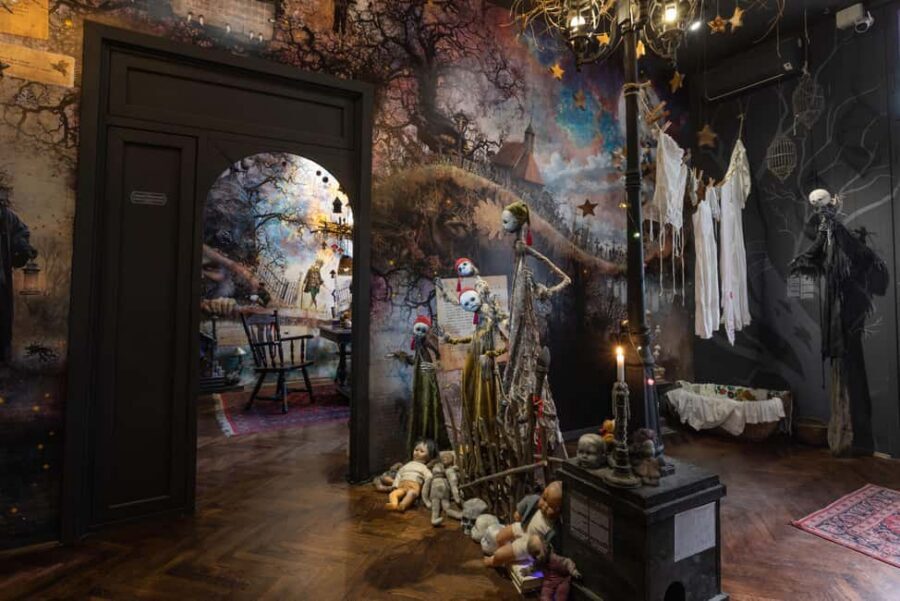
Lost tales, built in miniature. The Museum of Lost Tales is a House of Wonders from Croatian folktales in Zagreb County, where oral legends become sculpted scenes, puppet miniatures, and visual storytelling you walk through room by room.
I really like two things right away. First, the sheer density of imagination: the exhibition spreads across about 200 square metres and brings you face-to-face with hundreds of magical creatures and beings. Second, the tone is playful without feeling childish, ranging from wholesome to funny as you hunt for clues hidden in the artwork.
One consideration before you go: this isn’t set up for everyone. Wheelchair users aren’t suitable, and you also can’t bring backpacks or bags inside.
In This Review
- Key Things to Know Before You Go
- Inside the Museum of Lost Tales: what it feels like
- Zdenko Bašić and the art of turning oral tales into rooms
- Your six-room walk: how the story is staged
- The senses game: what to look for besides the visuals
- Hundreds of creatures: why the amount feels meaningful
- Price and value: is $14 a fair deal?
- Planning your visit in Zagreb County: make it easy on yourself
- Who should book this museum (and who might skip it)
- Quick FAQ
- FAQ
- How much does the Museum of Lost Tales cost?
- How long is the experience?
- What’s included with the ticket?
- Is a guided tour included?
- Can I skip the ticket line?
- Where is this experience located?
- Are pets allowed?
- Are backpacks or bags allowed inside?
- Is it suitable for young children?
- Is it wheelchair accessible?
- What if my plans change?
- Should you book the Museum of Lost Tales?
Key Things to Know Before You Go
- Six rooms built around different themes, so you don’t get stuck staring at one display for an hour
- Hundreds of creatures and beings, with lots to notice on repeat viewing
- Live-art style storytelling, where you’re encouraged to act like an explorer
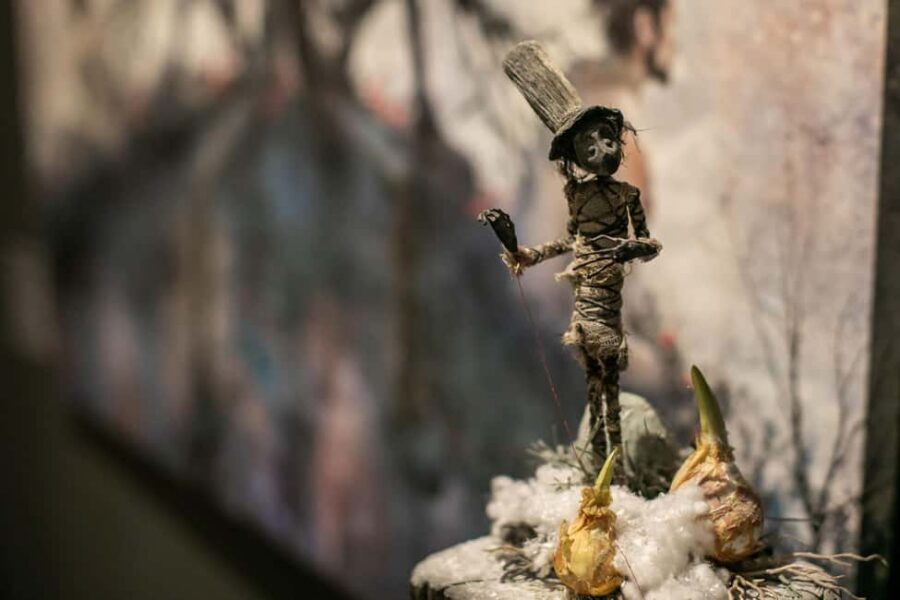
- Sculpted scenes and puppet miniatures that turn folktales into something physical
- Sensory details you’re meant to track, including smells and creature traces
- A self-guided ticket (no guided tour included), so you move at your own pace
Inside the Museum of Lost Tales: what it feels like
This museum is built like a walk-through storybook, but with craftspeople’s patience. You’re not just reading captions. You’re scanning scenes, leaning into details, and piecing together what you’re seeing from the clues the exhibit gives you.
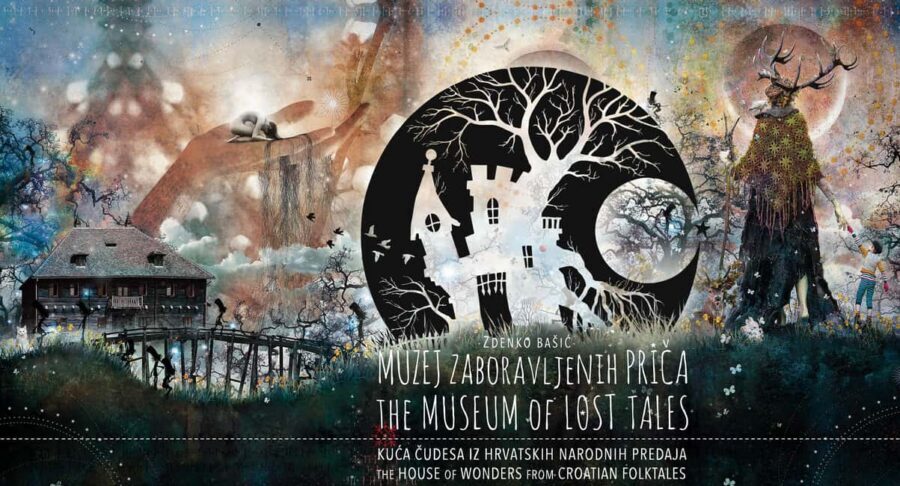
The concept centers on Croatian oral heritage, presented through the art direction of transmedia artist Zdenko Bašić. In plain terms, he took the world that used to live in spoken folktales and gave it a new form: sculpted sets, miniature figures, and a room-by-room layout that keeps pulling you forward.
And yes, it’s theatrical. The museum invites you to become part of the experience, with prompts that push you to look for fairies’ traces, witches’ footsteps, dragons’ scales, and even smells connected to creatures like bogarts. If you like museums where your brain is active, this one fits.
You can also read our reviews of more museum experiences in Zagreb



Zdenko Bašić and the art of turning oral tales into rooms
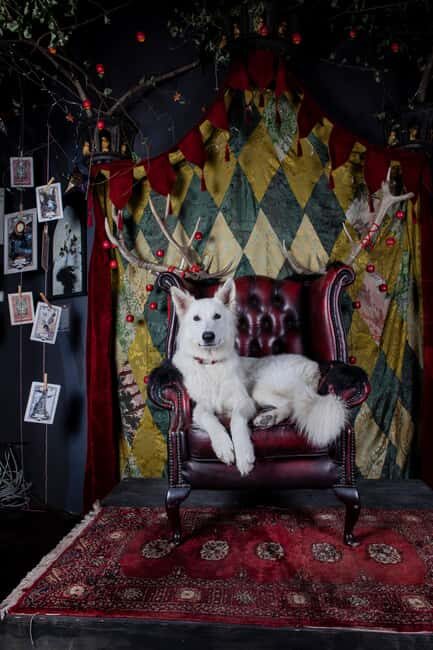
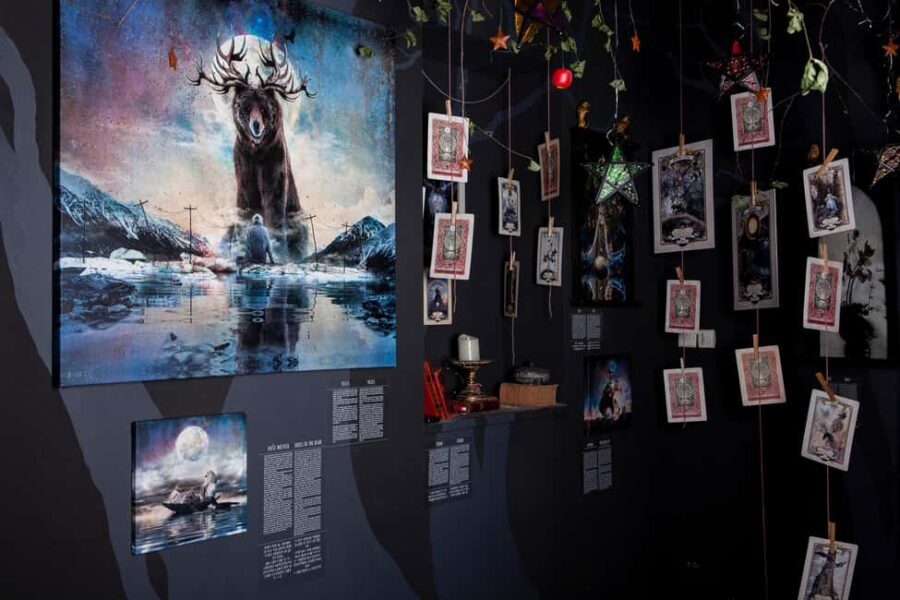
What makes the Museum of Lost Tales more than a novelty stop is the way the artist’s method shows up everywhere. The exhibition is designed as a single artwork built on Bašić’s illustrations, with sets and puppet miniatures combining into a whole experience rather than scattered displays.
He’s known for developing work from personal oral legacy, and you feel that in the presentation. The folktales don’t come off like dusty folklore. They feel alive, like stories with personalities.
A practical upside for you: when art is tied to a clear idea, you can read it faster. Even if you don’t know Croatian folktale names, you can still follow the logic of the exhibit. You’ll notice patterns: certain rooms push you toward one kind of creature or mood; other spaces feel like they’re built for discovery and repeated attention.
Your six-room walk: how the story is staged
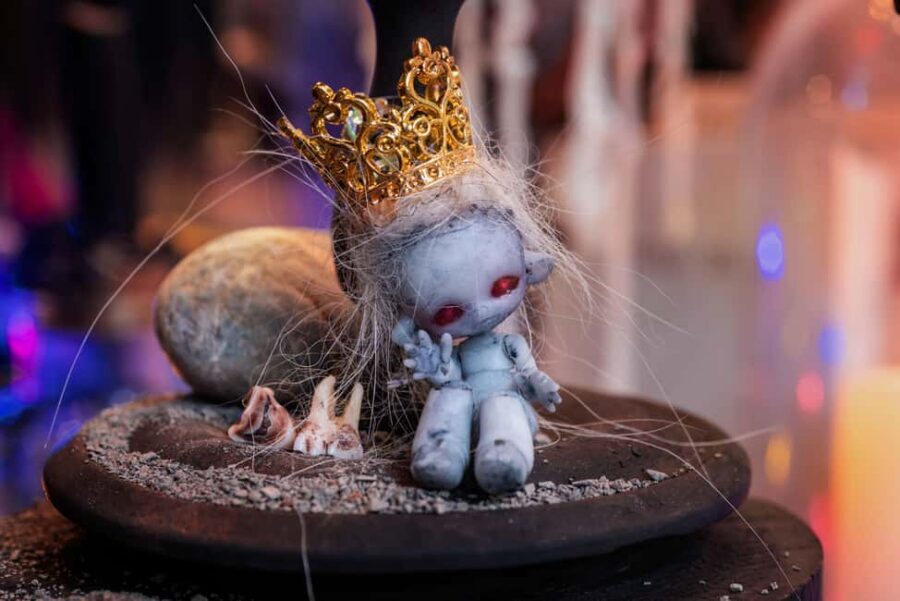
The museum covers about 200 square metres and is organized into six different rooms, each built around a distinct theme. The layouts are designed so you can move like an explorer—stopping, looking closer, and then continuing when a new detail catches your eye.
Here’s how you can think about the walk, without getting hung up on “which room is which.” The exhibit uses sculpted scenes and puppet miniatures to stage folktale worlds. Instead of one big tableau, you’ll see smaller worlds that feel like they belong to the same universe.
As you go, keep an eye out for specific “breadcrumbs” the exhibit highlights across the experience:
- Traces of fairies
- Footsteps of witches
- Scales of dragons
- Smells associated with bogarts
- A pit where water men hide
- The creatures called Moguts flying
Those aren’t random name-drops. They’re part of how the museum tells you to watch. If you’re the type who enjoys searching for details in a busy painting, you’ll have a good time. If you prefer straight-line facts, you may want to slow down and treat it like a mystery.
The senses game: what to look for besides the visuals
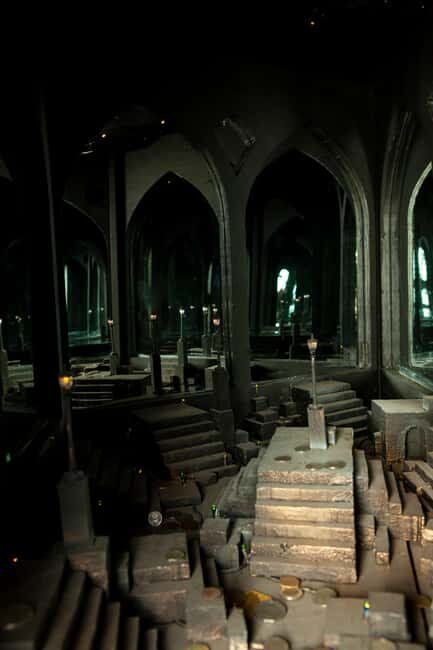
One of the most distinctive parts of this experience is that it doesn’t rely only on sight. The museum’s design pushes you to use your senses as “input.” That matters because it changes how you move through the rooms.
You’re encouraged to look for physical signs of creatures—footprints, scales, and traces—so you don’t just admire. You interpret. And you’re also invited to experience sensory cues like smells that connect to certain beings, including bogarts.
From a value standpoint, this sensory approach helps explain why people describe it as overwhelming in a good way. There’s a lot to take in: mini-scenes, sculpted elements, and layered storytelling in a compact footprint. The exhibit is packed, so you’ll likely have moments where you think, I missed that the first time.
If you want to make it feel less like information overload, here’s a simple approach: pick one or two creature types to hunt for on your first pass, then look at everything else. On a second visit (if you ever come back), you’ll catch new patterns.
Hundreds of creatures: why the amount feels meaningful
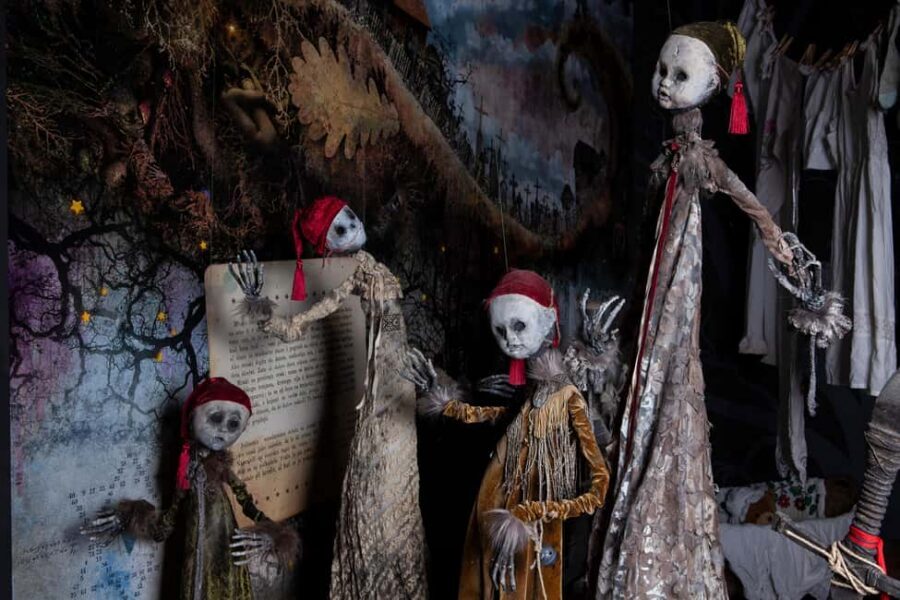
The museum doesn’t just show a few famous characters. The highlight is a collection of over hundreds of magical creatures and beings, which can sound like marketing until you stand in front of the displays and realize how much variety is built into the design.
That scale changes the rhythm. Instead of one emotional peak, you get a series of mini surprises. One display can feel whimsical. Another can feel unsettling in a safe, storyteller way. The overall effect is that Croatian oral lore comes across as a living ecosystem, not a single legend.
A couple notes from the vibe: the experience tends to swing between wholesome and funny, which keeps the mood from getting too heavy. At the same time, it can feel information-heavy, so plan to take your time reading the stories and looking at the objects that support each theme.





Price and value: is $14 a fair deal?
At $14 per person for entry, this museum is priced like an accessible cultural stop. And given what you get, it’s hard to see it as overpriced.
You’re paying for:
- A self-guided walk through six themed rooms
- A design-driven exhibition featuring sculpted scenes, puppet miniatures, and Bašić’s illustration-based worldbuilding
- Access to a large collection of creatures and story elements
The value angle for you is that this isn’t a quick “look and leave” kind of attraction. It’s designed to reward your attention, and reviews point to a massive amount of information and multiple surprises around corners. If you enjoy wandering museums where details matter, $14 starts to look like a bargain.
One practical tradeoff: because there’s no guided tour included, you won’t get someone to translate everything on the spot. If you love museums but need help connecting the dots, you may want to go with curiosity and patience rather than expecting a docent-style explanation.
Planning your visit in Zagreb County: make it easy on yourself
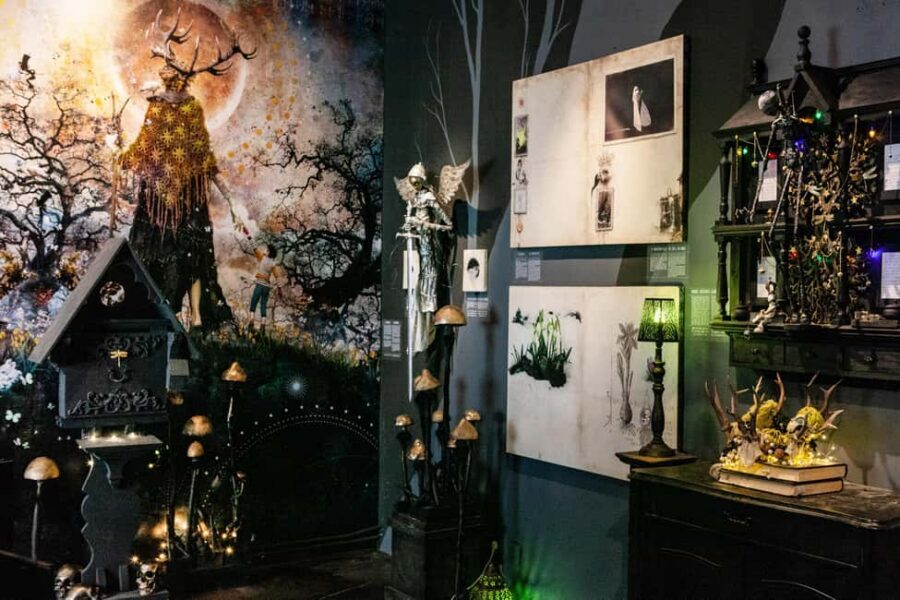
This is a 1-day activity, so it fits nicely into a Zagreb-area schedule without demanding full-day logistics. It’s also skip-the-ticket-line friendly, which is exactly what you want for a museum visit where you’ll be standing and moving inside for a while.
A few real-world tips based on the rules:
- Leave bulky items at your lodging. Backpacks and bags aren’t allowed, so travel light.
- If you’re coming with a pet, note that pets aren’t allowed (assistance dogs are allowed).
- Don’t bring very young kids. It isn’t suitable for children under 3.
- If mobility is an issue, plan ahead because wheelchair users aren’t suitable for this setup.
When you arrive, expect to spend your time walking room to room and looking for the exhibition’s guided clues: creature traces, footprint-like details, and sensory moments. Because it’s self-guided, you control the pace. If you rush, you’ll miss the fun part.
Who should book this museum (and who might skip it)
I think this experience suits you best if you:
- Like folklore, myths, and storytelling, even if you don’t know the specific names
- Enjoy art displays that reward close looking
- Want something different from the usual museum format
- Prefer a self-guided visit where you can linger
It may not be your best match if:
- You need accessibility features for wheelchair use
- You dislike sensory or cue-based exhibitions and prefer purely textual interpretation
- You travel with luggage or large bags and don’t want to deal with restrictions
If you’re traveling with kids, it can be a great fit for older children who enjoy imaginary creatures and finding details. Just remember the minimum age rule.
Quick FAQ
FAQ
How much does the Museum of Lost Tales cost?
The entry price is $14 per person.
How long is the experience?
It’s listed as a 1-day activity.
What’s included with the ticket?
Your ticket includes entry to the Museum of Lost Tales.
Is a guided tour included?
No. A guided tour is not included in the price.
Can I skip the ticket line?
Yes, tickets are set up so you can skip the ticket line.
Where is this experience located?
It’s in Zagreb County, Croatia.
Are pets allowed?
Pets aren’t allowed, but assistance dogs are allowed.
Are backpacks or bags allowed inside?
No. Backpacks and bags aren’t allowed.
Is it suitable for young children?
It’s not suitable for children under 3 years old.
Is it wheelchair accessible?
No. It’s not suitable for wheelchair users.
What if my plans change?
You can cancel up to 24 hours in advance for a full refund.
Should you book the Museum of Lost Tales?
Book it if you want a compact, detail-rich museum where Croatian folktales turn into something you can walk through. The $14 price feels right for what’s essentially a small worldbuilding adventure—six themed rooms, sculpted scenes, puppet miniatures, and a long list of magical creatures to spot.
Skip it (or at least rethink) if you need wheelchair accessibility or you prefer a standard museum with no restrictions on bags. Also be honest with yourself: this is self-guided, so your experience will depend on how much you like hunting for meaning through images and story elements.
If you like museums that make you look twice and laugh a little while you do it, this one is worth your time.