REVIEW · SPLIT
Split: Private Roman History & Market Tour
Book on GetYourGuide →Operated by Intrepid Urban Adventures - Europe · Bookable on GetYourGuide
Roman walls still run the show in Split. This private tour threads you through Diocletian’s Palace and into the Green Market for food, rituals, and street-level Roman stories in just two hours.
What I like most is the way the guide turns the palace into something you can picture in real life, not just stone. I also love the market stop, where tastings like rakija, olive oil, cheese, and figs connect the city’s past to what people still buy today.
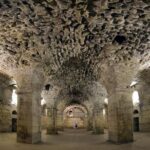
One thing to consider: the tour is short, and it does not cover ticketed sights like the cathedral/mausoleum area, the underground, the bell tower, museums, or the Temple of Jupiter—so you may still want a second visit if you want full coverage.
In This Review
- Key highlights you’ll actually feel
- Finding Split’s rhythm at the Riva meeting point
- Walking Diocletian’s Palace like you have a local key
- What the guide is likely to emphasize
- Thrones connection, but with a history spine
- The Green Market stop: taste first, then understand
- Tip for getting value from tastings
- What about dietary limits?
- Gregory of Nin’s golden toe and the wish ritual
- Hajduk and the names you can’t escape
- Diocletian’s life secrets: from Peristil to stories in the walls
- Why it’s called a market tour, not just a history tour
- Carbon-neutral and still practical
- Price check: $280 for two hours, so where does the value come from?
- How the guide quality shows up on the ground
- Who this tour suits best
- What’s included, what’s not, and where you’ll spend extra
- End on the Riva: leaving with a plan for your evening
- Should you book this Split private Roman history and market tour?
- FAQ
- How long is the Split private Roman History & Market Tour?
- Is this tour private?
- Where do I meet the guide?
- What’s included in the tour price?
- Are entrance fees included for everything in Diocletian’s Palace?
- What food will I taste at the Green Market?
- Are drinks included with tastings?
- Is the tour carbon neutral?
- What’s the cancellation policy?
- Is it child-friendly?
Key highlights you’ll actually feel
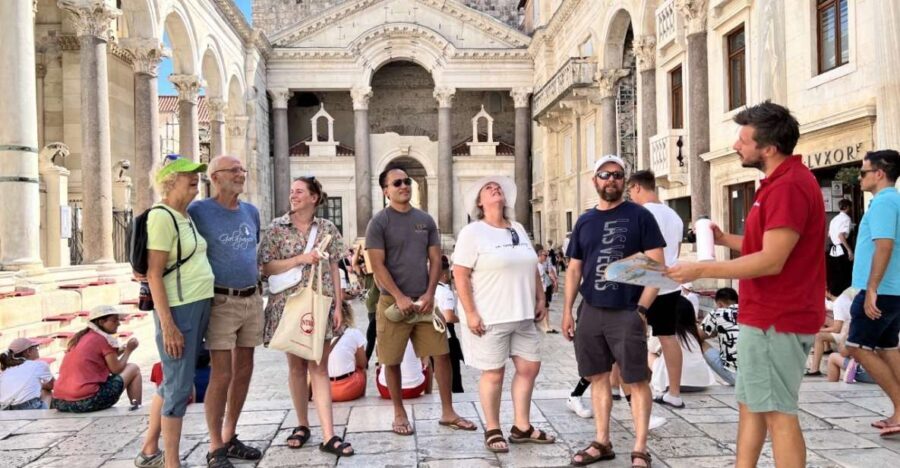
- Private access to parts of Diocletian’s Palace beyond the usual open areas
- Green Market tastings plus guidance on how locals shop and what to look for
- Golden Gates, Vestibule, Peristil: key palace spots explained in plain language
- Gregory of Nin and Dalmatian traditions: food, wishes, and older rituals linked together
- Carbon-neutral tour run by a B Corp certified operator focused on travel as a force for good
Finding Split’s rhythm at the Riva meeting point

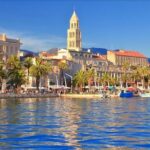
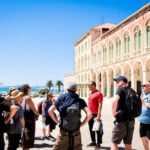
This tour starts at the beginning of the Riva promenade, near a mock-up model of the city and an iron map. It’s a practical setup because you’re already in the heart of Split when you meet your guide, and you avoid wasting time trying to locate the “right” entrance to the palace complex.
The other smart part: you’re not sent roaming alone. You’re in a private group, with an English-speaking guide who knows how to pace a walk through a historic area that can feel confusing if you’re not careful.
And yes, Split locals really do have opinions about Split. If you show genuine appreciation, you’ll get it back—warm and direct. That attitude matters here, because this experience is built around how people living in Split today connect to the emperor’s palace walls.
You can also read our reviews of more private tours in Split

Walking Diocletian’s Palace like you have a local key
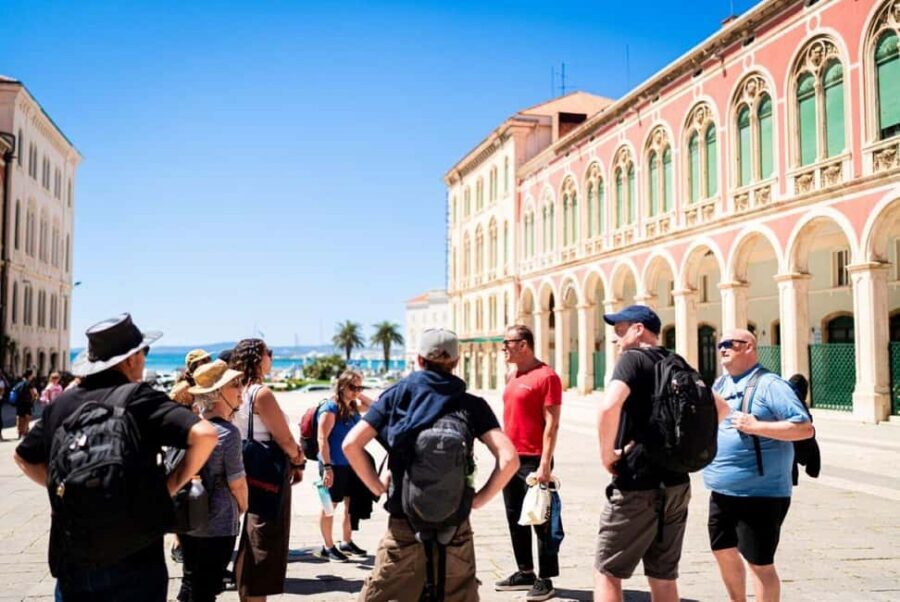
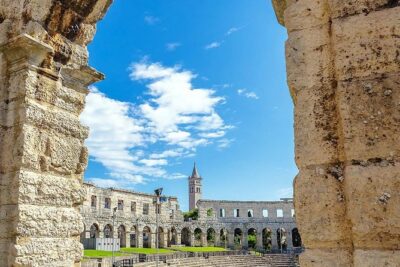
Diocletian’s Palace is the reason Split feels different from other Croatian towns. Instead of a museum site, it’s a living neighborhood built inside a Roman structure. That’s why walking through it with a guide feels like stepping into layers: Roman foundations, medieval changes, and modern everyday life all sharing the same narrow streets.
Your palace visit includes the main square within the palace walls, a private section of the palace, the vestibule, and the Golden Gates. Those are not random stops. They’re the kinds of locations that help you understand how power and daily life were built into the same space.
You’ll also hear how the city’s residents shaped the palace area over time—people have lived there for well over a thousand years. So while you’re “touring,” the real point is learning how the place kept working.
What the guide is likely to emphasize
I love tours where the guide helps you look at details without making you feel tested. This one leans that way. Expect explanations that focus on what you see: the structure of the palace, how the emperor’s spaces were arranged, and how certain stories became part of local identity.
In older descriptions of this area, you’ll often read about big political events. Here, the tone is more personal. You’ll hear how the palace fits into Splićana life—how the street plan and traditions still show up in habits and sayings.
Thrones connection, but with a history spine
Diocletian’s Palace is also known as a popular hangout connected with the TV series The Game of Thrones. That can tempt people into treating it like a set tour. The better approach—what this experience supports—is using the TV familiarity as a hook, then staying grounded in what Diocletian actually built and why Split still lives inside it.
The Green Market stop: taste first, then understand
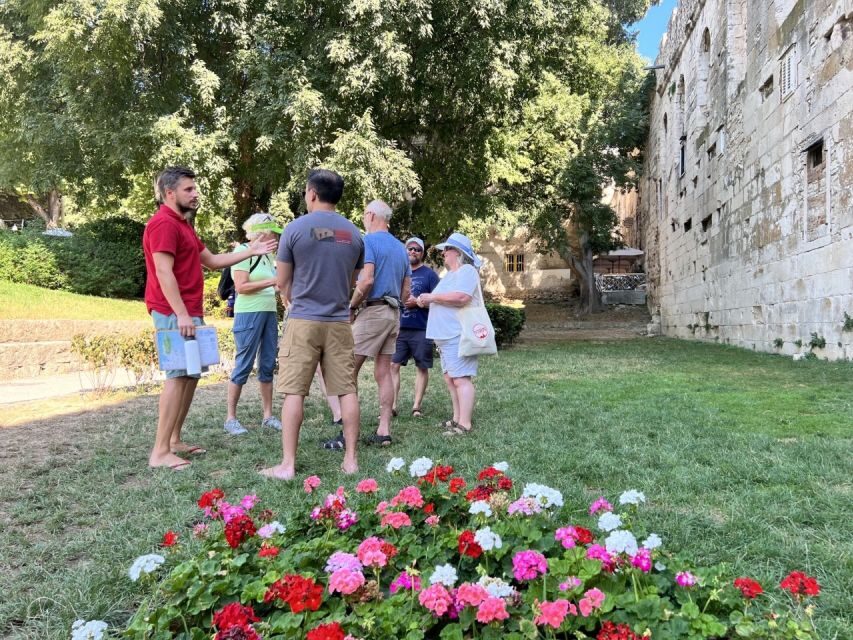
After the palace, you head to the Green Market of Split, which is more than a photo opportunity. This is where the tour turns from architecture to appetite.
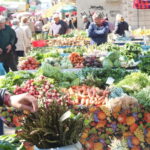
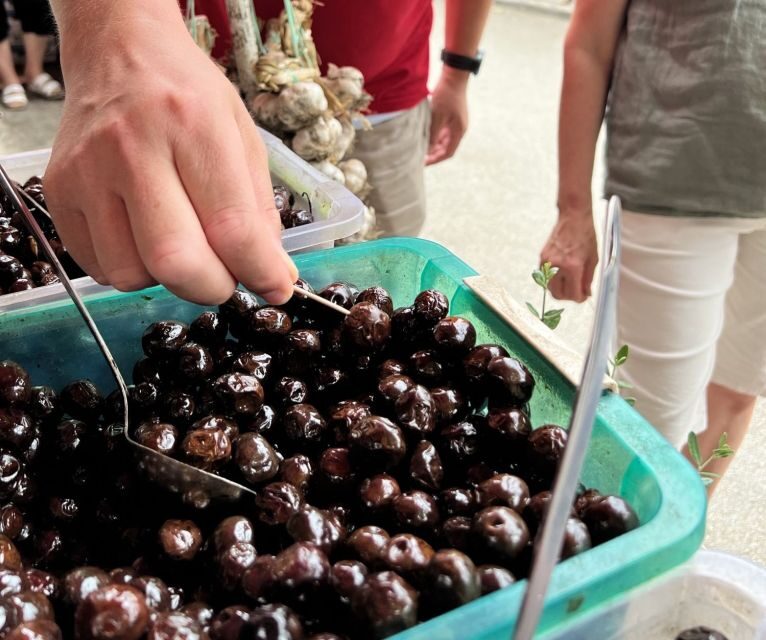
You’ll meet local vendors and get tastings of seasonal items. The provided list includes fruits, vegetables, olive oil, rakija, cheese, and dry figs—things that locals actually base meals on, not just souvenir flavors.
Why this market stop is so useful: it teaches you how people buy food in Split. You’re not only eating. You’re learning the city’s pattern of shopping and the kinds of products that matter locally. Even if you don’t plan to cook at home, this helps you understand restaurant menus once you’re back in the old town.
You can also read our reviews of more historical tours in Split



Tip for getting value from tastings
Don’t rush through the tasting moments. If you want to remember what you liked, ask your guide what each item is used for locally—especially with olives/oil, cheese, and rakija. If you come away knowing how locals connect ingredients to meals, you’ll feel like you got more than snacks.
What about dietary limits?
The tour data doesn’t list specific allergy accommodations or vegetarian/vegan options. If that matters for you, it’s smart to ask before booking so you know how tastings will work for your needs.
Gregory of Nin’s golden toe and the wish ritual
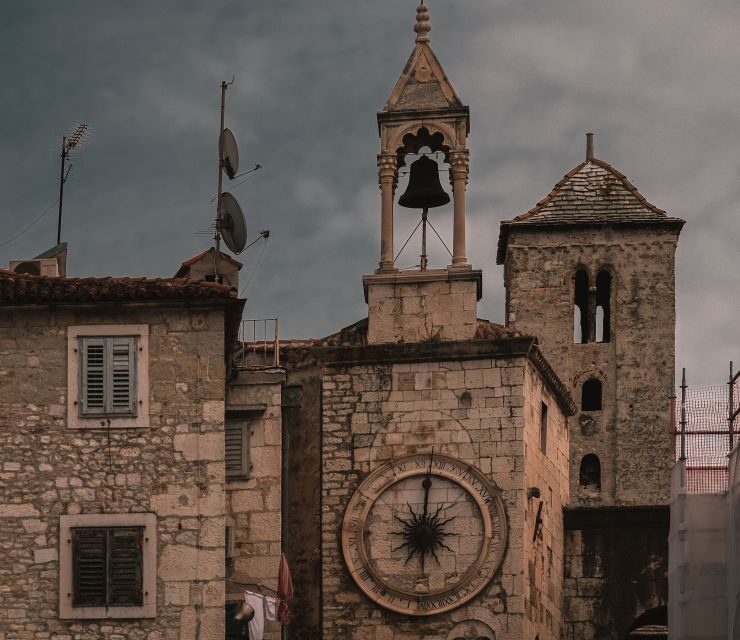
One of the most fun stops is at the golden toe of Gregory of Nin (Grgur Ninski). It’s the kind of tradition that feels playful, but it’s also a real cultural marker in Split.
Your guide will also connect this to broader local identity—how history turns into everyday ritual. This is where you start to see that the tour is not only about Roman chronology. It’s about how people kept meaning alive through symbols.
If you’re the type who enjoys learning the why behind a tradition, you’ll like this portion. It’s quick, memorable, and it gives you a local-specific moment that you can’t replicate as easily by wandering alone.
Hajduk and the names you can’t escape
You’ll hear about majestic Hajduk, Split, and why the name shows up all over the city—from suburbs to the old town area.
This matters more than it sounds. When you notice a name repeated everywhere, you’re seeing identity in motion. Hajduk is a way of talking about community pride. Learning that context makes the city feel less like a set of sights and more like a place with emotional roots.
Again, you’re getting short-story history instead of a lecture. The payoff is that you’ll recognize references later—on street signage, in casual conversation, and in how people frame their city.
Diocletian’s life secrets: from Peristil to stories in the walls
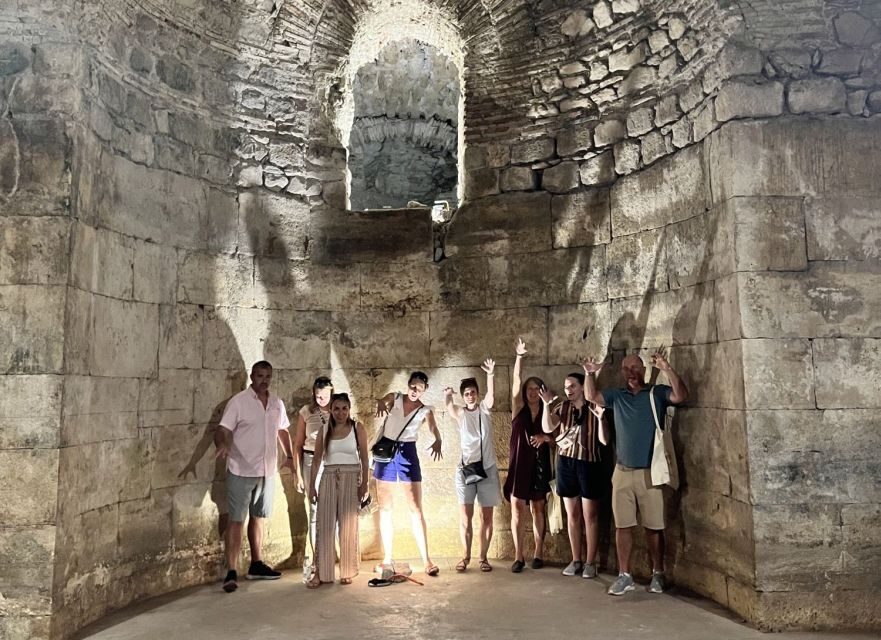
Now you’re back in the palace core. As you move into the heart of the site, you reach Peristil—a major space inside Diocletian’s Palace.
This is where the tour leans into the “secrets hidden in the walls” idea in a practical way. You’re not just hearing famous names. You’re learning how Diocletian’s spaces helped shape daily life in Split long after his reign.
Expect explanations like:
- why Diocletian’s story connects to what people eat (including the guide’s take on why he loved salad)
- why you might hear a reference to the mythical White Stone and why touching or thinking about it is supposed to bring happiness
These moments sound like legend, but they give you something useful: a map of local storytelling. If you know which story to look for, you’ll start spotting them even when you’re no longer on the tour.
Why it’s called a market tour, not just a history tour
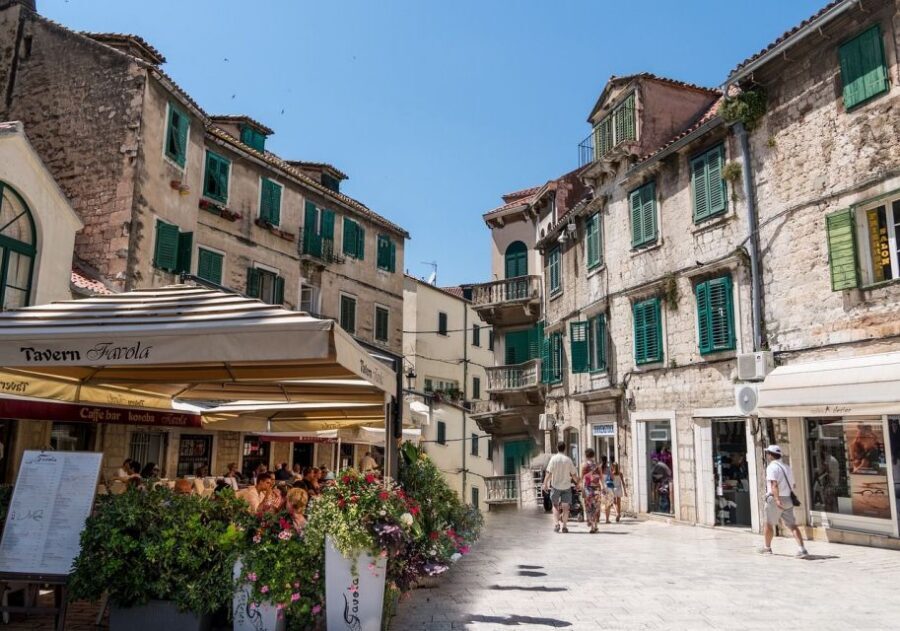
The itinerary keeps repeating one theme: the way to a Dalmatian’s heart is through the stomach. That isn’t marketing fluff. It’s the design of the experience.
You start with the Roman-built shell—stone, gates, vestibule spaces. Then you meet real people at the market. Then you return to the palace core where stories connect to daily customs. Even the rituals you’ll hear about from Iliryan times fit this approach: old cultural practices showing up as respectful habits rather than textbook facts.
If you enjoy tours that connect “then” and “now,” this format gives you that. If you only want strict Roman timelines and battle dates, this might feel a little too food- and tradition-centered. But for most visitors, that mix is the reason it stays fun.
Carbon-neutral and still practical
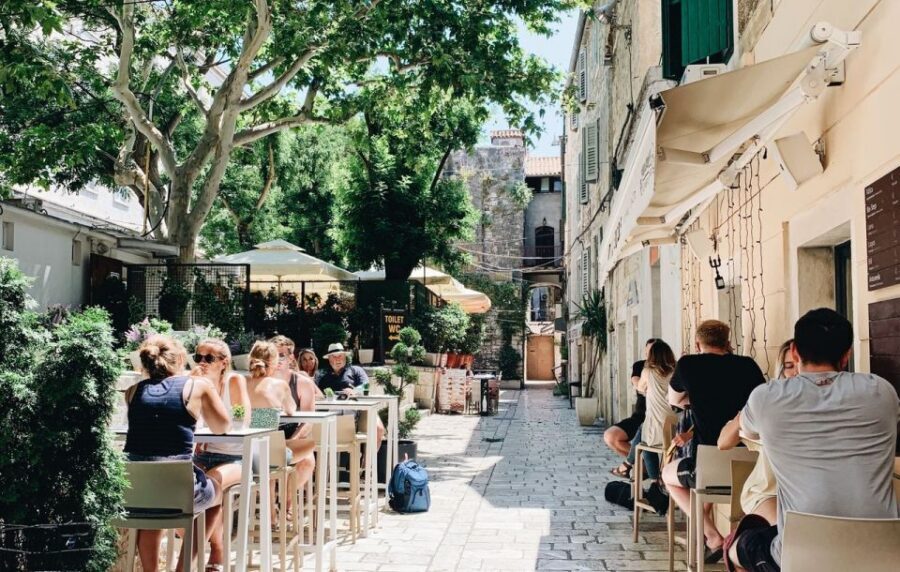
This tour is listed as carbon neutral, operated by a B Corp certified company committed to using travel as a force for good. That’s not something you’ll notice with your eyes while you’re walking, but it matters because it signals a different approach to how the experience is run.
Practically, you still get a regular, clear city walk: guided, timed for a smooth two hours, and focused on key spaces and one market stop. It’s not a “stand on the street and talk about ethics” type of tour. It’s history and food with an eco-minded operator behind it.
Price check: $280 for two hours, so where does the value come from?
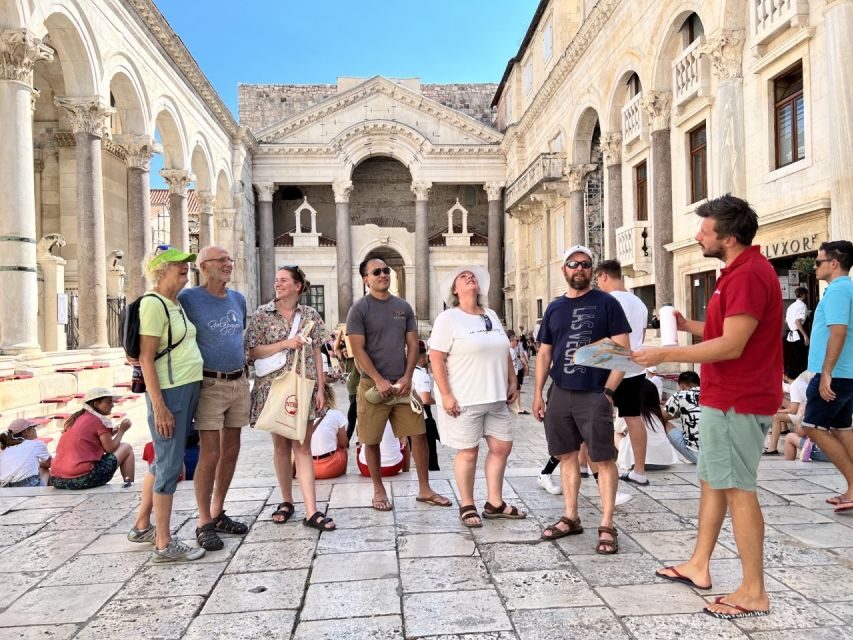
At $280 per person for a 2-hour private tour, the price is not “impulse cheap.” So you should think about what you’re buying.
You’re paying for:
- a local English-speaking guide (not a generic audio tour)
- access to specific palace components, including a private section and the Golden Gates
- a Green Market tastings stop (fruits/veg, olive oil, rakija, cheese, dry figs)
- a pace that’s short enough to fit into a day without eating your whole afternoon
If you’re traveling solo or as a couple and you’d rather do one high-quality guided experience than three basic ones, this can make sense. If you prefer to wander and you’re comfortable navigating the palace on your own, you might get more “time per dollar” elsewhere.
So the real question is not just the cost. It’s whether you want someone to point out which spaces matter, and whether you want a guided market tasting that teaches you how locals shop—not just what you should photograph.
How the guide quality shows up on the ground
Even without seeing the group before you arrive, you can get clues from past feedback about how the guides perform. The tour’s guide experience comes through in reviews that highlight strong English and solid pacing.
Names that have appeared in feedback include Ted and Ivan, both described as knowledgeable and good at keeping the tour moving at a comfortable speed. Another comment noted a guide who spoke excellent English and guided people through beautiful corners of the city with lots of useful anecdotes.
That’s a good sign for you because palace walking can become “random stone” if the guide doesn’t connect points. Here, the emphasis seems to be on keeping it educational without dragging.
Who this tour suits best
This experience is a strong match if you:
- want Roman history but prefer it explained through real places you can walk through
- enjoy food-focused stops where tastings connect to local life
- like tradition stories, including rituals that stretch back toward Iliryan times
- want a private group format with an English-speaking local guide
It’s also a decent choice for first-timers in Split who want an efficient orientation to what makes the city tick: palace life, market life, and the stories stitched between them.
If you’re the type who wants cathedral interiors, underground galleries, museums, and big ticket sights, you may find the exclusions annoying. But you can treat this as your “welcome to Split” guided walkthrough, then follow up with the additional sites later.
What’s included, what’s not, and where you’ll spend extra
Included:
- Local English-speaking guide
- Green Market food stop with tastings (fruits, vegetables, olive oil, rakija, cheese, dry figs, depending on season)
- Diocletian Palace visit covering the main square inside the walls, a private section, vestibule, and Golden Gates
Not included:
- Entrance fees to the cathedral of the ex-Emperor mausoleum, the underground of the palace, bell tower, museums, and the Temple of Jupiter
- Additional food and drinks beyond the tastings
So plan your budget with the understanding that the “palace experience” here is curated and guided, not a full-ticket marathon.
End on the Riva: leaving with a plan for your evening
The tour finishes on the Riva promenade. That’s a nice way to land because you end where Split is easy to keep experiencing—cafés, people-watching, and a stretch of waterfront energy.
Your guides will point you toward favorite coffee shops and good spots for an evening of Dalmatian delicacies and entertainment. This is a subtle but valuable part of a guided walk: it turns the tour into a springboard.
If you use that advice well, you’ll feel like your two hours created momentum for the rest of your trip.
Should you book this Split private Roman history and market tour?
Book it if you want a short, high-impact guided walk that connects Diocletian’s Palace to everyday Split life through market food and local traditions. The included tastings and the palace access areas (especially the private section and Golden Gates) are doing real work for your money.
Don’t book it if you’re hunting only for major ticketed sights like the cathedral/mausoleum area, underground sections, bell tower, museums, or the Temple of Jupiter. In that case, you’ll likely feel blocked at the edges.
My take: this tour is best for travelers who like their history explained by a local guide who keeps it human—Roman walls, yes, but also what people eat and why they keep repeating certain rituals.
FAQ
How long is the Split private Roman History & Market Tour?
It runs for 2 hours.
Is this tour private?
Yes, it’s listed as a private group tour.
Where do I meet the guide?
You meet at the beginning of the Riva promenade, near the mock-up model of the city and an iron map.
What’s included in the tour price?
You get a local English-speaking guide, a Green Market food stop with tastings, and a Diocletian Palace visit that includes the main square within the palace walls, a private section, the vestibule, and the Golden Gates.
Are entrance fees included for everything in Diocletian’s Palace?
No. Entrance fees are not included for the cathedral of the ex-Emperor mausoleum, the underground of the palace, the bell tower, museums, and the Temple of Jupiter.
What food will I taste at the Green Market?
Tastings can include fruits, vegetables, olive oil, rakija, cheese, or dry figs (seasonal).
Are drinks included with tastings?
The tour includes tastings, but additional food and drinks are not included.
Is the tour carbon neutral?
Yes. It’s described as carbon neutral, organized by a B Corp certified company committed to travel as a force for good.
What’s the cancellation policy?
You can cancel up to 24 hours in advance for a full refund.
Is it child-friendly?
Yes. Children under 6 can join free of charge. You should inform the operator if you’re bringing a child under 6.